
August 6, 2026
Pokemon Card Market Trends 2026: Collector's Guide
Get a clear read on pokemon card market trends 2026: which vintage sets hold value, which modern sets are moving, and how to buy and sell smart on Packz.
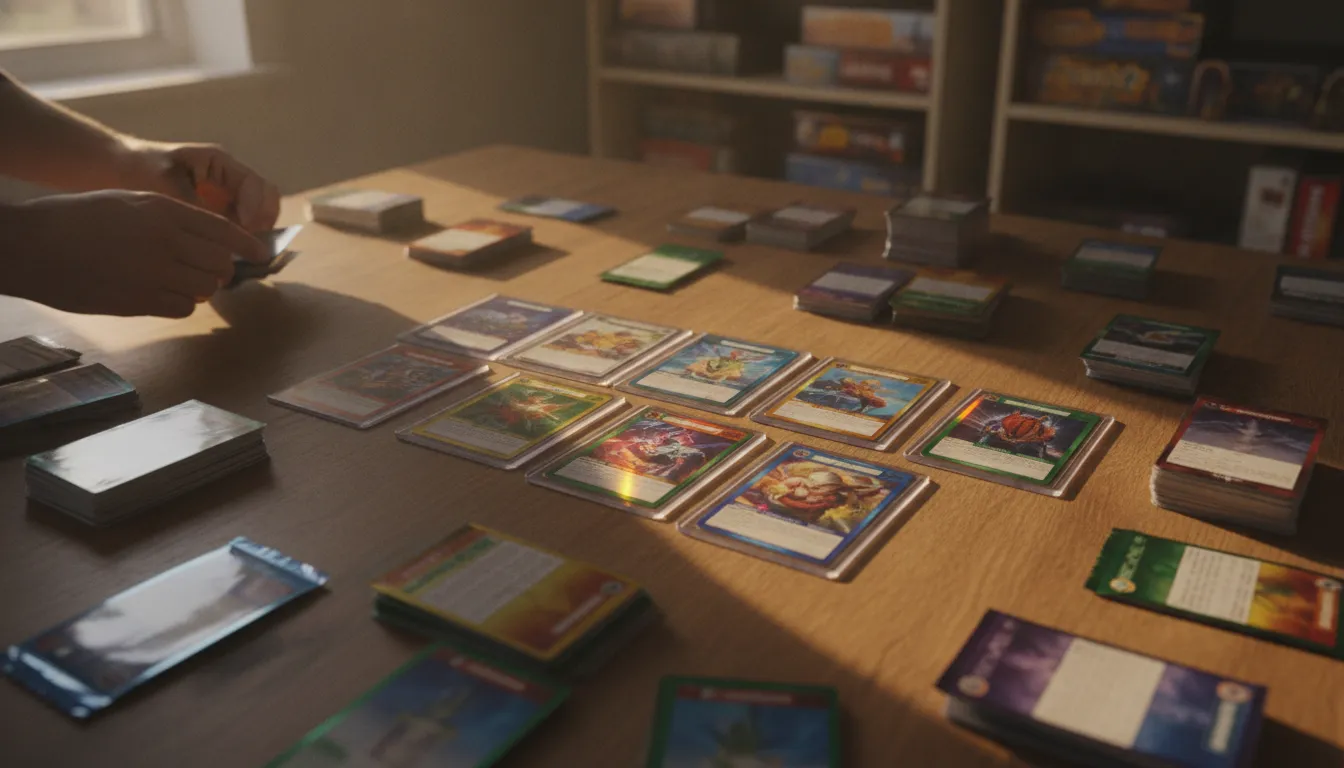
Pokemon collecting in 2026 is moving on several tracks at once. Recent price increases, changing play formats, renewed attention from digital collecting, and a growing supply of graded cards are all shaping what feels scarce, affordable, or worth watching. That makes a mid-year check-in useful whether you are building a nostalgic vintage collection, chasing modern artwork, or deciding when to sell.
The clearest read on pokemon card market trends 2026 is that there is no single market. Vintage cards still draw strength from scarcity and nostalgia, while modern sets can move quickly when a chase card, rotation, or collector wave changes demand. Sealed products, grading populations, and transparent price checks matter just as much as the set name.
We will break down the signals collectors are following now, then turn them into practical ways to compare vintage and modern opportunities without treating collecting like guaranteed investing.
Start your Pokemon collection today on Packz
2026 Pokemon Card Market Trends Collectors Are Watching
The market is moving on several fronts at once. According to TCGplayer's May 2026 price analysis, Pokemon cards saw dramatic market-price increases over the previous 30 days. That does not mean every card is rising equally, but it does show how quickly demand, playability, and collector attention can change.
One major catalyst was the April 2026 rotation of cards from the G block out of the Standard format. Rotation removes older cards from the current competitive pool, which can shift demand toward newer decks and make recently playable cards worth watching. Competitive demand is only one influence, but it often creates a useful early signal for collectors tracking modern singles.
- Recent momentum: A broad group of Pokemon cards posted notable gains during the latest 30-day window.
- Format change: G block cards rotated out of Standard in April, reshaping competitive demand.
- Modern attention: Newer sets continue to draw buyers through playable cards, special artwork, and limited-feeling chase releases.
The size of the hobby also helps explain why individual price moves can attract so much attention. CardsNPacks estimates the Pokemon TCG ecosystem at about $2.7 billion annually in 2026, with 340% growth from 2019 through 2025. Those figures describe the wider ecosystem, not a guaranteed path for any individual card, but they point to a large and increasingly active collector base.
The broader trading-card category is expanding as well. Accio projects growth from $52.1 billion in 2026 to $90.2 billion by 2034, representing a 7.1% compound annual growth rate. Treat that projection as industry context rather than a promise. For collectors, the practical takeaway is to compare actual sales, condition, supply, and demand for each card instead of assuming that a rising category lifts everything with it.
- Watch behavior: Track sold prices and listing volume, not just optimistic asking prices.
- Separate signals: Competitive rotation, collector nostalgia, and sealed-product scarcity can move different parts of the market.
That mix of forces makes 2026 a market for informed collecting. The strongest decisions start with a specific card, a realistic reference price, and a clear reason for buying it.
How Vintage Pokemon Sets Are Holding Value in 2026
Vintage Pokemon cards still have something modern releases cannot easily reproduce: decades of nostalgia paired with genuine scarcity. That does not make every older card a safe purchase. But it does help explain why iconic sets continue to attract collectors even after the market's sharpest speculative cycles have cooled.
The price history is a useful reminder to stay selective. The vintage Pokemon price index tripled between January 2020 and February 2021 before correcting, according to Cards N Packs. Strong demand survived that correction, but short-term spikes should not be mistaken for a guaranteed path to profit.
Base Set: The Blue-Chip Tier
Base Set remains the clearest example of nostalgia, condition, and scarcity working together. A first-edition Base Set Charizard graded PSA 10 has sold for more than $400,000, while unlimited and lower-grade copies still command strong interest because they offer more accessible entry points for collectors. PSA 10 means the card received the grading company's top numerical grade, generally reflecting exceptional centering, corners, surface, and overall presentation.
Sealed Base Set product occupies an even narrower part of the market. Tcgrader reports that unopened Base Set booster boxes can be six-figure collectibles, while individual unopened packs have sold in the roughly $5,000 to $15,000 range. These prices reflect rarity and collector demand, not a promise that every sealed product will appreciate, so authentication and storage condition matter enormously.
Neo and EX Era Favorites
Collectors who want vintage exposure beyond Base Set often look to the Neo and EX eras. Neo-era holos carry strong character appeal, while Gold Star cards from 2004 through 2007 are frequently discussed as long-term holds. They combine difficult pull rates, distinctive artwork, and relatively limited surviving supply in high grade.
The practical takeaway is to focus on cards you would be happy to own if prices move sideways. Check centering, surface wear, whitening, and grading populations before paying a premium. Vintage can be a meaningful part of a collection in 2026, but condition, authenticity, and purchase price still matter more than age alone.
How Are Modern Sets Overperforming in 2026?
Modern Pokemon sets are moving for a different reason than vintage cards. Collectors are responding to playable characters, scarce artwork, and the excitement of completing large specialty subsets. That mix can create sharp price changes when attention concentrates on a few standout cards.
The Surging Sparks Wave
Surging Sparks has been one of the clearest examples of modern demand concentrating around special art rares. These cards combine recognizable Pokemon with visually distinctive artwork, making them appealing to both players and collectors who may never pursue an older set.
Recent TCGplayer data shows how quickly individual cards can move. Charmander 109/091 rose by $19.90 to a market price of $55.99, while Wiglett 206/198 gained $20.74 to reach $37.94. Pikachu SM98 also increased by $22.66. These are specific card movements, not a promise that every card in the set will follow the same path, but they show why modern releases deserve close attention.
The Wiglett move also illustrates a buyout. In plain terms, a buyout happens when buyers purchase an unusually large share of the available copies, reducing visible supply and pushing sellers toward higher prices. On April 24, the average number of Wiglett copies purchased per buyer rose from 1.2 to 5.2, a sign that concentrated buying, rather than broad demand alone, was influencing the market. TCGplayer's price report documents these movements.
Prismatic Evolutions Chase Cards
Prismatic Evolutions has drawn similar attention through its chase cards, the harder-to-find pulls that become the focus of set completion. The appeal is not simply rarity; strong character recognition, polished artwork, and the challenge of finding a particular card can keep collectors engaged after the initial release window.
Large specialty sets can amplify that effect. For context, Paldean Fates contains 164 Secret Rare cards, according to TCGplayer. A broad chase-card lineup gives collectors more targets, but it also means prices can vary widely between cards. Before buying, compare recent sales and distinguish genuine sustained interest from a short-lived supply squeeze.
For beginners, the practical lesson is to study the card, not just the set name. Look at recent transaction history, available copies, condition, and whether demand appears broad or driven by a small group of buyers. Modern cards can offer accessible entry points, but attention can shift quickly as new products arrive.
Vintage vs Modern: Where Should Collectors Focus in 2026?
There is no single right lane for every collector. Vintage and modern cards reward different reasons for collecting, so the better choice depends on whether you value established scarcity, active gameplay, artwork, or the flexibility to move in and out of a position.
Vintage cards, especially WOTC holos from the Wizards of the Coast era, remain the gold standard for long-term holds because supply is fixed and nostalgia continues to bring new collectors into the hobby. Modern cards can be more dynamic; playability, new releases, and chase art can create sharper price movements as attention shifts between sets.
| Factor | Vintage | Modern |
|---|---|---|
| Typical holding period. | Several years or longer. | Months to several years. |
| Main price driver. | Scarcity, condition, and nostalgia. | Gameplay, chase art, set demand, and release momentum. |
| Entry cost. | Often higher for iconic cards and sealed WOTC product. | Broad range, from accessible singles to premium chase cards. |
| Liquidity. | Strongest for recognizable cards in trusted condition. | Can be fast when a set or deck is popular, then cool quickly. |
| Risk profile. | Condition and authenticity risk, with slower price shifts. | Higher short-term volatility from supply, rotation, and hype. |
For vintage, focus on condition, provenance, and cards with a durable collector audience rather than chasing every old card. A graded card can make condition easier to evaluate. PSA means Professional Sports Authenticator, and a PSA 10 represents exceptionally strong centering, corners, and surface quality. Those details matter because buyers want consistency when comparing high-value vintage copies. See the broader market context in this 2026 guide to collectible Pokemon cards.
Modern is a better fit if you enjoy opening current sets, following the game, and tracking chase art as demand develops. You may see faster swings, but that also means more chances to reassess your collection as new releases change attention. Many collectors sensibly combine both: durable vintage pieces for a longer horizon, plus modern cards chosen because they genuinely enjoy the characters, artwork, or gameplay.
What Does Pokemon TCG Pocket Mean for Physical Card Prices?
Pokemon TCG Pocket has introduced millions of players to the familiar loop of opening packs, building collections, and chasing favorite cards in a convenient digital format. That experience does not make physical collecting obsolete. Instead, it can act as a low-friction entry point for people who later want cards they can own, display, trade, and hold in their hands.
Digital play can create new collectors
A new player may discover a favorite Pokemon through the app before learning about its physical sets, alternate artwork, scarcity, or graded examples. That path matters because collecting often starts with recognition and nostalgia, then grows into curiosity about the broader hobby. Someone who first enjoys a digital Charizard, Pikachu, or Eeveelution may eventually search for its physical counterparts and compare versions across different eras.
This spillover is especially relevant for high-end cards. TCG Pocket can renew attention around iconic characters, while physical supply for older cards remains limited. Increased interest does not automatically mean every related card will rise in price, but a larger collector audience can strengthen demand for scarce, attractive, and well-preserved examples.
What physical cards still provide
Digital cards are accessible and easy to use, but they do not provide the same form of ownership. A physical card can be authenticated, graded, displayed, traded through established marketplaces, or passed to another collector. Its condition also creates a distinct market. Centering, surface quality, corners, and edges can separate an ordinary copy from a premium graded example.
That tangible connection is part of why the two formats work well together. Digital play gives newcomers a way to learn the characters and mechanics without a large upfront collection. Physical cards then offer the history, craftsmanship, scarcity, and real-world community that an app cannot replicate.
For collectors, the practical takeaway is to watch behavior rather than assume a guaranteed price increase. Track which characters attract sustained attention, verify recent sales, and focus on cards with genuine appeal beyond a temporary burst of app-driven excitement.
Sealed Product Trends and Grading Population Growth
Sealed Pokemon product appeals to collectors because it preserves a moment in the hobby. An unopened Base Set booster box is a six-figure collectible, while individual Base Set packs have sold in the $5,000 to $15,000 range, according to tcgrader's market review. These prices reflect more than the cards inside. Scarcity, condition, provenance, and the nostalgia attached to opening an original product all influence demand.
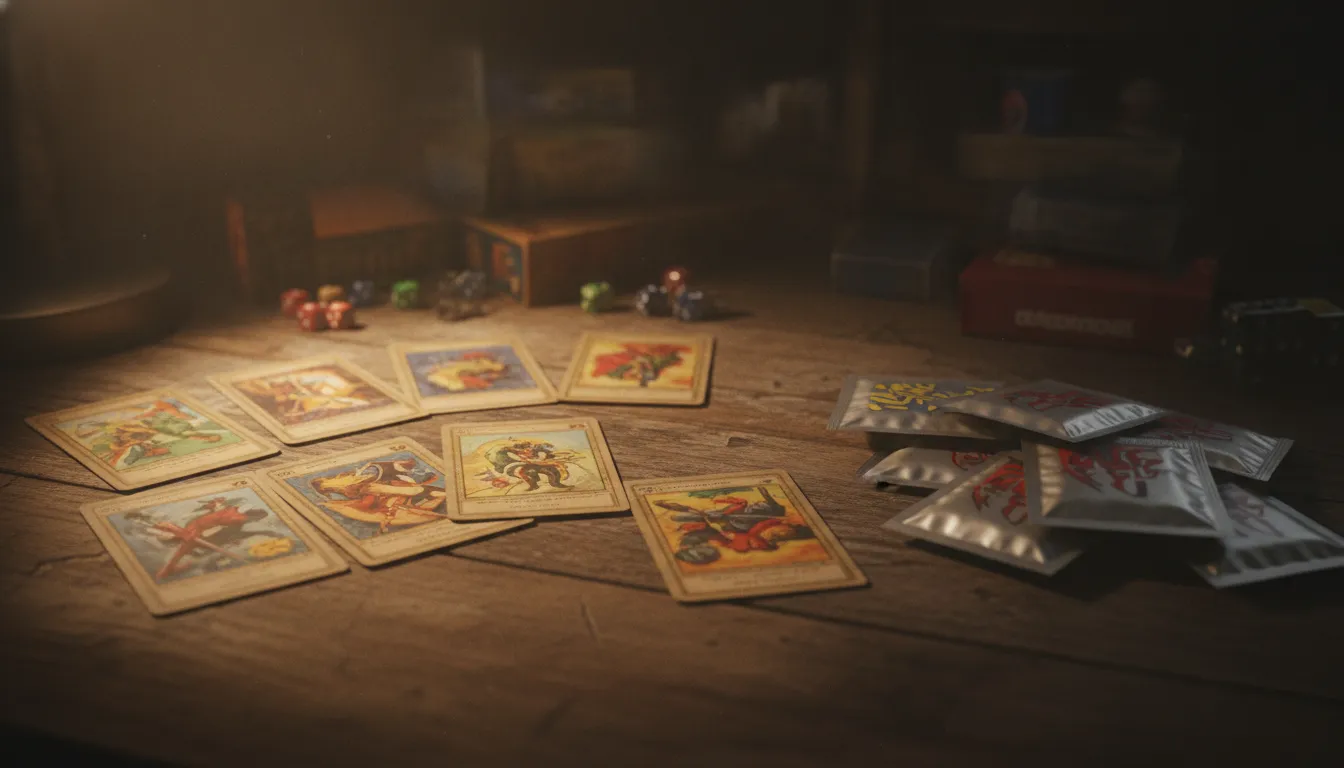
Modern sealed items require more patience. Print runs, reprints, set popularity, and the strength of the chase cards can all change the supply picture. A product that feels scarce at launch may become easier to find later. So collectors should compare recent sales and available inventory rather than treating every sealed box as equally rare.
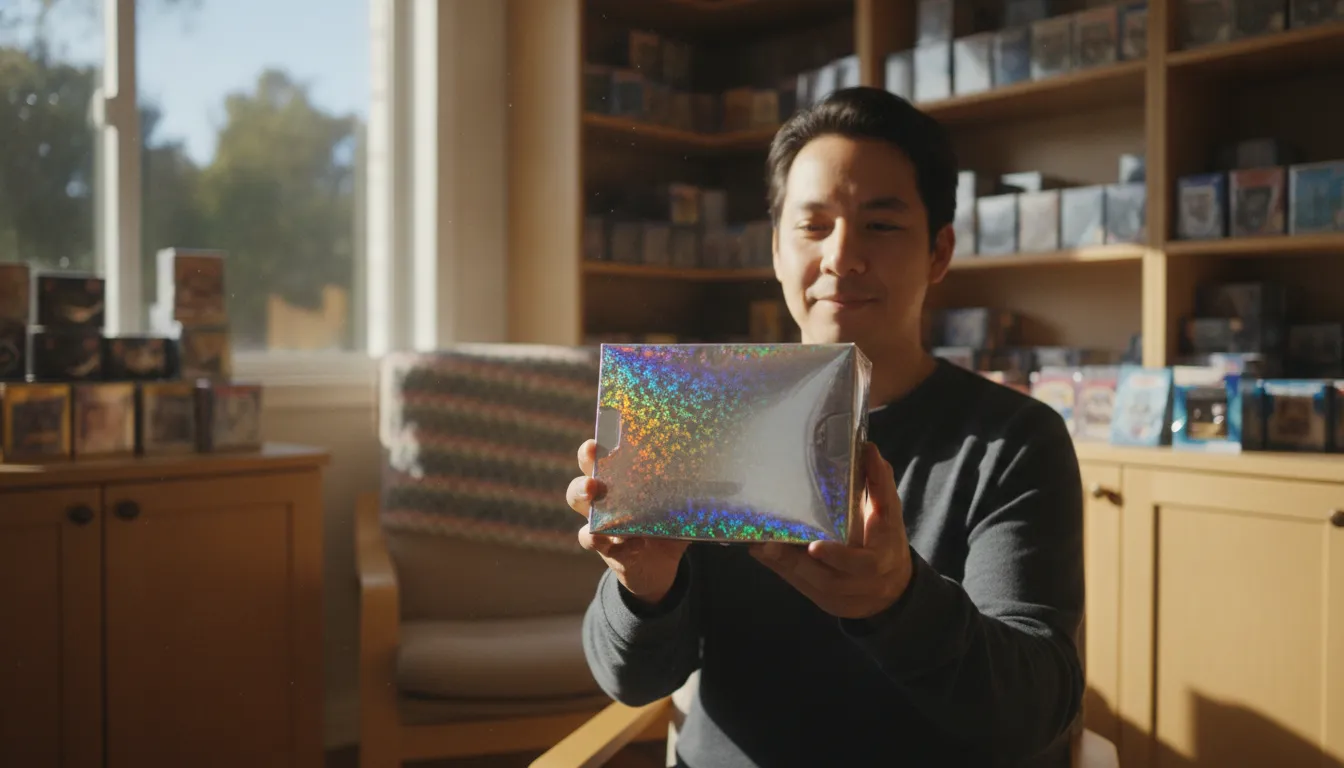
Why Grading Still Commands a Premium
Grading adds a standardized condition opinion and protects the card in a tamper-resistant holder. A PSA 10 represents the top condition tier: perfect centering, a flawless surface, sharp corners, and strong overall presentation. The grading process examines small defects closely, including print lines and surface scratches, so a visually appealing card is not automatically a PSA 10. Scarcity and condition of this kind are well documented in academic work on collectible markets, such as the study on demand for rarity in collectibles. That research helps explain why the highest grade is difficult to achieve.
Collectors also value consistency and easier resale. A recognized grade gives buyers a common reference point, while the holder makes condition easier to assess from a distance. That combination can improve secondary-market liquidity, especially for iconic cards with an established buyer base.
What PSA 10 Population Means for Prices
The population report matters because it shows how many copies have received a particular grade. As more cards are submitted and more PSA 10 copies enter the market, scarcity can dilute and the premium over lower grades may narrow. That does not make every graded card less desirable. A genuinely scarce card, a popular character, or an especially low population can continue to command a premium when demand remains strong.
The Pikachu Illustrator PSA 10 illustrates the extreme top end, with market references placing it at $350,000 or more. It is an exceptional example, not a baseline for ordinary graded cards. For practical comparisons and accurate Pokemon card values, check recent completed sales, the grade population, and the card's actual condition instead of relying on a headline price.
How to Buy and Sell Pokemon Cards in the 2026 Market
Buying or selling well starts with a clear view of current market value. Check the card or product on TCGPlayer, compare historical pricing on PriceCharting, and review completed eBay listings rather than relying on active asking prices. Those three references help you separate a realistic transaction range from a hopeful listing.
Condition, language, edition, grading, and timing can all change the value of a card. For a broader walkthrough, use this card pricing guide, then record the source and date of each comparison. That small habit makes it easier to revisit a decision when a new set releases, a tournament changes demand, or a collector community shifts its attention.
Buy With Value You Can See
That approach works well for collectors who want a defined budget and a straightforward way to add cards to a collection. If you are comparing purchase options, this guide on where to buy Pokemon cards can help you evaluate sellers, product formats, and fulfillment choices.
A Simple Sell Checklist
- Identify the exact card. Confirm the set, card number, condition, language, and grading company before checking prices.
- Build a current range. Compare TCGPlayer, PriceCharting, and completed eBay sales, giving the most weight to recent sales of genuinely comparable copies.
- Choose your fulfillment path. Physical fulfillment gives you a shipped card for your collection. Digital fulfillment provides the card value digitally at full market value, which can be useful when speed and convenience matter.
- Keep liquidity in mind. Packz offers a 100% instant buyback in store credit. That option gives you a clear way to turn a card into buying power when you want to shift your collection or respond to changing demand.
Use the buyback as a liquidity tool, not a promise of future returns. Check the current terms, keep your price references handy, and choose the format that best matches whether your priority is collecting, trading, or maintaining flexible purchasing power.
Shop Pokemon mystery packs on Packz today
Frequently Asked Questions
Is 2026 a good year to collect vintage Pokemon cards?
Vintage can make sense for collectors who value scarcity, nostalgia, and established demand, especially with iconic WOTC holos. Treat it as a collecting decision rather than a guaranteed investment. Compare condition, authenticity, recent sales, and your holding horizon before buying, because past performance does not predict future prices.
How does Pokemon TCG Pocket affect physical card demand?
TCG Pocket can introduce more people to Pokemon collecting and renew interest in physical cards. That attention may support demand for recognizable or high-end cards, but the effect is not automatic. Use the app as a signal of engagement, then evaluate the physical card's scarcity, condition, and recent market activity on its own.
Will Pokemon card prices crash in 2026?
No one can predict a crash with certainty. Corrections can happen when hype fades, supply increases, or buyers move to a new set, so avoid assuming that every recent price jump will hold. A measured approach is to spread purchases across cards you genuinely want, verify completed sales, and avoid paying solely because a card is trending.
What is the best way to sell a Pokemon card collection?
Separate high-value singles, sealed products, and lower-value bulk before listing anything. Check TCGPlayer, PriceCharting, and completed eBay listings for comparable sales, then photograph condition clearly and describe flaws honestly. For valuable cards, grading may improve buyer confidence, but fees and turnaround time should fit the card's likely selling price.
Shop Pokemon Packs on Packz
Recommended Reading
Cash for Graded Sports Cards: The Fastest Ways to Sell
Get cash for graded sports cards faster. Compare auction houses, marketplaces, and instant buyback options to pick the route that fits your timeline.
How to Compare Value in Sports Card Packs
Learn how to compare sports card packs using card quality, available pulls, pricing clarity, and Packz’s 100% buyback option.
How to Buy Pokemon Packs Online for Ripping
Ready to buy pokemon packs online for ripping? Get transparent pack value and clear pull odds so you never overpay for the thrill of the hunt. Start collecting safely.