
April 13, 2026
What Are Pokémon Alt Art Cards? A Full Guide
Learn what makes Pokémon alt art cards unique, how to spot them, and why collectors value these special cards for their artwork and rarity.
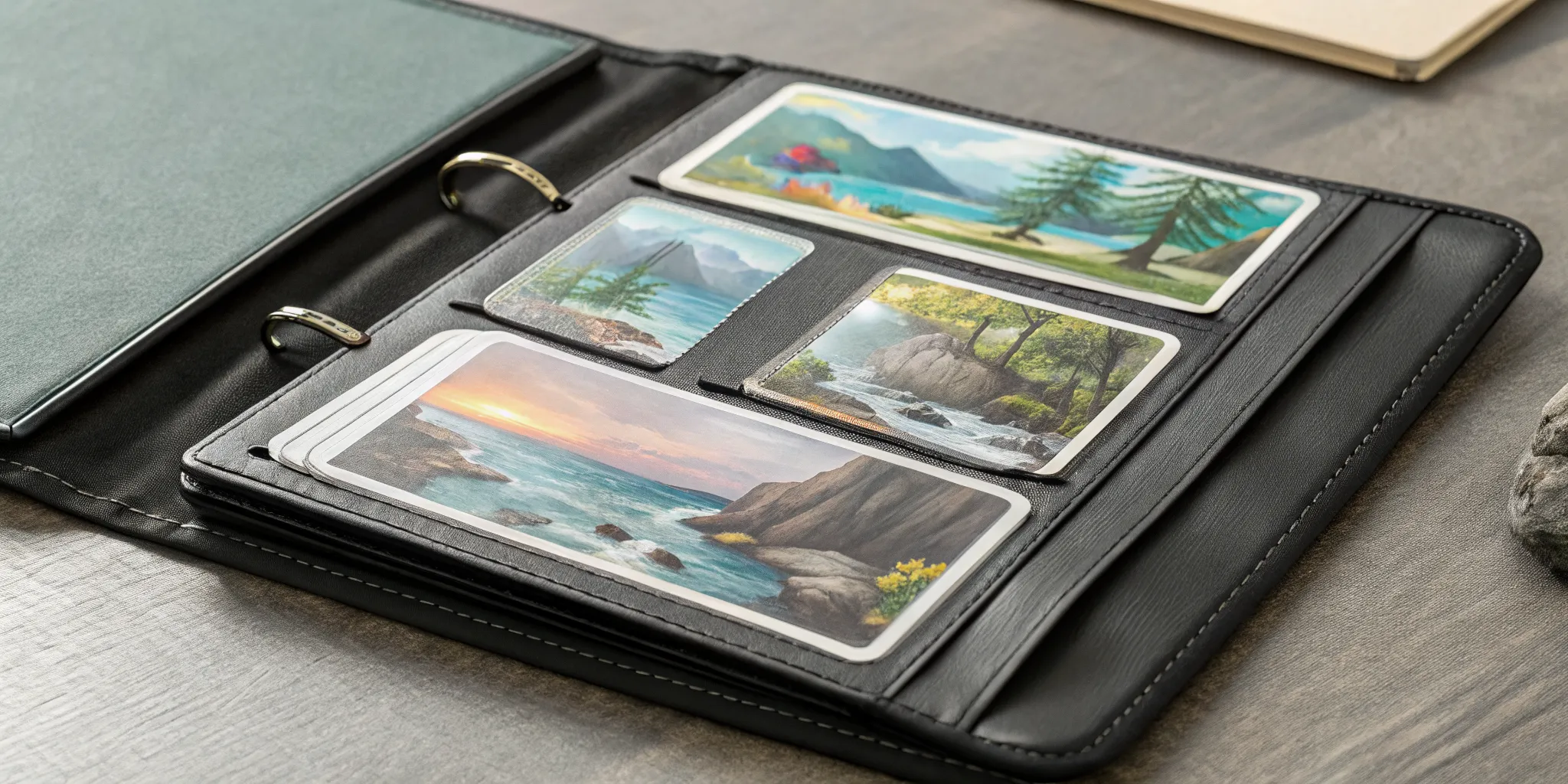
There’s no feeling quite like pulling an ultra-rare card from a booster pack. It’s the thrill that keeps us collecting. In the modern era of the Pokémon TCG, the ultimate "chase" card is almost always an alt art. These cards feature stunning, full-card illustrations that feel more like miniature masterpieces than game pieces. They tell a story and showcase our favorite Pokémon in ways we’ve never seen before. This guide is for anyone who wants to understand the hype. We’ll explore why Pokémon alt art cards are so valuable, which ones are considered the holy grails, and how to identify these treasures in your own collection.
Key Takeaways
- Look for the story in the art: The main giveaway of an Alt Art is its unique, scene-based illustration that tells a story, unlike a standard card's simple pose. To confirm, check if the card's collector number at the bottom is higher than the official set number, a key sign of a rare find.
- Condition directly impacts value: A card's price is heavily dependent on its physical state, so always inspect for edge whitening, scratches, or corner damage. For serious investments, professionally graded cards provide a reliable measure of quality and worth.
- Build your collection with a plan: Create a more focused and rewarding collection by deciding what you want to collect, such as a specific Pokémon or artist, and setting a budget. Properly protecting your cards in sleeves and binders is essential for preserving their condition and value over time.
What Are Pokémon Alt Art Cards?
If you’ve spent any time in the Pokémon card community, you’ve probably heard collectors buzzing about "Alt Arts." So, what are they? Simply put, Pokémon Alt Art cards are special versions of standard Pokémon cards that feature completely different, and often more elaborate, artwork. Think of them as a reimagining of a card you might already know. Instead of the usual static pose, an Alt Art card might show a Pokémon in its natural habitat, interacting with other characters, or captured in a unique, story-driven scene.
These cards have become some of the most sought-after items in the Pokémon Trading Card Game, especially since their surge in popularity during the Sword & Shield era. Collectors love them not just for their rarity, but for their incredible artistic value. Each one is like a miniature masterpiece, offering a fresh perspective on a beloved Pokémon. While newer sets officially refer to them as "Special Art Rares," the community has stuck with the "Alt Art" nickname. They represent a perfect blend of collectibility and artistry, making them a primary target for anyone looking to find the most beautiful and valuable cards in a set.
Alt Art vs. Regular Cards: What's the Difference?
At first glance, the most obvious difference between an Alt Art and a regular card is the illustration. While a standard card features the Pokémon’s typical design, an Alt Art presents a completely new artistic take. What’s important to know is that the gameplay information, like the Pokémon’s HP, attacks, and abilities, remains exactly the same. You could play with either version in a deck.
The real distinction for collectors lies in their rarity and identification. Alt Arts are often secret rare cards#Secret_Rare_cards), meaning their card number exceeds the official set number (for example, 215/203). This immediately signals that you’re holding something special. This unique numbering, combined with the distinct, full-card artwork, is what sets them apart from their regular counterparts.
A Look at Different Alt Art Styles
The beauty of Alt Art cards is the sheer variety of their artistic styles. Unlike Full Art cards, which typically show a Pokémon against a simple, textured background, Alt Arts tell a story. The artwork often extends beyond the Pokémon itself to create a detailed scene. You might see a Snorlax sleeping in a forest, a Charizard locked in an epic battle, or an Eevee playing with its fellow Eeveelutions.
These illustrations are created by a range of talented artists, each bringing their unique vision to the Pokémon world. Some styles are painterly and soft, while others are sharp and dynamic, resembling a frame from an anime. This diversity is a huge part of their appeal, as it allows collectors to find cards that showcase their favorite Pokémon in a style they truly love.
How to Spot a Pokémon Alt Art Card
So, you've got a stack of cards and you're wondering if you've hit the jackpot with an alternate art card. It can be tricky at first, since they share some similarities with other rare cards. But once you know what to look for, spotting them becomes much easier. It really comes down to paying attention to a few key details: the artwork itself, the numbers at the bottom of the card, and its rarity. Let's break down exactly how you can identify these special cards and separate them from the rest of your collection.
Key Visuals and Design Cues
The most obvious giveaway of an alt art card is, well, the art. Unlike a standard card, an alt art features a completely unique illustration. Think of it as a special commission. The Pokémon is usually shown in a dynamic, story-driven scene with a detailed background, almost like a snapshot from its life. This is different from a typical "full art" card, which might just show the Pokémon against a simple, textured, or colorful backdrop. The artistic storytelling is what makes alt arts stand out and feel so special to collectors.
Check the Card Number and Set Symbol
Next, flip your eyes to the bottom corner of the card to check the collector number. Many alt arts are considered "secret rares," which means their number is higher than the official number of cards in the set. For example, you might see something like 215/203. That's a dead giveaway. However, not all alt arts are secret rares. Some have a number that fits within the set's main count. That's why it's a good idea to cross-reference the number with the set symbol and look up a visual set list online to confirm if you've found one of these coveted cards.
Understand the Rarity Indicators
Finally, it helps to understand where alt arts fit in the rarity hierarchy. These cards are notoriously difficult to pull from a booster pack, which is a huge part of their appeal. One point of confusion for new collectors is the difference between "full art" and "alt art." Here’s the simple rule: all alt arts are full art cards (meaning the illustration covers the entire card), but not all full art cards are alt arts. Knowing this distinction is key, as it separates a cool-looking card from a truly rare and valuable find. The unique art style we talked about earlier is the main differentiator.
Why Are Alt Art Cards So Valuable?
The high price tags on alt art cards aren't random. They're a direct result of a perfect storm of incredible art, intense collector demand, and genuine rarity. Unlike standard cards, alt arts are designed from the ground up to be showpieces. They combine several key factors that make them some of the most sought-after cards in the entire Pokémon TCG, turning a lucky pack opening into a major event. Let's look at what makes these cards so special.
Unique Artwork and Collector Demand
At its core, the appeal of an alt art card is its stunning, one-of-a-kind illustration. These aren't just slight variations of standard card art. They are full-art masterpieces that often show Pokémon in unique scenes, interacting with their environment, or telling a small story. This artistic detail creates a strong emotional connection for collectors. People don't just want the Pokémon; they want that specific, beautiful piece of art. This high collector demand for what are essentially miniature art prints is the foundation of their value.
Limited Print Runs and Scarcity
Alt art cards are intentionally difficult to find. They have incredibly low pull rates, so your chances of finding one in a booster pack are slim. It can take opening hundreds of packs to find a specific alt art, and even then, it's not guaranteed. The Pokémon Company creates this scarcity on purpose to make these cards feel like true treasures. This rarity is a classic driver of value in any collectibles market. The harder a card is to get, the more people are willing to pay for it. This "chase" element makes finally pulling an alt art an unforgettable experience.
Their Potential as an Investment
Because of their beautiful designs and scarcity, many alt art cards have become solid investments. Their value often increases over time, especially for cards featuring popular Pokémon. The Eeveelution family, for example, has some of the most valuable alt arts, with the Umbreon VMAX from Evolving Skies being a standout. This card and others like it have seen their prices climb steadily since release. For collectors mindful of long-term value, tracking the market prices of alt-art cards is a key part of the hobby, turning a fun collection into a potentially valuable asset.
The Best Alt Art Pokémon Cards to Collect
Deciding which alt art cards to collect is a personal journey, but some cards have earned a special place in the hearts of collectors for their stunning artwork, rarity, and market value. These cards aren't just pieces of a game; they are miniature masterpieces that capture the essence of the Pokémon world. Whether you're drawn to iconic fan favorites or the dynamic scenes featuring beloved trainers, there's an alt art out there that will be the centerpiece of your collection.
We've put together a list of some of the most sought-after alt art cards across different categories. These selections are based on their popularity, artistic merit, and overall impact on the collecting community. Think of this as a starting point to help you discover which cards you connect with the most. From fiery dragons to legendary beasts, these are the alt arts that consistently get collectors talking.
High-Value Charizard Alt Arts
It’s no surprise that Charizard, one of the original superstars of the Pokémon world, has some of the most coveted alt art cards. The Charizard V from the Brilliant Stars set is a prime example. The artwork depicts a fierce battle between Charizard and Venusaur, a nostalgic nod to the original games and anime. This card is celebrated for its dynamic composition and vibrant colors. Another classic is the Charizard VMAX from Shining Fates, which showcases its Gigantamax form in a powerful and intimidating pose. These cards are cornerstones for any serious collector due to Charizard's enduring legacy and popularity.
Must-Have Umbreon and Eeveelution Cards
The "Eeveelutions" have always been fan favorites, and their alt art cards are some of the most valuable in the entire trading card game. Topping the list is the Umbreon VMAX from Evolving Skies. This card, featuring Umbreon reaching for the moon from a bell tower, is widely considered the holy grail of modern alt arts. Its beautiful, moody artwork and scarcity have driven its value to incredible heights. Other Eeveelutions from the same set, like the Rayquaza VMAX and Sylveon VMAX, are also highly prized. The Evolving Skies set is famous for its incredible lineup of alternate-art cards, making it a favorite among pack openers.
Legendary and Mythical Pokémon Alt Arts
Legendary and Mythical Pokémon often get breathtaking alt art treatments that reflect their epic status. The Giratina V from Lost Origin is a standout, with intricate and surreal artwork by Shinji Kanda that looks like something from a storybook. The card's unique style captures Giratina's connection to the Distortion World perfectly. Another top-tier card is the Lugia V from Silver Tempest, which shows the legendary bird emerging from a stormy sea as a fisherman looks on in awe. These cards are special because they tell a story, offering a detailed and eye-catching scene that goes beyond a simple character portrait.
Popular Trainer and Character Alt Arts
Some of the most compelling alt arts feature Pokémon alongside their trainers, creating a scene full of personality and action. These cards, often called Character Rares or Trainer Gallery cards, resonate deeply with fans who love the bond between humans and Pokémon. A great example is the Garchomp ex Special Illustration Rare from Paradox Rift, which features the popular champion Cynthia in a stadium with her ace Pokémon. Another fan favorite is the Lillie's Full Force card from Cosmic Eclipse, which features the character Lillie with her Clefairy. These cards celebrate the rich lore) of the Pokémon universe and are essential for collectors who appreciate storytelling.
How to Value an Alt Art Card
Figuring out what an alt art card is worth can feel like a puzzle, but it's easier than you think once you know what to look for. The price isn't just about the Pokémon on the card; it's a combination of its physical condition, how many people want it, and how hard it is to find. By looking at these three key areas, you can get a solid idea of a card's market value and make smarter decisions for your collection.
How Grading and Condition Affect Price
A card's physical condition is one of the biggest factors in its value. A pristine, pack-fresh card will always be worth more than one with whitening on the edges, surface scratches, or bent corners. This is where professional grading comes in. Companies like PSA and Beckett assess cards on a scale (usually 1 to 10), and a high grade can dramatically increase a card's price. Even for ungraded or "raw" cards, collectors use terms like Near Mint (NM) or Lightly Played (LP) to describe their condition. Always inspect a card closely, as even minor imperfections can impact its final sale price. A guide to card conditions can help you learn what to look for.
Gauging Market Demand and Popularity
Like any collectible, alt art prices are driven by supply and demand. A card's value skyrockets when a lot of people want it and there aren't many to go around. Popularity plays a huge role here. Pokémon with a massive fanbase, like Charizard or the Eeveelutions, tend to have the most valuable alt arts. For example, the Umbreon VMAX from Evolving Skies is famously one of the most expensive alt-art Pokémon cards because of its stunning art and the character's immense popularity. Keep an eye on which Pokémon and artists are trending in the community, as this directly influences market prices.
The Importance of Rarity and Set
Rarity is what makes alt arts special in the first place. These cards are much harder to pull from a pack than a standard card. You can often identify them as "secret rares" by looking at the card number. If the number on the bottom left (e.g., 215/203) is higher than the official set count, you've got a secret rare on your hands. The set a card comes from also matters. Sets like Evolving Skies are famous for being loaded with incredible alt arts, making the individual cards highly sought after. Their unique and detailed artwork sets them apart, making them a prize for any collector.
Where to Find Authentic Alt Art Cards
Once you know which Alt Art cards you want to add to your collection, the next step is the hunt. Finding authentic, high-quality cards is key, and knowing where to look can save you a lot of time and potential headaches. Whether you prefer browsing online from your couch or digging through bins at a local shop, there are plenty of reliable places to find your next prized possession. The trick is to use trusted sources and know how to verify that what you're buying is the real deal.
Trusted Online Marketplaces
Your search for that perfect Alt Art card will likely start online, where the selection is massive. A great place to begin is TCGplayer, a marketplace built specifically for trading card game collectors. It’s a go-to for comparing prices from different sellers and finding exactly what you need. Another excellent option is eBay, which has a huge inventory of Alt Art Pokémon cards from sellers all over the world. You can often find some great deals and rare listings that don't pop up anywhere else. Just be sure to check seller ratings and read descriptions carefully before you commit.
Local Card Shops and Trading Events
Don't underestimate the power of searching offline. Your local card shop is more than just a store; it's a community hub where you can find hidden gems and get expert advice. The owners and staff are usually passionate collectors themselves and can help you track down specific cards. Many shops also host trading events, which are fantastic opportunities to meet other collectors, swap cards, and maybe even find someone willing to part with a rare Alt Art from their binder. Building these local connections can make the hobby even more rewarding and help you learn from seasoned pros.
Tips for Verifying Quality and Authenticity
When you're ready to buy, especially online, making sure the card is legitimate is crucial. On platforms like eBay, look for listings that offer an Authenticity Guarantee, which provides an extra layer of protection for your purchase. For your own verification, you can use online databases like Pokellector.com or download the free TCG Player app to get high-quality images of cards. This allows you to compare the card you're looking at side-by-side with a confirmed authentic version to check for any discrepancies in color, font, or texture.
What to Look for When Buying Alt Art Cards
So, you’ve got your eye on a stunning alt art card. Before you add it to your cart, it’s important to do your homework. The trading card market is exciting, but it pays to be a savvy buyer. Knowing how to verify a card's authenticity, assess its condition, and spot potential red flags will help you build a collection you can be proud of. Taking a few extra minutes to check the details can save you from disappointment and ensure you’re getting exactly what you paid for.
How to Verify a Card's Authenticity
First things first: make sure the card is real. The popularity of Pokémon cards has unfortunately led to a rise in counterfeits. When you're buying online, look for sellers who offer an authenticity guarantee. This is a good first line of defense, as it means the marketplace has a process for verifying items.
Beyond guarantees, learn to trust your own eyes. Ask the seller for high-resolution photos of the front and back of the card. Pay close attention to the font, the colors, and the texture. Real Pokémon cards have a specific look and feel that fakes often fail to replicate. A great way to practice is to compare the listing to a card you know is authentic.
Guidelines for Assessing Card Condition
A card’s condition is one of the biggest factors in its value. Most alt art cards you find for sale will be listed as "Used," but this can mean anything from near-perfect to heavily played. Your goal is to figure out exactly where on that spectrum the card falls. Look for any whitening on the edges, scratches on the holographic art, or corner wear.
For high-value cards, professional grading is the gold standard. Companies like PSA encase cards in a protective slab and assign them a grade from 1 to 10. A PSA 10 is considered gem mint and is highly sought after by collectors. Understanding the card grading scale will help you make a more informed decision about what you're willing to pay.
Red Flags to Watch Out For
When you’re evaluating an alt art card, knowing its unique characteristics can help you spot fakes. Many alt arts are also "secret rares," which means their card number is higher than the official number in the set (for example, 215/203). You can easily verify a card’s number using an online database. If the number doesn't match the known secret rares for that set, that's a major red flag.
Another common feature of alt arts is artwork that extends beyond the usual yellow border. Fakes might get the art right but miss these subtle details. Be wary of sellers using stock photos or providing blurry images. And as always, if a price seems too good to be true, it probably is.
Are Alt Art Cards a Good Investment?
So, you’ve got your eye on a few Alt Art cards and you’re wondering if they’re more than just pretty cardboard. It’s the big question on every collector’s mind: are these cards a smart place to put your money? While no one has a crystal ball, the market for Alt Arts has shown some seriously impressive growth, making them a hot topic for both collectors and investors.
Unlike standard cards, Alt Arts have a unique combination of stunning artwork, scarcity, and high collector demand that gives them strong potential for long-term value. But it’s not as simple as just buying any Alt Art and waiting for its price to climb. Understanding the market trends and the specific factors that make a card valuable is key to making a good investment. Let’s get into what makes these cards tick.
Analyzing Market Trends and Price History
Looking at market history, it's clear that Alt Arts aren't just another card type. They are special versions of regular cards with unique, eye-catching artwork that can seriously increase their value over time, especially when they feature fan-favorite Pokémon. The trend is pretty consistent: when a set releases with sought-after Alt Arts, their prices often start strong and appreciate as the set goes out of print and supply dwindles. By tracking the price history of cards from popular sets, you can get a feel for how the market reacts and identify patterns that might point to future growth in newer cards.
Factors That Influence Long-Term Value
So what drives that value? It really comes down to a perfect storm of rarity and desirability. Alt Arts are notoriously hard to pull from packs, and many are also secret rares, meaning their card number is higher than the official set count. This built-in scarcity immediately makes them more valuable. Combine that with unique designs that many collectors feel represent the best artwork in the entire Pokémon TCG, and you have a recipe for high demand. The Pokémon featured on the card is also a huge factor. The Eeveelutions, for example, have dominated the high-end market, with the Umbreon VMAX from Evolving Skies often cited as one of the most expensive alternate-art cards available.
Essential Tips for Alt Art Collectors
Once you start collecting alt arts, it's easy to get hooked. The thrill of finding a card with stunning artwork is a huge part of the fun. To make your collecting journey more rewarding and less stressful, it helps to have a game plan. Here are a few essential tips to keep in mind as you build a collection you're proud of.
Create a Strategy for Your Collection
Having a clear focus will help you build a more cohesive and meaningful collection. Alt Art Pokémon TCG cards are special versions of regular cards with unique, detailed, and eye-catching artwork. Let that art guide you. Do you want to collect every Eeveelution alt art? Or maybe focus on cards illustrated by your favorite artist? You could also try to complete a specific set, like the popular Evolving Skies.
Deciding on a goal helps you prioritize your purchases and avoid impulse buys. It’s also smart to set a monthly or quarterly budget to keep the hobby enjoyable without breaking the bank. A good collecting strategy keeps you on track and makes every new addition feel like a real accomplishment.
Store and Protect Your Cards Properly
Your collection is an investment of both time and money, so protecting it is key. The moment you get a valuable card, you should place it in a soft penny sleeve and then into a rigid top loader or a semi-rigid card saver for protection. For long-term storage, use high-quality binders with side-loading pages to keep out dust and prevent corner damage.
It's also worth noting that many collectors prefer Japanese cards because they often have better print quality. According to MiraJ Trading, Japanese cards can feel smoother and have deeper colors, making them even more important to protect. Whatever you collect, keep your cards in a cool, dry place away from direct sunlight to prevent fading and warping.
Common Collecting Mistakes to Avoid
As you get deeper into the hobby, you’ll want to sidestep a few common pitfalls. First, get familiar with the lingo. As one collector on Reddit noted, the terminology can be tricky; terms like "full art," "secret rare," and "Trainer Gallery" can be confusing for newcomers. Understanding these distinctions will help you know exactly what you’re buying.
Another mistake is not carefully inspecting a card's condition before purchasing, especially from an individual seller. Always ask for clear, high-resolution photos of the front and back. Finally, try not to get swept up in market hype. Stick to your collection strategy and budget. Chasing every hot card can lead to burnout, so focus on collecting what you truly love.
Related Articles
Frequently Asked Questions
What's the real difference between a "Full Art" and an "Alt Art" card? This is a great question because it can be confusing. Think of it this way: all Alt Arts are Full Art cards, but not all Full Arts are Alt Arts. A Full Art card simply has artwork that covers the entire card surface, often showing a Pokémon against a simple, colorful background. An Alt Art, however, takes it a step further by featuring a completely unique illustration that tells a story, placing the Pokémon in a detailed scene or a dynamic situation. The artistic storytelling is what truly sets an Alt Art apart.
Are all Alt Arts secret rare cards? Not necessarily, though many of them are. A lot of the most popular Alt Arts have a card number that is higher than the official set number (like 215/203), which marks them as secret rares. However, some sets include Alt Arts within the main set numbering. The most reliable way to identify one isn't just by the number, but by its distinctive, scene-based artwork that differs completely from the regular version of that card.
Why is a card like the Umbreon VMAX so much more expensive than other Alt Arts? The massive price tag on a card like the Umbreon VMAX from Evolving Skies comes from a perfect combination of factors. First, Umbreon is an incredibly popular Pokémon with a huge fanbase. Second, the artwork is widely considered one of the most beautiful in the entire game. Finally, it's extremely difficult to pull from a pack, making it exceptionally rare. When you mix high demand with very low supply, you get a card that becomes a holy grail for collectors.
Do I have to get my Alt Art cards professionally graded? You definitely don't have to, especially if you're collecting just for the love of the art. However, if you're thinking about the card's long-term value or plan to sell it one day, grading is a smart move. A professional grade from a company like PSA authenticates the card and assigns it a condition score. A high grade can significantly increase a card's market price and makes it easier to sell.
Which Pokémon sets are known for having the best Alt Arts? If you're looking to hunt for Alt Arts, the Sword & Shield series is your best bet. The set that collectors talk about most is Evolving Skies, which is packed with stunning cards featuring the Eeveelutions and other fan favorites. Other fantastic sets from that era include Brilliant Stars, Lost Origin, and Silver Tempest. These are all known for their beautiful artwork and valuable chase cards.
Recommended Reading
Cash for Graded Sports Cards: The Fastest Ways to Sell
Get cash for graded sports cards faster. Compare auction houses, marketplaces, and instant buyback options to pick the route that fits your timeline.
How to Compare Value in Sports Card Packs
Learn how to compare sports card packs using card quality, available pulls, pricing clarity, and Packz’s 100% buyback option.

How to Buy Pokemon Packs Online for Ripping
Ready to buy pokemon packs online for ripping? Get transparent pack value and clear pull odds so you never overpay for the thrill of the hunt. Start collecting safely.