
March 4, 2026
5. Paradox Rift Chase Cards: The Ultimate List
Find out which Paradox Rift chase cards are the most valuable and sought-after. Get tips on collecting, card values, and protecting your collection.
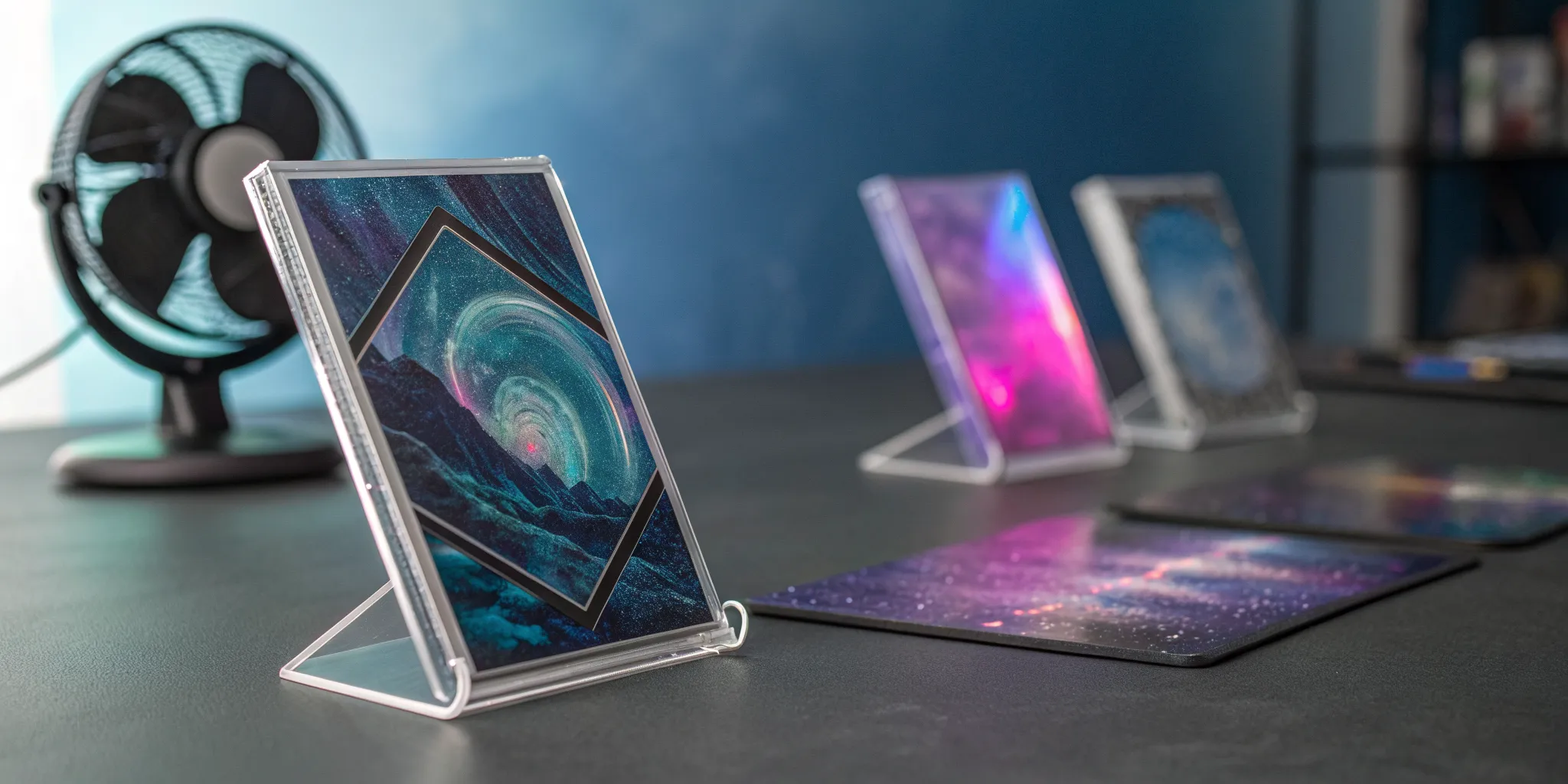
Not all Pokémon cards are created equal. While every card has its place, some are destined for greatness, becoming legends within the collector community. These are the chase cards, the ones that command high prices and even higher bragging rights. In the Paradox Rift set, a few key cards have risen above the rest, becoming the targets of a worldwide hunt. But what makes them so special? It’s a perfect storm of rarity, breathtaking artwork, and usefulness in competitive play. Understanding these factors is the key to building a valuable collection. Here, we’ll break down the most wanted paradox rift chase cards and explore why they're worth your attention.
Key Takeaways
- Know what makes a card a chase card: A card's value comes from a mix of its rarity, artwork, and power in the game. Use online price guides to check its current market worth, and remember that professional grading can significantly increase its value.
- Prioritize proper card care from day one: To maintain a card's condition, sleeve it immediately after opening a pack. Always handle cards by their edges and store your collection in a cool, dry place away from sunlight to prevent fading and warping.
- Develop a smart collecting strategy: Decide if you are holding cards for long-term growth or looking for quick sales. A smart approach involves diversifying your collection across different cards and using market data to make informed buying and selling decisions.
What Is a Chase Card in Pokémon Paradox Rift?
If you’ve spent any time in the trading card community, you’ve heard the term “chase card.” It’s the card everyone talks about, the one you dream of pulling every time you open a new pack. In the Paradox Rift set, these are the cards that create a buzz and send collectors into a frenzy. They represent the pinnacle of the set, combining rarity, stunning visuals, and sometimes, a serious advantage in gameplay. Understanding what makes a chase card is the first step in knowing what to look for as you build your collection. These are the treasures of the set, and the hunt for them is what makes collecting so exciting.
The Definition of a "Chase Card"
So, what exactly is a chase card? Think of it as the most sought-after card in any given Pokémon set. It’s the one that stands out from the rest because of its extreme rarity, unique artwork, or powerful abilities that make it a game-changer in competitive play. These aren't your average cards; they are the crown jewels. When a new set like Paradox Rift is released, the community quickly identifies which cards are the "chase," and these become the ultimate prize for anyone opening packs. They are called chase cards for a reason: finding one feels like a thrilling pursuit.
Why These Cards Are a Collector's Dream
Chase cards are the ultimate goal for collectors for several reasons. First, they often feature breathtaking, full-card artwork of popular Pokémon, making them incredible display pieces. Beyond their beauty, their scarcity makes them highly desirable. The thrill of owning something that few others have is a huge part of the appeal. These cards are more than just game pieces; they are a piece of Pokémon history and their value can grow over time, making them a smart addition to any collection. The excitement of finally pulling a chase card after opening multiple packs is a feeling that keeps collectors coming back for more.
The Top 5 Paradox Rift Cards to Hunt For
Alright, let's get to the good stuff. Every Pokémon TCG set has those few cards that everyone is scrambling to find, and Paradox Rift is no exception. These are the cards that make your heart pound a little faster when you see that tell-tale shimmer in a pack. They're a perfect storm of stunning artwork, game-changing power, and pure rarity that makes them the ultimate prizes. The Paradox Rift set introduced some incredible Ancient and Future Pokémon, and the chase cards perfectly capture this exciting new dynamic.
Whether you're a competitive player looking for an edge in your next match or a collector who appreciates beautiful art, these are the five cards you'll want to keep an eye out for. Pulling one of these is a huge win, and their value often reflects that excitement. So, as you're getting ready to open your next pack, here’s the ultimate checklist of the Paradox Rift cards that are causing all the buzz. Let's break down what makes each one so special and why they're at the top of every collector's list.
Roaring Moon ex (Special Illustration Rare)
Topping our list is the undisputed king of the set: Roaring Moon ex. This card is the total package. The special illustration rare artwork is absolutely breathtaking, showing the ferocious Ancient Pokémon in a dynamic, primal setting. But it's not just a pretty face. In the game, Roaring Moon ex is a powerhouse, capable of dealing massive damage that can end a match in a single move. This combination of incredible art and competitive dominance makes it the most sought-after and valuable card in Paradox Rift. If you pull this one, you’ve hit the jackpot.
Iron Valiant ex (Special Illustration Rare)
Hot on Roaring Moon's heels is its futuristic counterpart, Iron Valiant ex. This card's appeal comes from its sleek, almost sci-fi aesthetic. The special illustration rare version features some of the coolest artwork in the entire set, showcasing the Future Pokémon with a vibrant, high-tech vibe that collectors love. While it's also a formidable card in battle, its popularity is driven by that stunning visual design. It’s a must-have for anyone who loves the futuristic side of the Pokémon world and a centerpiece for any Paradox Rift collection.
Gholdengo ex (Special Illustration Rare)
Don't sleep on the golden cheese-string Pokémon! The Gholdengo ex special illustration rare is a fan favorite for a few key reasons. First, the artwork is just plain fun, depicting the coin-hoarding creature in its element. Second, it's a fantastic card for players. Its "Coin Bonus" ability is incredibly powerful, allowing you to draw extra cards and keep your hand full. This blend of unique art and strategic utility has made Gholdengo ex a top-tier chase card that appeals to both collectors and serious competitors.
Professor Sada's Vitality (Special Illustration Rare)
It's not just Pokémon that get all the love. Professor Sada's Vitality proves that a Trainer card can be one of the biggest hits in a set. This special illustration rare is prized for its charming artwork, which features Professor Sada alongside the adorable Smoliv and Teddiursa. Beyond its visual appeal, it's a very useful card in the game, helping players recover energy to power up their Ancient Pokémon. It’s a beautiful card that also provides a strategic advantage, making it a top target for collectors.
Parasol Lady (Ultra Rare)
Rounding out our list is the beautiful Parasol Lady. While it's an Ultra Rare and not a Special Illustration Rare, this card has captured the hearts of many collectors. The artwork is serene and incredibly detailed, offering a peaceful moment in the often-chaotic world of Pokémon battles. It’s a full-art Trainer card that stands out for its simple elegance. In the game, it can also be a useful defensive card for a short time. Its popularity shows that a card doesn't need to be the rarest to be one of the most wanted.
What Makes These Paradox Rift Cards So Valuable?
Ever wonder what turns a freshly pulled Pokémon card into a high-value collectible? It’s not just one single thing. A card’s worth is a mix of several key factors that create the perfect storm of demand. For Paradox Rift, this combination of rarity, incredible art, and in-game power is what makes certain cards stand out from the rest. Understanding these elements is the first step to spotting a true treasure for your collection. Let's break down exactly what makes these chase cards so special.
Rarity and Print Run Numbers
At its core, value comes down to supply and demand. The Paradox Rift set is massive, with over 500 different cards to collect. This means the odds of pulling one specific card, especially a high-rarity one, are incredibly low. Cards like Special Illustration Rares have very small print runs compared to the common cards in the set. When thousands of collectors are all hunting for a card that’s tough to find, its price naturally goes up. Think of it as a treasure hunt where only a few lucky people will find the prize, making that prize all the more desirable.
Unique Artwork and Design
Let’s be honest, some cards are just beautiful to look at. The Paradox Rift set features some of the most stunning artwork in the Pokémon TCG. Special Illustration Rares, for example, showcase full-card art that tells a story and brings the Pokémon to life in a unique style. The most wanted card in the set, Roaring Moon ex, is a perfect example. Its dynamic and detailed design makes it a miniature masterpiece. Collectors are often willing to pay a premium for these cards because they appreciate the artistry and want to own a piece of Pokémon history that truly stands out.
Usefulness in Competitive Play
A card’s value isn’t just about how it looks; it’s also about how it plays. Many of the top chase cards in Paradox Rift are powerhouses in the competitive Pokémon Trading Card Game. When a card is essential for building a top-tier, tournament-winning deck, players will want to get their hands on it. This creates a second wave of demand on top of collector interest. A card that is both visually stunning and a game-changer, like Roaring Moon ex, becomes the ultimate prize for players and collectors alike, driving its market value even higher.
Popularity with the Fan Community
Sometimes, a card becomes valuable simply because the community decides it’s cool. The popularity of a specific Pokémon or trainer can create a huge amount of hype. When influencers start talking about a card, and it gets featured all over social media, it becomes a status symbol. This buzz from the fan community can turn a great card into a legendary one. The shared excitement of the hunt and the bragging rights that come with owning a fan-favorite card add a layer of value that goes beyond simple rarity or gameplay mechanics.
How to Check a Chase Card's Market Value
So you've pulled a potential chase card—congratulations! Now comes the exciting part: figuring out what it's worth. Knowing your card's market value is essential whether you plan to sell it, trade it, or just appreciate its place in your collection. The value isn't just a random number; it's determined by a combination of rarity, condition, and current demand from other collectors. Getting an accurate assessment helps you make smart decisions, whether that means selling for a profit on the Packz platform or holding onto a card as a long-term investment.
Luckily, you don't have to guess. There are reliable methods and tools that give you a clear picture of your card's standing in the market. It's a straightforward process that anyone can learn. By using online price trackers, understanding the critical role of professional grading, and keeping an eye on what's happening in the collector community, you can confidently determine the value of your Paradox Rift treasures. Let's walk through each of these steps so you know exactly what to do.
Use Online Price-Tracking Tools
The fastest way to get a baseline value for your card is to use an online price-tracking tool. These websites compile sales data from major marketplaces like eBay to provide a real-time look at what cards are actually selling for. You can find a comprehensive price guide that shows the value of both ungraded and graded cards, giving you a full spectrum of potential prices. This data-driven approach removes the guesswork and gives you a solid starting point based on actual market activity. Just search for your card, and you'll see its recent sales history and current estimated value.
Understand the Impact of Grading
You'll quickly notice that graded cards, especially those with high scores, sell for much more than their ungraded counterparts. Professional grading authenticates your card and assigns it a score based on its physical condition, with a perfect 10 being the highest. A card that earns a PSA 10 grade can be worth several times more than the exact same card in a lower grade or raw (ungraded) condition. This is because a high grade guarantees the card is in pristine, near-perfect shape, which is what serious collectors and investors look for. Condition is king in the trading card world.
Analyze Current Market Trends
The trading card market is always moving. A card that's hot today might cool off tomorrow, while another could suddenly spike in value. That's why it's important to pay attention to current market trends. For Pokémon, a card's popularity in competitive play can influence its price. For sports cards, a player's on-field performance is a huge factor. Following collector conversations on forums and social media can give you a sense of which cards are in high demand. Staying informed helps you understand why a card's value is changing and decide on the best time to buy, sell, or hold.
Should You Get Your Paradox Rift Cards Graded?
So, you pulled a beautiful Paradox Rift chase card. Congratulations! Now you’re probably wondering if you should send it off to be graded. Grading is the process where an expert company authenticates your card, assesses its physical condition on a scale of 1 to 10, and seals it in a protective plastic slab. It’s a huge topic in the collector community for a good reason: getting a card graded can be one of the smartest moves you make. But it’s not always the right call for every card. Deciding whether to grade involves looking at the potential benefits, the costs, and your personal goals for your collection. Let’s break down what you need to know to make the best decision for your cards.
The Benefits of Professional Grading
The number one reason collectors choose to grade their cards is to increase their value. It’s a simple fact of the market that cards with a high grade from a reputable company are worth significantly more. As the data shows, "cards that have been professionally graded, especially those with a perfect PSA 10 score, are worth a lot more than ungraded cards." This premium exists because professional grading removes all the guesswork. A buyer knows the card is authentic and its condition has been verified by an unbiased expert. Beyond just value, grading also offers top-tier protection. The hard plastic slab shields your card from bends, scratches, and UV damage, preserving its condition for years to come.
When Grading Is a Smart Financial Move
Not every card is a good candidate for grading. The first thing to do is carefully inspect your card’s condition. Look for four key things: centering, corners, edges, and surface. A card needs to be nearly flawless to earn a gem mint 10, so if you see any whitening on the edges or a small scratch on the holo, it might not be worth the cost. You should also check the card’s current market value in its raw, ungraded state. If the raw card is only worth a few dollars, the grading fee will likely be more than the value you’d add. For a sought-after set, however, grading can be a great play. As some experts note, "even if your Paradox Rift investment does not give you the largest return possible, it still is a great option" for securing its value.
How to Choose a Grading Service
Once you decide to grade, you need to pick a company. The three most respected names in the industry are PSA, BGS, and CGC. PSA is generally considered the industry standard and their graded cards often fetch the highest prices at auction. BGS is famous for its detailed subgrades and the prestigious "Black Label" for flawless cards. Meanwhile, CGC has become a huge favorite within the Pokémon community. As one collector on Reddit noted, "Many collectors are very happy with specific cards they've pulled and are even sending them to be professionally graded (like CGC)." When choosing, consider the company’s grading fees, turnaround times, and reputation for the specific card you have.
Where to Find Authentic Paradox Rift Chase Cards
Now for the fun part: the hunt. Finding that one chase card you’ve been dreaming of is an incredible feeling, but knowing where to look is half the battle. Your strategy will depend on whether you love the thrill of a surprise pull or prefer to target a specific card for your collection. There isn’t one right way to do it, and most collectors use a combination of methods to build their decks and binders. Let’s walk through the three main places you can find authentic Paradox Rift chase cards, so you can decide which approach works best for you.
Open Digital Mystery Packs
If you love the excitement of opening a fresh pack, digital mystery packs are a fantastic and convenient way to chase down rare cards. The experience mimics the real thing, giving you that same rush of anticipation with every reveal. Digital mystery packs can be a fun way to potentially score rare cards without having to leave your house. Platforms like Packz let you open packs instantly and see what you’ve pulled. You can then choose to have the physical cards shipped to you or sell them back. This is a great way to keep ripping packs while hunting for a specific card.
Buy From Reputable Online Marketplaces
When you have your heart set on a specific card, like the Roaring Moon ex, sometimes the most direct route is the best one. Buying singles from an online marketplace takes the guesswork out of collecting, but you need to be careful. It's crucial to buy from reputable online marketplaces to avoid fakes and overpaying. Look for established platforms with strong buyer protection policies and check seller reviews before making a purchase. Use an online price guide for Pokémon Paradox Rift cards to get a sense of the current market value for both graded and ungraded versions. This helps you make sure you’re getting a fair deal.
Visit Local Card Shops and Events
Don’t underestimate the power of your local collector community. Local card shops and events are excellent places to find authentic chase cards and connect with other fans. The staff at these shops are often collectors themselves and can offer great advice. Plus, you get to see the card in person before you buy it, which is a huge advantage. Collector events and tournaments are also hotspots for trading. You might find someone willing to trade a card you have for one you need. Many collectors on community forums agree that some of the top cards in the set are easier to find by networking with others in person.
Common Collector Mistakes to Avoid
Jumping into the world of Pokémon card collecting is an incredible thrill, but it’s easy to make a few missteps along the way. Think of it as part of the learning curve. Every seasoned collector has a story about a bad trade or a card they wish they’d taken better care of. The good news is you can learn from those common pitfalls right from the start. Avoiding these mistakes isn't just about protecting your wallet; it's about preserving the joy of the hobby and ensuring the collection you build is something you can be proud of for years to come.
Whether you're hunting for that one special illustration rare to complete your set or looking at your cards as a long-term investment, a little bit of knowledge goes a long way. From knowing who to buy from to understanding the fast-paced market and handling your cards with care, being mindful of these key areas will make your collecting experience smoother and more rewarding. Let's walk through some of the most frequent mistakes so you can sidestep them like a pro.
Buying From Unverified Sellers
When you find a great deal on a chase card, the temptation to click "buy" immediately is strong. But this is where it pays to be cautious. The internet is full of scammers and sellers offering fakes or cards in much worse condition than advertised. A common mistake is buying from an unvetted source without doing your homework. To protect yourself, always check a seller's reputation, read reviews, and look for red flags like stock photos for single cards or prices that seem too good to be true. Sticking to reputable online marketplaces or trusted platforms where authenticity is a priority will save you a lot of headaches and potential heartbreak.
Overpaying by Ignoring Market Data
The value of Pokémon cards can change quickly. A card that’s popular one week might be overshadowed by a new release the next. Because the market is so dynamic, one of the biggest financial mistakes you can make is not checking a card's current value before you buy or trade. Don't rely on memory or what you think a card is worth. Take a minute to look up recent sales on price-tracking websites. This simple step ensures you’re paying a fair price and not letting excitement get the best of your budget. Staying informed about current market trends helps you make smarter decisions, whether you're buying, selling, or just admiring your collection's worth.
Forgetting Proper Card Care and Storage
Pulling a mint-condition Roaring Moon ex is an amazing feeling, but that's only half the battle. The other half is keeping it that way. Many collectors, especially those new to the hobby, underestimate how easily cards can be damaged. Oils from your fingers, tiny scratches from sliding cards across a table, or even exposure to humidity can degrade a card's condition and significantly lower its value. Even minor wear can be the difference between a top grade and a mediocre one. Learning the basics of proper card handling and storage from day one is one of the best investments you can make in your collection.
How to Protect and Store Your Collection
Pulling a chase card is an incredible feeling, but that excitement can fade if the card gets damaged. Proper care is non-negotiable to preserve its condition and value. Setting up a good storage system from the start will save you heartache later. It’s not complicated, but it does require being intentional. From the moment you pull a card to where it lives in your collection, every step matters. Let's walk through the essential practices for keeping your collection safe and in pristine condition.
Choose the Right Sleeves and Cases
The first line of defense for any card is a quality sleeve. For your most valuable Paradox Rift pulls, you'll want to double up. Start with a "perfect fit" sleeve that hugs the card snugly, then slide it into a standard "penny sleeve." This process protects against dust and minor scratches. For your top-tier cards, like a Special Illustration Rare Roaring Moon ex, place the sleeved card into a rigid top-loader or a magnetic hard case. This adds crucial protection against bending. A comprehensive guide to trading card sleeves can help you explore all the options.
Follow Best Practices for Handling Cards
The golden rule of card collecting is to handle your cards as little as possible. Every touch introduces the risk of fingerprints, oils, and wear. When you do handle them, always hold them by the edges. A great habit is moving chase cards "straight from pack to sleeve," as this minimizes their exposure to accidents. If you're sorting your collection or preparing cards for grading, make sure your hands are clean and dry. These simple best practices for protecting cards are what separate a well-preserved collection from one that loses value over time.
Create a Safe Storage Environment
Once your cards are sleeved and cased, where you store them is just as important. Keep them away from direct sunlight, as UV rays can cause colors to fade. You also need to manage temperature and humidity. Extreme heat or moisture can cause cards to warp or bend, causing irreversible damage. A cool, dry place like a closet or a dedicated storage box is ideal. For serious collectors with high-value collections, a climate-controlled storage solution provides peace of mind. The goal is to create a stable environment that will protect your trading cards for years to come.
Smart Investment Strategies for Your Cards
Turning your passion for card collecting into a smart investment is an exciting goal. It’s about more than just the thrill of pulling a rare card; it’s about making calculated moves that can help your collection grow in value over time. Just like any other investment, having a clear strategy is key to your success. The good news is you don’t need a degree in finance to get started, just a bit of research and a solid plan.
Thinking strategically means first considering your personal goals. Are you in this for the long haul, hoping to build a valuable collection over many years that you can one day pass down or sell for a significant return? Or are you more interested in the fast-paced action of buying and selling for quick profits, enjoying the hustle of the market? There's no wrong answer. By understanding the market, diversifying your portfolio, and timing your moves, you can protect your collection and make your hobby even more rewarding. Let’s get into a few core strategies that will help you make informed decisions and build a collection you can be proud of, both as a fan and an investor.
Decide Between Long-Term Holds vs. Quick Flips
Your first strategic decision is choosing your timeline. A long-term hold is when you buy a card with the intention of keeping it for several years, banking on its value to appreciate steadily. This approach is often less stressful and can be a great way to invest in cards from sets you believe have lasting appeal, like Paradox Rift. On the other hand, a quick flip involves buying a card and selling it relatively soon to capitalize on short-term market spikes. This requires you to be more active and stay on top of daily price changes. Neither strategy is better than the other; it all comes down to your personal goals and how hands-on you want to be. Many collectors find success by using a mix of both approaches.
Diversify Your Pokémon Card Portfolio
You’ve probably heard the advice, “don’t put all your eggs in one basket,” and it absolutely applies to card collecting. Diversifying your portfolio means spreading your investment across different types of cards to minimize risk. Instead of going all-in on a single chase card, consider collecting from various sets, different Pokémon, and multiple rarity tiers. A healthy collection might include vintage cards, modern hits, and popular promo cards. Diversification also extends to where you acquire your cards. Sticking to reputable sources protects you from fakes and scams, which is a common pitfall for new investors. A well-rounded portfolio is more resilient to market shifts and gives you more opportunities for growth.
Know When to Buy and Sell
The trading card market can be incredibly fast-paced, with card values changing quickly. Timing is everything. Knowing when to buy and sell is a skill you’ll develop by watching market trends and staying informed. Pay attention to what’s happening in the community. Is a certain Pokémon gaining popularity? Did a specific card perform well in a major tournament? These events can influence a card’s value. The key is to buy when prices are stable or dipping and sell when demand is high. Avoid making emotional decisions, like panic selling during a price drop or buying into hype at a card’s peak value. Patience and research will always be your best tools for making smart moves.
Start Your Paradox Rift Collection Today
The Paradox Rift set shook up the Pokémon TCG by introducing the first-ever "Ancient" and "Futuristic" Pokémon, creating a fresh and exciting landscape for collectors and players. Whether you’re drawn to the stunning artwork of Roaring Moon ex or the competitive edge of Iron Valiant ex, this set is packed with potential. The thrill of collecting comes from the hunt, and every pack you open holds the possibility of revealing a high-value chase card that could become the centerpiece of your collection.
Building a collection is more than just a hobby; it can also be a smart investment. The value of certain cards, especially those with high grades, can increase significantly over time. Cards that have been professionally graded and receive a perfect score are often worth much more than their ungraded counterparts. This is where the real potential lies for collectors who know what to look for. Even if you don't pull the top chase card, the set itself is considered a great investment option for its unique place in Pokémon history.
Ready to start the hunt? With Packz, you can dive right into the action. Opening digital mystery packs gives you instant access to graded cards from the Paradox Rift set, removing the guesswork and getting you closer to the cards you really want. You have the flexibility to have your new cards shipped directly to you or sell them back to fund your next pack. The chase is on, and your Paradox Rift collection is waiting to be discovered.
Related Articles
Frequently Asked Questions
What's the single most important factor that makes a card valuable? It's tempting to point to just one thing, but a card's value is really a perfect storm of three key factors: rarity, condition, and demand. Rarity sets the foundation because a low supply naturally makes something more sought-after. Condition is critical because collectors want the best possible version of that rare card. Finally, demand, which is driven by things like amazing artwork or a card's power in the game, is what makes people actively hunt for it. A card needs all three to become a true chase card.
I pulled a chase card! What is the absolute first thing I should do? Congratulations! Before you do anything else, your immediate priority is protection. The best practice is to move the card straight from the pack into a soft penny sleeve, being careful to only handle it by its edges. This simple step protects the surface from fingerprints and scratches. For extra security, you can then place that sleeved card into a rigid top-loader to prevent any bends or corner damage.
Is it better to buy a specific chase card directly or try to pull it from packs? This really depends on your goals as a collector. If you love the thrill of the hunt and the surprise of not knowing what you'll get, then opening packs is an incredibly fun experience. However, if your heart is set on one specific card, like the Roaring Moon ex, buying it as a single is the most direct and often most cost-effective route. Platforms like Packz can offer a nice middle ground, letting you enjoy the pack-opening experience with the option to sell back cards you don't want to fund your next chase.
Does getting a card graded automatically make it worth more money? Not necessarily. Grading authenticates a card and preserves its condition in a protective slab, which is valuable in itself. However, a significant increase in monetary value is usually only seen with high grades, like a 9 or a perfect 10. If a card comes back with a lower grade due to flaws like poor centering or edge wear, it might not sell for much more than an ungraded version, and in some cases, it could be harder to sell.
Why are some Trainer cards considered chase cards instead of just the powerful Pokémon? A card doesn't need to be a Pokémon to capture the community's attention. Trainer cards, especially the full-art or special illustration rare versions, can become chase cards for the exact same reasons: they are rare, they feature stunning and unique artwork, and they can be very useful in competitive play. Cards like Professor Sada's Vitality or Parasol Lady are essentially miniature pieces of art that tell a story, and collectors value that just as much as a powerful Pokémon.
Recommended Reading

Cash for Graded Sports Cards: The Fastest Ways to Sell
Get cash for graded sports cards faster. Compare auction houses, marketplaces, and instant buyback options to pick the route that fits your timeline.
How to Compare Value in Sports Card Packs
Learn how to compare sports card packs using card quality, available pulls, pricing clarity, and Packz’s 100% buyback option.

How to Buy Pokemon Packs Online for Ripping
Ready to buy pokemon packs online for ripping? Get transparent pack value and clear pull odds so you never overpay for the thrill of the hunt. Start collecting safely.