
May 15, 2026
How to Open Pokémon Packs for Profit: A Realistic Guide
Get practical tips on how to open Pokémon packs for profit. Learn smart strategies, what to look for, and how to avoid common mistakes in the hobby.
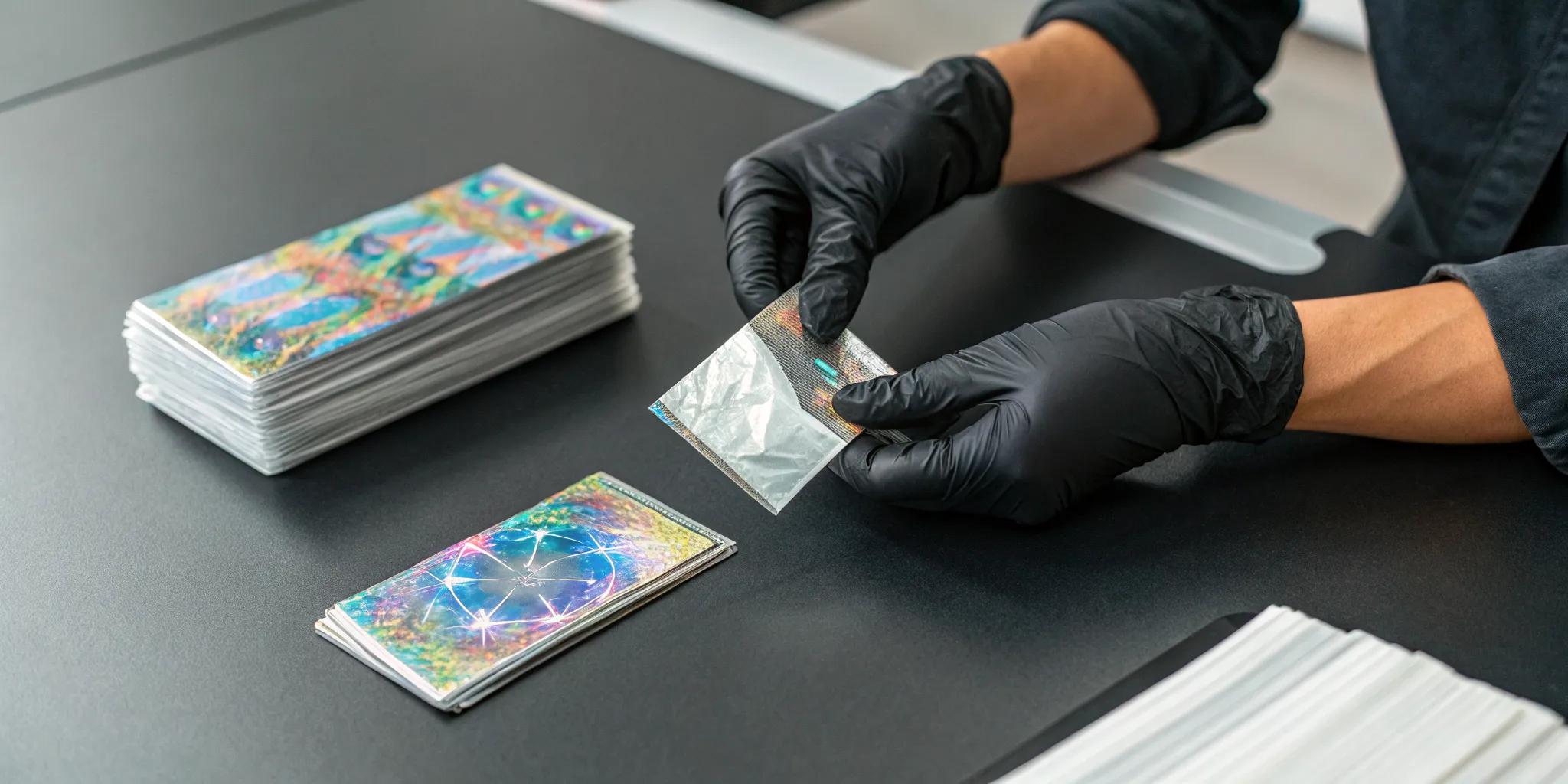
If you love the thrill of the rip but are tired of seeing your money disappear into piles of bulk cards, you’re in the right place. Turning this hobby into a side hustle requires more than just luck; it demands a strategy. Simply buying packs off the shelf is a gamble where the house almost always wins. To succeed, you need to think like an investor, not just a collector. This guide breaks down the real strategies behind how to open pokemon packs for profit, moving beyond blind hope to focus on calculated moves that can actually pay off.
Key Takeaways
- Embrace the Thrill, Not the Financials: Opening packs is a gamble where the house usually wins. Treat it as a fun expense for the excitement it brings, not as a reliable way to make money, because most packs will be worth less than what you paid.
- Play the Market, Not Just the Packs: If making money is your goal, shift your strategy. Buying individual cards (singles), investing in sealed boxes for the long term, and flipping bulk collections are more reliable ways to build value than relying on random pulls.
- Knowledge Is Your Most Valuable Card: Profit comes from research, not just luck. To make smart decisions, you need to understand what makes a card valuable, track market prices, and know when grading is actually worth the cost and effort.
Can You Make Money Opening Pokémon Packs?
We’ve all seen the videos: someone rips open a Pokémon pack and pulls a card worth thousands of dollars. It’s the ultimate dream for any collector. That thrill of the unknown is a huge part of what makes this hobby so much fun. But before you start buying booster boxes with dollar signs in your eyes, let's have a real conversation about whether you can actually make money opening Pokémon packs.
While it’s technically possible to hit the jackpot, treating pack opening as a reliable income stream is a risky game. For most people, it’s a hobby that costs money, not one that makes it. Understanding the financial reality from the start can help you enjoy the experience without breaking the bank. Let’s look at the numbers and why the odds aren't exactly in your favor.
A Look at the Real Numbers
Let's get straight to it: for the vast majority of people, opening Pokémon packs is not a profitable venture. While social media is filled with incredible pulls, those videos represent the rare, lucky wins, not the average experience. In reality, most people who open packs end up losing money. According to many discussions within the collecting community, it's common to lose 60% or more of the money you spend on packs.
Think of it this way: if you spend $100 on booster packs, you can generally expect the total value of the cards you pull to be around $40 or less. This is especially true for modern sets, where production is high and most cards are not worth much. The fun is in the chase, but from a purely financial standpoint, the numbers show that it’s a losing proposition more often than not.
Why the Odds Are Stacked Against You
So, why is it so tough to turn a profit? It really comes down to two main factors: rarity and condition. Every Pokémon card set has a few highly sought-after "chase" cards that are worth a lot of money, but your chances of pulling one are incredibly low. These are the cards that make opening packs so exciting, but you could open hundreds of packs without ever seeing one.
Even if you do get lucky and pull a valuable card, its final price is heavily tied to its condition. For a card to command a top-tier price, it usually needs to be graded as a perfect 10 by a professional service, which is difficult to achieve even for a card fresh out of a pack. Ultimately, opening packs is a lot like playing the lottery; you might get lucky, but the odds are against you making a consistent profit.
What Makes a Pokémon Card Valuable?
Ever wonder why one Pokémon card is worth a few cents while another could buy you a new car? It’s not just random luck. A card's value comes from a specific mix of factors that collectors and investors watch closely. The four main pillars of value are rarity, condition, market demand, and historical significance. Think of it like a recipe: you need the right combination of ingredients for a card to become a true treasure. A card might be incredibly rare, but if it’s in terrible shape or no one wants it, the value won’t be there. On the other hand, a common card in perfect condition won’t be worth much either.
The most valuable cards hit the jackpot on all fronts. They are rare "chase" cards from a limited print run, have been preserved in perfect condition, are highly sought after by the community, and often have a special story, like being from the very first 1st Edition Base Set). Understanding how these elements work together is the key to spotting potential. It helps you appreciate the cards you pull and make smarter decisions about your collection, whether you’re deciding to sell a card, hold onto it, or send it off for professional grading. Before you can profit from Pokémon cards, you first need to learn what makes them tick.
Rarity and Print Runs
The most basic factor in a card's value is its rarity. Pokémon cards have symbols to indicate how common they are, but the real value often lies in "chase" cards, which are incredibly hard to find. Manufacturers create this scarcity on purpose; you're very unlikely to pull the most sought-after cards from a random pack. Beyond the standard rarity, there are secret rares and special print runs that are even more limited. Older sets generally had smaller print runs than modern ones, which is a big reason why vintage cards are often more valuable. A smaller supply with high demand is the classic recipe for a valuable collectible.
Condition and Grading
A rare card isn't worth much if it's bent and scuffed. For a card to reach its peak value, its physical condition must be nearly perfect. This is where professional grading comes in. You can send a card to a service that will inspect it for flaws in centering, corners, edges, and surface, then assign it a score from 1 to 10. Achieving a perfect "gem mint 10" is extremely difficult, as even microscopic imperfections can lower the score. A high grade from a reputable company authenticates the card's condition and can dramatically increase its market price, turning a great card into a serious investment.
Market Demand and Timing
Like any market, Pokémon card values are driven by supply and demand. A card is only worth what someone is willing to pay for it, and popularity plays a huge role. A Charizard is almost always in demand, but a Pokémon featured in a new game or movie can see its card value spike overnight. This is why research is so important. Following market prices and trends helps you understand what's hot and what's not. If you're hunting for specific cards, it's often more cost-effective to buy them directly rather than hoping to pull them from a pack, because the odds are rarely in your favor.
A Card's History and Significance
Some cards are valuable simply because of their story. Cards from the original Base Set, for example, are icons of the hobby, especially those with the little "1st Edition" stamp signifying they're from the very first print run. These are pieces of Pokémon history. Other cards gain value from unique circumstances, like being a prize from a high-level tournament, featuring a famous printing error, or having special promotional artwork. These cards have a historical significance that goes beyond the Pokémon itself, creating a powerful demand from collectors who want to own a piece of the legacy.
How to Choose the Right Packs
Let’s be real: turning a profit by opening Pokémon packs is a lot like a lottery where you usually don't win big. Most people who open packs for profit actually lose money. But if you love the thrill of the rip and want to give yourself the best possible shot, your success starts long before you ever open a pack. It begins with choosing the right ones. Making money this way requires a lot of research. You need to know which cards are valuable, what they sell for, and where to find good deals. It's a game of knowledge as much as it is a game of chance.
Instead of grabbing the shiniest box off the shelf at your local big-box store, a strategic approach can significantly improve your odds. This means focusing your attention and your budget on three key areas: identifying sets known for high-value cards, finding sellers you can trust, and targeting special releases that have more potential than a standard print run. Each of these steps helps you make more informed decisions, turning a pure gamble into a calculated risk. By being selective, you can shift the odds, even if just slightly, more in your favor. It’s about playing smarter, not just spending more, and enjoying the process along the way.
Identify High-Value Sets
Not all Pokémon sets are created equal. Some are packed with common cards, while others contain legendary pulls that can be worth thousands. Your first step is to learn which sets have the highest potential value. Generally, you should focus on older, more valuable cards. A great example is the original 1st Edition Base Set; cards from this very first run are scarce and their value continues to climb. Researching set lists and their "chase cards" (the rare, highly sought-after cards) will help you understand which packs are worth your investment. Look for sets with a high concentration of valuable Pokémon, full art trainers, or secret rares.
Find Reputable Sellers
Where you buy your packs is just as important as what you buy. The market is flooded with resealed packs and counterfeit products, especially online. To protect your investment, always buy from reputable sources. This could be a trusted local card shop with a good reputation or a major, well-known retailer. Online platforms like Packz also offer a secure way to open packs, as they handle the sourcing and verification for you. This eliminates the risk of tampered products and ensures you’re getting a fair shot at pulling something great. Never buy loose packs from a seller you don’t know or trust, as they could have been weighed to remove the heavier, holo-containing packs.
Target Special Releases
While standard sets are the bread and butter of the Pokémon TCG, special releases can be a gold mine. These are often limited-run products tied to holidays, anniversaries, or movie releases. Because they are printed in smaller quantities, the cards can become valuable more quickly. Think of sets like Celebrations or special collaboration boxes. Keep an eye on upcoming releases and be ready to buy them on launch day, as they often sell out fast. While still a gamble, these limited editions can offer a better return on investment than a standard, mass-produced set that will be on shelves for years.
What to Do With Your Best Pulls
That heart-pounding moment when you see a flash of holographic foil is what it's all about. You’ve pulled a great card, maybe even the chase card of the set. So, what’s next? Once the initial excitement settles, you have a few solid options for what to do with your new prize. Your decision will depend on your personal goals, whether you’re a collector, an investor, or a bit of both. There's no single right answer, and what you do with one amazing pull might be different from the next.
Think about why you started opening packs in the first place. Was it to reconnect with a childhood hobby? To build a master set? Or was it purely to chase the thrill and see if you could turn a profit? Answering that question will guide you. If you're a collector at heart, keeping the card might be the most rewarding choice. If you're focused on the financial side, selling or grading are your primary routes. Each path has its own benefits, from the simple joy of adding to your collection to turning a lucky pull into real profit. Let's walk through the three main paths you can take with your best pulls.
Keep Your Favorites
Sometimes, a card is worth more to you than any price tag. If you pull a Pokémon you’ve loved since you were a kid or a card that completes a set you’re building, the best move is often to just keep it. Adding a special card to your personal collection is one of the most satisfying parts of the hobby. To make sure it stays in great shape, you should immediately place it in a protective sleeve and then into a rigid top loader. This simple step preserves its condition and keeps the door open to getting it graded down the line, which can secure its quality and value for the long term.
Sell Them as Singles
If your main goal is to make a profit, selling your valuable pulls individually is the most direct way to do it. This is what collectors call selling "singles." After opening a pack, you can list the rare and holographic cards on online marketplaces where other collectors are looking to buy specific cards without having to open packs themselves. This strategy allows you to cash in on your luck and use the funds to buy more packs or invest in other cards. It’s a straightforward approach that turns your best pulls directly into profit, especially if you're not personally attached to the card.
Get Them Graded
For truly rare cards in pristine condition, grading can dramatically increase their market value. This process involves sending your card to professional grading services that authenticate it and assign a score from 1 to 10 based on its condition. A high grade, especially a gem mint 10, can make a card worth several times its ungraded price. However, grading isn't a guaranteed win. It costs money and time, and you'll need to carefully submit your cards for review. Receiving a lower grade than expected might mean you don't recoup your investment, so it’s a high-risk, high-reward play best reserved for your most promising cards.
Is Grading Pokémon Cards Worth the Cost?
So you’ve pulled a card that looks like a winner. The next question on every collector’s mind is: should I get it graded? Grading can turn a valuable card into a seriously prized asset, but it’s not always the right move. It’s an investment of time and money, and you need to weigh the potential payoff against the costs. Let’s break down how grading works and when it makes financial sense.
How Card Grading Works
Card grading is the process of sending a card to a professional third-party service, like PSA or Beckett, to have its physical condition evaluated. An expert will inspect your card for things like centering, corner wear, surface scratches, and edge quality. The card is then assigned a numerical grade, typically on a scale of 1 to 10. After grading, the card is sealed in a protective, tamper-proof slab that displays the grade and certifies its authenticity. This official rating can make a rare card in great condition much more valuable, as it gives buyers confidence in what they’re purchasing.
When to Grade a Card
The golden rule of grading is to only submit cards that are already valuable on their own. As a general guideline, if a raw, ungraded card isn't selling for at least $10, you’ll likely lose money after paying for grading fees. If you pull a high-value chase card, like a Charizard or a special alternate art, getting it graded is a smart move. A high grade, especially a gem mint 10, can dramatically increase its market price. Many collectors discuss strategies for when to grade, and the consensus is clear: focus on cards that have the highest potential from the start.
When to Skip Grading
Grading isn’t cheap, and it’s definitely not a guaranteed profit. Even if you pull a rare card, getting a perfect 10 is incredibly difficult. Cards fresh from the pack can have minor imperfections that knock the grade down to a 9 or even an 8. In those cases, the final value might not be enough to cover the cost of the pack plus the grading fees, which can range from $15 to $25 per card for standard services. You also have to factor in shipping and insurance costs, which can add up quickly. If your card has visible flaws or is from a common set, it’s usually best to skip the grading process.
Smarter Ways to Profit From Pokémon Cards
Opening packs is a thrill, but if your main goal is to make money, relying solely on lucky pulls is a tough road. The odds are rarely in your favor. The good news is there are more strategic approaches to the Pokémon card market. These methods require more patience and research than ripping packs, but they can offer a much more reliable return on your investment. Think of it as moving from playing the lottery to becoming a savvy investor. Instead of chasing that one-in-a-thousand hit, you can make calculated moves that build your collection's value over time. Let's get into some proven strategies that seasoned collectors use to build value. These aren't get-rich-quick schemes; they're smart, sustainable ways to engage with the hobby on a deeper financial level. By shifting your focus from the gamble of the pack to the strategy of the market, you can protect your wallet and still enjoy the hunt for amazing cards. It's all about working smarter, not just spending more.
Buy Singles Instead of Packs
Buying individual cards, known as “singles,” is the most straightforward way to get exactly what you want. Instead of spending hundreds on booster boxes hoping for a specific Charizard, you can just buy that Charizard directly. This method takes the guesswork out of collecting and is a "much more reliable way to get the cards you want without wasting money on packs," as one collector puts it. You can focus your budget on cards with proven value, like high-grade vintage cards or modern chase cards that are in high demand. It’s the perfect strategy for finishing a set or acquiring a specific card you believe will appreciate in value over time.
Invest in Sealed Products
If you have the patience for a long-term game, investing in sealed products can be incredibly profitable. This means buying booster boxes, Elite Trainer Boxes, or other special collections and keeping them factory-sealed. Over time, as more of that product gets opened, the remaining sealed inventory becomes scarcer and more valuable to collectors. Many experienced investors agree that keeping vintage products sealed is often a better financial choice than opening them. Think of it like aging a fine wine. The temptation to open it is always there, but the reward for waiting can be substantial, especially for popular sets with high-value chase cards inside.
Flip Cards From Bulk Lots
For those who enjoy the treasure hunt, flipping cards from bulk lots can be a great way to turn a profit. The strategy is simple: you buy a large collection of cards, often thousands at a time, for a low price. Then, you sort through the entire lot, pull out the valuable cards, and sell them individually. This method requires a sharp eye and a good understanding of the market. You need to know how to identify valuable cards that others might have missed, from rare holos to valuable trainer cards. It’s a hands-on approach that takes time and effort, but finding a few hidden gems can pay for the entire lot and then some.
Focus on Vintage and 1st Edition Cards
New sets are exciting, but the most iconic and valuable cards often come from the early days of Pokémon. Focusing on vintage cards, especially those from the original Base Set, can be a solid investment strategy. In particular, you should look for cards with the "1st Edition" stamp. As a collector on a popular forum noted, "Look for 1st Edition Base Set cards. These are from the very first sets and are increasing in value." These cards represent the very beginning of the Pokémon TCG craze, and their scarcity combined with powerful nostalgia makes them highly sought after. While the upfront cost can be high, these pieces of history often hold their value well and have significant potential for growth.
Trade Up Your Collection
You don’t always need a lot of cash to acquire high-value cards. The "trade up" challenge is a classic strategy in the collecting world. The idea is to start with a single, moderately valuable card and trade it for something of slightly higher value. You repeat this process over and over, slowly "trading up" your way to a major grail card. This approach requires patience, negotiation skills, and a deep knowledge of current card values. It’s a very active and social way to engage with the hobby, turning your collection into a dynamic asset. While many people open packs for fun and nostalgia without expecting a profit, trading allows you to build your collection's worth through smart exchanges.
How to Track Pokémon Card Market Trends
The Pokémon card market is always moving. Prices for cards can change quickly based on new set releases, player performance in tournaments, and what’s popular with collectors. If you want to profit, you can't just rely on luck. You need to treat it like any other market by doing your research and staying on top of trends. Keeping your finger on the pulse of the community will help you spot opportunities and make smarter decisions with your money.
Follow Online Communities and Price Guides
To get a real sense of the market, you need to know where collectors are talking. Online communities are your best resource for this. Forums like The PokeGym and Reddit's r/pokemontcg are filled with experienced collectors sharing what they're seeing in real time. They discuss which cards are gaining traction and which sets are worth watching. Following YouTubers who specialize in Pokémon card investing can also give you valuable perspectives. These communities are where you’ll hear about market shifts first.
Alongside community insights, you need hard data. Price guide websites like TCGplayer and PriceCharting show you recent sales data, not just what sellers are asking for. This helps you understand a card's true market value. Making a profit requires consistent research. You need to know which cards are valuable and what they actually sell for so you can recognize a good deal when you see one.
Monitor Set Releases and Grading Reports
New Pokémon sets drop several times a year, and each release can shake up the market. Pay attention to which cards become the "chase cards" of a new set, as their value can spike right after release due to high demand. It’s also smart to watch grading reports from companies like PSA. Card grading is the process of having a card's condition professionally evaluated on a scale of 1 to 10. A pristine, gem mint 10 card can be worth many times more than an ungraded version.
Population reports, which show how many cards of a certain grade exist, are another key tool. If a popular card has a very low number of PSA 10s in circulation, its value will be significantly higher. By monitoring these reports, you can get a better idea of a card's true rarity and make more informed decisions about which cards to buy, sell, or send in for grading yourself.
Know When to Buy and Sell
Timing is one of the most critical skills in the Pokémon card market. The hype around a new set release often creates a volatile "buy" window where prices are high. Sometimes, it’s better to wait a few weeks or months for the market to cool down before buying singles. On the other hand, selling a hot card during this peak hype can maximize your profit. It’s a balance you’ll learn with experience.
Instead of chasing specific cards by opening countless packs, a more strategic approach is to buy the singles you want directly. As many experienced collectors on forums like Elite Fourum will tell you, buying an already graded card is often cheaper than trying to pull and grade it yourself. Also, consider investing in sealed products like booster boxes or Elite Trainer Boxes. These items often appreciate in value over time, sometimes even more than the individual cards inside them, making them a solid long-term hold.
How Packz Changes the Game
Let’s be real: opening pack after pack hoping for a big hit can be a tough, and often expensive, part of the hobby. The thrill is undeniable, but the financial sting of pulling cards worth less than the pack itself is a feeling most collectors know well. This is where a different approach can completely change your experience, turning a high-stakes gamble into a more sustainable and exciting way to collect. Instead of just hoping for the best, you can open packs with a strategy that protects your wallet.
Open Packs With a Financial Safety Net
Use the Buyback Advantage
The standout feature that makes this possible is the buyback advantage. When you open a digital pack on Packz, you have two choices for every card you reveal: have it shipped to you or sell it back instantly for 100% of its listed value. This is a game-changer. Instead of ending up with a pile of bulk cards you don’t want, you can immediately convert them into account credit. This lets you keep the fun going by opening more packs without spending more money. It turns every pull, even the non-hits, into fuel for your next rip, giving you more chances to find that one incredible card you’ve been searching for.
The Real Cost of Chasing Hits
We all know the feeling. Your hands are practically shaking as you tear open a fresh pack, hoping to find that one ultra-rare card that makes it all worthwhile. The dream of pulling a "chase card" is a huge part of what makes collecting so exciting. But if your goal is to turn a profit, it's important to go in with your eyes wide open. The simple truth is that chasing hits by opening pack after pack is rarely a winning financial strategy.
For every collector who posts a video of their incredible pull, there are thousands who end up with a pile of bulk commons and uncommons. The odds are intentionally stacked against you; after all, that's what makes the best cards so rare and valuable in the first place. In fact, many experienced collectors will tell you that opening packs usually results in a loss. Some estimate you can expect to lose about 60% or more of the money you spend on packs. It’s a tough pill to swallow, but it’s the reality of the hobby.
Think of it less as an investment and more like playing the lottery. It's fun, but you shouldn't count on it to pay the bills. Even if you do manage to pull a valuable card, there's another hurdle: grading. Getting a card graded as a perfect PSA 10 is incredibly difficult, and anything less can significantly drop its market value. Many collectors find that keeping vintage packs and boxes sealed is a much better financial choice than opening them. Understanding these costs and risks is the first step toward building a truly profitable collection, rather than just hoping for a lucky break.
Related Articles
- The Ultimate Guide to Buying Pokémon Packs | Packz Blog
- Best Free Pokémon TCG Pack Opening Simulators | Packz Blog
- Pokémon Trainer Pack - Digital Pack Opening | Packz
Frequently Asked Questions
So, is it actually impossible to profit from opening Pokémon packs? It’s not impossible, but it is highly improbable for most people. Think of it less as a reliable investment strategy and more like buying a lottery ticket; it’s a lot of fun, but you shouldn't expect it to pay your bills. For every person who pulls a card worth thousands, countless others open packs and get cards worth far less than what they paid. The fun is in the thrill of the chase, but it's a hobby that usually costs money rather than makes it.
I pulled a rare card. What's the first thing I should do with it? Before you do anything else, protect it. The moment you identify a potentially valuable card, you should carefully place it in a soft "penny" sleeve and then slide it into a rigid top loader. This simple step is crucial for preserving its condition. Once it's safe, you can decide your next move: keep it for your personal collection, sell it as a single to cash in on your luck, or, if it's a major chase card in perfect shape, consider sending it for professional grading.
Grading sounds complicated. How do I know if it's worth the money for my card? A good rule of thumb is to only grade cards that are already valuable and in near-perfect condition. Before you spend money on grading fees, look up the card's "raw" or ungraded market price. If that price isn't at least double the cost of grading, you risk losing money. Grading is a high-reward play for your absolute best pulls, not for every holographic card you find.
If opening packs is so risky, what's a more reliable way to invest in Pokémon cards? If your primary goal is profit, the most dependable strategy is to buy individual cards, or "singles," directly. This removes all the guesswork and allows you to purchase specific cards you believe will grow in value. Another popular long-term strategy is investing in sealed products, like booster boxes or Elite Trainer Boxes. By keeping them sealed, they become scarcer over time and can appreciate significantly, often providing a better return than the cards inside would have.
How does the Packz buyback feature actually help me? The buyback feature acts as a financial safety net. Normally, when you open a pack and don't pull a valuable card, you're left with bulk cards worth very little. With Packz, you can instantly sell those less-valuable cards back for 100 percent of their value. This credit goes right into your account, allowing you to open more packs without spending more money. It helps you recover a large part of your cost on every pack, giving you more chances to find the cards you really want.
Recommended Reading
Cash for Graded Sports Cards: The Fastest Ways to Sell
Get cash for graded sports cards faster. Compare auction houses, marketplaces, and instant buyback options to pick the route that fits your timeline.
How to Compare Value in Sports Card Packs
Learn how to compare sports card packs using card quality, available pulls, pricing clarity, and Packz’s 100% buyback option.
How to Buy Pokemon Packs Online for Ripping
Ready to buy pokemon packs online for ripping? Get transparent pack value and clear pull odds so you never overpay for the thrill of the hunt. Start collecting safely.