
February 13, 2026
The Ultimate Guide to Buying Pokémon Packs
Get expert tips on buying Pokémon packs, spotting scams, finding the best deals, and choosing the right packs to grow your collection with confidence.
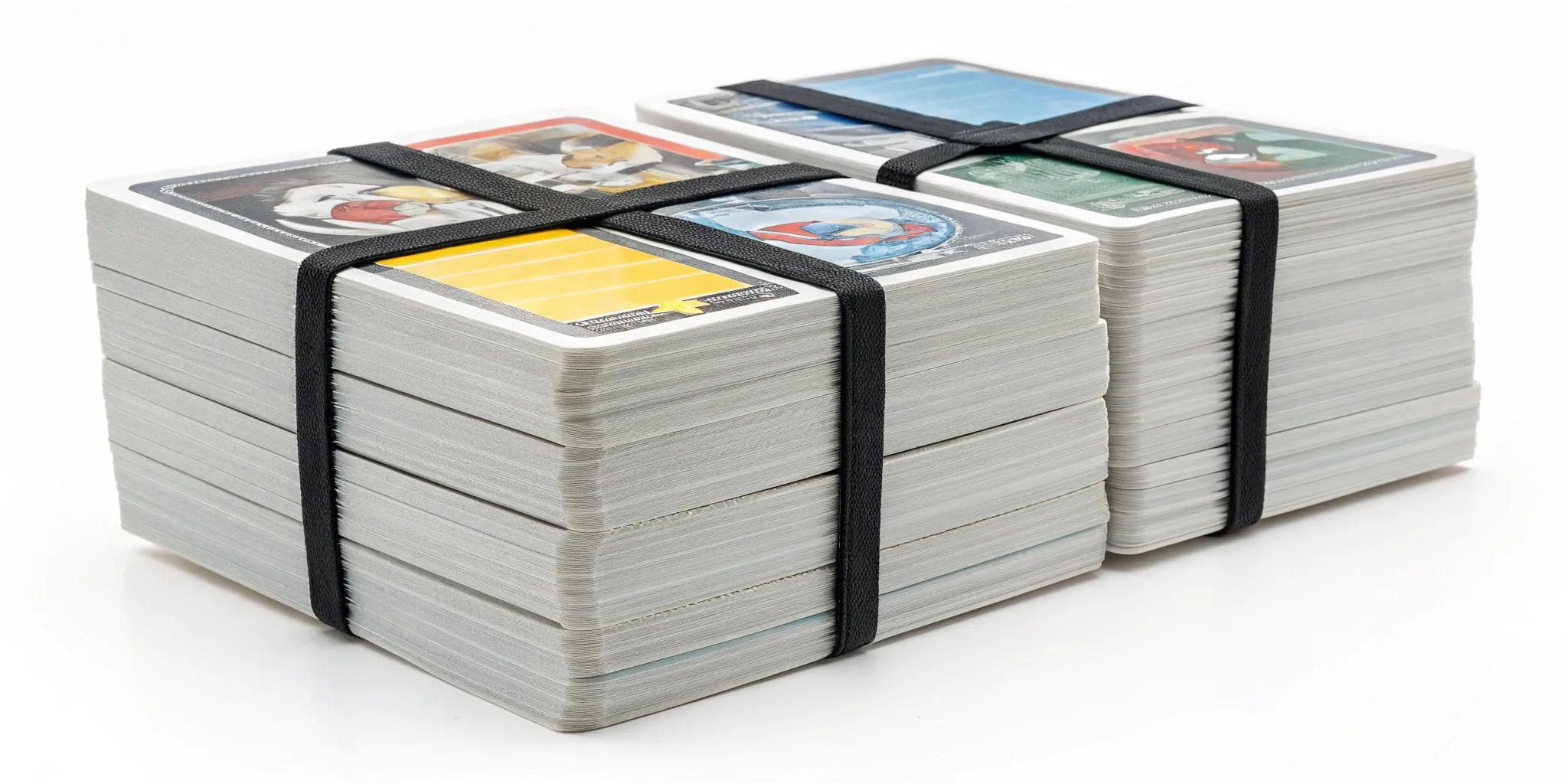
Key Takeaways
- Know what’s inside before you buy: Learn the basics of pack structure, from rarity symbols to the different formats like booster boxes and Elite Trainer Boxes, to better understand the potential value in every pack you open.
- Build your collection with a hybrid strategy: Enjoy the thrill of opening packs to start your collection for a new set, then switch to buying singles to get the specific cards you’re missing in a more cost-effective way.
- Always purchase from a trusted source: Protect yourself from scams by vetting sellers, checking reviews, and inspecting packs for red flags like messy crimps or faded artwork to ensure you’re buying authentic products.
What's Inside a Pokémon Pack?
The thrill of opening a Pokémon pack is a huge part of the hobby. You’re not just buying cards; you’re buying a shot at finding that one rare Pokémon you’ve been chasing. But what exactly are you getting when you tear open that foil? While every pack is a surprise, there’s a consistent structure to what’s inside. Understanding this structure helps you know what to look for and appreciate the value of what you pull.
From the number of cards to the different formats they’re sold in, knowing the basics is the first step to becoming a savvy collector. It’s not just about luck—it’s about recognizing the potential in every pack. Let’s break down what you can expect to find, from the common cards that build your deck to the ultra-rares that become the centerpiece of your collection.
A Look at Booster Pack Contents and Card Types
A standard, modern Pokémon booster pack contains 10 game cards plus either a basic Energy card or a VSTAR marker. These 10 cards aren't completely random; they follow a specific formula. You'll typically get a mix of common, uncommon, and at least one rare card. Most packs also include a "reverse holo" card, which can be of any rarity, and a code card for the Pokémon TCG Live online game. The cards themselves fall into three main categories: Pokémon cards, Trainer cards, and Energy cards. Learning the different card types is essential for both playing the game and building a diverse collection.
Different Pack Formats and Sizes
You can buy Pokémon packs in several different formats. The most basic is the single booster pack, which you can find loose or in a cardboard sleeve. For serious collectors, buying a booster box is often more economical. A typical booster box contains 36 packs, giving you a better chance at pulling the set's rarest cards. You'll also find packs inside other products like Elite Trainer Boxes (ETBs), which come with sleeves, dice, and other gameplay accessories, or special collection boxes that feature a specific promo card alongside a handful of booster packs. Each format offers a different experience and value proposition.
How to Read Rarity Symbols and Judge Card Value
At the bottom of each Pokémon card, you’ll find a small symbol that indicates its rarity. A circle means it’s a common card, a diamond means it’s uncommon, and a star means it’s rare. However, there are many levels of rarity beyond that basic star. You might find a holographic "holo" rare, a reverse holo, or even an ultra-rare card with unique textures and artwork. Understanding these rarity symbols is the key to judging a card's value. This knowledge is also why some collectors are hesitant to buy loose packs, fearing they may have been weighed or tampered with by sellers trying to remove the heavier, more valuable holo cards.
Where to Buy Pokémon Packs (And What to Pay)
Once you know what you’re looking for, the next step is figuring out where to find it. Pokémon packs are sold through a wide range of online and physical stores, but the prices and selection can vary quite a bit. Knowing the best places to look will help you build your collection without overspending.
Top Online Retailers and Marketplaces
If you prefer the convenience of shopping from home, the internet is your best friend. For a marketplace built specifically by and for collectors, TCGplayer is an excellent starting point. It’s dedicated to trading card games, so you’ll find an incredible selection of Pokémon products. Of course, major retailers like Amazon are also a reliable source for everything from single booster packs to larger box sets. For those hunting for specific sets or vintage packs, eBay is a fantastic resource where you can browse listings from sellers all over the world. Just be sure to check seller ratings before you buy.
Finding Packs at Physical Stores
There’s a certain magic to finding Pokémon cards in the wild. Your local game and hobby shops are often the best places to start, as they’re run by people who are passionate about the hobby. You can also find packs at big-box stores like Target and Walmart, though their stock can sometimes be inconsistent. Here’s a fun tip: some local businesses have embraced the Pokémon community by becoming a Pokéstop in Pokémon GO to attract fans. It’s worth checking out these spots, as they might carry cards to appeal to the players who visit. Supporting local stores is a great way to connect with other collectors in your area.
Price Ranges for Different Sets
So, what should you expect to pay? The price of a standard, modern Pokémon booster pack typically starts at around $2.50 to $4.50. For example, you can often find booster packs from various recent sets within this price range on sites like eBay. However, this price can fluctuate based on the set's popularity, age, and availability. Older, out-of-print packs will cost significantly more. On major platforms like Amazon, the high sales volume and customer ratings can give you a good sense of the current market rate for popular products. Always compare prices across a few different sites to make sure you’re getting a fair deal.
The Digital Alternative: Packz Mystery Packs
If you love the thrill of opening packs but want a modern twist, you should check out Packz Mystery Packs. Instead of buying a physical pack, you open a digital one right on our platform. You get the same rush of discovering what’s inside, and you can choose to have any cards you pull shipped directly to you. Or, if you don’t love what you got, you can sell it back to us instantly. It’s a fun and flexible way to collect. For collectors focused on getting the best prices, you can also use online tools that help you find products at their suggested retail price, ensuring you never miss a good deal.
Which Pokémon Packs Are Worth Buying?
Deciding which Pokémon packs to buy can feel overwhelming, especially with new sets hitting shelves all the time. The "best" pack really depends on your goals. Are you looking for a specific card, trying to build a playable deck, or just chasing the thrill of the pull? Your answer will point you toward different sets. Let's break down how to choose the right packs for your collection.
Popular Modern Sets and Trending Releases
If you're just getting into collecting or want to see what the current game is all about, modern sets are your best bet. These are the sets you’ll find most easily at retail stores and online. They’re affordable and packed with new Pokémon and card art. Part of the fun is the surprise; many sellers offer random booster packs from various recent sets, giving you a chance to discover cards you might not have seen before. Keep an eye on what the community is buzzing about—trending sets often contain powerful or popular Pokémon that can become valuable over time.
Vintage vs. Modern: What to Consider
The debate between vintage and modern packs comes down to nostalgia and risk. Vintage packs, like those from the Base Set or Neo Genesis eras, are a direct line to the past. Pulling a holographic card from a pack that’s over 20 years old is an unmatched feeling. However, these packs are expensive and hard to find. Modern packs are much more accessible and offer a chance to pull incredible new art styles. While buying a full booster box can sometimes be more cost-effective than single packs, it’s no guarantee of profit. In fact, the total value you get from a booster box is often less than what you paid for it.
Finding Limited Edition and Special Releases
Beyond the standard sets, The Pokémon Company frequently releases special and limited-edition collections. These often appear around holidays or as tie-ins to movies and games. Sets like Crown Zenith or Celebrations are packed with unique art and reprints of classic cards, making them highly collectible. These releases can be harder to track down and might not be sold in typical booster pack formats. Online marketplaces are a great place to find trusted sellers where you can choose your booster pack from a huge variety of sets, including these special releases that you might have missed at your local store.
How to Spot Valuable Chase Cards
Every Pokémon set has "chase cards"—the ultra-rare, highly desirable cards that everyone is hoping to pull. These are often alternate-art versions of popular Pokémon or stunning full-art trainer cards. Before a new set releases, you can research the Japanese version to see which cards are generating excitement. This gives you a good idea of what the chase cards will be. Remember that pulling one is tough; statistically, your odds can be as low as 1 in 36 packs. Because of this, many collectors open packs for the fun of it, then turn to buying singles, which is almost always the most cost-effective way to get the exact cards you want.
Packs vs. Singles: Which Is the Smarter Buy?
It’s the ultimate debate for any Pokémon card collector: should you buy individual cards (singles) or take your chances with sealed packs? There’s no single right answer—it all comes down to your goals, your budget, and how much you enjoy the thrill of the unknown. One path offers certainty and precision, while the other delivers excitement and the potential for a massive discovery. Let's break down which approach makes the most sense for you and your collection.
Weighing the Pros and Cons of Each
If you have a specific card in mind, buying singles is almost always the most cost-effective way to get it. Whether you’re finishing a competitive deck or hunting down the last card for a master set, purchasing it directly saves you time and money. You get exactly what you pay for, with no element of chance. The downside? You miss out on the pure fun of opening a pack. There’s no surprise, no suspense, and no chance of pulling a high-value secret rare you weren’t expecting. It’s a transaction, not an experience.
Opening packs, on the other hand, is all about the experience. The main pro is the excitement of the reveal and the possibility of finding something incredibly valuable. The con is the risk. You could open dozens of packs and not find the one card you’re looking for.
When Opening Packs Makes Financial Sense
While buying singles is a direct route, opening packs can be a smart move if you approach it with the right mindset. The excitement of ripping open a fresh pack is a huge part of the hobby for many collectors, and that entertainment has its own value. If you enjoy the surprise and the process of discovery, the cost can be well worth it.
From a purely financial standpoint, buying in bulk often helps. Booster boxes, for example, typically offer a 10–15% better value per pack compared to buying them individually from a retailer. This is a great way to start your journey with a new set, giving you a solid base of common and uncommon cards while you hunt for the rarer hits. It’s the perfect strategy for anyone who loves a good surprise.
Before you dive into a booster box, it’s helpful to understand the odds. Not all packs are created equal, and the chances of pulling a specific high-value card are slim. Statistically, you might find a valuable "chase" card in only about 1 in every 36 packs. These pull rates vary between sets, but the rarest cards are always tough to find.
How to Build Your Collection with a Strategy
The most successful collectors combine both methods. A great way to build your Pokémon collection is to start with a clear focus. Decide if you want to collect complete sets, master sets, or just cards featuring your favorite Pokémon. This focus will guide all your purchasing decisions.
A popular and effective strategy is the hybrid approach. When a new set is released, buy a booster box or a handful of packs to experience the fun of opening them and build a foundation of new cards. Once you’ve satisfied that initial curiosity, switch gears. Tally up the cards you have, identify the ones you’re missing, and start buying them as singles. This method gives you the best of both worlds: the thrill of the hunt and a cost-effective way to complete your collection.
How to Avoid Common Pokémon Pack Scams
The thrill of opening a Pokémon pack is a huge part of the hobby, but that excitement can quickly turn to disappointment if you realize you’ve been scammed. Unfortunately, where there’s a valuable collectible, there are people trying to take advantage of eager buyers. The good news is that most scams are easy to spot once you know what to look for. Being a smart buyer doesn’t mean you have to give up the fun of the hunt; it just means protecting your investment and ensuring what you’re opening is the real deal.
From counterfeit packs that look almost identical to the real thing to resealed packs where the good cards have been swapped out, the tactics can be sneaky. You also have to watch out for weighed packs from older sets and sellers who don’t store their products correctly, leaving you with damaged cards. Learning to identify these red flags will save you a lot of money and frustration. It all comes down to examining the product, vetting the seller, and trusting your gut. If a deal seems too good to be true, it almost always is. This guide will walk you through the most common schemes and give you the tools to buy with confidence, so you can focus on the fun part: finding those amazing cards for your collection.
Spotting Fake and Resealed Packs
Your first line of defense is a careful inspection of the pack itself. Official Pokémon packs have a high standard of quality. Look for clean, even crimps at the top and bottom of the foil. Resealed packs often have messy crimps or may show signs of glue. The foil wrapper should be crisp and the colors vibrant; fakes often have dull printing, typos, or incorrect Pokémon on the art.
Another major red flag is loose wrapping. A legitimate pack should be sealed tightly. If the foil feels baggy or you can easily slide the cards around inside, be suspicious. While many collectors are wary of buying loose booster packs, you can reduce your risk by purchasing sleeved boosters or sealed collection boxes from reputable sources.
Warning Signs of Poor Storage and Condition
Even if a pack is authentic and unopened, its value can be destroyed by poor storage. Cards are essentially paper, and they’re vulnerable to heat, humidity, and sunlight. Before you buy, look at the pack for any signs of environmental damage. The pack art shouldn't be faded, which can indicate prolonged exposure to light. The corners should be sharp, not bent or soft, which could mean it's been handled roughly.
Be especially cautious of packs that feel stiff or have a musty smell, as this points to moisture damage. Humidity can cause the cards inside to warp, stick together, or even grow mold, making them worthless. A seller who cares about their products will store them in a cool, dry, and dark place.
How to Vet Sellers and Check Return Policies
Where you buy is just as important as what you buy. Always take a moment to check out the seller’s reputation, especially on third-party marketplaces like eBay or TCGplayer. Look for a long history of positive reviews from other trading card buyers. A brand-new seller with suspiciously low prices is a major red flag. For beginners, the safest option is often buying a sealed product like an Elite Trainer Box from a big-box store or a well-known local game shop.
Before you click "buy," read the seller’s return policy. Reputable sellers usually stand by their products. If a seller has a strict "no returns" policy on booster packs, be very careful. While it’s understandable that sellers don’t want opened packs returned, a complete refusal to accept returns for any reason could mean they know their products are questionable.
Identifying Weighed or Tampered Packs
Pack weighing is an old trick where sellers use a sensitive scale to identify packs that are slightly heavier due to the foil of a holographic card. This was a bigger problem with vintage sets. The Pokémon Company has since made it harder by varying the weight of the code cards in modern packs, but you should still be cautious when buying loose packs of older sets from individuals.
Scammers may also try to lure you in with promises of "heavy" packs or a guaranteed hit. They prey on the hope of finding something amazing, like a God Pack. But the truth is, God Packs are exceptionally rare and can't be intentionally purchased or guaranteed. The best way to avoid this scam is to buy from sources that don't sell loose, unsealed packs.
How to Find Great Deals on Pokémon Packs
Hunting for Pokémon packs is half the fun, but paying full price every time can quickly drain your wallet. The thrill of the chase is even better when you know you’ve scored a great deal. Becoming a savvy collector isn’t about luck; it’s about strategy. With a bit of planning and the right resources, you can build an amazing collection without breaking the bank. From setting a smart budget to timing your purchases perfectly, these tips will help you get the most value out of every dollar you spend on your hobby.
Set a Realistic Budget for Your Hobby
Before you even think about hunting for deals, the most important first step is to set a budget. It’s easy to get caught up in the excitement of a new release or a rare find, but impulse buys can add up fast. A budget keeps your hobby sustainable and fun, preventing it from becoming a source of financial stress. Think of it this way: "Like a new job, relationship, or skill, collecting should grow with you." Don't feel pressured to buy everything at once. Start with a comfortable monthly amount and stick to it. This approach encourages you to be more selective and appreciate each purchase, making your collection more meaningful in the long run.
Time Your Purchases to Maximize Savings
One of the best ways to save money is to be patient. Instead of buying packs the moment they hit the shelves, you can grow your Pokémon card collection strategically by timing your purchases. Retailers often have sales around major holidays like Black Friday or during seasonal clearance events. You can also find deals when a set has been on the market for a while and the initial hype has cooled down. Paying attention to these cycles can lead to significant savings. Keep a running list of the sets you’re interested in and watch for price drops. This disciplined approach helps you avoid paying premium prices and makes your budget stretch further.
Use Pre-Order Strategies for New Releases
For highly anticipated new sets, prices can skyrocket on release day due to high demand and scalpers. A great way to get ahead is by pre-ordering. When you pre-order from reputable retailers, you can often secure booster boxes and other products at the manufacturer's suggested retail price (MSRP). This locks in a fair price before the secondary market inflates it. To stay on top of pre-order announcements, consider using tracking tools. As one collector noted, "PokeNotify is how I find Pokemon TCG products at MSRP online!" Setting up alerts ensures you’re one of the first to know when pre-orders go live, giving you the best shot at snagging new packs without overpaying.
Tap Into Community Resources and Tracking Tools
You don’t have to hunt for deals alone. The Pokémon TCG community is a massive resource filled with collectors who are happy to share tips and leads. Online forums, subreddits, and Discord servers are fantastic places to learn about unannounced sales, restocks at big-box stores, and deals from local card shops. Many communities have dedicated channels for deal alerts. By participating, you can get real-time information that you might otherwise miss. For example, you can join a Discord to connect with fellow Pokémon card collectors and tap into a network of shared knowledge. These groups can help you find hidden gems and make smarter purchasing decisions.
Related Articles
- What Is a Mystery Booster Pack? A Complete Guide | Packz Blog
- Pokémon Trainer Pack - Digital Pack Opening | Packz
- Pokémon Champion Pack - Digital Pack Opening | Packz
Frequently Asked Questions
Is it better to buy single cards or sealed packs? This really comes down to your goal. If you're hunting for one specific card to complete your deck or collection, buying the single is almost always the cheaper and more direct route. You get exactly what you want with no guesswork. However, if you love the thrill of discovery and the experience of the hunt, nothing beats opening a fresh pack. A great strategy is to do both: open a few packs from a new set to get a feel for it, then buy the remaining singles you need.
How can I tell if a Pokémon pack is fake or has been tampered with? Your best defense is to buy from a reputable source, but you can also learn to spot the warning signs. Look closely at the foil wrapper. A real pack has clean, even crimps at the top and bottom, and the wrapping is tight. Resealed packs often have messy glue residue or loose, baggy foil. Fake packs might have dull colors, blurry text, or even spelling errors on the packaging. If a deal seems way too good to be true, it probably is.
Are vintage packs really worth the high price? Opening a vintage pack is an incredible experience, like opening a time capsule. The nostalgia is a huge draw, and pulling a holo from a pack that's two decades old is a special feeling. That said, they are very expensive and carry a lot of risk. For most people, especially those just starting, modern packs offer a much more affordable and accessible way to enjoy the hobby. Vintage packs are better suited for seasoned collectors with a specific goal and a bigger budget.
What's the smartest way to start collecting without overspending? The most important first step is to set a monthly budget you're comfortable with. This keeps the hobby fun and prevents you from making impulse buys you'll regret. When a new set comes out, consider buying a single booster box. This gives you a great foundation of the set's cards and satisfies that initial urge to open packs. After that, you can switch to buying individual cards to fill in the gaps, which is far more cost-effective than chasing rare cards by opening endless packs.
What can I expect to find inside a standard Pokémon pack? A modern booster pack has a consistent structure, so you generally know what you're getting. You'll find 10 game cards, which are a mix of common, uncommon, and at least one rare card. On top of that, you'll get a code card for the online game and either a basic Energy card or a VSTAR marker. Most packs also include one "reverse holo" card, which is a shiny version of any card from the set, adding an extra layer of surprise to every opening.
Packz offers a 100% buyback option on eligible pulls, subject to current terms.
Recommended Reading
Cash for Graded Sports Cards: The Fastest Ways to Sell
Get cash for graded sports cards faster. Compare auction houses, marketplaces, and instant buyback options to pick the route that fits your timeline.
How to Compare Value in Sports Card Packs
Learn how to compare sports card packs using card quality, available pulls, pricing clarity, and Packz’s 100% buyback option.
How to Buy Pokemon Packs Online for Ripping
Ready to buy pokemon packs online for ripping? Get transparent pack value and clear pull odds so you never overpay for the thrill of the hunt. Start collecting safely.