
June 17, 2026
GameStop Graded Cards: Cost, Process & Is It Worth It?
Get the facts on GameStop graded cards—cost, step-by-step process, and tips to decide if grading and selling your cards through GameStop is right for you.
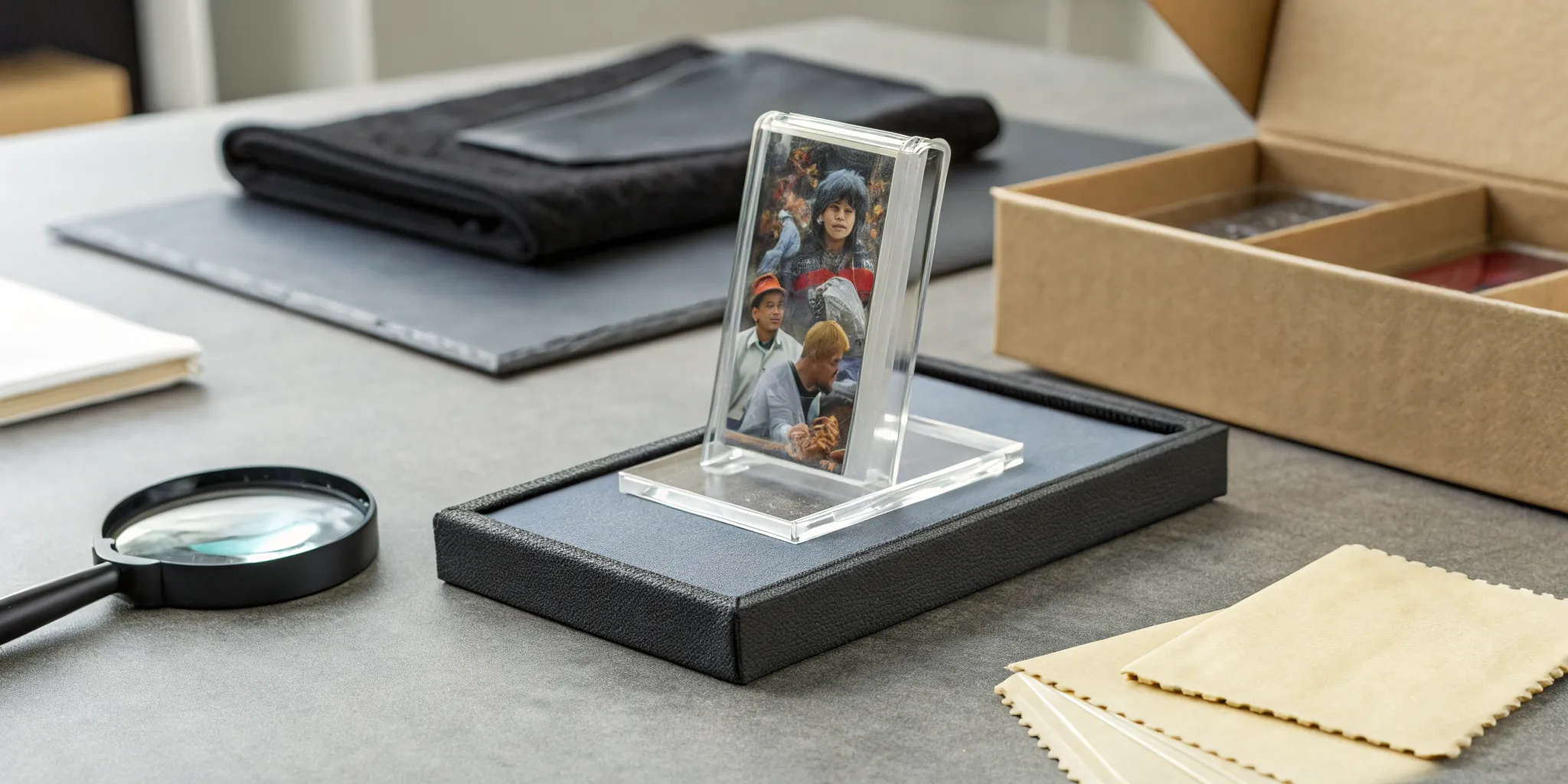
You know GameStop as the place for video games, but they’ve made a surprising move into the collectibles market. The company now offers a full-service program for grading your Pokémon and sports cards through a partnership with PSA. More importantly, they’ve also launched a buyback program, offering fair market value for high-grade slabs. This changes things for collectors looking for a straightforward way to sell their cards. If you’ve been curious about how the GameStop graded cards service works or what it means for the hobby, you’re in the right place. Here, we’ll cover all the details you need.
Key Takeaways
- Weigh convenience against the cost: GameStop's service is a fantastic starting point for new collectors because it simplifies the PSA submission process, but submitting directly to PSA is often more cost-effective and provides better tracking.
- Know the buyback requirements before you sell: If you plan to sell your cards back to GameStop, remember they only purchase PSA-graded cards that score an 8, 9, or 10, though they do offer a competitive fair market value.
- Consider digital packs for instant results: To avoid the long wait times associated with traditional grading, you can use platforms like Packz to open digital packs that contain real, physical graded cards you can have shipped or sell back immediately.
What Is GameStop's Graded Card Program?
You probably know GameStop as the go-to spot for video games, but they’ve recently jumped into the trading card scene in a big way. The company launched a program that lets you grade your cards and even sell them directly to GameStop. This initiative focuses on cards graded by PSA (Professional Sports Authenticator), one of the most respected names in the industry.
This move shows GameStop is getting serious about the collectibles market, which is great news for all of us in the hobby. The most interesting part of their buyback program is the pricing. GameStop buys PSA-graded cards at their current market value, offering a straightforward way to cash in on your collection. Whether you're looking to grade new pulls or sell existing slabs, this program creates a new, accessible option for collectors.
How the Program Works
Getting your cards graded through GameStop involves a pretty structured process. First, you'll need to place each card into a semi-rigid holder, often called a card saver. From there, you print out specific barcodes and attach them to the back of the savers. Once they're all prepped, you gently rubber-band the cards together for submission.
While you can submit cards without a GameStop account, creating one is a good idea. An account allows you to track your submission as it moves through the grading process, giving you peace of mind and a clear timeline. It’s a simple step that adds a lot of transparency to the experience.
Understanding the PSA Partnership
It’s important to know that GameStop isn't grading the cards in-house. Instead, they've partnered with PSA to handle the authentication and grading. This collaboration is key, as it lends a ton of credibility to the service. You get the convenience of a local GameStop drop-off point with the trusted expertise of a leading grading authority.
Essentially, GameStop acts as a submission hub. You bring your cards to a participating store, and they handle the logistics of sending them securely to PSA. This partnership provides a reliable channel for getting your cards graded, as outlined in GameStop's own service terms. It’s a smart way to bridge the gap between retail and professional grading.
What Cards Can You Grade Through GameStop?
GameStop's partnership with PSA means you can submit a wide variety of trading cards for grading. Since PSA is one of the biggest names in the industry, their services cover the most popular categories, including Pokémon, sports, and other major trading card games (TCGs). If you've got a potential gem in your collection, there's a good chance GameStop can help you get it graded. The process is designed to be straightforward, allowing you to drop off cards from different TCGs all in one go. Let's break down exactly what you can bring into your local store.
Pokémon Cards
Yes, you can absolutely grade your Pokémon cards through GameStop. This is a huge part of their program, especially since GameStop has also started a program to buy graded trading cards directly from collectors. By sending your Charizard or Pikachu card through their service, you're getting it graded by PSA, the industry standard for Pokémon. This gives your card an official grade and slab that is recognized by collectors everywhere, which is essential if you plan to sell it later on.
Sports Cards
Sports card collectors are in luck, too. GameStop accepts a full range of sports cards for grading, from basketball and baseball to football and hockey. As an authorized PSA dealer, GameStop acts as the middleman, sending your cards to PSA for authentication and grading. This service is available at participating stores across the United States, making it a convenient option for collectors who might not want to deal with the hassle of shipping their valuable cards themselves.
Magic: The Gathering and Other TCGs
The program isn't limited to just Pokémon and sports. You can also submit cards from other popular TCGs, like Magic: The Gathering, Yu-Gi-Oh!, and more. As long as it's a card that PSA grades, you should be able to submit it through GameStop. In fact, some collectors have already shared positive reviews after using GameStop's grading services for their Magic cards. This makes it a versatile option for collectors who have diverse portfolios spanning multiple games.
Meeting Minimum Grade Requirements
Here's an important distinction to make: you can submit almost any card for grading, but the cards GameStop will buy back have specific requirements. If your goal is to sell your newly graded card directly to GameStop, you need to aim high. According to their buyback program, they primarily offer cash or in-store credit on cards that receive a grade of 8, 9, or 10 from PSA. While you can still grade cards that you think will score lower, just know that GameStop may not be interested in purchasing them.
How to Grade Your Cards with GameStop
Ready to get your cards graded? GameStop's partnership with PSA makes the process pretty straightforward, especially if you're new to the world of grading. It breaks down the submission into manageable steps and lets you drop everything off at a local store instead of mailing it yourself. Think of it as a guided path to getting that official grade on your favorite cards. This is a great option for anyone who feels a bit intimidated by the idea of shipping valuable cards or wants a more hands-on, in-person starting point. It removes some of the guesswork and streamlines the logistics, which is a huge plus.
Here’s a simple breakdown of the five steps you’ll follow, from prepping your cards at home to getting them back in a shiny new slab. Following these steps will help make sure your submission goes smoothly and you know exactly what to expect along the way. We'll cover everything from how to inspect your cards before sending them off to what happens once they're in PSA's hands. Let's get into it.
Step 1: Pre-Grade Your Cards
Before you even think about heading to GameStop, it’s a smart move to do a little homework and pre-grade your cards yourself. Take a close look at each card under a good light. Check for the four key factors that professional graders assess: centering, corners, edges, and surface. Are the borders even? Are the corners sharp? Are there any nicks on the edges or scratches on the holographic? This initial check helps you set realistic expectations. As one collector noted, it helps you get a better idea of what grades your cards might receive, which can save you from spending money to grade a card that won't score well.
Step 2: Complete the Submission Form
Next up, you’ll need to fill out the online submission form on GameStop’s website. This is where you’ll list every card you plan to submit and declare its value. While you can submit as a guest, it's a good idea to create an account. As one user on a forum pointed out, without an account, you are unable to track your submission as it goes through the grading process. Seeing where your cards are in the queue provides great peace of mind, especially when you're eagerly awaiting the results. Once you complete the form, you'll print out the summary and the individual barcodes for each card.
Step 3: Drop Off Your Cards In-Store
With your form complete, it’s time to get your cards ready for their trip. The recommended way to package them is to place each card in a semi-rigid card holder (like a Card Saver 1). Then, take the barcodes you printed and place them on the back of the card saver for each corresponding card. A helpful tip from another collector suggests you can then gently rubber band the stack together to keep them organized. This preparation helps protect your cards and makes the drop-off process at the GameStop counter quick and easy for the employees to handle.
Step 4: Wait for PSA to Grade Your Cards
Once you drop off your cards, they begin their journey to PSA for the official grading. This is the part where you play the waiting game. At the PSA facility, your cards will be professionally authenticated and graded by experts. The traditional grading process involves a meticulous inspection of each card's condition, focusing on those same four key areas you looked at during your pre-grade: centering, edges, corners, and surface. After the grade is assigned, PSA encapsulates the card in their signature tamper-evident case with a label detailing the card’s information and final grade. This slab is what protects your card and certifies its quality for years to come.
Step 5: Receive Your Graded Cards
This is the moment you’ve been waiting for: getting your graded cards back. You'll receive a notification from GameStop when your cards have returned from PSA and are ready for pickup at the same store where you dropped them off. The turnaround time can vary depending on the service level and how busy PSA is. To give you an idea, one collector who submitted a large batch of 86 cards shared that it took 41 business days to receive them back. Head back to the store, pick up your newly slabbed cards, and enjoy seeing the official grades on your collection.
How Much Does GameStop's Grading Service Cost?
Getting your cards graded is an investment, and it’s smart to understand the costs before you commit. GameStop’s service streamlines the process, but it comes with its own pricing structure that includes base fees, potential upcharges for valuable cards, and shipping. The final price tag will depend on how many cards you submit and their estimated value. While GameStop sometimes runs promotions, you should plan for a few different costs when you budget for your submission. Let's break down what you can expect to pay.
Base Grading Fees
The primary cost is the per-card grading fee. This is the flat rate you pay for PSA to evaluate and slab each card. While GameStop doesn't always publicize a fixed price list, collectors have shared their experiences online. For example, one user on Reddit calculated that grading a collection of 86 cards cost between $1,400 and $1,800. That breaks down to roughly $16 to $21 per card before any other charges. This gives you a solid baseline for what to expect for standard, modern cards that aren't considered exceptionally high-value.
Extra Fees for High-Value Cards
If you’re submitting a card you believe is worth a lot of money, be prepared for additional fees. Grading companies, including PSA, charge more to grade high-value cards to cover the increased liability and insurance. This means if you pull a rare Charizard or a coveted rookie card, the base fee won't be your final cost. One collector noted that using GameStop was about $170 more expensive for 89 cards compared to submitting them with a PSA membership. You're essentially paying a premium for the convenience of an in-person drop-off, so it’s a trade-off to consider for your most prized cards.
Saving Money with a Pro Membership
If you plan on using the service more than once, a GameStop Pro Membership can be a worthwhile investment. While you can submit cards without an account, members often get access to discounts on grading fees. Even a small percentage off per card can add up quickly on a large submission. More importantly, having an account allows you to track your submission as it moves through the grading process. That peace of mind alone can be worth the price of membership, as it gives you visibility from the moment you drop your cards off until they’re safely back in your hands.
How Long Does the Grading Process Take?
Once your cards are out of your hands, the waiting game begins. This is often the hardest part for any collector, so it helps to have a realistic idea of the timeline. The exact duration can vary, but you should prepare to be patient. Remember, PSA’s experts are conducting a thorough review of your cards, carefully assessing key factors like centering, corners, edges, and surface to assign an accurate grade. This meticulous process takes time.
While GameStop doesn't provide a guaranteed return date, the entire journey from in-store drop-off to getting your graded cards back can take several weeks. Collectors have reported wait times of around 40 to 45 business days after the cards are shipped from GameStop to PSA. That means you could be looking at roughly two months before your slabs are back in your possession. For the most current turnaround estimates, it's always a good idea to check the official GameStop card grading service page.
A helpful tip for managing the wait is to create a PSA account if you don't already have one. While you can submit your cards at GameStop without an account, having one allows you to track your submission as it moves through the grading queue. Seeing that progress, even if it’s slow, can provide some peace of mind while you wait for the final results.
Is Grading Cards Through GameStop Worth It?
So, what’s the final verdict on GameStop’s grading service? The answer really depends on your goals, your budget, and how comfortable you are with the process. While the convenience of dropping your cards off at a local store is a major draw, there are some important trade-offs to consider. For some collectors, it’s a perfect, streamlined solution. For others, going directly to the source is still the best path. Let’s break down who the service is best for and what potential downsides you should keep in mind.
Who It's Best For
GameStop’s service is a great fit for collectors who value convenience above all else. If you’re new to grading and feel intimidated by the process of packaging, insuring, and shipping your cards, the in-store drop-off is a huge plus. It’s also an excellent option if your main goal is to sell your cards. GameStop has a program where they will buy PSA-graded cards, so using their service creates a simple, all-in-one path from grading to selling. If you want a straightforward experience without managing multiple accounts or shipping labels, this program was designed with you in mind.
Potential Downsides to Consider
Before you hand over your prized cards, there are a couple of potential drawbacks to be aware of. Some collectors have voiced concerns online about store employees handling high-value cards. A more significant issue, however, is the lack of transparency during the grading process. Because the submission is made through GameStop’s account, you don’t get your own login to track its progress. As one collector detailed in a grading experience walkthrough, there’s no way of knowing if your cards are waiting in a queue at PSA or have been misplaced. This can be a major source of anxiety, especially when you’re dealing with valuable or sentimental cards.
When to Go Directly to PSA Instead
If you’re looking to save money or you’re submitting a large batch of cards, going directly to PSA is almost always the better choice. While GameStop’s fees are straightforward, they can add up. Collectors on Reddit have estimated that using GameStop’s service can cost significantly more than a direct submission, with one user calculating an extra $170 for 89 cards. Submitting directly also gives you full control and tracking visibility. For experienced collectors or anyone planning to grade regularly, a PSA Collectors Club membership can quickly pay for itself through lower fees and faster turnaround times, making it a more economical and secure option in the long run.
How to Sell Your Graded Cards to GameStop
So, you’ve got a freshly graded card back from PSA, and it’s a beauty. What now? If you’re looking to sell, GameStop’s buyback program is an interesting option to consider. It’s a straightforward way to turn your high-grade cards into cash or store credit without the hassle of listing them on an auction site. Before you head to your local store, though, it’s important to know exactly what they’re looking for and how the process works. Let's walk through the details so you can decide if it's the right move for you.
What Cards GameStop Buys
GameStop is pretty specific about the cards it accepts, so you’ll want to check your collection before making the trip. They only purchase official PSA-graded trading cards that feature the modern Lighthouse label for authenticity. This means cards graded by other companies or raw cards won't make the cut. Furthermore, they are only interested in cards that have achieved a grade of 8, 9, or 10. Their in-store team is trained to verify these details, ensuring they only buy authentic, high-grade collectibles. You can find the full list of requirements on the GameStop Graded Trading Cards page to confirm if your card is eligible.
How They Determine Fair Market Value
One of the most surprising and positive aspects of GameStop's program is its pricing model. The company pays the fair market value for eligible PSA-graded cards. This was a welcome development for collectors, many of whom expected a typical trade-in program that offers significantly less than a card's actual worth. By offering market value, GameStop positions itself as a competitive option for selling your cards. This approach respects the value of your collection and makes the process feel much more like a legitimate sale than a simple trade-in, a fact that the collector community has noted.
Choosing Between Cash and Store Credit
When you sell your card to GameStop, you get to decide how you want to be paid: with cash or in-store credit. The best choice really depends on your personal goals. If you need money for bills or want to fund another hobby, taking the cash is the obvious move. However, if you’re planning to buy video games, accessories, or even more trading cards, opting for store credit could be a smart play. Sometimes retailers offer a small bonus for choosing credit, so it’s always worth asking. This flexibility allows you to choose the payout method that best suits your needs at that moment.
Tips for Your First Submission
Sending your cards off for grading is a big step, and you want to make sure you get it right. It’s an exciting process, but a little preparation can make all the difference between a great experience and a frustrating one. Taking the time to do some research and set realistic expectations will help you make the most of your submission and avoid any costly surprises. Here are a few key tips to keep in mind before you head to your local GameStop.
Research Card Values Before You Submit
Before you even think about filling out a submission form, you need to do your homework on your cards' potential worth. Grading isn't free, so you want to be sure the cost is a worthwhile investment. A card’s value can change dramatically based on its condition, so look up prices for raw cards versus graded versions. This will give you a clearer picture of the potential return. As one collector on Reddit noted, "If you plan to grade many cards, carefully check the costs. Submitting directly to PSA with a membership might save you money and time." You can check the current market value of your cards on various online platforms to decide if grading makes financial sense for your specific collection.
What to Do with Cards GameStop Won't Accept
It’s also important to know what happens if GameStop doesn’t accept your cards for a trade-in after they’re graded. According to GameStop's own guidelines, they accept "official PSA graded trading cards with the Lighthouse label. Our team is trained to analyze PSA graded cards for authenticity and to offer cash or in-store credit on cards rated 8, 9, or 10." This means any cards that come back with a grade of 7 or lower won't be eligible for their buyback program. Don't worry, you still have options. You can sell these graded cards on other online marketplaces, trade them with fellow collectors, or simply add them to your personal collection.
Other Ways to Buy and Sell Graded Cards
While GameStop offers a convenient in-person drop-off, it’s far from the only way to get your hands on graded cards or sell the ones you have. The online space has opened up some exciting and efficient alternatives for collectors who want to skip the long waits and complex submission forms. From instant-reveal digital packs to bustling online marketplaces, you have more options than ever to build and manage your collection. These methods can add a new layer of fun and strategy to your hobby, whether you’re chasing a specific grail card or just love the thrill of the reveal.
Try Digital Packs with Packz
If the long turnaround time for grading is your biggest frustration, digital packs are a game-changer. Platforms like Packz have transformed how you can acquire graded cards. You can buy and open virtual packs online instantly, and every pack contains a real, physical graded card that you can have shipped to your door. This gives you the classic pack-opening excitement without the wait. Plus, if you pull a card you don’t want for your personal collection, you can use the buyback option to immediately sell it back for account credit. Many collectors find that graded card mystery packs are worth it for the instant gratification and easy liquidity alone.
Exploring Other Marketplaces
Beyond the digital pack experience, a variety of online marketplaces cater specifically to graded card collectors. These platforms offer another way to buy and sell cards directly with a community of fellow enthusiasts. For instance, platforms like Courtyard.io let you rip digital packs to reveal physical trading cards, blending the digital and physical collecting experience. Exploring the different sites to open sports card packs online can help you find the one that best fits your collecting style. Each platform has its own unique features and community, so it’s worth checking out a few to see where you feel most at home.
Related Articles
- Cash for Graded Cards: A Complete Seller's Guide | Packz Blog
- What Is a Graded Card? A Beginner's Guide | Packz Blog
Frequently Asked Questions
Is it cheaper to use GameStop's service or go directly to PSA? For most people, especially those submitting multiple cards, going directly to PSA with a Collectors Club membership will be more cost-effective. GameStop's service includes a convenience fee for handling the logistics, which can add up. However, if you're new to grading or only have one or two cards, the simplicity of an in-person drop-off at GameStop might be worth the slightly higher cost to avoid the hassle of shipping and insurance.
What happens if my card gets a grade lower than an 8? While GameStop's buyback program is limited to cards graded 8, 9, or 10, getting a lower grade is not a total loss. Your card will still be returned to you authenticated and protected in a PSA slab. This official grade still adds value and makes it easier to sell on other platforms like eBay or trade with other collectors. You just won't be able to sell it back to GameStop for cash or store credit.
Do I really need to pre-grade my cards at home? While it's not a mandatory step, I highly recommend it. Taking a few minutes to inspect your cards for obvious flaws like off-centering, soft corners, or surface scratches helps you set realistic expectations. It can also save you money. If you spot a significant defect, you might decide that the card isn't a good candidate for grading, saving you the submission fee. Think of it as a quick quality check before you invest.
How can I track my submission if I go through GameStop? This is one of the main trade-offs with the service. Because GameStop submits the cards to PSA under their own business account, you lose the ability to track your order directly on the PSA website. Creating a GameStop account when you submit can give you some updates, but it won't provide the same detailed, step-by-step progress you get with a direct submission. This lack of visibility can be nerve-wracking, so it's something to consider.
Why is GameStop even getting into card grading? It's a smart move that shows they are paying attention to the massive growth in the collectibles market. By partnering with a trusted name like PSA, GameStop provides a bridge for its huge customer base to enter the world of card grading. The most interesting part is their buyback program, which offers fair market value. This makes them a serious player and gives collectors a reliable, mainstream option for both grading and selling their cards.
Recommended Reading
Cash for Graded Sports Cards: The Fastest Ways to Sell
Get cash for graded sports cards faster. Compare auction houses, marketplaces, and instant buyback options to pick the route that fits your timeline.
How to Compare Value in Sports Card Packs
Learn how to compare sports card packs using card quality, available pulls, pricing clarity, and Packz’s 100% buyback option.
How to Buy Pokemon Packs Online for Ripping
Ready to buy pokemon packs online for ripping? Get transparent pack value and clear pull odds so you never overpay for the thrill of the hunt. Start collecting safely.