
February 25, 2026
What Is My Card Value? A Step-by-Step Guide
Learn how to determine your card value with clear steps, expert tips, and common mistakes to avoid when buying, selling, or collecting trading cards.
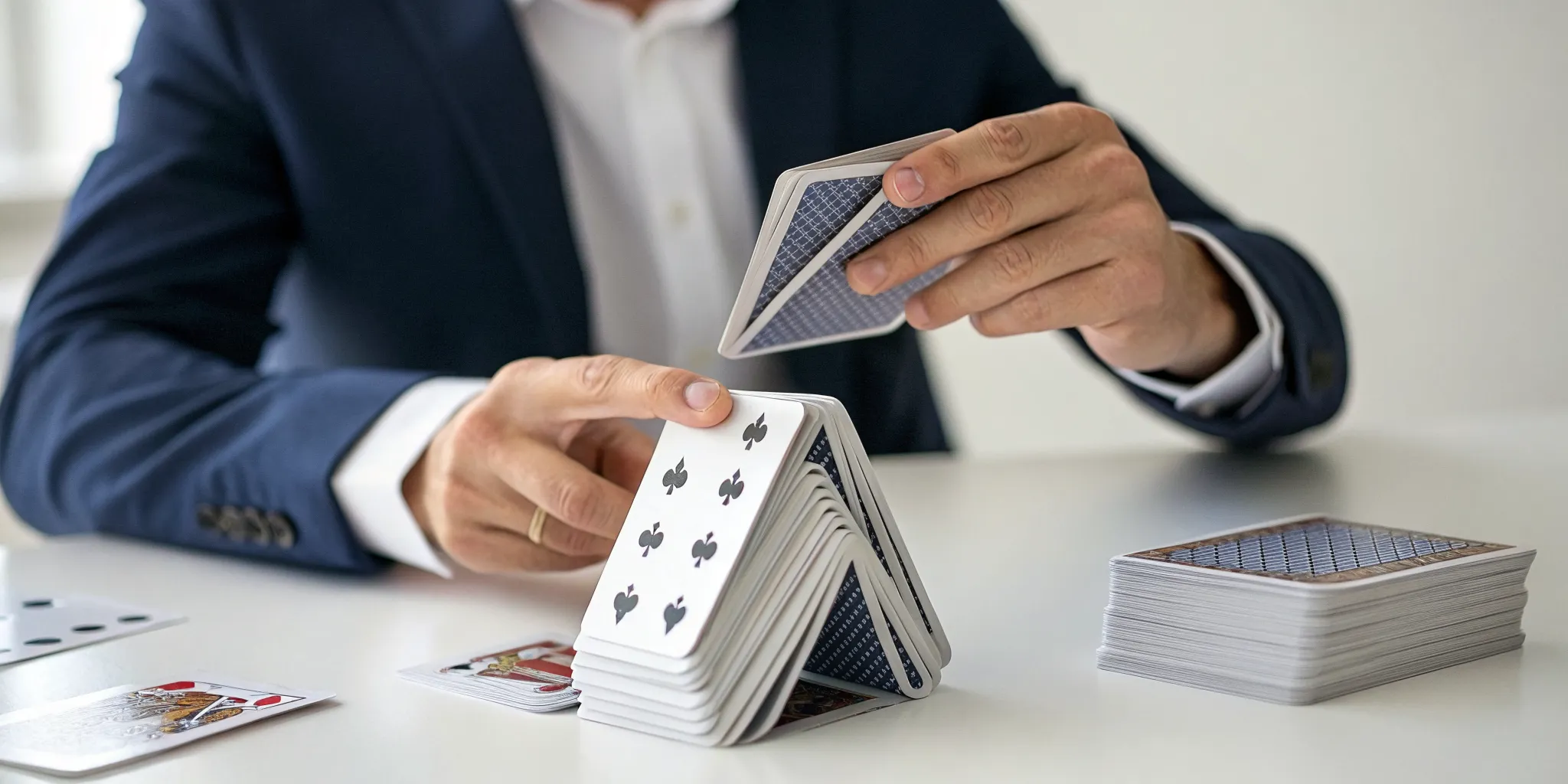
Maybe you just rediscovered your childhood collection in a dusty box, or perhaps you’re just getting into the hobby. Either way, you’re probably looking at a stack of cards and wondering if you’re sitting on a goldmine. The truth is, you might be. But determining the real card value requires more than just a quick online search. It’s a process of looking at rarity, condition, player popularity, and current market demand. This article is your roadmap. We’ll break down exactly what makes a card valuable, show you how to research prices like a pro, and help you avoid common mistakes so you can accurately assess what your collection is truly worth.
Key Takeaways
- Know what makes a card valuable: A card's price is driven by four main things: its rarity, its physical condition, the popularity of the player or character, and the current demand from other collectors.
- Price your cards using real data: To find a card's true market value, check recently sold listings on sites like eBay, consider professional grading for important cards, and use online price guides as a starting point.
- Increase your collection's worth with smart habits: Protect your investment by storing cards properly, strategically time your purchases and sales with market trends, and build a focused collection to attract serious buyers.
What Makes a Trading Card Valuable?
Pulling a holographic Charizard or a rookie card of your favorite quarterback feels amazing. The first thing most of us wonder is, “What is this thing actually worth?” Figuring out a trading card's value is part art, part science. It’s not just about how old a card is or how cool it looks; it's a complex puzzle where every piece matters. The price of any card is ultimately determined by a mix of factors that all come down to one simple economic principle: supply and demand.
Think of it this way: if a card is incredibly rare but no one wants it, it won’t be worth much. On the other hand, if a card is wildly popular but millions of copies are floating around, its value will also be limited. The sweet spot is finding a card that everyone wants but few people can get their hands on. A trading card's value is also incredibly dynamic. The market is constantly shifting based on player performance, new set releases, and what collectors are currently excited about. A quarterback leading their team to a championship can cause their rookie card prices to spike overnight. Similarly, a Pokémon's feature in a new video game can reignite interest and drive up the price of its older cards. Understanding these moving parts is the first step to accurately valuing your collection.
Understanding the Basics of Card Value
When you get down to the nitty-gritty, a few key elements consistently drive a card's price. These are the heavy hitters you should always look for. First is the player or character on the card. Cards featuring iconic, high-performing, or legendary figures will almost always command more attention. Next is rarity, which can mean a low print run, a special parallel version, or a serial-numbered card. The fewer copies that exist, the more valuable each one becomes. Finally, the card's condition is critical. A card in mint condition is far more desirable than one with frayed edges or surface scratches. These primary factors work together to create the foundation of any card's market value.
How to Determine Your Card's Worth
Figuring out what your trading cards are worth doesn't have to be a guessing game. While a card's value can change based on market trends and player performance, there are a few reliable methods you can use to get an accurate estimate. By combining online resources, professional assessments, and real-time sales data, you can get a clear picture of your collection’s value. Let's walk through the three key steps to determine what your cards are really worth.
Check Online Price Guides
A great starting point for any card valuation is an online price guide. Websites like PSA and Beckett aggregate sales data to provide a general value for graded cards. For Pokémon cards, TCGPlayer is an excellent resource for raw card prices. These guides give you a solid baseline. You can also engage with trading card communities on forums or social media. Experienced collectors are often happy to share their knowledge and offer opinions on a card's potential value. Just remember that price guides are snapshots in time, so use them as one piece of the puzzle, not the final word.
Use Professional Grading Services
If you believe you have a valuable card, getting it professionally graded is a critical step. Companies like Professional Sports Authenticator (PSA), Beckett Grading Services (BGS), and Certified Guaranty Company (CGC) assess your card's condition on a scale, typically from 1 to 10. This grade removes subjectivity and gives buyers confidence in the card's quality. A high grade from a reputable service can dramatically increase a card's value. As one collector noted, it's important to get your cards appraised to maximize their worth, turning a great card into a premium asset.
Research Recent Sales Data
The most accurate way to find a card's current market value is to see what people are actually paying for it right now. The trading card market is dynamic and can fluctuate based on player hype, new releases, and collector demand. Check recently sold listings on eBay by using the "Sold Items" filter. Websites like 130point.com also compile this data from various auction sites. This research shows you the true market price, which can sometimes differ from price guides. Understanding how to assess the value of your cards by looking at real-world transactions is the key to smart buying and selling.
What Are the Biggest Factors in Card Value?
Figuring out what a card is worth can feel like solving a puzzle. It’s rarely just one thing that sets a card’s price. Instead, a combination of factors comes into play, from how many were printed to who’s on the front. Understanding these key drivers is the first step to accurately valuing your collection and making smart decisions, whether you’re buying, selling, or just appreciating what you have. Let's break down the four main pillars of card value.
Rarity and Print Run
At its core, collecting is about owning something special, and nothing says special like rarity. The basic rule is simple: the fewer copies of a card that exist, the more valuable it tends to be. This concept, known as scarcity, is a huge driver of value. Manufacturers create this rarity through limited print runs, short-printed variations, or cards with serial numbers (like 15/100). A card from a set with a massive print run will almost always be less valuable than a special insert that was much harder to find. Always check for serial numbers or other indicators of a limited release when you're assessing a card.
Card Condition and Grade
A rare card is great, but its condition can make or break its value. A card that looks like it just came out of the pack will always be worth more than one with frayed corners and creases. This is where professional grading comes in. The grading of a card is a huge determiner of its value, with mint condition examples fetching the highest prices. Graders at companies like PSA and BGS examine four key areas: the sharpness of the corners, the smoothness of the edges, the centering of the image, and the flawlessness of the surface. A high grade from a reputable company authenticates the card's quality and gives buyers confidence, which directly translates to a higher price.
Player or Character Popularity
Who is on the card is just as important as the card itself. The simple truth is that some cards gain long-term value simply because of who’s in them. A rookie card of a Hall of Fame athlete like LeBron James will always have more interest than a card of a benchwarmer from the same set. The same goes for Pokémon; a base set Charizard is iconic for a reason. A player’s career achievements, legacy, and overall fan base create a consistent demand that keeps their card values high. This factor is dynamic, too. A player having a breakout season or a character featuring in a new movie can cause their card prices to spike.
Current Market Demand
Finally, all these factors are filtered through the lens of market demand. Like anything else you can buy, a trading card's value is affected by supply and demand. If a card is in high demand, its value will increase. This demand can be influenced by nostalgia, current sports headlines, or trends within the collecting community. For example, a documentary about a famous team might spark new interest in players from that era, driving up their card prices. Staying aware of what’s currently popular in the hobby is key to understanding why some cards are hot right now while others have cooled off. The market is always moving, and demand is its engine.
Common Card Valuation Mistakes to Avoid
Figuring out a card's value is exciting, but it's also a process where it's easy to get tripped up. A few common missteps can lead you to either overpay for a card or sell one for far less than it's worth. The good news is that these mistakes are completely avoidable once you know what to look for. It’s not about having a magic touch; it’s about having a solid process and knowing where the usual pitfalls are.
From getting overly excited about a printing quirk to putting too much faith in a random forum post, collectors of all experience levels can make these errors. The key is to approach valuation with a healthy dose of skepticism and a commitment to doing your homework. By learning to spot these common mistakes, you can protect your investment, make smarter trades, and build a collection you’re truly proud of. Let’s walk through some of the most frequent valuation traps and how you can sidestep them.
Overestimating Error Cards
Finding a card with a typo or a weird printing flaw can feel like striking gold, but it’s important to manage your expectations. While some error cards are legendary and command high prices, the truth is that most are just minor, common printing defects with little to no added value. An error can be anything from a misspelled name to a wrong statistic or a reversed image. Before assuming you have a treasure, do some specific research. A quick search can help you understand the value of that particular error and determine if it’s a sought-after variant or just a simple production hiccup.
Ignoring the Impact of Grading
Selling a high-value card "raw," or ungraded, is one of the biggest ways collectors leave money on the table. The condition of a card is a massive factor in its final price, and professional grading is the only way to officially certify it. The value difference between a card graded as a 9 and a pristine 10 can be thousands of dollars. Grading provides a standardized, objective assessment that buyers trust, removing any guesswork about the card's quality. While it costs money to get a card graded, the potential return on investment for a card in great condition makes it a critical step you shouldn't ignore.
Trusting Unreliable Sources
In the collecting world, everyone has an opinion, but not all opinions are created equal. One of the most common sports card mistakes is trusting unverified information from a random social media account, forum, or dealer. Always cross-reference information with reliable sources. Stick to established price guides and check recent, verified sales data from major online marketplaces. An asking price on a listing isn't proof of value; a completed sale is. Be critical of the information you consume and prioritize data over opinions to make sure you’re getting an accurate picture of your card’s worth.
Skipping Market Research
The trading card market is constantly changing. A player getting hot, a new movie release, or a surge in collector interest can cause prices to shift quickly. Simply looking up a card’s value once isn’t enough. Without proper research, you might buy a card at its peak price only to see it drop, or sell a card right before its value spikes. Make a habit of tracking the sales history of cards you’re interested in. This helps you understand market trends, identify fair prices, and avoid making impulsive decisions that you might regret later.
Where to Buy and Sell for the Best Value
Once you have a solid idea of your card's value, the next step is finding the right place to buy or sell. The platform you choose can significantly impact your final profit and overall experience. Each option has its own set of benefits, whether you’re looking for top dollar on a rare find or a quick and easy way to move your collection. Let's look at the most common avenues for trading cards.
Online Marketplaces
Online marketplaces are often the first stop for collectors. Websites like eBay give you access to a massive global audience, which is great for finding a buyer for almost any card. The process is straightforward: you list your card, set a price, and wait for a buyer. However, this reach comes at a cost. You’ll have to account for seller fees, payment processing fees, and shipping costs, which can eat into your profits. Before listing, it’s a good idea to engage with trading card communities on forums or social media. These groups are fantastic resources for getting a final gut check on your pricing and presentation.
Digital Pack Platforms
A newer and exciting way to get into the hobby is through digital pack platforms. These sites let you buy and open mystery packs online, revealing graded cards from your favorite sports or series like Pokémon. After the reveal, you have a choice: have the physical card shipped to your doorstep or sell it back to the platform instantly for site credit. This model is perfect if you love the thrill of opening packs but want to avoid the hassle of storing, listing, and shipping cards you don't want to keep. It offers a streamlined way to build your collection while giving you an immediate out for cards that don't fit your goals.
Auction Houses
If you’re holding a truly high-end, rare, or iconic card, an auction house is your best bet. Reputable houses like Goldin specialize in connecting sellers of premium collectibles with serious, high-spending buyers. They handle the marketing, authentication, and transaction process, ensuring your prized card gets the attention and price it deserves. While their commission fees are higher than on open marketplaces, the potential for a record-breaking sale often makes it worthwhile. This is the ideal route when you want to sell the most expensive cards from your collection individually and professionally.
Direct Sales
Selling directly to another person is the most hands-on approach, but it can also be the most profitable since you cut out the middleman and avoid platform fees. You can sell in person at local card shops and trade shows or find buyers online through Facebook groups and Instagram. The key is to find a trustworthy buyer and arrange a secure transaction. If you're trying to get the most money per card, selling locally is often a great strategy. This method gives you full control over the process, allowing you to time the market and connect directly with other people who share your passion for the hobby.
How to Maximize Your Collection's Value
Getting the most out of your collection isn’t just about finding rare cards; it’s about playing the long game. With a bit of strategy, you can turn your passion project into a valuable asset. It comes down to knowing when to act, how to protect your investments, and where to focus your energy. Here are some key strategies to help you grow your collection's value.
Time Your Buys and Sells Strategically
The trading card market has its own rhythm, and learning to anticipate it can make a huge difference. For sports cards, this often means buying during the off-season when prices are lower and selling when a player is getting a lot of hype. You can identify seasonal trends and time the market for bigger profits. For Pokémon, value spikes can be tied to game anniversaries or new releases. Patience is your best friend here. Watch for breakout performances and shifts in popularity to know the perfect moment to make a move.
Store and Protect Your Cards Properly
A card’s condition is one of the biggest factors in its value, so protecting your collection is non-negotiable. Even a tiny corner ding or surface scratch can dramatically lower a card’s grade and price. The basics are simple: use penny sleeves and top loaders for protection. For your most valuable cards, consider magnetic cases or getting them graded and sealed in a slab. Always store your collection in a cool, dry place away from direct sunlight to prevent fading and warping.
Build a Focused Collection
A focused collection is often more valuable than a random one. Instead of collecting broadly, try specializing in a niche, like a specific player’s rookie cards or a single Pokémon set. A curated collection is more appealing to potential buyers who share that interest. Without proper research, collectors may invest in cards that seem valuable at first but depreciate over time. Focusing your efforts helps you become an expert and make smarter buys. Getting your key cards appraised will also help you understand their true worth.
Follow Current Market Trends
The card market is dynamic, with prices constantly changing. Staying informed is key to making smart decisions. The best way to keep your finger on the pulse is to engage with trading card communities online. Forums like Reddit, social media groups, and Discord servers are excellent resources for gathering insights and tracking what’s hot. Following industry news and hobby-related podcasts can also give you an edge, helping you spot trends before they become mainstream and acquire cards with high potential.
Related Articles
- The Collector's Trading Card Value Checker Guide | Packz Blog
- How to Price Trading Cards: A Step-by-Step Guide | Packz Blog
Frequently Asked Questions
Is it always worth it to get my cards professionally graded? Not necessarily. Grading is a strategic investment that makes the most sense for cards that are already valuable, rare, or iconic and in great condition. For a common card or one with noticeable wear, the cost of grading could easily be more than the value it adds. Think of grading as the final step to certify the quality of a premium card and maximize its price, not as a way to make a low-value card suddenly worth a lot.
Why do the prices I see in online guides differ from what cards are actually selling for? Think of price guides as a helpful starting point, like a snapshot of a card's value at a particular moment. The actual market, however, is constantly moving. Recent sales data from places like eBay's sold listings shows you what people are willing to pay for a card right now. This real-time information is the most accurate reflection of a card's current market value, which can change quickly based on player performance or collector trends.
I have a card with a printing error. Does that automatically make it valuable? It's a common misconception that any printing flaw creates a valuable card. While a few famous error cards are highly sought after, the vast majority are just minor production defects that don't add any value. Before getting too excited, you should research that specific error. A quick search will usually tell you if it's a known, collectible variant or just a common printing quirk.
What's the best way to sell my cards if I'm just starting out? If you're new to selling, online marketplaces like eBay are a great place to start because they give you access to a huge number of potential buyers. Just be mindful of the seller fees. Another great option is joining online collector communities on platforms like Facebook or Reddit. Selling directly to another collector there can help you avoid fees, but always make sure you use a secure payment method.
How do I know if I should focus on collecting sports cards or Pokémon cards? The best advice is to collect what you're genuinely interested in. Both markets have incredible depth and potential for high-value finds. Your passion will drive you to do the necessary research to understand the key players, sets, and market trends. A focused collection built around something you love is often more valuable and certainly more rewarding than a random assortment of cards you think might be popular.
Recommended Reading
Cash for Graded Sports Cards: The Fastest Ways to Sell
Get cash for graded sports cards faster. Compare auction houses, marketplaces, and instant buyback options to pick the route that fits your timeline.
How to Compare Value in Sports Card Packs
Learn how to compare sports card packs using card quality, available pulls, pricing clarity, and Packz’s 100% buyback option.
How to Buy Pokemon Packs Online for Ripping
Ready to buy pokemon packs online for ripping? Get transparent pack value and clear pull odds so you never overpay for the thrill of the hunt. Start collecting safely.