
March 7, 2026
7 Astral Radiance Chase Cards Worth Hunting
Find out which Astral Radiance chase cards are the most sought-after and learn tips for collecting these standout Pokémon cards for your collection.
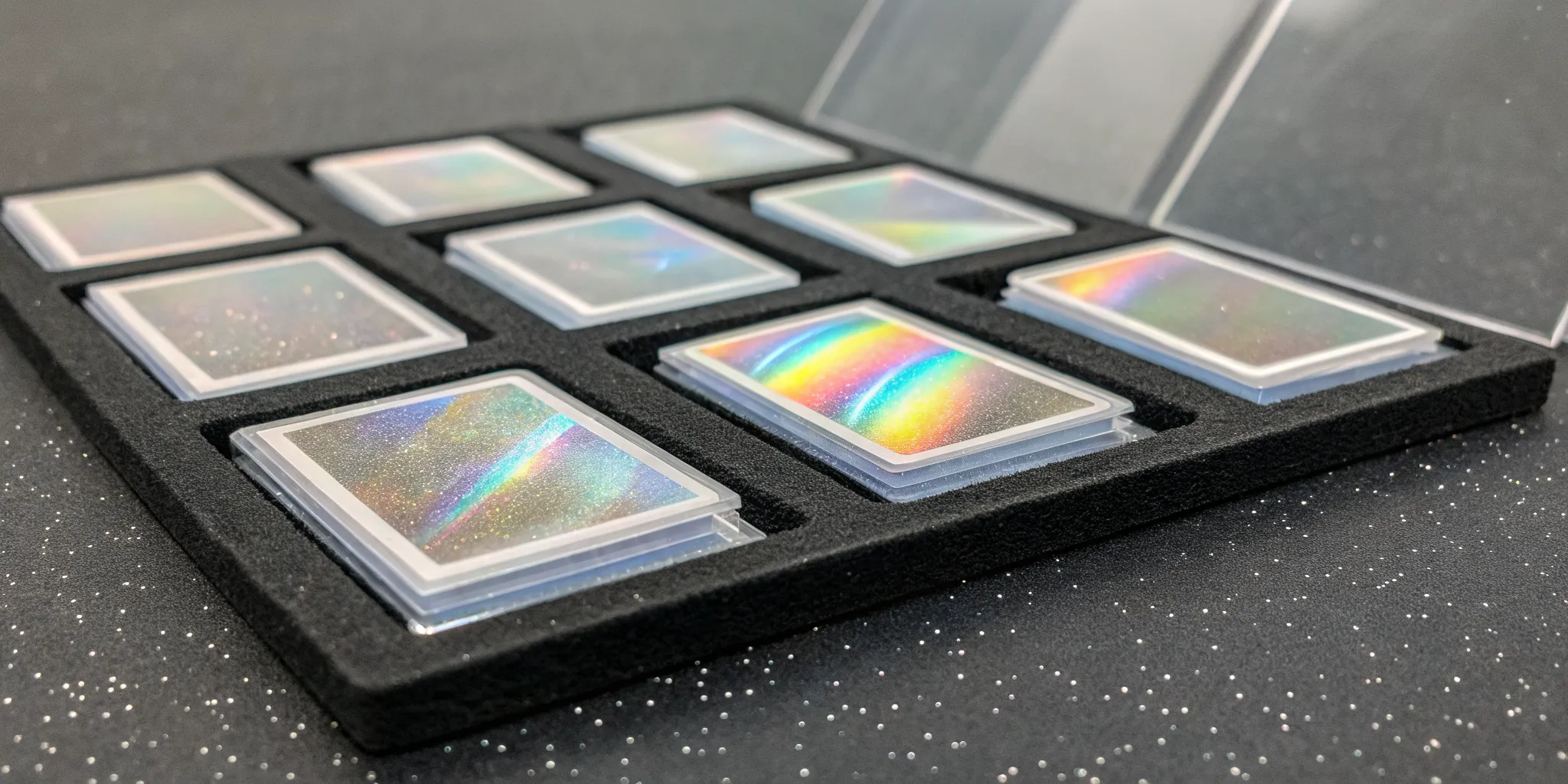
There’s a unique magic to opening a Pokémon card pack. It’s that split second of anticipation before you reveal the final card, hoping for a flash of holographic foil. That feeling is what collecting is all about, and it’s amplified when you’re hunting for a true treasure. In the Sword & Shield: Astral Radiance set, these treasures are known as chase cards, the ultra-rare, beautifully illustrated cards that everyone wants to find. They are the crown jewels of the set. This guide is your map to finding the top Astral Radiance chase cards, explaining what makes them so valuable and how you can add them to your own collection.
Key Takeaways
- Define your collection goals: Build a collection you truly love by focusing on specific cards or sets that excite you. A clear plan helps you make smarter purchases and avoid the common mistake of buying based on hype instead of personal passion.
- Verify authenticity and condition before you buy: Protect your investment by learning how to spot fake cards. Always check for key details like print quality, proper texture on full art cards, and authentic holo patterns to ensure you're getting the real deal.
- Protect your cards and grade them wisely: Keep your chase cards in top shape with proper storage like sleeves and binders. For your most valuable pulls, consider professional grading only after confirming the potential increase in value outweighs the costs.
What is a Chase Card in Astral Radiance?
In the world of the Pokémon Trading Card Game, a "chase card" is exactly what it sounds like: a card so desirable that collectors and players will chase after it. These are the cards that make your heart skip a beat when you see that glimmer of holo foil at the back of a booster pack. What makes a card a chase card? It’s usually a combination of factors: extreme rarity, stunning alternate artwork, game-changing power for competitive play, and, of course, high market value.
The Sword & Shield: Astral Radiance set has its own legendary lineup of these must-have cards. While every pack opening is a thrill, pulling one of the set's chase cards is the ultimate prize. These are the cards that define the set for many collectors and become the centerpiece of their binders. They often feature incredible illustrations that tell a story, making them miniature pieces of art.
For Astral Radiance, the chase cards include powerful Pokémon like Origin Forme Palkia V and Machamp V, but with unique, full-card artwork that sets them apart from their standard versions. These are some of the most valuable cards in the set because they are not only tough to find but also visually spectacular. Hunting for them is what makes collecting this set so exciting, as each pack holds the potential for a massive discovery.
The Top Chase Cards in Astral Radiance
The Astral Radiance Pokémon card set has quickly become a fan favorite for both collectors and investors, and it’s easy to see why. This set is packed with incredible "Alternate Art" cards, stunning illustrations, and some of the most popular Legendary Pokémon from the Hisui region. If you’re ripping open packs, these are the cards that will have your heart pounding.
The real stars of the show are the alternate full art cards, which feature unique, story-driven artwork that goes beyond the standard Pokémon poses. These cards are more than just game pieces; they are miniature masterpieces that capture a moment in a Pokémon's life. Beyond those heavy hitters, the set also includes a beautiful 30-card Trainer Gallery subset, featuring special illustrations of Pokémon with their trainers. This adds another layer of collectibility and emotional connection for fans. With so many incredible cards to find, every pack of Astral Radiance holds the potential for a massive win. Let’s break down the specific cards you should be looking for.
The Crown Jewel: Machamp V Alternate Art
If there’s one card that defines the Astral Radiance set, it’s the Machamp V Alternate Art. This card is the undisputed champion and the one everyone wants to pull. The artwork is incredibly dynamic, showing Machamp in a bustling marketplace, and it hits a nostalgic note for long-time fans. Its rarity and lively art make it a centerpiece for any collection. An ungraded version can fetch a high price, but a perfectly graded PSA 10 copy is a true treasure. This is the kind of card that makes opening a set like Astral Radiance so exciting.
The Legends: Origin Forme Palkia V & Dialga V Alternate Arts
Right behind Machamp are the two legendary titans of space and time. The Origin Forme Palkia V Alternate Art is a work of art, featuring a surreal, almost dream-like style that makes it stand out from any other card. It’s a visually stunning piece that captures the mysterious power of Palkia. Not to be outdone, the Origin Forme Dialga V Alternate Art showcases the temporal Pokémon in a powerful, god-like pose against a celestial backdrop. Both of these cards are major pulls with significant value, and their unique aesthetics make them highly desirable for players and art lovers alike.
Character Rares Worth the Hunt
Beyond the big alternate arts, the Trainer Gallery subset offers some of the most beautiful and collectible cards in Astral Radiance. These cards feature Pokémon alongside their trainers, telling a small story within a single illustration. They showcase the special bond between a trainer and their partner Pokémon, adding a layer of personality that standard cards sometimes lack. Pulling a card like the vibrant Starmie V with Misty or the powerful Garchomp V with Cynthia feels like a huge win. These Character Rares are a fantastic way to build a visually diverse and meaningful collection.
Must-Have Secret Rares
The hunt doesn’t stop with the Trainer Gallery. Astral Radiance is loaded with 27 Secret Rare cards, which are some of the toughest pulls in the entire set. On average, you’ll only find a Secret Rare in about one out of every 49 booster packs, making them truly special finds. This category includes the dazzling Rainbow Rare and shimmering Gold Rare cards that collectors love. Pulling a Gold Origin Forme Palkia VSTAR or Dialga VSTAR is an unforgettable moment. These cards have a distinct texture and shine that make them pop, and they are essential for anyone trying to complete a master set.
Why Are These Cards So Valuable?
Ever wonder why one Pokémon card is worth a few cents while another is worth hundreds or even thousands of dollars? It’s not just random chance. A card's value comes from a mix of factors that appeal to different kinds of people, from dedicated collectors to competitive players. It’s a fascinating blend of simple supply and demand, beautiful art, and pure emotional connection. Understanding these key elements can help you spot the true gems in any set and appreciate what makes them so special.
Rarity and Scarcity
The most straightforward reason a card is valuable is its rarity. The harder a card is to find, the more people are willing to pay for it. In sets like Astral Radiance, certain cards, known as Secret Rares, are intentionally printed in much smaller quantities. For example, the pull rates for Astral Radiance show that you might only find a Secret Rare in about 1 out of every 49 booster packs. This built-in scarcity creates a natural treasure hunt. When you finally pull that elusive card, you know you’re holding something that very few others have, and that’s what makes it a prized possession.
Artwork and Nostalgia
Sometimes, a card’s value is all about the art. An incredible illustration can turn a good card into a great one. The Alternate Full Art cards are perfect examples of this. Take the Machamp V from Astral Radiance, which features the Pokémon in a bustling market scene. It tells a story and gives the character a personality beyond just its stats. Similarly, the Origin Forme Palkia V has a unique, dream-like style that makes it stand out. This kind of artwork connects with us on a personal level, often sparking a sense of nostalgia for our favorite characters and moments from the Pokémon world.
Gameplay and Competitive Edge
A card’s value isn’t just for collectors sitting on the sidelines. Many valuable cards are also powerhouses in the actual Pokémon Trading Card Game. When a card has a strong ability or attack that can turn the tide of a match, competitive players will want it for their decks. This creates a second source of demand. A card that is both beautiful and useful in competitive play is the perfect storm for high value. Both players who want to win and collectors who want the best cards are chasing after it, driving its market price up.
Cultural Impact and Emotional Connection
Beyond the stats and the art, a card's value is tied to its place in the hearts of the community. Legendary Pokémon like Dialga have a huge cultural footprint, and a card that captures their power, like the Origin Forme Dialga V, instantly becomes a fan favorite. When influencers and community members start buzzing about certain cards being a "good pickup opportunity," it creates hype and drives interest. This emotional connection is powerful. It’s about owning a piece of a universe you love and sharing that passion with a massive community of fellow fans.
Track the Market for Astral Radiance Chase Cards
The value of a Pokémon card isn’t set in stone. It moves with market trends, player demand, and collector interest. If you’re serious about building your Astral Radiance collection, keeping a pulse on the market is one of the smartest things you can do. It helps you know when to buy, when to hold, and what a card is truly worth. Think of it less like guesswork and more like a strategy.
Understand Price Swings and Market Patterns
The Pokémon card market is alive and constantly changing. The price of a chase card today might be completely different a few months from now. For example, the top cards from Astral Radiance have seen significant price shifts over the last year. These changes are driven by things like new tournament results, online hype, and how many graded copies are in circulation. To make informed decisions, you can track card prices on dedicated sites. Watching these patterns helps you spot opportunities and understand the real-time value of your collection.
Graded vs. Ungraded: What's the Value Difference?
Condition is everything when it comes to a card’s value, and professional grading is the ultimate proof. An ungraded, or "raw," card's value is often based on potential, but a graded card has a confirmed value that collectors trust. The difference can be huge. Take the Machamp V Alternate Art, for example. An ungraded copy might sell for around $100, but a perfect PSA 10 version can command prices over $300. This is why getting your cards graded is a key step for serious collectors looking to maximize their return and secure the value of their best pulls.
See How These Cards Perform as Investments
Many collectors view their cards as more than just a hobby; they're tangible assets. The Astral Radiance set, especially its stunning Alternate Art cards, has caught the eye of investors. Cards featuring beloved Legendary Pokémon like Palkia and Dialga are not just beautiful, they're also seen as solid long-term holds. Their rarity, combined with incredible artwork, makes them highly desirable. If you're thinking about the investment side of collecting, focusing on these top-tier chase cards is a great place to start. They have the appeal and scarcity that can lead to significant value appreciation over time.
Where to Find Astral Radiance Chase Cards
So, you’ve got your eye on a few Astral Radiance chase cards. The big question is, where do you actually find them? There are a few solid paths you can take, each with its own pros and cons. Whether you love the thrill of a random pull, prefer to buy a specific card directly, or enjoy the convenience of a digital experience, there’s a method that fits your style. Let’s walk through the most common ways to hunt down these incredible cards for your collection.
Booster Packs and Boxes
The most traditional way to find chase cards is by ripping open booster packs. It’s the classic treasure hunt experience. Buying a full Astral Radiance booster box gives you 36 packs, which means 36 chances to pull something amazing. Each pack has 10 cards, and you’re hoping to find one of the set’s rare VSTAR or Radiant Pokémon inside. While there are no guarantees, opening a box is one of the most exciting ways to build your collection. The anticipation of not knowing what’s in that next pack is a feeling that’s hard to beat.
The Secondary Market
If you’re tired of leaving things to chance and want to get straight to the point, the secondary market is your best friend. Websites like TCGPlayer and eBay are go-to spots for buying individual cards. This is the perfect route if you’re missing one specific card to complete your set, like the Machamp V alternate art, and don’t want to buy countless packs hoping to find it. You can also find sealed products, like booster boxes, if you want to try your luck with packs from a trusted seller. You’ll pay the market price, but you get exactly what you want without the gamble.
Digital Pack Platforms
For a more modern approach, you can try digital pack opening platforms. These sites offer the same excitement of opening packs but from your computer or phone. You can buy and open digital packs, and the cards you pull are added to your virtual collection. Platforms like Packz take it a step further by letting you choose what to do with your pulls. After you open a pack, you can have the physical cards shipped directly to your door or sell them back instantly. It’s a convenient way to hunt for chase cards without worrying about storing bulk cards you don’t need.
How to Spot a Fake Astral Radiance Card
Pulling a chase card is an incredible feeling, but that excitement can quickly turn to disappointment if you discover it’s a fake. With the popularity of Pokémon cards soaring, counterfeit cards are becoming more common, and knowing how to identify them is a crucial skill for any collector. Protecting your collection, and your wallet, starts with being able to tell the real deal from a convincing imitation. It’s not just about the monetary value; it’s about preserving the integrity of your collection and the hobby itself.
Fortunately, you don’t need to be a professional grader or have special equipment to spot a fake. Most counterfeits have tell-tale signs that give them away if you know what to look for. By paying close attention to a few key details, you can learn to verify your cards with confidence. We’ll walk through three of the most reliable methods for checking a card’s authenticity: examining its print quality and texture, authenticating the holo pattern, and performing the simple light test. Mastering these simple checks will help you ensure every card you add to your collection is genuine, giving you peace of mind with every trade or purchase.
Check the Print Quality and Texture
One of the first things to inspect on a suspect card is its overall print quality. Authentic Pokémon cards are produced with high-quality printing processes, resulting in sharp text, vibrant colors, and consistent borders. Fakes often look blurry, have washed-out or overly saturated colors, and may have uneven yellow borders. You can also check the font on the card’s attacks and descriptions; counterfeiters often struggle to perfectly replicate the official font.
Beyond the look, feel the card. Real Full Art and Trainer Gallery cards from modern sets like Astral Radiance have a distinct, subtle texture. You should be able to feel very fine ridges, almost like a fingerprint, across the surface. Most fakes are completely smooth and glossy, lacking this important detail. The best way to learn the difference is to compare the card in question side-by-side with a common card you know is real from the same set.
Authenticate the Holo Pattern
The holographic pattern is one of the hardest things for counterfeiters to get right, making it a great way to spot a fake. Real Pokémon cards have dynamic, detailed holo patterns that are integrated into the artwork. When you tilt a genuine card in the light, the holo effect will shift and shine in a specific, layered way.
Fake cards, on the other hand, often have a flat, generic rainbow sheen that covers the entire card surface. The holo effect looks cheap and lacks the depth of an authentic card. For modern Full Art cards, this is especially obvious. Take a close look at videos or high-resolution images of the real card online to see exactly how the light should play across its surface. If the holo on your card looks static or wrong, you likely have a fake on your hands.
Use the Light Test
The light test is a classic, quick, and highly effective method for checking a card’s authenticity. All you need is your phone’s flashlight or another bright light source. Real Pokémon cards are constructed with a thin layer of black or dark paper sandwiched between the front and back layers of cardstock. This middle layer is designed to prevent the card from being see-through.
To perform the test, hold the card in front of the light. A genuine card will block most of the light, with only a faint glow possibly passing through. A fake card, typically made from cheaper, single-layer material, will let a significant amount of light pass through, sometimes enough to see the design on the other side. This simple physical check is one of the most reliable ways to expose a counterfeit card.
Should You Grade Your Astral Radiance Chase Cards?
Pulling a chase card is an incredible feeling, but it’s often followed by a big question: should you get it graded? Grading can protect your card and significantly increase its value, but it’s not always the right move for every card. It’s an investment of both time and money, so you want to be strategic. Before you send your prized Machamp V off to be slabbed, let’s walk through how to decide if grading is the right call for you and your collection. Making a smart choice here can be the difference between a great investment and a costly mistake.
Know When Grading Makes Financial Sense
The first thing to consider is the bottom line. Grading isn't free, and when you factor in service fees and shipping costs, the expenses can add up. The key is to make sure the graded value of your card will be significantly higher than its raw value plus the cost of grading. Just because a card is valuable doesn't automatically mean it's a candidate for grading. Check recent sales data for the card both raw and graded (at different grades, like a 9 or 10). If a PSA 9 version isn't selling for much more than the raw card, you might actually lose money on the process. You can find plenty of valuable collector insights on this topic in community forums.
Choose the Right Grading Service
Once you’ve decided that grading makes financial sense, your next step is picking the right company. The big names in the industry are PSA, Beckett (BGS), and CGC, and each has its own reputation and grading scale. There isn't a single "best" service; the right choice often depends on your card's condition and what the market prefers for Pokémon cards at that moment. For example, a card you believe is absolutely flawless might be a good candidate for BGS, which offers a prestigious "Black Label" for perfect 10s. Do some research to see which service is currently favored by the community, as this can directly impact your card's final market value.
Avoid These Common Collecting Mistakes
Building a trading card collection is an incredibly rewarding hobby, but it’s easy to get sidetracked. Whether you’re just starting or have been collecting for years, a few common missteps can lead to a collection you don’t love or a serious case of buyer’s remorse. The thrill of the hunt is part of the fun, but a little strategy goes a long way in making sure your collection truly reflects your passion. By being mindful of a few key pitfalls, you can save yourself time, money, and frustration. Think of it less as a set of strict rules and more as a friendly guide to help you build a collection that brings you joy for years to come. Let’s walk through some of the most frequent mistakes so you can sidestep them on your collecting journey.
Following Hype Instead of Your Gut
In the world of collectibles, it’s easy to get swept up in what’s trending. You see a card’s value skyrocket online, and suddenly, everyone is trying to get their hands on it. But chasing hype can be a major trap. As one expert notes, "The biggest mistake is collecting how others want to collect." If you genuinely love ripping packs for the surprise, do that. If you have your heart set on one specific card, focus your efforts on buying that single. The most satisfying collections are the ones built on personal passion, not public opinion. Collect the cards and characters that mean something to you, and you’ll never be disappointed.
Overlooking Card Quality
When you’re excited about a potential chase card, it’s tempting to overlook the finer details. But card quality is everything. It affects not only a card’s value but also its authenticity. One collector shared their experience with a suspicious pack, noting, "The cards inside feel different. The colors are washed out and a little smudged." These are classic red flags for counterfeit cards. Always take a moment to examine the print quality, texture, and coloring before making a purchase, especially on secondary markets. Using a platform that deals in professionally graded cards can remove this guesswork, ensuring the cards you get are authentic and in the advertised condition.
Buying Without a Plan or Budget
Have you ever bought a bunch of packs on impulse, only to end up with a pile of cards that don’t fit your collection goals? Buying without a plan is a quick way to drain your wallet and feel unfocused. This lack of direction can lead to confusion, with collectors in online forums often questioning their purchases. Before you start buying, decide what you want to achieve. Are you trying to complete the Astral Radiance Trainer Gallery? Or are you only hunting for alternate art cards? Set a clear goal and a realistic budget. This will help you make smarter, more intentional purchases that build a cohesive and meaningful collection.
Build Your Astral Radiance Collection Strategy
A solid strategy can make all the difference between a random pile of cards and a collection you're proud of. It doesn't have to be complicated. Focusing on your goals, timing your buys, and taking care of your cards will set you up for success and make the hobby more rewarding. Let's walk through how to build a smart approach to collecting Astral Radiance.
Set Your Collection Goals
Before you buy a single pack, figure out what you want to accomplish. Are you trying to collect every card in the set, or are you only after your favorite Pokémon? Maybe you just love the thrill of opening packs. There’s no wrong answer, but having a goal keeps you focused. One of the biggest mistakes collectors make is trying to collect the way someone else does. If you only want a specific card, buying the single might be your best bet. If you love the surprise, stick with packs. Your collection should be a reflection of what you enjoy.
Time Your Purchases
The Pokémon card market is always moving, and prices can change quickly. Paying attention to these trends can save you money and help you find the right moment to grab a card you’ve been eyeing. For example, prices for new sets are often highest right after release and can dip a few months later. Keeping an eye on how the prices of chase cards have changed over time helps you decide if it's a good time to buy. A little patience can go a long way in building your collection without overspending.
Store and Care for Your Cards
Your collection is an investment of time and money, so protecting it is key. Proper storage in sleeves and binders prevents scratches, bent corners, and fading, preserving the condition and value of your cards. Part of caring for your collection is also ensuring it's authentic. Learning how to spot fake Pokémon cards is a crucial skill. Counterfeits often have the wrong colors or poor print quality, and authentic cards have consistent border widths. Keeping your cards safe and genuine ensures your collection will be something you can enjoy for years.
Frequently Asked Questions
I'm just starting out. Is it better to buy individual cards or try my luck with booster packs? This really depends on your personality and your goals. If you love the thrill of the surprise and want to build a broad collection, opening packs is an incredibly fun experience. However, if you have your heart set on one specific card, like the Origin Forme Palkia V, buying it directly from a secondary market is the most direct and cost-effective route. There's no right or wrong way; just choose the path that feels most exciting to you.
What makes the Machamp V Alternate Art so special compared to the other chase cards? The Machamp V hit a sweet spot with the community for a few reasons. The artwork is incredibly detailed and tells a story, showing Machamp in a lively marketplace, which is a departure from the usual battle poses. This unique art, combined with nostalgia for a classic first-generation Pokémon and its extreme rarity, created the perfect recipe for a highly desirable card that everyone wants in their collection.
How can I tell if my card is in good enough condition to be worth grading? Before sending a card for grading, you should inspect it closely for four key things: centering, corners, edges, and surface. A potential high-grade card will have nearly perfect centering, four sharp corners with no softness, clean edges free of any whitening, and a pristine surface with no scratches or print lines. A good habit is to compare your card to high-resolution photos of graded 9s and 10s online to get a realistic idea of its potential.
Are the Trainer Gallery cards actually valuable, or are they just nice to look at? They are definitely both. While they may not reach the same peak prices as the top alternate art cards, the most popular Trainer Gallery cards are absolutely considered chase cards and hold significant value. Cards featuring beloved trainers like Misty or Cynthia are highly sought after by collectors who appreciate the unique art and storytelling. Pulling one is a major win for any collector.
If I pull a big chase card, should I sell it right away or hold onto it? This is the million-dollar question, and it depends on your personal goals. Selling a card right after a set's release can often capitalize on the initial hype when supply is low. However, truly iconic cards with great artwork, like the ones in Astral Radiance, often appreciate in value over the long term. Consider if you'd rather have the immediate cash or if you'd prefer to hold the card as a long-term piece for your collection that could grow in value.
Recommended Reading
Cash for Graded Sports Cards: The Fastest Ways to Sell
Get cash for graded sports cards faster. Compare auction houses, marketplaces, and instant buyback options to pick the route that fits your timeline.
How to Compare Value in Sports Card Packs
Learn how to compare sports card packs using card quality, available pulls, pricing clarity, and Packz’s 100% buyback option.

How to Buy Pokemon Packs Online for Ripping
Ready to buy pokemon packs online for ripping? Get transparent pack value and clear pull odds so you never overpay for the thrill of the hunt. Start collecting safely.