
February 27, 2026
A Guide to Trading Card Pricing: Value Your Collection
Get practical tips on trading card pricing, how to assess card value, avoid common mistakes, and make smart decisions for your collection.
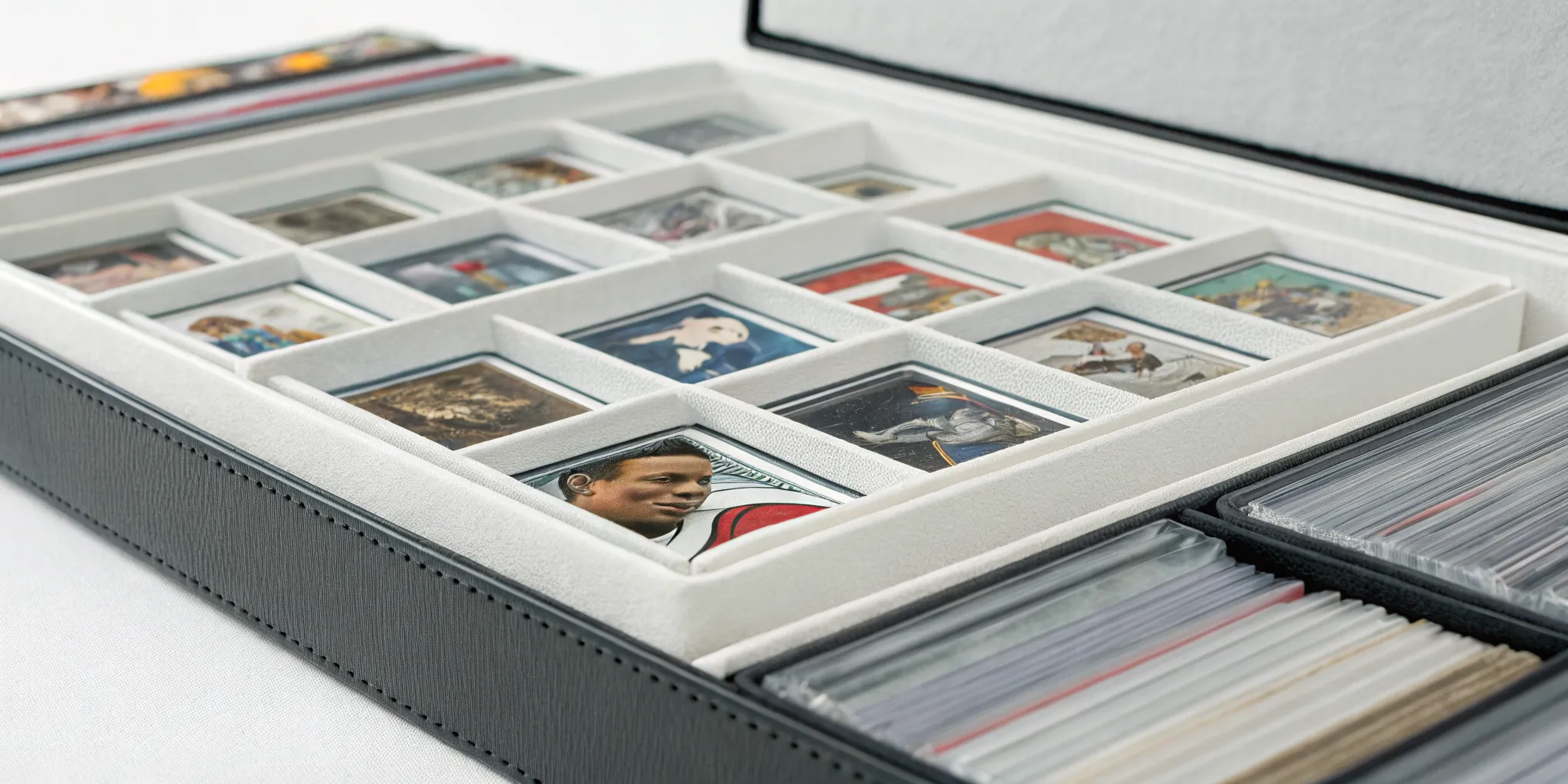
Your trading card collection is more than just a hobby; it’s a portfolio of tangible assets. To maximize its potential, you need to approach it with a clear strategy. Making smart investment decisions requires moving past emotional attachment and relying on objective data to guide your choices. This article will show you how to do just that. We'll explore the key principles of building a valuable collection, from diversifying your holdings to deciding between long-term holds and short-term flips. Understanding the nuances of trading card pricing is crucial for identifying undervalued cards, knowing when to sell for a profit, and protecting your most important assets for future growth.
Key Takeaways
- Master the four pillars of card value: A card's price isn't random; it's a mix of its physical condition, rarity, market demand, and historical importance. Learning to evaluate these four areas is the first step to understanding what your collection is worth.
- Price your cards with data, not feelings: Avoid costly mistakes by using objective tools to determine value. Cross-reference information from price guides, live marketplace sales data, and collection management apps to get a realistic and accurate price point.
- Build value with a smart strategy: Treat your collection like an investment portfolio. Maximize its potential by diversifying your holdings, deciding on a long-term or short-term goal, and preserving the condition of your cards with proper storage.
What Makes a Trading Card Valuable?
Ever wonder why one piece of cardboard is worth a few cents while another can buy a house? It’s not magic. A trading card's value comes from a specific mix of factors. Understanding these key elements is the first step to knowing what your collection is truly worth. It boils down to four main things: the card's physical condition, how rare it is, who wants it, and its place in history. Let's break down what each of these means for your cards.
Condition and Grade
Condition is one of the biggest factors in a card's value. A card with sharp corners, a clean surface, and perfect centering will always be worth more than the same card with dings and scratches. Think of it like any other collectible; mint or near-mint examples are the most sought after. This is where professional grading comes in. Companies like PSA assess a card's physical state and assign it a score, usually on a 1 to 10 scale. A card graded as a Gem Mint 10 can sell for exponentially more than a slightly lower grade, turning a great card into a serious investment.
Rarity and Scarcity
How many of a certain card exist? That's the core of rarity. The basic rule of supply and demand applies here: the scarcer the card, the higher its potential value. Rarity can come in many forms. Some cards are "short printed," meaning the manufacturer produced fewer of them from the start. Others might be rare parallels with different colors or serial numbers. Even a common card can be considered rare if very few exist in perfect condition. The interplay of these factors creates a dynamic market where a limited supply, combined with high demand, drives prices up.
Player Popularity and Demand
A card is only worth what someone is willing to pay for it. That’s why player popularity and market demand are so important. Cards featuring iconic athletes like Michael Jordan or legendary Pokémon like Charizard consistently hold value because there's a huge, built-in fanbase that wants them. The same goes for the hottest rookie prospects. A player's on-field performance, career milestones, or even a surge in media attention can create a buying frenzy. Ultimately, the value is driven by the community. You want other people to be interested in the players in your collection; that’s what gives the cards their market value.
Age and Significance
While vintage cards are often valuable, age isn't the only thing that matters. A card's historical significance plays a huge role. Is it a player's iconic rookie card? Does it commemorate a record-breaking season or a championship win? These are the cards that tell a story and capture a moment in time, making them highly desirable. Nostalgia is also a powerful force. Many collectors are drawn to the cards they grew up with, creating a generational demand for certain eras. A card's true value often lies in its ability to connect with collectors on a deeper level, combining its age with its cultural importance.
Where to Check Trading Card Values
Knowing your card's value is the first step to making smart decisions with your collection, whether you’re buying, selling, or just tracking your assets. The good news is you don’t have to guess. Several reliable resources can give you an accurate picture of what your cards are worth on the current market. Using a combination of these tools will give you the most precise and up-to-date pricing information, helping you understand the true value of what’s in your hands.
Comprehensive Price Guides
Price guides are your go-to for establishing a baseline value. These platforms collect sales data from various online marketplaces and auctions to create an average price for specific cards. A great free resource is PriceCharting, which provides values for both ungraded cards and those graded by major companies like PSA. This is especially helpful for getting a quick, general idea of a card's worth without digging through dozens of individual sales listings. Think of it as the Kelley Blue Book for your trading card collection; it gives you a solid starting point for any negotiation or sale.
Live Marketplace Data
For a real-time look at what buyers are paying right now, live marketplaces are essential. Sites like TCGplayer show you current listings and recent sales data directly from their platform. This is incredibly useful for popular and frequently traded cards, like those from Pokémon or Magic: The Gathering, where prices can change quickly. Watching the live market helps you understand a card's current demand and liquidity. It shows you the difference between what a card is listed for and what people are actually willing to pay for it today.
Card Scanning Apps
If you have a large collection, manually looking up every card can be a huge time sink. This is where card scanning apps come in. Apps like Ludex let you use your phone’s camera to scan a card, and its technology instantly identifies it and pulls up pricing information. This is a game-changer for quickly sorting through stacks of cards to find hidden gems or for getting a fast price check when you’re at a card show. The convenience of these apps makes managing and valuing your collection much more efficient.
Key Features to Look For
When choosing your pricing tools, look for features that help you manage your collection effectively. Many platforms offer a "Collection Tracker" tool that lets you log all the cards you own and monitor their total value over time. This gives you a high-level view of your portfolio’s performance. Other tools offer insights into market trends, showing you which players or sets are gaining popularity. And remember, a card’s value is directly tied to its condition. No matter what the price guide says, proper storage is critical to preserving its worth.
How to Assess Your Card's Condition
A card's condition is one of the biggest factors in its value. You could have an incredibly rare card, but if it has bent corners and a big crease down the middle, its price will take a major hit. Cards in mint or near-mint condition almost always command higher prices. Learning to accurately assess a card's physical state is a fundamental skill for any collector. It helps you understand what your collection is truly worth and allows you to make smarter buying and selling decisions. Let's walk through how you can evaluate your cards like a pro.
Know the Grading Scales (PSA, BGS, SGC)
Professional grading services are the industry's third-party authenticators. Companies like PSA, BGS, and SGC evaluate cards and assign them a numerical grade, usually on a 1 to 10 scale. A grade of 1 represents a card in very poor shape, while a 10 is the coveted "gem mint" condition, meaning it's virtually perfect. These grades provide a universal standard for a card's condition, which removes a lot of guesswork when trading or selling. While each service has its own specific criteria, understanding the basic PSA grading scale gives you a solid framework for what experts look for. This knowledge is your first step toward accurately judging your own cards.
Spot Common Flaws
Before you even think about sending a card for grading, you should give it a thorough inspection yourself. Get a soft microfiber cloth, a good light source, and maybe even a magnifying glass to get a closer look. You're playing detective, searching for any imperfections that could lower the grade. Pay close attention to the four key areas: corners, edges, surface, and centering. Are the corners sharp or are they soft and rounded? Check the edges for any "whitening" or chipping. Look at the surface from different angles to spot any scratches, print lines, or stains. Finally, see how well the image is centered on the card. These common card flaws are exactly what professional graders are trained to find.
Decide if Professional Grading is Worth It
Getting a card professionally graded isn't free, so you have to decide if the potential return is worth the investment. Grading a card can significantly increase its market value, turning a collectible into a certified asset. For high-value cards, like a rookie card of a star player or a rare Pokémon card, grading is almost always a smart move. The cost of grading is small compared to the value it adds. For more common cards, the math gets a bit trickier. You'll want to research the card's "raw" (ungraded) value versus its potential value at different grades. If a card is only worth a few dollars, the cost of grading might not make financial sense.
Assess Your Cards at Home
Developing a good eye for condition takes practice, but it's a skill you can build over time. Start by carefully examining the cards you own, using the criteria we just covered. Look at the corners, edges, surface, and centering. Compare your cards to high-resolution images of professionally graded cards online to see how yours stack up. This helps you create a "pre-grade" for your cards, giving you a realistic idea of what a professional might score them. Understanding a card's condition, along with its rarity and the current market demand, gives you a complete picture of its value. The more you practice, the more confident you'll become in your assessments.
Tools for Tracking Price Trends
Once you have a handle on your card's condition, the next step is to see how its value moves in the market. Prices for trading cards can change quickly, influenced by player performance, new set releases, and collector demand. Staying informed requires the right tools. Luckily, there are some fantastic resources out there that do the heavy lifting for you, helping you track prices, manage your collection, and analyze market history without spending hours scrolling through listings.
Price Alert Websites
Price alert websites are your go-to for a quick valuation. These platforms compile sales data to give you a current market value for your cards. A great free resource is PriceCharting, which provides guides for both ungraded and PSA-graded cards. You can look up individual cards to see what they’re selling for or set up alerts for specific cards you're watching. This is super helpful whether you’re waiting for the perfect time to sell a card from your collection or looking to buy a new one at a good price. It takes the guesswork out of timing the market.
Collection Management Software
If your collection is growing, keeping track of everything can be a chore. This is where collection management software comes in. Apps like Ludex let you scan cards with your phone for instant identification and pricing. It’s a game-changer for quickly cataloging your cards and getting an initial estimate of their worth. Having your entire collection digitized in one place not only keeps you organized but also makes managing your inventory for buying, selling, or trading so much easier. You'll know exactly what you have and what it's worth at a glance.
Tools for Analyzing Price History
To make smart decisions, you need to look beyond the current price and understand a card's sales history. A popular site among collectors is 130point, which lets you search for actual sold prices from marketplaces like eBay. This is a crucial distinction, as it shows what people are actually paying, not just the seller's asking price. By looking at historical data, you can spot trends, see if a card's value is rising or declining, and get a much more accurate picture of its true market value before you buy or sell.
Portfolio and Valuation Trackers
Portfolio trackers help you see the big picture. Think of it like a stock portfolio, but for your trading cards. These tools let you add all your cards to a digital collection and then track their total value over time. For example, PriceCharting offers a 'Collection Tracker' feature that does exactly this. It’s incredibly motivating to watch your collection's value grow, and it helps you identify which cards are your heavy hitters. This high-level view is essential for understanding your collection's overall health and performance as an investment.
Where to Buy and Sell for the Best Price
Once you have a good idea of what your cards are worth, the next step is finding the right place to buy or sell them. The venue you choose can make a huge difference in the final price you get. From sprawling online marketplaces to your local card shop, each option has its own pros and cons. Let's look at the most popular places to find your next grail card or cash in on your collection.
Comparing Online Marketplaces
Online marketplaces are often the first stop for collectors because of their massive reach and inventory. You can find almost any card imaginable and connect with buyers from all over the world. A great starting point for research is PriceCharting.com, which aggregates sales data to give you a solid understanding of a card's market value, whether it's raw or professionally graded.
For those focused on Pokémon, Magic: The Gathering, or other TCGs, a specialized platform like TCGplayer is an excellent choice. It’s a dedicated marketplace where you can buy from thousands of sellers, making it easier to find specific cards to complete your set. These platforms give you the tools to compare prices and find the best deals from the comfort of your home.
Platforms with Buyback Options
If you’re looking for a quick and straightforward way to sell, some platforms offer buyback programs or provide data on recent sales. This can take the guesswork out of pricing and save you the time it would take to find a private buyer. For example, you can use a resource like 130 Point to see what cards have recently sold for on sites like eBay. This gives you real-time market data to inform your selling decisions. Using this information helps you price your cards competitively and know what to expect. These tools are perfect when you want to sell your cards quickly without a lengthy listing process.
Local Card Shops and Conventions
Don't overlook the value of buying and selling in person. Your local card shop is more than just a store; it's a community hub where you can get expert advice, trade with other collectors, and make instant sales without dealing with shipping. The staff can often provide on-the-spot appraisals and make you a fair offer.
Trading card conventions take this experience to the next level. These events bring together hundreds of dealers and collectors under one roof. It’s an amazing opportunity to hunt for rare cards, negotiate prices directly, and connect with people who share your passion. You might walk away with a great deal, a new friend, or both.
Auctions vs. Fixed-Price Listings
When selling online, you generally have two choices: auctions or fixed-price listings. Auctions can be exciting and may drive the price of a highly sought-after card well above its average value. If you have a rare rookie card or a low-population graded card, an auction can create a bidding war that works in your favor. However, there's also the risk that the final price won't meet your expectations.
On the other hand, fixed-price listings offer stability. You set the price you want, and the transaction is simple and predictable. This method is ideal for cards with established market values or when you aren't in a rush to sell. Your choice depends on the card's demand and your personal selling style.
How Market Trends Impact Card Prices
The value of a trading card isn’t set in stone. It’s a living number that can change based on what’s happening in the hobby and the world at large. Just like any other market, the trading card world has its own set of trends and external factors that can cause prices to rise or fall. Staying aware of these shifts is key to understanding your collection’s true potential and making smarter decisions, whether you’re buying, selling, or holding. From new technology to what’s popular on TV, several key forces are constantly shaping the market.
The Rise of Digital Platforms
The way we collect has changed dramatically, and a lot of that is thanks to the internet. The growth of digital platforms has made it easier than ever for anyone to get into the hobby. New collectors can buy, sell, and trade from anywhere, which brings more people and money into the market. This increased accessibility means more eyes are on sought-after cards, which can drive up demand and prices. It also means the market moves faster, with values changing in real-time based on online sales data. For collectors, this digital shift offers more opportunities but also requires staying on top of a faster-paced environment.
Changing Collector Tastes
What’s considered a “grail” card can change from one generation to the next. The hobby is seeing a bit of a generational shift, with younger collectors bringing new trends and interests to the forefront. While vintage Hall of Famers will always have their place, this new wave of collectors might be more interested in modern rookie parallels, rare Pokémon cards, or cards tied to specific moments they grew up with. As these preferences evolve, you’ll see demand shift. A player or set that was once overlooked might suddenly become hot, while a former hobby staple might cool off. Paying attention to what different demographics are collecting is crucial for spotting these trends.
Economic Shifts and Market Volatility
The trading card market doesn’t exist in a bubble. Broader economic factors play a huge role in card prices. During periods of economic growth, people often have more disposable income to spend on hobbies, which can fuel a market boom. Conversely, during a recession or times of high inflation, collectors might tighten their belts, leading to a slowdown in sales and a dip in prices. The trading card market is now a multi-billion dollar industry, and with that scale comes more sensitivity to these economic ups and downs. Understanding the general health of the economy can give you a better sense of the market’s overall direction.
Pop Culture and Media Influence
Sometimes, a card’s value can skyrocket overnight thanks to a push from pop culture. Think about what happened to Michael Jordan cards after "The Last Dance" documentary or how a new Pokémon movie can create a frenzy for cards featuring its star characters. These pop culture phenomena create massive, often sudden, spikes in public interest. A player having a standout performance in a championship game or a character becoming a fan favorite can turn their cards into the hottest items on the market. These trends can be unpredictable, but they show how media and major events can have a direct and powerful impact on demand and pricing.
Common Pricing Mistakes to Avoid
Pricing cards can feel like a moving target, but you can get closer to the bullseye by steering clear of a few common errors. Whether you’re buying, selling, or just taking stock of what you have, avoiding these missteps will help you make smarter decisions and get the most out of your collection. It’s all about pairing your passion for collecting with a clear, objective approach to valuation.
Letting Personal Attachment Cloud Judgment
It’s easy to fall in love with a card, especially if it features your favorite player or a piece of art you admire. But when it’s time to price that card, personal attachment can lead to an inflated sense of value. Remember that the market doesn’t share your personal connection. You have to separate the emotional value from the financial value. If you find a card you truly love, there’s no rule that says you have to sell it. Just be sure to use objective data, not your gut feeling, when assessing its market price for a potential sale or trade.
Skipping Your Market Research
Failing to do your homework is one of the quickest ways to lose money in the trading card world. Before you buy or sell, you need to understand the current market. This means going beyond a single price guide. A smart collector will check multiple sources, looking at recent sales data from marketplaces like eBay and auction houses. This research ensures you’re paying a fair price for a new card and getting the right value for one you’re selling. Taking a few extra minutes to verify a price can save you from major regret later on.
Ignoring Less Popular Players or Sets
Everyone is chasing the big-name rookies and iconic vintage cards, but there’s often incredible value hiding in plain sight. Don’t make the mistake of overlooking less popular players, especially those who show breakout potential. Their cards can be acquired for a low price and see significant gains. The same goes for less-hyped sets that may have had lower print runs. A deep knowledge of the sport or game can give you an edge, helping you spot these undervalued cards before they catch the market’s attention.
Misjudging a Card's Condition
Condition is everything when it comes to a card’s value. A card that looks great at first glance might have minor flaws that drastically lower its price. Tiny issues like soft corners, print lines, or subtle surface scratches can turn a gem mint card into something far less valuable. Trading cards in mint or near-mint condition almost always hold more value. Learning to spot common flaws is a crucial skill. If you’re unsure, getting a card professionally graded removes the guesswork and provides a definitive assessment of its condition and worth.
How to Maximize Your Collection's Value
Turning your trading card collection into a valuable portfolio takes more than just luck. It requires a strategic approach that balances passion with smart decision-making. By thinking like an investor, you can make choices that protect your cards and give them the best chance to grow in value over time. This isn't about taking the fun out of collecting; it's about adding a layer of intelligence to your hobby that can pay off down the road. The goal is to build a collection that you're proud of, one that reflects your interests while also standing as a solid asset. It all comes down to four key pillars: diversifying your holdings, defining your strategy, staying informed about the market, and preserving the physical condition of your cards.
Mastering these areas will help you make more informed decisions, whether you're buying, selling, or holding. It's the difference between a shoebox full of cardboard and a carefully curated collection with real financial potential. The great news is that you don't need a degree in finance to get it right. With a bit of research and a clear plan, you can apply these principles to any collection, big or small. Whether you’re ripping packs for a quick thrill or carefully curating a long-term collection, these fundamentals will help you make the most of every card you own. Let’s get into the actionable steps you can take to build a collection that’s not only fun to own but also a smart investment.
Diversify Your Portfolio
It’s easy to focus on one player, team, or series you love, but building a valuable collection means spreading your risk. Think of it like a stock portfolio. You wouldn't put all your money into one company, right? The same logic applies here. The trading card market can be unpredictable, and what’s hot today might cool off tomorrow. By collecting across different categories of trading cards, like vintage baseball, modern basketball, and Pokémon, you protect yourself from downturns in any single area. This approach increases your chances of holding cards that see a sudden spike in value, ensuring your entire collection remains strong and resilient.
Choose Your Strategy: Long-Term vs. Short-Term
Decide what your goal is from the start. Are you in it for the quick flip, or are you building a collection to hold for years? A short-term strategy involves buying cards you believe are undervalued and selling them as soon as their price rises. This requires you to be very active and aware of daily market shifts. A long-term strategy focuses on acquiring iconic, rare, or graded cards that have a history of steady appreciation. For both approaches, sports card grading can be a game-changer. A high grade from a reputable company like PSA or BGS authenticates your card and solidifies its condition, which almost always increases its market value and appeal.
Stay on Top of Market Trends
The trading card world is constantly evolving. Player performance, new product releases, and even pop culture events can cause a card’s value to skyrocket or plummet overnight. Staying informed is essential to making smart moves. Follow industry news, watch sales on marketplace platforms, and join online communities to see what other collectors are talking about. The rise of digital platforms has made it easier than ever to track these market trends in real time. Paying attention to these shifts helps you spot opportunities, like selling a player’s card during a hot streak or buying into a set before it gains popularity.
Protect Your Cards with Proper Storage
A card’s condition is one of the biggest factors in its value, and you can’t get a high grade if it’s covered in scratches or has soft corners. This makes protecting your cards non-negotiable. Proper storage is crucial from the moment you pull a card from a pack. At a minimum, every card with potential value should be placed in a soft penny sleeve and then into a rigid top loader or semi-rigid holder. For your most valuable cards, consider magnetic one-touch cases for better protection. Store your collection in a cool, dry place away from direct sunlight to prevent fading and warping. This simple step preserves your cards’ condition and, by extension, their long-term value.
Related Articles
- How to Price Trading Cards: A Step-by-Step Guide | Packz Blog
- The Collector's Trading Card Value Checker Guide | Packz Blog
Frequently Asked Questions
Should I get my cards professionally graded? That really depends on the card. Grading isn't cheap, so you have to weigh the cost against the potential increase in value. For a high-value rookie card, a rare vintage find, or a sought-after Pokémon card, grading is almost always a smart move because a high grade can multiply its worth. For more common cards, the grading fee might be more than the card is worth. A good rule of thumb is to research the card's "raw" or ungraded price and compare it to what it sells for with a grade of 8, 9, or 10. If the potential profit makes sense, it's worth considering.
What's the single biggest mistake new collectors make when valuing their cards? The most common misstep is overestimating a card's condition and failing to check multiple sources for its price. It's easy to look at a card and think it's perfect, but professional graders look for tiny flaws like microscopic print lines or slightly soft corners that can dramatically lower the value. Always pair a tough, honest assessment of your card's condition with research into what it has actually sold for recently on multiple platforms. Relying on just one price guide or your own emotional attachment can lead to disappointment.
How can I track the value of my entire collection at once? The best way to do this is by using a collection management tool or a portfolio tracker. Many of the pricing websites mentioned in the post, like PriceCharting, offer features that let you create a digital inventory of your collection. You can log each card you own, and the software will track its current market value, showing you the total worth of your entire portfolio. This gives you a fantastic high-level view of your assets and helps you see which cards are performing the best over time.
Is it better to sell my cards online or at a local shop? Each option has its trade-offs, so it depends on your goal. Selling online through a marketplace gives you access to a massive pool of buyers, which can lead to a higher final price, especially for in-demand cards. However, you'll have to deal with platform fees, shipping, and the time it takes to list everything. Selling to a local card shop is fast, easy, and secure. You can walk in with cards and walk out with cash. The trade-off is that you'll likely get a lower price, as the shop needs to buy at a rate that allows them to make a profit.
Why is a vintage card in poor condition sometimes worth more than a modern card in perfect condition? This comes down to the powerful combination of rarity and historical significance. A truly iconic vintage card, like a player's famous rookie card from decades ago, has a very small supply. So few of them exist, especially after all this time, that even a copy in poor condition is highly sought after by collectors. A modern card, even one graded a perfect 10, might have been produced in massive quantities. When a card's historical importance and scarcity are high enough, they can easily outweigh its physical flaws.
Recommended Reading
Cash for Graded Sports Cards: The Fastest Ways to Sell
Get cash for graded sports cards faster. Compare auction houses, marketplaces, and instant buyback options to pick the route that fits your timeline.
What Is Expected Value in Sports Cards?
Start smarter by learning what is expected value in sports cards means for your collection. See how transparent EV keeps mystery packs fair at Packz.
How to Buy Pokemon Packs Online for Ripping
Ready to buy pokemon packs online for ripping? Get transparent EV and clear pull odds so you never overpay for the thrill of the hunt. Start collecting safely.