
December 24, 2025
Toploader vs Card Saver: Which Should You Use?
Get clear answers on toploader vs card saver for card protection. Learn when to use each, plus tips to keep your collection safe and in top condition.
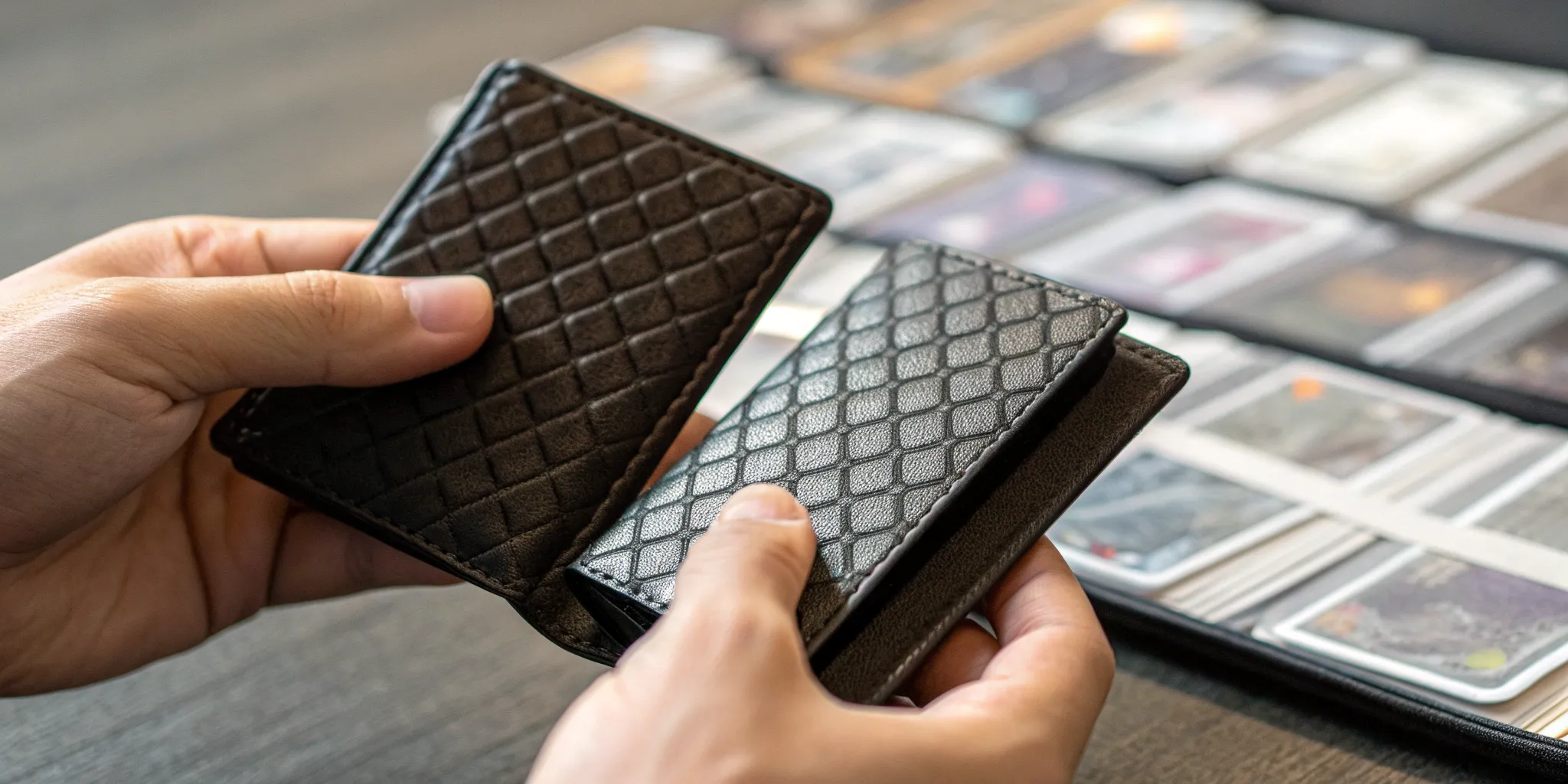
When it comes to protecting your cards, it’s easy to assume that harder is always better. A rigid top loader feels like a tiny suit of armor, and for a long time, I thought it was the only serious option for a valuable card. But the truth is a bit more nuanced. While top loaders are fantastic for storage, their looser fit can be a liability when a card is on the move. This is where the toploader vs card saver debate gets interesting. The semi-rigid, snug-fitting Card Saver is actually the preferred choice for shipping and grading submissions for a reason. Let’s bust some common myths and look at the facts to help you understand why the more flexible option is often the safer bet.
Key Takeaways
- Choose Your Holder Based on the Card's Destination: Use rigid top loaders for long-term storage and display where preventing bends is the top priority. Opt for semi-rigid Card Savers for shipping or grading submissions, as their snug fit prevents damaging movement in transit.
- A Penny Sleeve Is Your First Line of Defense: Before a card goes into any hard or semi-rigid holder, it must first be placed in a soft penny sleeve. This simple step is crucial for protecting the card's surface from micro-scratches.
- A Snug Fit Is Safer for Shipping: While a top loader’s rigidity seems superior, its looser fit can allow a card to shift and damage its corners. The secure hold of a Card Saver is why grading companies prefer them—it keeps the card perfectly still and safe on its journey.
Top Loaders vs. Card Savers: What's the Real Difference?
If you’re serious about collecting, you know that protecting your cards is non-negotiable. Two of the most popular options you’ll come across are top loaders and Card Savers. They might look similar at a glance, but they serve different purposes and offer different levels of protection. Choosing the right one can be the difference between preserving a card’s mint condition and finding it with dinged corners. Let’s break down what makes each one unique so you can make the best choice for your collection.
What Is a Top Loader?
Think of a top loader as a small, rigid bodyguard for your card. These are stiff, hard plastic holders that are open at the top, making it incredibly easy to slide a card (inside a soft penny sleeve, of course!) in and out. Their main job is to prevent bends, creases, and surface damage. Because they are so durable and hard to bend, they’re a fantastic choice for long-term storage or for displaying your favorite pulls. The rigidity gives you peace of mind that your card is safe from most physical impacts.
What Is a Card Saver?
Card Savers, on the other hand, are a bit different. They are semi-rigid plastic sleeves, meaning they have some flex to them but are still sturdier than a simple penny sleeve. They are typically made from materials like PVC and are designed to be acid-free, which is crucial for preventing long-term chemical damage to your cards. The most notable feature of a Card Saver is its incredibly snug fit. Once a card is inside, it’s not going anywhere. This tight hold is intentional and plays a big role in why they are preferred for certain situations.
How They Compare: Protection and Fit
So, which one is better? It really comes down to fit and function. The main drawback of a top loader is that its fit can sometimes be too loose. This extra space allows the card to shift or rattle around inside, which can lead to minor surface scratches or edge wear over time. Card Savers solve this problem with their signature snug fit, keeping the card perfectly still. This is precisely why grading companies like PSA specifically recommend using Card Savers for submissions. The tight hold prevents any damage during shipping and handling, ensuring the graders see the card in its truest condition.
The Pros and Cons of Using Top Loaders
Top loaders are a staple in the trading card world for a reason, but they aren't a one-size-fits-all solution. Like any piece of gear, they have their strengths and weaknesses. Understanding both sides will help you decide when to reach for a top loader and when another option might be a better fit for your collection. Let's get into the specifics.
Why You Might Choose a Top Loader
The biggest selling point for top loaders is their strength. These things are seriously rigid. Think of them as hard plastic shields designed to keep your cards perfectly flat. Their stiff construction is fantastic for preventing one of a collector's worst nightmares: the dreaded bend or crease. Because they are so durable and harder to tear than other options, they provide excellent long-term protection for cards you plan on keeping for a while or putting on display. If you've just pulled a high-value card and want to keep it safe from physical damage, a top loader is one of the most reliable choices for at-home storage.
Potential Downsides of Top Loaders
Of course, no protector is perfect, and top loaders have a few drawbacks to consider. The main issue is their fit. There's often a small gap between the card and the inside of the holder, which means your card can slide around. This movement risks dinging the corners or edges over time, especially during transport. That same gap can also be an open invitation for dust and dirt to sneak in and potentially scratch the card's surface. On a more practical note, top loaders are bulky. They take up more space in a storage box and can be more expensive to mail compared to slimmer options.
The Pros and Cons of Using Card Savers
Card savers are a bit of a hot topic in the collecting world, and for good reason. While they might not be your first choice for displaying your prized Charizard on a shelf, they excel in specific situations. Their unique semi-rigid design offers a different kind of protection that’s perfect for certain tasks, especially when your cards are on the move. Think of them as a specialized tool in your collector's toolkit rather than an everyday storage solution.
Unlike the rigid structure of a top loader, a card saver is more flexible, which is both its greatest strength and its most significant weakness. This flexibility allows for a much tighter fit, but it also means they offer less protection from direct impact or bending pressure. Many new collectors are surprised to find that major grading companies actually prefer them for submissions. Understanding both their strengths and weaknesses will help you decide when to reach for a card saver over a top loader, ensuring you're always giving your cards the right kind of care for the situation. It's all about using the right tool for the right job to keep your collection in mint condition.
Why You Might Choose a Card Saver
The number one reason collectors use card savers is for shipping and preparing a grading submission. Companies like PSA actually prefer them. Why? It all comes down to that signature snug fit. A card saver holds the card so tightly that it has virtually no room to shift around during transit. This significantly reduces the risk of corner or edge damage on its journey to the graders. Because they are more compact and lightweight than top loaders, they are also a practical choice for shipping multiple cards at once. If you're sending a batch of cards to be graded, using card savers is the industry-standard way to ensure they arrive safely.
Potential Downsides of Card Savers
The same tight fit that makes card savers great for shipping can also be their biggest flaw. Their semi-rigid nature means they can bend, offering less protection against direct impacts or pressure than a hard plastic top loader. If you’re not careful, it’s easy to bend a corner or even crease a card while trying to get it in or out of the holder. This is why many collectors feel a little nervous using them for their most valuable cards. To be safe, you should always place the card in a penny sleeve first and be extra gentle as you insert the card. When shipping, it's also a good practice to sandwich the card saver between two pieces of cardboard for added stability.
When to Use a Top Loader vs. a Card Saver
Deciding between a top loader and a card saver isn't about picking a winner. Think of them as different tools for different jobs. The right choice depends entirely on what you plan to do with your card. Are you putting it on display, or are you packing it up for professional grading? Each scenario calls for a specific type of protection to keep your cards in mint condition. Let's break down when to reach for a top loader and when a card saver is your best bet.
For Display and Long-Term Storage
When you pull a card that’s going straight into your personal collection, a top loader is your go-to. Their rigid plastic construction offers fantastic structural protection, keeping your cards safe from bends and dings. This makes them perfect for displaying your favorite cards on a shelf or storing them in a box for the long haul. For strong, long-term protection, you can't beat a top loader. After placing your card in a soft penny sleeve, sliding it into a top loader gives you peace of mind. The hard plastic acts like armor, ensuring your most valuable pulls are shielded from physical damage.
For Shipping and Submitting for Grading
This is where card savers truly shine. If you're sending a card to a grading company, using a card saver is the industry standard. While it might seem counterintuitive, the semi-rigid nature of a card saver is actually preferred by professional graders. The slight flexibility makes it easier for them to safely remove the card without bending or damaging the corners. Major grading services have clear submission guidelines and often specifically request card savers. Their snug fit prevents the card from shifting during transit, which is a major risk. Using a top loader for submissions can cause delays, so stick with the recommended card saver.
For Everyday Handling and Trading
What about the cards in your trade binder or the ones you handle more frequently? This often comes down to personal preference. Top loaders offer maximum rigidity, which is great if you want ironclad protection and don't plan on taking the card out often. They are a bit bulkier, which can be a downside if you're tight on storage space. On the other hand, card savers provide a snug fit in a much slimmer profile. This makes them a solid option for cards you might trade at a local event. They still offer good protection and their lighter build makes them easier to transport.
How to Properly Protect Your Cards
You’ve pulled a great card—now the most important thing is to keep it in pristine condition. Simply grabbing a toploader or card saver isn't enough. The way you handle and insert your cards makes all the difference between preserving their value and accidentally dinging a corner. Getting these steps right is fundamental to protecting your collection, whether you plan to display your cards, send them for grading, or just keep them safe for the long haul. Let's walk through exactly how to do it.
Start with the Right Sleeve
Before a card ever touches a toploader or card saver, it needs to go into a soft sleeve, often called a "penny sleeve." This is the most critical first step. Why? The hard plastic of a toploader or the semi-rigid plastic of a card saver can cause tiny surface scratches. The soft sleeve acts as a crucial buffer, preventing the card "from getting scratched by the protector itself." These sleeves are inexpensive and an absolute must-have for any serious collector. Skipping this step is one of the easiest ways to diminish a card's condition, so make sure you have a good supply of penny sleeves on hand.
How to Safely Insert Your Cards
Once your card is in a penny sleeve, it's time for its final protector. The technique is a little different for each. For a more flexible card saver, you can "gently open it with a finger or by pinching the sides to make it easier to slide the card in." This creates a wider opening and prevents you from catching a corner. For a rigid toploader, the process is more straightforward, but care is still needed. Gently slide the sleeved card in, making sure it doesn't snag. The key is to be patient and never force it. That soft sleeve is doing important work here, as it "protects the card's edges and corners, [and] stops it from moving."
Best Practices for Storing and Shipping
When mailing your cards or submitting them for grading, the industry standard leans heavily toward card savers. Top grading companies even recommend them in their submission guidelines. The reason is simple: "Their snug fit helps prevent the card from moving and getting damaged during transit." A card rattling around inside a toploader is at risk of corner and edge damage, which is the last thing you want when it's on its way to be graded. Card savers hold the card securely in place. For long-term storage at home, either works, but for any kind of transit, the card saver is the clear winner.
How to Choose the Right Protection for Your Collection
Picking the right protection for your cards can feel like a big decision, but it doesn't have to be complicated. The truth is, there isn't a single "best" option for every situation. The right choice depends on your goals for each card, whether you're planning to store it, ship it, or send it off for grading. By thinking about your specific needs, you can build a protection strategy that keeps every card in your collection safe and sound. Let's walk through the key factors to consider so you can make your choice with confidence.
Consider Your Budget and Space
Two of the most practical things to think about are your budget and your storage space. Top loaders are generally more rigid and slightly more expensive per piece, while Card Savers are more flexible and often more affordable, especially when buying in bulk. If you have a massive collection, the cost difference can add up.
Space is another major factor. Because Card Savers are thinner and less bulky than top loaders, they can be a game-changer for collectors with limited room. You can fit significantly more cards stored in Card Savers into a storage box compared to the same number of cards in top loaders. If you’re trying to organize thousands of cards, that saved space can make a huge difference in keeping your collection manageable and tidy.
Don't Fall for These Card Protection Myths
There's a lot of chatter in the collecting community, and a few myths about card protection seem to pop up again and again. One of the biggest is that the hard, rigid plastic of a top loader is always safer. While that rigidity is great for preventing bends, it can create other problems. In a top loader, a card has more room to shift around, which can lead to edge and corner damage during shipping.
Another common misconception is that the snug fit of a Card Saver is bad for your cards. In reality, that secure fit is exactly why they are preferred for certain uses. A Card Saver holds the card firmly in place, preventing the movement that can cause wear. Research has even shown that a standard top loader can put significantly more pressure on a card's corners than a Card Saver does. The key is to understand that each type of holder offers a different kind of protection.
Final Verdict: Making Your Choice
So, how do you make the final call? It all comes down to what you plan to do with the card. There isn't one perfect solution, so the best collectors often keep both top loaders and Card Savers on hand.
For submitting cards for professional grading, the choice is clear: use a Card Saver. Grading companies like PSA specifically recommend them because they hold the card securely and are easier for the graders to open without risking damage. For long-term storage or displaying your favorite pulls, a top loader is an excellent choice. Its rigid structure offers superior protection against bends and impacts. When it comes to shipping cards to a friend or buyer, a Card Saver is often the safer bet because it minimizes movement inside the holder, protecting those precious corners and edges in transit.
Frequently Asked Questions
Do I really have to use a penny sleeve first? Yes, absolutely. Think of it this way: the penny sleeve is the soft layer of clothing, and the top loader or Card Saver is the suit of armor. Without that first soft layer, the armor can chafe and scratch. The hard plastic of a top loader can cause surface scuffs over time, and the tight fit of a Card Saver can catch a corner if you're not careful. A penny sleeve is the essential, non-negotiable first step to protect your card's surface and edges.
So, which one is actually safer for my most valuable card? This really depends on what you mean by "safer." If your card is going to live on a shelf or in a storage box at home, a top loader offers the best protection against accidental bends, drops, or pressure. Its rigid structure is like a personal vault. However, if that valuable card is going on a trip—to a grading company or a new owner—a Card Saver is the safer choice. Its snug fit prevents the card from shifting and getting corner damage during transit, which is the biggest risk when a card is on the move.
Why do grading companies like PSA insist on Card Savers? There are two main reasons for this. First, the snug fit of a Card Saver keeps the card perfectly still during shipping, which is the most dangerous part of its journey. This drastically reduces the chance of the corners or edges getting dinged before a grader ever sees it. Second, the semi-rigid material makes it much easier and safer for the professionals at the grading company to remove your card from the holder without accidentally bending it.
Can I just tape the top of a top loader shut for shipping? While taping a top loader closed is a common practice, it doesn't solve the main issue. The problem with shipping in a top loader isn't just that the card might slide out the top, but that it can rattle around inside the holder. That internal movement is what can cause minor damage to the edges and corners. A Card Saver's signature tight grip eliminates that internal shifting, which is why it remains the superior choice for sending cards in the mail.
Are Card Savers harder to use without damaging the card? It’s true that their tight fit can feel a bit intimidating at first. The key is to be gentle and give yourself a little extra room. After putting the card in a penny sleeve, gently pinch the sides of the Card Saver's opening. This will create a wider entry point, allowing you to slide the card in smoothly without catching a corner. Once you get the hang of it, it becomes second nature and is perfectly safe for your cards.
Recommended Reading

Cash for Graded Sports Cards: The Fastest Ways to Sell
Get cash for graded sports cards faster. Compare auction houses, marketplaces, and instant buyback options to pick the route that fits your timeline.

How to Compare Value in Sports Card Packs
Learn how to compare sports card packs using card quality, available pulls, pricing clarity, and Packz’s 100% buyback option.

How to Buy Pokemon Packs Online for Ripping
Ready to buy pokemon packs online for ripping? Get transparent pack value and clear pull odds so you never overpay for the thrill of the hunt. Start collecting safely.