
July 1, 2026
Your Guide to the Best Sports Card Packs to Buy
Find out what are the best sports card packs to buy, with tips on top brands, pack types, and smart strategies for collectors at every experience level.
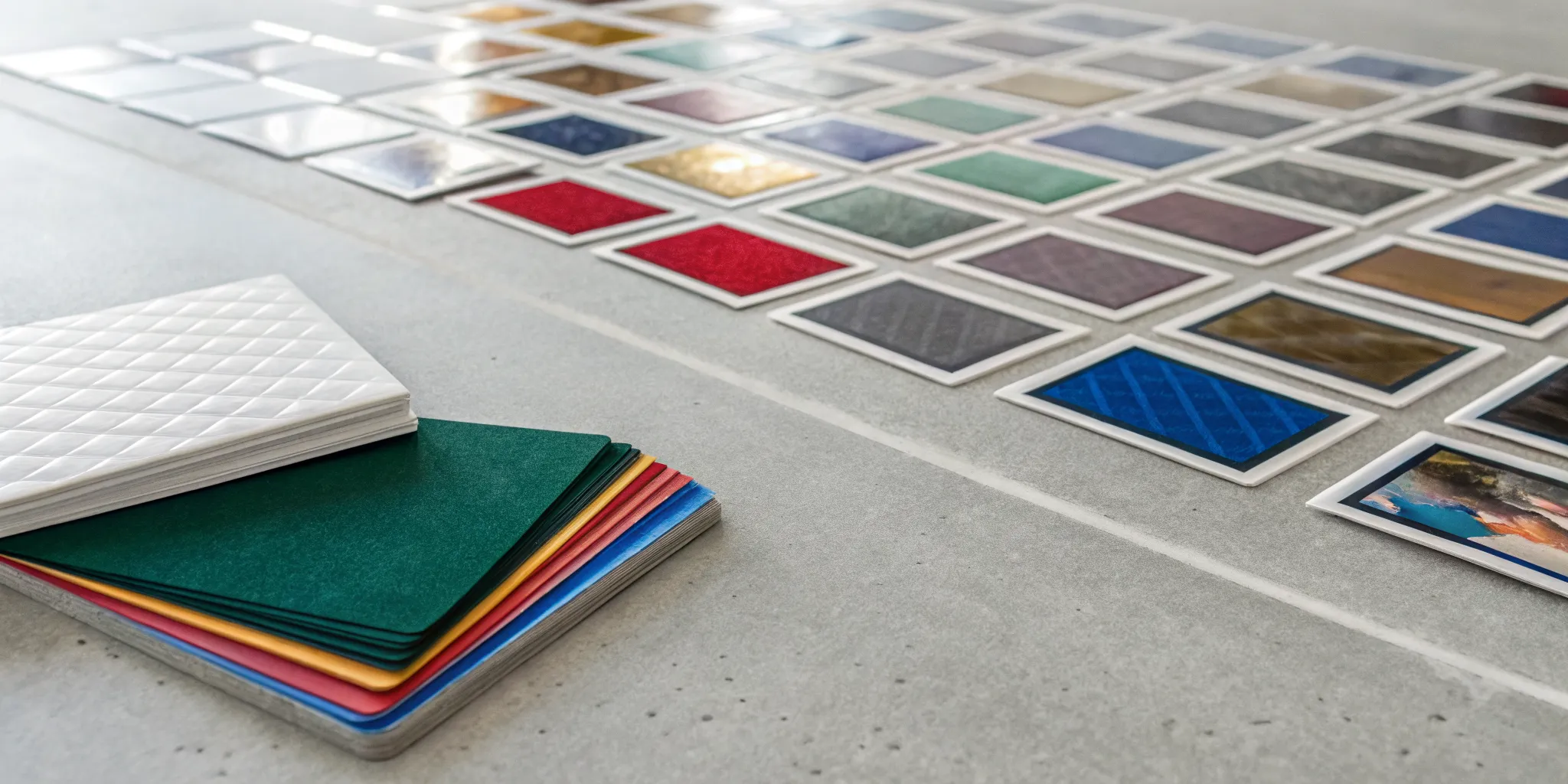
For generations, collecting sports cards meant trips to the local shop and boxes of common cards piling up in your closet. Today, you have more options than ever. You can hunt for packs at big-box retailers, connect with a community at a hobby shop, or open digital packs from home. With so many ways to participate, knowing what are the best sports card packs to buy has become a more complex question. We’ll walk you through all your options, from physical stores to digital platforms like Packz, where you can instantly sell back unwanted cards, reducing risk and letting you open more packs.
Key Takeaways
- Know your packs and brands: Learn the difference between retail options like blaster boxes and premium hobby boxes to match your budget. To find the cards you actually want, focus on the brands that officially license your favorite sports, such as Panini for basketball or Upper Deck for hockey.
- Define your collecting strategy: Understand that opening packs is a gamble, not a guaranteed profit. For a safer financial approach, buy individual graded cards. If you love the thrill of the chase, treat pack opening as entertainment and consider any valuable pulls a welcome bonus.
- Use digital tools to collect smarter: The hobby is about more than just luck. Check recent sales on eBay to understand a card's market value, and use digital platforms with buyback options to instantly sell unwanted cards, giving you more funds to continue the hunt for a big hit.
A Beginner's Guide to Sports Card Packs
Walking into the card aisle or browsing online can feel overwhelming with all the different boxes and packs available. What’s the difference between a blaster box and a hobby box, anyway? Understanding the main types of sports card packs will help you spend your money wisely and find the cards you’re looking for. Let's break down the most common options you'll see.
Blaster boxes
Blaster boxes are a fantastic starting point for anyone new to collecting. They're affordable and widely available at retail stores. Inside, you'll typically find a set number of packs, offering a nice variety of base cards and a chance at some cool inserts. While they don't guarantee the high-value hits found in more premium products, they are perfect for getting a feel for a new set. Think of them as a low-risk way to dip your toes into the hobby and start building your collection without a big financial commitment.
Hobby boxes
If you're ready to get more serious, hobby boxes are your next step. These are designed for dedicated collectors and are usually found at local card shops or online. While they come with a higher price tag, they offer a greater number of packs and, most importantly, a much better chance of pulling rare cards, autographs, or memorabilia pieces. Many collectors feel that if you're willing to invest a bit more, hobby boxes provide the best shot at landing something truly special for your collection.
Mega boxes
Mega boxes are a step up from blasters and are often sold at big-box retail stores. As the name suggests, they contain more packs than a standard blaster box, giving you more cards to sort through. The main appeal of mega boxes is that they frequently include exclusive parallels or insert cards that you can't find in any other format. This makes them a popular choice for collectors who enjoy the thrill of the hunt for unique, retail-only cards to complete their sets.
Value packs
Value packs, sometimes called cello packs, are another excellent entry-level option. These are typically packaged in clear plastic and contain three individual packs, often with a few bonus cards visible in the front. They offer a cost-effective way to get a decent number of cards and are perfect for building base sets or just enjoying the fun of opening packs on a budget. They provide a simple, straightforward way to add to your collection without the commitment of buying a full box.
Meet the Top Brands in Sports Cards
When you start exploring sports card packs, you'll quickly notice a few names pop up again and again. Panini, Topps, and Upper Deck are the main players in the sports card world, and understanding what each one brings to the table is key to finding packs you'll love. Each brand has its own distinct style, exclusive rights to certain sports leagues, and a unique history that shapes its products. Think of it like choosing between different car manufacturers; they all get you from point A to B, but the experience and features vary wildly.
Knowing these brands helps you target the sports, players, and card types you're most interested in collecting. For example, if you're a huge basketball fan, you'll want to focus on the brand that holds the exclusive license for the NBA. If you're drawn to the classic, nostalgic feel of baseball cards, another brand will be your go-to. Some brands are known for their ultra-modern, flashy designs with tons of variations, while others stick to a more traditional look. Getting familiar with these top names is the first step in making informed choices and getting more enjoyment out of every pack you open. Let's get to know the big three.
Panini
If you’re a fan of basketball or football, you’ll get to know Panini very well. This Italian company holds the exclusive licensing rights for the NBA and NFL, meaning they are the only source for officially licensed cards for those leagues. The Panini Group has a long history in collectibles, starting with its first FIFA World Cup sticker album in 1970, which became a global phenomenon.
Today, Panini is known for its modern card designs, high-quality photography, and a wide variety of popular product lines like Prizm and Select. These sets are famous for their "Rainbow" parallels, which are different colored versions of the same card, creating an exciting chase for collectors trying to find the rarest variations.
Topps
Topps is a name that’s practically synonymous with baseball cards. Founded in 1938, Topps has been a cornerstone of the hobby for generations, creating a deep sense of nostalgia for many collectors. The company cemented its legacy in the 1950s by including bubble gum in its baseball card packs, a move that made them a childhood staple.
While best known for baseball, Topps also produces cards for other sports and major entertainment franchises. For many, the flagship Topps Baseball set is an annual tradition, offering a comprehensive look at the season's players. If you love the classic feel of sports cards and the rich history of the hobby, Topps is an essential brand to collect.
Upper Deck
Upper Deck burst onto the scene in 1988 and completely changed the game. The company introduced a higher standard for card quality, using premium card stock, crisp photography, and anti-counterfeit holograms. This focus on quality made Upper Deck an instant hit and forced competitors to improve their own products.
While it has produced cards for many sports, Upper Deck is the exclusive home for licensed NHL hockey cards. It’s also a leader in authenticated memorabilia, pioneering the inclusion of game-used jersey swatches and certified autographs in packs. If you’re a hockey fan or enjoy the thrill of pulling a card with a real piece of a player’s jersey, Upper Deck packs are where you’ll find the action.
How to Choose the Right Sports Card Pack
With so many different boxes and packs on the shelf, figuring out which one to grab can feel a little overwhelming. The good news is that choosing the right pack is less about luck and more about strategy. It comes down to knowing your goals, your budget, and what to look for. Let's break down the key factors to consider so you can make choices you feel great about, whether you're ripping for fun or hunting for a specific card.
Balance your budget with potential value
First things first, decide what you're comfortable spending. It's easy to get caught up in the excitement, so setting a budget beforehand is a smart move. It’s also important to align your spending with your goals. If your main objective is to get cards that will increase in value, many collectors will tell you it's better to buy single cards of specific players you believe in. This approach is more of a direct investment. However, if you love the thrill of the unknown and the experience of opening a pack, then sealed boxes are where the fun is. Just be realistic about the potential return.
Check the pack contents and odds
Opening packs is often compared to gambling for a reason: there are no guarantees. You could spend a lot on a box and not pull the high-value cards you were hoping for. That's why it's so important to do a little homework. Before you buy, check the product details for a checklist and the pack odds. Manufacturers usually provide information on the potential "hits" per box, like how many autographs or memorabilia cards you can expect to find. This helps you set realistic expectations and decide if a particular pack's potential contents align with what you're looking for in your collection.
Follow player popularity and market trends
The sports card market is dynamic, and it moves with player performance and popularity. A player who has a breakout season can see their card values shoot up overnight. Staying on top of sports news and following which athletes are generating buzz can give you an edge. You can also get a feel for the market by checking recent sales prices for cards you're interested in. Watching eBay's sold listings is a great way to learn what cards are actually selling for, helping you spot good deals and understand a player's current market value before you invest in their packs.
Look for rookie cards and special inserts
For many collectors, the ultimate prize is pulling a rookie card (RC) of a future superstar. These are often the most valuable cards for any given player, especially in the long run. Beyond rookies, packs can also contain other treasures like autographs, pieces of game-used memorabilia, and rare, short-printed parallel cards with unique colors or patterns. These special inserts are what make opening packs so exciting. When you're looking at a new product, check the sell sheet or box details to see what kinds of rookie cards and inserts are part of the set.
Understand card grades and condition
Not all cards are created equal, even if they're the exact same card. A card's physical condition, including its centering, corners, edges, and surface, is critical to its value. A card in perfect, gem-mint condition is worth significantly more than the same card with a soft corner or a print defect. This is why collectors send their best cards to be professionally graded by companies like PSA or BGS. These companies authenticate the card and assign it a numerical grade based on its condition. Understanding the basics of card grading will help you evaluate the potential value of the cards you pull and make smarter decisions about your collection.
Are Sports Card Packs a Good Investment?
This is the million-dollar question, isn't it? You see stories online about someone pulling a card worth thousands from a single pack, and it's easy to think of sports cards as a ticket to easy money. The truth is a bit more complicated. While there's definitely money to be made in the hobby, thinking of packs purely as a financial investment can be a fast track to disappointment. It’s better to think of it as a spectrum, with pure fun on one end and strategic profit-chasing on the other. Where you fall on that spectrum will determine the best approach for you. Let's break down what you should realistically expect when you start buying and opening packs.
Fun vs. profit: Setting your expectations
Before you buy your first pack, it’s important to have a heart-to-heart with yourself about your goals. Are you here for the thrill of the hunt, or are you trying to build a valuable portfolio? If it’s the latter, you need to know that opening sealed packs is a lot like gambling. As one collector on Reddit put it, you might spend a lot of money and not get any valuable cards. People love to post their huge wins online, but you rarely see the many, many times they opened a pack and came up empty. Setting your expectations is key. Approach pack opening as entertainment, with the possibility of a big win being a bonus. The real joy comes from the suspense and the excitement of seeing what’s inside.
The reality of pack profitability
Let's be direct: most sports card packs will not make you a profit. The odds are structured so that the majority of packs contain common cards with very little resale value. The manufacturers need to do this to make the rare, high-value cards (like autographs, memorabilia cards, and low-numbered parallels) truly special. Think of it this way: if every pack had a valuable card, no cards would be valuable. So, if you open packs, do it for the fun of collecting and the excitement of the chase. Don't expect to get your money back every time. The potential for pulling a card worth a fortune is what makes it so thrilling, but it's the exception, not the rule.
Packs vs. singles: Which is the better value?
If your main goal is to acquire specific cards that you believe will increase in value, most seasoned collectors will give you the same advice: buy singles. Buying a single card means you know exactly what you're getting, from the player to the card's specific grade and condition. It’s a direct transaction. Opening a pack, on the other hand, is a game of chance. For pure return on investment, buying individual graded cards of players you believe in is almost always the safer financial bet. This strategy removes the gamble, but it also removes the unmatched excitement of a live pack break and the surprise of discovering a monster hit.
How buyback options change the game
Traditionally, when you open a physical pack, you’re stuck with everything inside, for better or worse. The common cards you don't want either pile up in boxes or require a lot of effort to sell. This is where digital pack platforms with buyback options, like Packz, completely change the financial equation. When you open a pack on Packz, you can instantly sell any cards you don't want to keep back to the platform for 100 percent of their value. That credit goes right into your account balance. This feature drastically reduces the risk of opening packs. A pack full of commons is no longer a total loss; it’s ammunition for your next rip, letting you open more packs and increasing your chances of hitting that one incredible card.
Common Sports Card Myths, Debunked
Before you dive into ripping packs, let's clear the air on a few common beliefs in the sports card world. Understanding the reality behind the hype helps you set the right expectations, make smarter choices, and ultimately, have more fun with the hobby.
"Every pack has a valuable card"
It’s the dream, right? Tearing open a pack and finding a monster hit every single time. Unfortunately, that’s not how it works. Manufacturers create scarcity on purpose; for every ultra-rare autographed rookie card, there are thousands of common base cards. The excitement comes from the chase, but it’s important to understand the pack odds before you start. You’ll often see amazing pulls on social media, but remember, people rarely post their losses. For every highlight reel hit, there are countless packs that contain only common cards. Enjoy the thrill, but don’t expect a jackpot in every pack.
"Opening packs is a reliable way to make money"
This myth can be a real wallet-breaker. While you can certainly pull a card worth more than the pack it came in, treating pack-opening as a steady income source is a gamble. Think of it more like a fun lottery ticket than a stock investment. The cost of boxes can add up quickly, and more often than not, the total value of the cards inside will be less than what you paid. The real value is in the experience: the fun of the reveal and the joy of adding to your collection. If your main goal is financial gain, you’re often better off buying single cards of players you believe in.
"A sealed box guarantees a return on investment"
Holding onto sealed boxes, or "wax," hoping they’ll appreciate in value is a popular strategy, but it’s far from a sure thing. While some sealed products from iconic years have seen incredible growth, many others have not. The market is unpredictable. A player who is hot today might cool off tomorrow, and a product that’s in-demand now could be overshadowed by next year’s release. Just look at the ‘junk wax era’ of the late ‘80s and early ‘90s, when overproduction made most cards from that time nearly worthless. A sealed box can be a fun long-term hold, but it’s not a guaranteed retirement plan.
"All cards gain value over time"
If only it were that simple. The truth is, the sports card market is dynamic, and not every piece of cardboard is destined for greatness. A card’s value is influenced by many factors: the player’s performance and legacy, the card’s rarity (print run), its condition (grading), and overall market demand. Many cards, especially common ones from overproduced sets, will never be worth much. To make smart collecting choices, you have to do a little homework. Learn about different products, follow player careers, and use a sports card price guide to keep an eye on what cards are actually selling for.
Where to Buy Sports Card Packs
Once you know what you're looking for, the next question is where to find it. The sports card market is huge, with options for every type of collector. Let's walk through the most common places to buy your packs, from the classic hobby shop to the digital frontier.
Online marketplaces and retail stores
If you love variety, online marketplaces are your best friend. Sites like Amazon and dedicated card shops offer an incredible selection of football card packs and other sports, from individual packs to entire cases. You can hunt for cards of legendary players, chase the latest rookie sensations, or try your luck finding rare autographed inserts. A great tip is to check out the best sellers list on major retail sites. It’s updated frequently based on sales, giving you a real-time look at what’s hot in the hobby right now.
Local hobby shops and card shows
There’s a special kind of magic in finding cards in person. Your local hobby shop is more than just a store; it’s a community hub where you can get advice and connect with fellow collectors. Card shows are another fantastic option, bringing together vendors from all over. You can find some truly unique cards and get a feel for the market firsthand. To make the most of these experiences, do a little homework. Get familiar with current card prices and check eBay listings to understand what cards are selling for. This helps you spot a great deal when you see one.
Digital pack platforms like Packz
For a modern twist on the hobby, digital pack platforms offer a whole new level of convenience and excitement. With Packz, you can buy and open mystery packs right from your computer or phone, giving you that instant thrill of the reveal. After you open a pack, you decide what happens next. You can have the physical cards shipped directly to your door, or you can use our buyback option to sell cards back for 100% of their value. The credit goes straight to your account, letting you open even more packs. It’s the perfect way to chase big hits without the clutter.
Related Articles
- The Ultimate Guide to Buying Sports Packs | Packz Blog
- The Ultimate Sports Card Subscription Box Guide | Packz Blog
- Sports Hobby Pack - Digital Pack Opening | Packz
Frequently Asked Questions
Should I buy individual packs or a whole box? Buying a full box, like a hobby or mega box, is often a better strategy if you're serious about finding rare cards. These boxes usually guarantee a certain number of "hits" (like autographs or memorabilia cards) and give you better odds overall. Individual packs are great for a quick, fun rip on a smaller budget, but it's more of a long shot. Think of it as buying one lottery ticket versus buying twenty; the box just gives you more chances to find something special.
Why is everyone so focused on rookie cards? Rookie cards, or RCs, are a player's first officially licensed cards, and that makes them special. They capture the moment a player arrives on the professional scene. For collectors, they represent the highest potential for future value. If a player goes on to have a legendary career, their rookie card is often their most sought-after and valuable card. Chasing rookie cards is like making a bet on a player's future success, which is a huge part of the fun.
I'm a fan of a specific sport. How do I know which brand of cards to buy? This is a great question because licensing is a big deal in the card world. If you're a basketball or football fan, you'll want to look for Panini products, as they hold the exclusive rights for the NBA and NFL. For baseball, Topps is the classic and primary brand to collect. And if hockey is your game, Upper Deck is the exclusive home for NHL cards. Knowing this saves you time and helps you focus your search on the cards you really want.
What should I do with all the common cards I don't want? This is a classic collector problem. Traditionally, you'd end up with stacks of common cards taking up space. Some people try to sell them in bulk, donate them, or use them for art projects. However, modern platforms like Packz offer a great solution with a buyback feature. This lets you immediately sell the cards you don't want back to the platform for account credit, which you can then use to open more packs. It completely solves the issue of clutter and waste.
Is opening packs the best way to find a valuable card? Honestly, it's the most exciting way, but not always the most efficient. Opening packs is a game of chance, and while you could pull a card worth a fortune, the odds are long. If your only goal is to acquire a specific high-value card, the most direct path is to buy it as a "single" from a card shop or online marketplace. You should think of opening packs as paying for the entertainment and the thrill of the chase; finding a valuable card is the incredible bonus.
Recommended Reading

Cash for Graded Sports Cards: The Fastest Ways to Sell
Get cash for graded sports cards faster. Compare auction houses, marketplaces, and instant buyback options to pick the route that fits your timeline.
How to Compare Value in Sports Card Packs
Learn how to compare sports card packs using card quality, available pulls, pricing clarity, and Packz’s 100% buyback option.
How to Buy Pokemon Packs Online for Ripping
Ready to buy pokemon packs online for ripping? Get transparent pack value and clear pull odds so you never overpay for the thrill of the hunt. Start collecting safely.