
February 6, 2026
What Are Card Savers? The Ultimate Collector's Guide
Card savers offer secure protection for trading cards. Learn how to use card savers, choose the right size, and keep your collection in top condition.
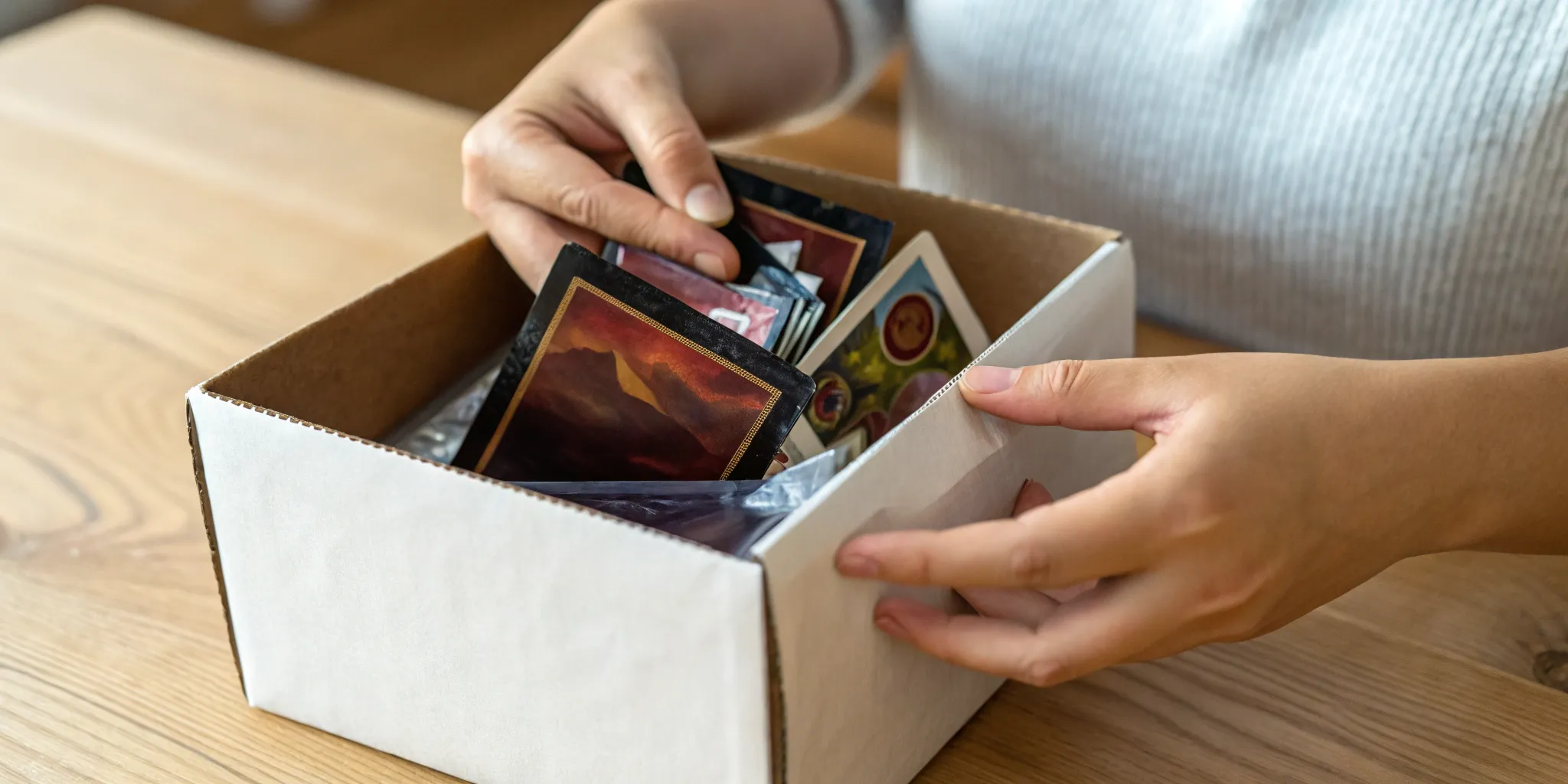
In the world of card collecting, few topics spark as much debate as the best way to protect your pulls. When it comes to card savers, there’s a lot of misinformation out there. Some collectors think they’re too flimsy, while others believe they don’t protect as well as a hard plastic top loader. The truth is, their semi-rigid design is an intentional feature, not a flaw. It’s the very reason why professional grading services and seasoned collectors trust them for shipping and handling. We’re here to clear up the confusion, bust the common myths, and show you why these sleeves have earned their reputation.
Key Takeaways
- A Snug Fit Prevents Damage: A Card Saver's main advantage is its tight grip, which stops your card from moving. This is the key to preventing the subtle corner and edge wear that can lower a card's value, especially during shipping.
- They Are the Standard for Grading: If you're sending cards for professional grading, Card Savers are essential. Grading companies prefer them because their flexibility makes it safer and easier to remove cards without causing damage.
- Perfect Your Insertion Technique: Always put your card in a soft penny sleeve first. Then, gently pinch the sides of the Card Saver to widen the opening, allowing you to slide the card in smoothly without catching the corners.
What Is a Card Saver?
If you’re serious about collecting, you’ve probably heard of Card Savers. A Card Saver is a semi-rigid sleeve designed to protect your trading cards. Think of it as a step up from a soft penny sleeve, offering more structure without the bulk of a hard-plastic top loader. They’re a favorite among dedicated collectors, especially when it comes to shipping cards or submitting them for professional grading. Their unique design provides a secure home for your prized Pokémon or sports cards, keeping them safe from common hazards like bent corners and surface scuffs. Let's get into what makes them work so well.
How They're Made
Card Savers are crafted from a clear, strong plastic that’s typically 9 mil thick. This gives them a semi-rigid quality—they’re sturdy enough to prevent bending but flexible enough to handle easily. One of their most recognizable features is the half-inch lip at the opening. This small design detail makes a big difference, allowing you to slide cards in and out smoothly without catching the corners or edges. It’s a simple but effective construction that prioritizes both protection and accessibility for your collection.
How They Protect Your Cards
The real magic of a Card Saver is its snug fit. Unlike more rigid holders that can leave room for a card to slide around, a Card Saver holds the card securely in place. This tight grip is crucial because it minimizes movement, which is a primary cause of damage. By preventing shifting, Card Savers are excellent at reducing damage during shipping and handling. This is why major grading companies like PSA often require cards to be submitted in them—they trust Card Savers to keep cards pristine on their journey.
Card Savers vs. Top Loaders: What's the Difference?
At first glance, Card Savers and top loaders seem to do the same job: protect your cards. They’re both semi-rigid plastic sleeves designed to keep your prized possessions safe from bends, dings, and scratches. But when you look closer, you’ll find key differences that make one a better choice over the other in certain situations. While top loaders are thicker and more rigid, Card Savers are thinner and more flexible, which might sound less protective, but it's actually a key feature for specific tasks.
The main distinction comes down to fit and function. Top loaders are great for general storage and display because they’re sturdy and easy to slide cards into. However, that slightly looser fit can be a problem when shipping cards or submitting them for grading, as it allows for movement. That’s where Card Savers really shine. Their unique design is preferred by professional grading services and seasoned collectors for handling and mailing valuable cards. Understanding these differences is key to giving your collection the best possible protection for every scenario. Let’s break down exactly why they’ve become the industry standard for submissions and why you might want to add them to your collector's toolkit.
A Snugger, Safer Fit
The most noticeable difference between a Card Saver and a top loader is the fit. A top loader is a bit roomy, leaving a small gap around the card. A Card Saver, on the other hand, is designed to hold the card snugly in place. This tight fit is intentional and serves a critical purpose: it prevents the card from shifting during handling or transit. Even small movements inside a holder can lead to whitening on the corners or damage to the edges, which can significantly lower a card’s grade and value. The snugness of a Card Saver ensures your card stays perfectly still, providing superior protection against this kind of micro-damage.
Better Protection for Shipping
If you’ve ever mailed a valuable card, you know how nerve-wracking it can be. You’re trusting that your packaging will withstand the rough-and-tumble journey through the postal system. This is where that snug fit becomes a game-changer. Because Card Savers prevent the card from sliding around, they are the preferred choice for shipping. A card moving inside a top loader can act like a tiny battering ram, hitting the inner walls of the holder over and over. This repeated impact can easily damage corners. By keeping the card immobile, a Card Saver minimizes the risk of damage during transit, ensuring it arrives at its destination in the same condition you sent it.
The Pro Choice for Card Grading
When you’re sending a card to be graded, you want to make the process as smooth as possible for the professionals handling it. Major grading companies like PSA have specific submission guidelines, and they overwhelmingly prefer Card Savers. In fact, PSA requests that you use Card Savers for your submissions. The reason is practical: the slight flexibility and the small lip at the top of a Card Saver make it easier for graders to safely remove the card without bending it or touching its surface. Trying to pinch a card out of a rigid, tight-fitting top loader introduces unnecessary risk, which is the last thing you want when a high grade is on the line.
Keeping Dust and Debris Out
Protecting a card isn’t just about preventing bends and dings; it’s also about shielding it from the environment. Dust, dirt, and other tiny particles can find their way into card holders over time, potentially scratching the surface or getting pressed into the card. The snug fit of a Card Saver creates a better seal around the card compared to a top loader. This helps keep dust and other debris out, preserving the card's pristine condition during long-term storage. While it might seem like a small detail, keeping your cards clean is a crucial part of maintaining their value and eye-appeal for years to come.
Find the Right Card Saver for Your Collection
Just like you wouldn't wear shoes that are two sizes too small, you shouldn't force your cards into the wrong-sized protector. It might seem like a small detail, but picking the right size is one of the most important steps in keeping your collection in mint condition. Card Savers aren't a one-size-fits-all solution; they come in several sizes to accommodate the huge variety of trading cards out there.
The most common ones you'll see are Card Saver 1, 3, and 4. Each number corresponds to a specific card dimension, from the standard Pokémon and sports cards you pull from packs to those quirky vintage or oversized collectibles you might have. Getting the fit right ensures your card is held securely without bending corners or sliding around. This is especially critical when you're shipping them off for grading or selling, as a poor fit can lead to damage in transit. Let's break down which one you need for your collection so you can make the right choice every time.
Card Saver 1: The Go-To for Standard Cards
Think of the Card Saver 1 as your everyday workhorse. This is the one you’ll reach for most often. It’s a semi-rigid holder designed to perfectly fit standard trading cards, whether you’re collecting Pokémon, modern baseball, or football cards. Its snug fit is what makes it a favorite for grading submissions. What’s cool is that it’s also a great fit for some older, slightly larger cards, specifically those made before 1957. If you’re just starting to build your protection toolkit, stocking up on Card Saver 1s is the smartest first step. They are the industry standard for a reason.
Card Saver 3: For Taller Vintage Cards
Ever come across a card that’s just a bit too tall for a standard holder? That’s where the Card Saver 3 comes in. This one is specifically designed for those taller vintage cards that don't quite conform to modern dimensions. Trying to squeeze a tall card into a standard saver is a recipe for bent corners and heartbreak. The Card Saver 3 gives it the vertical space it needs to stay secure without any pressure on the top or bottom edges. It’s a more specialized holder, but if you collect vintage cards, having a few of these on hand is a must. You can find them alongside other trading card sleeves from specialty suppliers.
Card Saver 4: Protecting Your Oversized Cards
For those truly massive cards in your collection—think jumbo box toppers or other unique promotional items—the Card Saver 4 is your hero. These are built to handle oversized cards that would be impossible to fit into any other holder. Forcing a large card into a smaller sleeve will absolutely damage it, so don't even try. The Card Saver 4 provides ample room and the same semi-rigid protection you expect, ensuring your biggest and boldest cards stay flawless. It’s the perfect solution for protecting those special, oversized collectibles that don’t play by the standard rules.
How to Use a Card Saver the Right Way
Using a Card Saver might seem straightforward, but a few simple techniques can make a huge difference in keeping your cards in mint condition. Unlike a rigid top loader that you just drop a card into, a Card Saver requires a little more finesse. The semi-rigid plastic and snug fit are what make it so effective, especially for shipping and grading submissions, but that design also means you need to be careful when inserting your cards.
The goal is to get your card securely inside without nicking a corner or scratching the surface. It’s a quick process once you get the hang of it, and mastering these steps will ensure your most valuable pulls get the protection they deserve. Think of it as the foundation of proper card care—a small effort that preserves the long-term value and condition of your collection. Let’s walk through the right way to do it, from the first protective layer to the final seal of approval for shipping.
Step 1: Start with a Penny Sleeve
Before your card even touches a Card Saver, it needs to go into a penny sleeve. This is a non-negotiable first step for any serious collector. A penny sleeve is a thin, soft plastic sleeve that provides the initial layer of defense against surface scratches, fingerprints, and dust. Think of it as a base layer of protection.
Putting your card in a penny sleeve first makes it much easier and safer to slide it into the semi-rigid Card Saver. The soft plastic glides smoothly against the Card Saver’s interior, reducing friction that could otherwise damage the card’s delicate surface or edges. This simple step is a standard practice for a reason—it adds crucial protection and helps the card fit perfectly.
Step 2: Slide the Card in Safely
Now that your card is in a penny sleeve, it’s time to place it in the Card Saver. The key here is to be gentle. Card Savers are designed to be snug, so you can’t just force the card in. The best method is to gently pinch the sides of the Card Saver to slightly bow it open. This creates a wider opening, making it easier to guide the card inside.
With the opening slightly widened, carefully slide the sleeved card in. Guide it down slowly until it’s fully seated at the bottom. You don’t need to push hard; the card should slide in with minimal resistance. This technique prevents you from accidentally bending a corner or catching an edge on the way in, which is one of the most common ways cards get damaged.
Best Practices for Storing and Handling
Once your card is safely inside a Card Saver, you’ve given it excellent protection from dust and minor dings. The semi-rigid nature offers more structure than a simple penny sleeve, while the snug fit keeps debris out. For long-term storage, it’s best to keep your Card Savers upright in a dedicated storage box for trading cards. This prevents them from bending over time.
Always handle your cards by the edges of the Card Saver to avoid putting pressure on the card itself. And while Card Savers are great, they aren’t crush-proof. Keep them in a safe place where they won’t get heavy objects placed on top of them. Proper handling ensures the Card Saver can do its job effectively for years to come.
Tips for Shipping Your Cards Securely
Card Savers are the gold standard for shipping cards, and for good reason. Their lightweight, semi-rigid design provides great protection without adding bulk or significant weight, which helps keep shipping costs down. The snug fit is the real hero here, as it prevents the card from shifting or rattling around during transit—a common cause of corner and edge damage.
For maximum security when mailing, place the Card Saver between two pieces of cardboard that are slightly larger than the holder itself. Tape the cardboard sandwich shut (but don’t tape the Card Saver itself) and place it in a bubble mailer. This method creates a rigid, shock-absorbent package that gives your card the best possible chance of arriving in perfect condition. It’s the preferred method for shipping cards for collectors and professional graders alike.
Common Myths About Card Savers, Busted
Card Savers are a staple in the collecting world, especially for anyone submitting cards for grading. But with their popularity comes a lot of chatter and a few persistent myths. If you've been hesitant to use them because of something you’ve heard, let's clear the air. It’s time to separate fact from fiction and look at what makes these sleeves a go-to for so many serious collectors. We'll walk through the four most common misconceptions and see why Card Savers have earned their reputation as a top-tier protective option for your most prized cards.
Myth: They're Too Flimsy
One of the first things people notice about Card Savers is their flexibility, which often gets mistaken for being flimsy or cheap. In reality, that flexibility is a feature, not a flaw. Card Savers are made from a surprisingly strong, clear plastic that’s designed to be both durable and lightweight. They also have a handy half-inch lip at the top, which makes sliding a card in and out much easier without putting stress on the corners. They’re not meant to be as rigid as a Top Loader; they’re designed for secure storage and safe handling, especially when shipping.
Myth: They Don't Protect as Well as Top Loaders
This is probably the biggest myth out there. While Top Loaders are great, they can allow a card to shift around inside, risking edge and corner wear. Card Savers offer a much tighter fit, which keeps the card securely in place and minimizes movement. This is a major reason why grading companies like PSA specifically request that you send submissions in Card Savers. The snug fit prevents the micro-damage that can happen during transit, ensuring your card arrives at its destination in the same condition you sent it.
Myth: They're Hard to Use
It’s true that using a Card Saver can feel a little tricky at first, especially compared to a Top Loader. Some collectors find them challenging to use because the snug fit requires a gentle touch. The key is to be patient and careful. A simple trick is to slightly squeeze the sides of the Card Saver to open the mouth a bit wider, then carefully guide the card (already in a penny sleeve, of course) into place. It might take a few tries to get the hang of it, but once you do, the process becomes second nature.
Myth: They Aren't Good for Display
While Top Loaders are often favored for displaying cards on a shelf due to their rigid structure and crystal clarity, that doesn't mean Card Savers can't be used for display. They still offer excellent visibility and protection. They might not stack as neatly as Top Loaders because of their flexibility and top lip, but they are a perfectly viable option for showing off your collection. Think of it this way: Top Loaders are for static, long-term display, while Card Savers are the versatile workhorse for everything else, including temporary display, storage, and shipping.
Where to Buy Card Savers (and What to Pay)
Once you’ve decided Card Savers are the right choice for your collection, the next step is tracking them down. Luckily, they’re widely available both online and in local stores, so you have plenty of options. Knowing the typical price range and where to look can help you get the best deal, especially if you plan on protecting a lot of cards. Let’s break down what you can expect to pay and the best places to shop.
Typical Costs
You don’t have to break the bank to keep your cards safe. Generally, you can expect to pay around $10 to $13 for a 50-count pack of Card Saver 1s. If you’re ready to stock up, a 200-count box usually runs between $30 and $33. Of course, these prices can shift a bit depending on where you buy them and whether there’s a sale going on. It’s always a good idea to compare prices from a few different retailers before you make a purchase to ensure you’re getting the most for your money.
Recommended Retailers
Finding Card Savers is pretty straightforward since they’re sold at most major retailers and hobby shops. You can purchase them directly from the manufacturer, Cardboard Gold, which is a great way to know you’re getting the genuine article. They’re also readily available on large online marketplaces like Amazon and Walmart, which often offer competitive pricing and fast shipping. Don’t forget to check your local card or hobby shop, too. Supporting a local business is always a plus, and you might get some great advice from the staff while you’re there.
Why Buying in Bulk Makes Sense
If you’re a serious collector or plan on submitting a lot of cards for grading, buying Card Savers in bulk is a smart move. They come in various quantities, including packs of 50, 100, 200, and even massive boxes of 1,000 or 2,000. The main advantage of buying in bulk is the cost savings. The price per individual Card Saver drops significantly when you purchase a larger quantity, which really adds up over time. Plus, it ensures you always have a supply on hand for that next big pull from a mystery pack.
What Other Collectors Think
Don’t just take my word for it. When you’re deciding on the best way to protect your cards, it helps to hear from the wider collecting community. Across forums, social media, and grading company guidelines, there’s a strong consensus on when and why Card Savers are the right tool for the job. From protecting against tiny scratches to being the gold standard for grading submissions, fellow collectors have a lot to say about these semi-rigid sleeves. Let's look at what real people think about using Card Savers for their prized Pokémon and sports cards.
Real-World Protection Feedback
One of the most common points you’ll see collectors make is about the incredibly snug fit of a Card Saver. Unlike a top loader, which can leave a little wiggle room, Card Savers hold the card firmly in place. As one collector noted, this means the "card doesn't move at all," which is a huge plus for preventing the kind of surface scuffs and micro-scratches that can happen during shipping or handling. While a hard plastic top loader might offer more defense against a heavy impact or a serious bend, the Card Saver’s design is perfect for safeguarding a card’s delicate surface and edges from subtle, grade-killing damage.
Their Role in Grading Submissions
If you plan on getting your cards graded, this is where Card Savers become non-negotiable. Major grading companies like PSA aren't just suggesting you use them; they’re practically insisting on it. In fact, PSA strongly recommends using Card Saver 1s for all submissions. Why? It comes down to safety and ease of handling for their team. The semi-rigid material and wider lip make it much easier for a grader to remove the card without bending a corner or causing damage. Sending a card in a stiff top loader can make removal tricky, increasing the risk of an accident. Following this guideline is a simple step to protect your investment.
How They Compare to Other Sleeves
When you boil it down, the community sees Card Savers and top loaders as tools for different jobs. Collectors often describe Card Savers as "semi-rigid," offering a balance of flexibility and protection, while top loaders are seen as "hard and stiff" fortresses for your cards. The choice depends on your goal. If you’re shipping a card or submitting it for grading, the secure, tighter fit of a Card Saver is preferred to minimize movement. For long-term storage in a box or for display, a top loader might feel more substantial. Ultimately, having both on hand allows you to give every card in your collection the specific protection it needs.
When to Use a Card Saver
While Top Loaders have their place, Card Savers are the unsung heroes of card protection in several key situations. They aren't just a cheaper alternative; they're often the better choice depending on your goal. Think of them as a specialized tool in your collector's toolkit. From getting that grail card graded to simply shipping a sale safely, knowing when to reach for a Card Saver can make a huge difference in preserving your card's condition and value. Let's break down the specific scenarios where Card Savers truly shine.
Sending Cards for Grading
If you plan on sending cards to be professionally graded, using a Card Saver is non-negotiable. This is the number one reason collectors swear by them. Major grading companies like PSA and BGS actually prefer receiving submissions in Card Savers. Why? Their semi-rigid design makes it much easier and safer for graders to remove the card without bending corners or causing edge wear. In fact, PSA specifically advises against using Top Loaders for submissions, making Card Savers the industry standard for anyone serious about getting their collection authenticated and graded.
Storing Your Collection Long-Term
For long-term storage, Card Savers offer a fantastic balance of protection and space efficiency. While a hard-plastic Top Loader provides maximum rigidity, a Card Saver’s semi-rigid build is more than enough to prevent bends and dings in a storage box. Their biggest advantage here is the snug fit. Unlike Top Loaders, which can leave a small gap at the top, Card Savers hold the card tightly. This design is excellent for keeping out the enemies of preservation: dust, dirt, and debris. Over months and years, this small detail helps ensure your cards remain in pristine, pack-fresh condition.
Shipping Your Most Valuable Cards
When you're mailing a card, your top priority is making sure it arrives in the exact same condition it left. Card Savers are a popular choice for shipping because their snug fit prevents the card from sliding around during transit—a common issue with Top Loaders that can lead to surface scratches or corner damage. They offer solid protection against bending while being lighter and more flexible than Top Loaders, which can sometimes help with shipping costs. Paired with a penny sleeve and sandwiched between two pieces of cardboard, a Card Saver provides a secure and reliable way to ship your cards.
When You Need an Affordable Option
Let's be real: this hobby can get expensive. Building a collection is one thing, but protecting it can add up quickly. This is where Card Savers offer a huge advantage. They are an incredibly economical choice for collectors, especially if you have a large volume of cards to protect. A Card Saver I typically costs around 13 cents, while the slightly smaller Card Saver II is even less. When you compare that to the cost of Top Loaders, the savings become significant over time. This affordability means you don't have to compromise on protection, even when you're working with a tight budget.
Related Articles
Frequently Asked Questions
Why are grading companies so specific about using Card Savers? It really comes down to making the grader’s job safer and easier. The semi-rigid material and the small lip at the top of a Card Saver allow them to remove your card smoothly without having to pinch or pull at it. A rigid top loader can be difficult to get a card out of, which introduces unnecessary risk right when the card's condition matters most. Using a Card Saver is a simple way to protect your card during the final, most critical step of its journey.
Do I really need to put my card in a penny sleeve first? Yes, this is a step you should never skip. Think of the penny sleeve as the first line of defense for your card's surface. It protects against fingerprints and tiny scratches. More importantly, the soft plastic of the penny sleeve helps the card glide easily into the snug Card Saver, reducing friction that could otherwise cause wear on the corners and edges.
Are Card Savers good for storing my collection, or just for mailing cards? They are excellent for both. While they are the go-to choice for shipping and grading submissions, their benefits extend to long-term storage as well. The snug fit creates a better seal around the card than most top loaders, which is great for keeping out dust and other small debris over time. They provide solid protection in a storage box while being less bulky than thicker holders.
With different sizes available, which one should I buy for my Pokémon or modern sports cards? For almost any standard-sized card you pull today, whether it's Pokémon, baseball, or football, the Card Saver 1 is what you need. It’s the industry standard and the one you'll use most often. You only need to explore other sizes like the Card Saver 3 or 4 if you have a collection of taller vintage cards or unique oversized cards that don't fit the standard dimensions.
I'm worried about bending my card trying to get it into such a tight sleeve. Any tips? That's a completely valid concern, but there's a simple trick to make it easy and safe. Instead of trying to push the card straight in, gently pinch the outer edges of the Card Saver. This will cause the opening to bow out slightly, creating more space. From there, you can carefully slide the card (which should already be in a penny sleeve) inside without any force.
Recommended Reading

Cash for Graded Sports Cards: The Fastest Ways to Sell
Get cash for graded sports cards faster. Compare auction houses, marketplaces, and instant buyback options to pick the route that fits your timeline.

How to Compare Value in Sports Card Packs
Learn how to compare sports card packs using card quality, available pulls, pricing clarity, and Packz’s 100% buyback option.

How to Buy Pokemon Packs Online for Ripping
Ready to buy pokemon packs online for ripping? Get transparent pack value and clear pull odds so you never overpay for the thrill of the hunt. Start collecting safely.