
February 16, 2026
How to Sell Sports Cards for Maximum Profit
Learn how to sell sports cards for maximum profit with expert tips on pricing, listing, shipping, and choosing the best platforms for your collection.
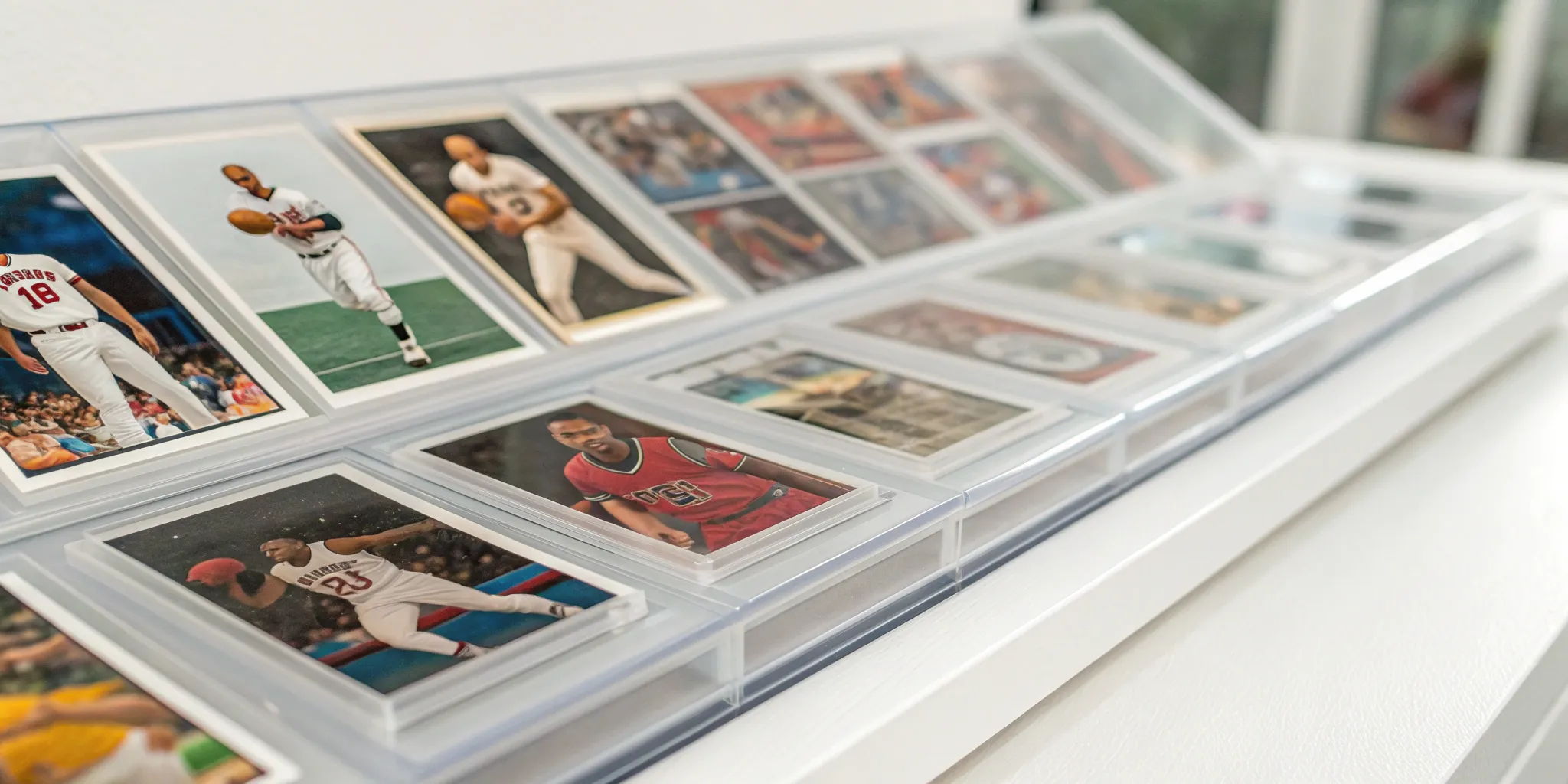
Getting the best price for your collection isn't about luck; it's about strategy. The sports card market is dynamic, and the sellers who come out on top are the ones who treat it like a business. They know that a great photo can make a card stand out, that timing a sale around a player's hot streak can drive up the price, and that choosing the right platform can save them a significant amount in fees. If you’re ready to move from just collecting to collecting profits, you need to think like a pro. This guide breaks down the entire process, giving you the tools and knowledge you need to sell sports cards for top dollar. We’ll cover the essential strategies for marketing, pricing, and protecting your assets.
Key Takeaways
- Price Your Cards with Data, Not Guesses: Determine a card's true market value by researching what similar cards have actually sold for recently. Combine this data with an honest, critical assessment of your card's condition to set a price that is both fair and realistic.
- A Professional Listing Deserves Professional Shipping: Attract serious buyers with clear, high-quality photos and a detailed description. After the sale, protect your profit and reputation by shipping the card securely in a penny sleeve, top loader, and padded mailer to ensure it arrives safely.
- Know Your Venue and Your Fees: Where you sell directly impacts your bottom line, so choose a platform that aligns with your goals for speed versus profit. Always calculate platform commissions, payment processing, and shipping costs beforehand to understand how much you’ll actually take home.
Where to Sell Your Sports Cards
Once you know what your cards are worth, the next big question is where to sell them. The right platform can make all the difference between a quick, profitable sale and a frustrating experience. Your best option depends on your goals. Are you trying to get the absolute highest price possible, even if it takes a while? Or do you prefer a fast, convenient sale? Each venue has its own pros and cons, from massive online marketplaces with millions of users to local shops where you can get cash in hand the same day. Let's walk through the most popular options so you can find the perfect fit for your collection.
Online Marketplaces
When you think of selling online, a giant like eBay probably comes to mind first. It’s often called the “ol’ reliable” of selling collectibles for a reason: its massive audience means more potential eyes on your cards. Listing a high-demand card here can spark a bidding war that drives up the final price. The downside? The fees. Expect to pay a percentage of your final sale price to the platform, which can cut into your profits. For many sellers, the huge reach of online marketplaces is worth the cost, but it’s something you need to factor into your pricing from the start.
Specialized Card Platforms
If you want to sell to a more focused audience, specialized platforms are a fantastic choice. Websites like Beckett Marketplace are built by collectors, for collectors. The people browsing these sites are serious buyers who know the market, so you’re less likely to deal with lowball offers. Another great option is SportsCardsPro, which stands out because it doesn’t charge any fees for listing or selling cards. This means you keep 100% of the final sale price. Selling on a specialized platform ensures your cards are seen by people who truly appreciate their value.
Instant Buyback Programs
For those who prioritize speed and simplicity, instant buyback programs are a game-changer. Instead of waiting for a buyer, you can sell your cards directly back to a platform for immediate cash or account credit. It’s the fastest way to turn your cards into funds. Here at Packz, we offer a buyback option that gives you 100% of a card's value back as account credit. It’s a perfect way to sell a card you just pulled and immediately use the funds to open more packs, keeping the excitement going without any of the hassles of a traditional sale.
Local Card Shows and Shops
Don’t overlook the power of selling in person. Taking your cards to a local card shop or a weekend convention lets you deal directly with buyers and dealers. The biggest advantage is the immediacy—you can negotiate a price and walk away with cash on the spot, completely avoiding shipping and platform fees. Keep in mind that local dealers need to make a profit, so their offers might be lower than what you could get from a private collector online. Still, for a quick and straightforward transaction, it’s an excellent option.
How to Value Your Sports Cards
Figuring out what your sports cards are worth is the most important step before you sell. The right price can mean the difference between a quick sale and a card that sits for months. A card's value is a moving target, influenced by player performance, market trends, and collector demand. It’s not just about what a book says it’s worth; it’s about what someone is willing to pay for it right now. Let's walk through the three key areas you need to examine to land on an accurate price.
Check Price Guides and Recent Sales
Price guides are a good starting point, but the real secret to accurate pricing is recent sales data. The market for sports cards changes quickly, so you need to know what buyers are paying today. Your best bet is to check the "sold" listings on sites like eBay. This shows you actual transaction prices, not just what sellers are asking. Experts use eBay to see what cards are actually selling for, giving you a real-time pulse on the market. Comparing your card to several recent sales of the same card in a similar condition will give you a solid baseline for your price.
Assess Your Card's Condition
The physical condition of your card is one of the biggest factors in its value. A card with sharp corners, clean surfaces, and perfect centering will always command a higher price than one with dings or creases. Be your own toughest critic when you evaluate your card's condition. Look at it under a good light and be honest about any flaws. Remember, a card is only worth what someone is willing to pay for it at that moment, and collectors are picky. A tiny, barely-there scratch could be the difference between a good price and a great one, especially for a vintage or rare card.
Consider Professional Grading
If you have a valuable card, getting it professionally graded is a smart move. Companies like Professional Sports Authenticator (PSA) will authenticate your card and assign it a grade from 1 to 10 based on its condition. This process removes guesswork for the buyer. A professionally graded card, sealed in a protective slab, gives buyers confidence and often sells for a significant premium over a "raw" or ungraded card. While there's a fee for grading, the potential increase in selling price for a high-demand card usually makes it a worthwhile investment.
Understand the Costs of Selling
Selling a high-value card is exciting, but your final profit is what truly matters. Before you list anything, it’s crucial to get a clear picture of the costs involved. Selling platforms aren’t free, and expenses like shipping and payment processing can quickly eat into your earnings. The list price is just the starting point; you have to subtract all associated fees to see what you’ll actually take home. By understanding these costs upfront, you can price your cards intelligently to protect your profit margin. Let’s break down the main expenses.
Platform Fees and Commissions
Most online marketplaces charge a fee for connecting you with buyers, usually a percentage of the final sale price. This rate can vary. For example, eBay’s commission structure changes based on the card’s value, so you might pay a different percentage on a $50 card versus a $5,000 one. Before you commit to a platform, read its fee policy carefully. These commissions are one of the biggest costs you’ll face, so factor them directly into your asking price.
Payment Processing and Shipping
On top of platform fees, you’ll have payment processing costs. Services like PayPal charge a fee to handle the transaction, typically a small percentage of the total. Then there’s shipping. Buyers often expect free shipping, meaning the cost falls on you. You’ll need to pay for postage and quality supplies like bubble mailers. A smart strategy is to calculate your total shipping costs and build them into your list price. This way, you can offer free shipping without taking a loss.
Hidden Costs to Watch For
It’s the small, overlooked expenses that can catch you off guard. Beyond the obvious fees, there are other hidden costs to consider. Think about supplies: card sleeves, top loaders, and bubble mailers. If you’re selling a lot, these costs add up. If you decide to get a card professionally graded, that’s another significant expense. Always do a complete breakdown of every potential cost before setting your final price. This diligence ensures the profit you expect is the profit you get.
How to Ship Cards Safely
You’ve done the hard work of valuing and selling your card. Now comes the final, crucial step: getting it to the buyer safely. Proper shipping protects your card’s value, ensures a happy customer, and safeguards your reputation as a seller. A few extra minutes and the right materials can make all the difference between a five-star review and a costly refund. Don’t let a great sale get ruined in the last mile.
Use the Right Protective Materials
The gold standard for protecting a single card is simple but effective. First, place the card inside a soft plastic "penny sleeve." Then, slide the sleeved card into a rigid "top loader." This combination shields it from scratches, corner dings, and bending. For an extra layer of security, place a small piece of painter's tape over the top of the top loader. This creates a seal to prevent the card from sliding out during transit without leaving sticky residue. For more valuable cards, you can sandwich the top loader between two pieces of cardboard and place the entire bundle in a team bag before it goes into the mailer. This method provides a nearly indestructible shell for your card.
Choose Your Shipping Method
Your choice of mailer is just as important as the protection around the card itself. While sending a card in a plain white envelope (PWE) is the cheapest option, it offers almost no protection and should be reserved only for very low-value cards. The standard for most sales is a bubble mailer. These padded envelopes provide excellent cushioning against bumps and drops. They are lightweight, keeping your costs down while offering a significant upgrade in protection. Using a
Get Insurance and Tracking
For anything beyond a low-dollar card, shipping without tracking is a risk you don’t want to take. Tracking provides transparency for both you and the buyer, allowing you to follow the card’s journey from your hands to their mailbox. It builds trust and helps resolve any disputes about delivery. For higher-value cards, you should also add shipping insurance. Think of it as a safety net for your investment. If the package is lost or damaged by the carrier, insurance allows you to recover the card's value. Most shipping services offer insurance for a small fee, and it’s a price worth paying for peace of mind.
Market Your Cards for a Top-Dollar Sale
Getting the best price for your sports cards isn't just about what you sell—it's about how you sell. A little marketing effort can make a huge difference in your final profit. By presenting your cards professionally, timing your sale strategically, and building a solid reputation, you can attract serious buyers willing to pay top dollar. Think of it as setting the stage for a successful sale.
Optimize Photos and Listings
Your listing is your digital storefront, and first impressions matter. Start with crystal-clear, high-resolution photos. Place your card on a plain, dark background and use bright, indirect light to avoid glare. Capture every angle: the front, the back, and close-ups of the corners and edges. If there are any imperfections, photograph them honestly.
In your description, be thorough. Include the player, year, card number, and set. Use a title with relevant keywords so buyers can easily find your card. Some apps to sell sports cards can even scan your cards to pull up market data and streamline the listing process, saving you time and helping you price accurately from the start.
Time Your Sale for Maximum Profit
Patience can be your greatest asset when selling sports cards. The market fluctuates based on player performance and news, so timing is crucial. List a player’s cards when they’re in the spotlight—like during a playoff run, after a milestone achievement, or leading up to a Hall of Fame induction. Demand naturally rises during these moments.
It’s also smart to sell during that sport’s season when fan engagement is at its peak. Don't get discouraged if a card doesn't sell overnight. The right collector might take a few weeks to find your listing. Rushing to lower the price is a common mistake, so hold firm if you know your card is valued correctly.
Build a Trustworthy Reputation
Buyers are more likely to purchase from sellers they trust. On any platform, your reputation is built on transparency and reliability. Always be upfront about a card's condition, and answer questions from potential buyers promptly and politely. Once you make a sale, ship the card quickly and securely.
Positive feedback is social proof that you’re a dependable seller. Every smooth transaction contributes to your seller rating, which can help you attract more buyers and command higher prices in the future. A strong reputation shows that you’re a serious collector who respects the hobby and the community, making people feel confident when they buy from you.
Find Buyers on Social Media
Don’t overlook the power of social media for connecting directly with collectors. Platforms like Instagram, Reddit, and Facebook host thriving communities dedicated to the hobby. Joining a card-selling Facebook group or a subreddit like r/sportscards puts your collection in front of a highly engaged and specific audience.
Selling through social media often means you can avoid the higher commission fees charged by major marketplaces. However, these platforms offer less formal protection, so it’s essential to be cautious. Always use a secure payment method like PayPal Goods & Services, which provides a layer of security for both you and the buyer.
Common Selling Mistakes to Avoid
Selling sports cards can be incredibly rewarding, but a few common missteps can turn a great sale into a frustrating experience. Getting the best price for your collection means doing more than just posting a listing; it requires a bit of strategy. By sidestepping these frequent errors, you can ensure a smoother process, build a solid reputation, and, most importantly, get the full value your cards deserve. Let's walk through the biggest mistakes sellers make and how you can easily avoid them.
Pricing Your Cards Incorrectly
One of the fastest ways to kill a sale is by setting the wrong price. If you price too high, you’ll scare off serious buyers. Price too low, and you’re leaving money on the table. Remember, a card is only worth what someone is willing to pay for it right now. The best way to find that sweet spot is to look at what similar cards have actually sold for. A great tool for this is eBay’s advanced search, which lets you filter for "Sold Items." This shows you the real-world prices buyers are paying, giving you a much more accurate baseline than just looking at active listings with hopeful asking prices.
Misrepresenting a Card's Condition
Honesty is always the best policy, especially when it comes to a card's condition. It can be tempting to overlook a soft corner or a faint surface scratch, but buyers will notice. Misrepresenting a card’s condition leads to disputes, returns, and a damaged reputation. If you have a high-value card, consider getting it professionally graded. Companies like Professional Sports Authenticator (PSA) provide an objective grade that removes any guesswork for the buyer. A graded card often sells for more because it gives buyers confidence in what they’re purchasing, making it a worthwhile investment for your top-tier inventory.
Losing Patience with the Market
Selling sports cards is rarely a get-rich-quick plan. The market has its own rhythm, and it takes time to find the right buyer who’s willing to pay your price. Don’t get discouraged if a card doesn’t sell in a day or two. Patience is a seller’s best friend. Use the waiting time to do your homework and understand market trends. Is a certain player getting a lot of buzz? Are vintage cards trending up? Staying informed will help you know when to list certain cards and when to hold them. Selling successfully is a marathon, not a sprint.
Choosing the Wrong Platform
Where you sell your cards matters just as much as how you price them. Different platforms have different fee structures, audiences, and rules. While eBay is a popular choice, its fees can significantly cut into your profits. It’s worth exploring other options. Specialized marketplaces often have lower fees and a more targeted audience of serious collectors. You can also find dedicated card-selling groups on Facebook where you can connect directly with buyers. Research a few different platforms to see which one aligns best with your collection and your financial goals.
Related Articles
- 9 Best Places to Sell Sports Cards for Cash | Packz Blog
- 5 Best Places to Sell Sports Cards Online Free | Packz Blog
Frequently Asked Questions
What's the single best place to sell my sports cards? There isn't one perfect place for every card; the best option really depends on your goal. If you're aiming for the highest possible price and don't mind waiting, a large online marketplace gives you the biggest audience. If you prefer a quick and simple sale without the hassle of listing and shipping, an instant buyback program or a local card shop will be your best bet. Think about whether you value top dollar or your time more, and that will point you in the right direction.
How do I know if I should get a card professionally graded? Grading is a smart move for cards that are valuable, rare, or in excellent condition. It removes any doubt for the buyer about the card's authenticity and condition, which often means it will sell for a higher price. For more common or lower-value cards, the cost of grading might be more than the value it adds. A good rule of thumb is to research the price difference between raw and graded versions of your card to see if the investment makes sense.
What’s the most reliable way to figure out what my card is worth? The best way to find a card's current market value is to look at what it has actually sold for recently. Price guides are a decent starting point, but the market moves fast. Go to a site like eBay and search for your exact card, then filter the results to see only the "Sold" listings. This shows you the real prices that buyers are paying right now, which is much more accurate than just looking at what sellers are asking for.
I'm worried about shipping. What if my card gets lost or damaged? Proper packing is your best defense. The standard method is to place the card in a soft penny sleeve and then into a rigid top loader. For shipping, always use a padded bubble mailer instead of a plain envelope. For any card worth more than a few dollars, you should absolutely use a shipping service that includes tracking. For your more valuable cards, adding shipping insurance is a small price to pay for complete peace of mind.
Are the fees on big marketplaces worth it? It depends on the card and your profit margin. Platforms with high fees give you access to a massive pool of potential buyers, which can lead to bidding wars that drive up the final price. However, those fees can take a significant bite out of your earnings. It's always a good idea to calculate your net profit after fees before you list. If the fees seem too high, consider specialized collector sites or social media groups, which often have lower costs.
Recommended Reading
Cash for Graded Sports Cards: The Fastest Ways to Sell
Get cash for graded sports cards faster. Compare auction houses, marketplaces, and instant buyback options to pick the route that fits your timeline.

How to Compare Value in Sports Card Packs
Learn how to compare sports card packs using card quality, available pulls, pricing clarity, and Packz’s 100% buyback option.
How to Buy Pokemon Packs Online for Ripping
Ready to buy pokemon packs online for ripping? Get transparent pack value and clear pull odds so you never overpay for the thrill of the hunt. Start collecting safely.