
January 19, 2026
Bubble Mailer vs Box: A Guide to Cost & Protection
Get clear answers on bubble mailer vs box for shipping. Compare cost, protection, and best uses so your items arrive safely and your budget stays on track.
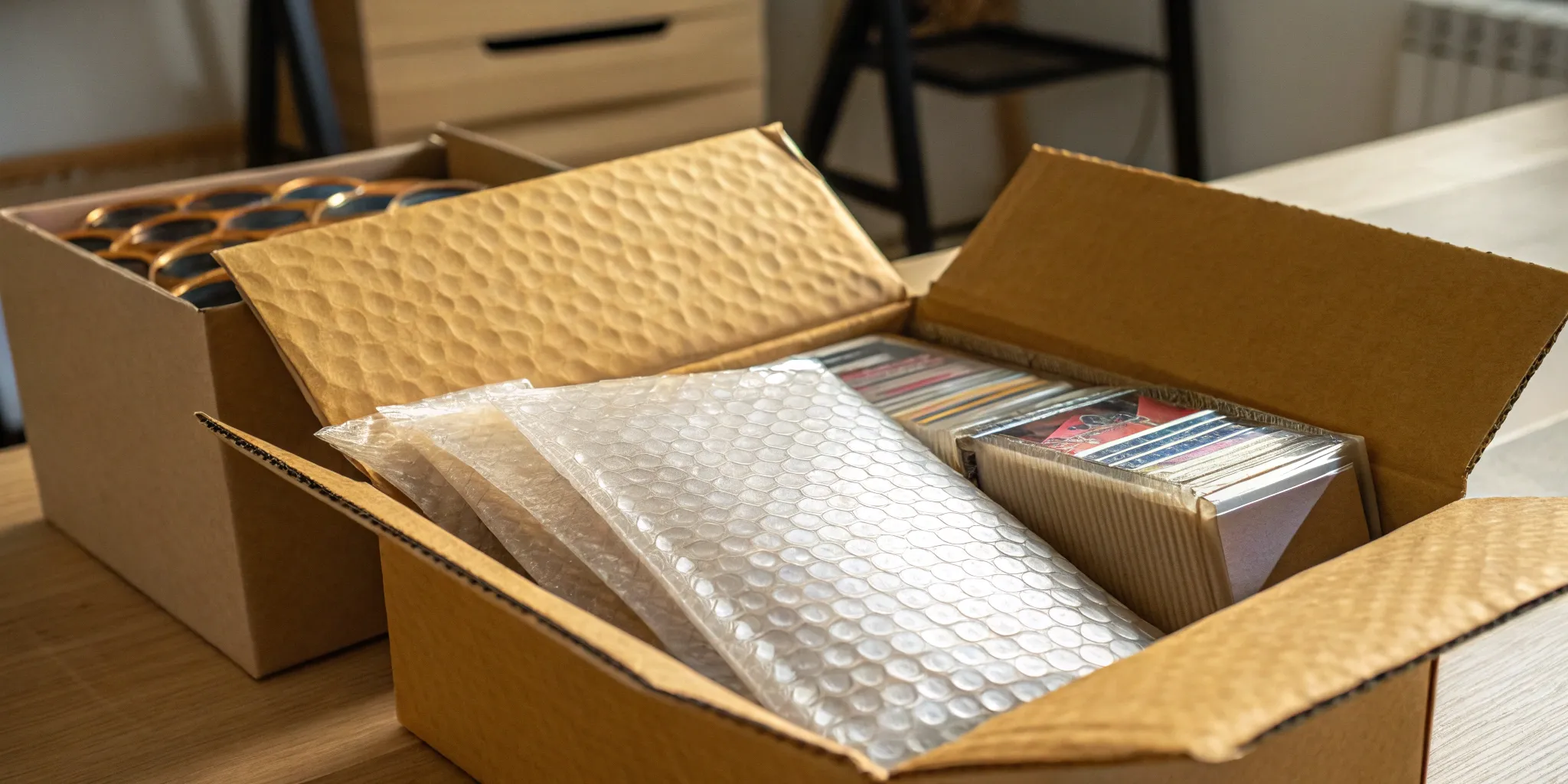
Nothing ruins the excitement of a new card arriving more than finding it bent or damaged inside the packaging. As a seller or trader, you want to be known for secure shipping, not for cutting corners. The most critical decision you'll make is choosing the right container for the job. The bubble mailer vs box dilemma is where many people go wrong, often risking a valuable collectible to save a little on shipping. We’ll break down the pros and cons of each option, showing you exactly when a lightweight mailer is sufficient and when only the rigid protection of a box will do. Let’s make sure your cards always arrive safely.
Key Takeaways
- Choose a Box for High-Value Cards: While mailers are cheaper, their lack of rigid protection makes them a risky choice for collectibles. Always use a sturdy box for valuable or graded cards to prevent bending and corner damage during transit.
- Secure Your Items to Prevent All Movement: The key to safe shipping is a snug fit. Use cardboard inserts to add rigidity to mailers and fill any empty space in boxes with packing material to ensure your items can't shift, slide, or bounce around.
- Balance Shipping Costs with Your Item's Worth: A bubble mailer's lower shipping cost is appealing, but it's not worth the risk of damaging an expensive card. Match your packaging investment to the value of the item to ensure it arrives safely.
What Are Bubble Mailers and Boxes?
When it's time to ship something you care about—whether it's a graded Charizard or a gift for a friend—you're usually faced with two main choices: the bubble mailer or the classic shipping box. They might seem simple, but each has its own design and purpose. Understanding the basic makeup of each one is the first step to making sure your items arrive safely and without breaking your budget. Let's get into what makes them different so you can choose the right option every time.
The Anatomy of a Bubble Mailer
Think of a bubble mailer as a super-powered envelope. It’s a pre-made mailer, usually with a handy self-sealing strip, that has a layer of bubble wrap built right into the lining. This gives your item a bit of cushion against bumps and drops during its journey. They come in a few different materials, from flexible plastic poly mailers to more rigid paper versions. Because they’re so lightweight and take up less space than a box, they can be a great way to save on shipping costs for smaller, less fragile items that just need a little extra padding.
The Anatomy of a Shipping Box
A shipping box is the go-to for a reason: it’s built for protection. The secret is in its construction. Boxes are made from corrugated paper, which is essentially a wavy sheet of paper sandwiched between two flat ones. This design creates a surprisingly strong and rigid structure that can handle more weight and absorb impacts much better than a mailer. This makes them the clear winner for anything fragile, valuable, or awkwardly shaped. You get much better protection for your items, which is crucial when you’re shipping collectibles that can’t be easily replaced.
Bubble Mailers vs. Boxes: The Pros and Cons
Choosing the right packaging can feel like a small detail, but it makes a huge difference in how your items arrive. The classic debate is between the lightweight bubble mailer and the sturdy cardboard box. Each has its place, and the best choice really comes down to what you're sending, its value, and your budget. Let's look at the pros and cons of each so you can make a smart decision every time you ship.
Bubble Mailers: The Good and the Bad
The biggest win for bubble mailers is their cost. They weigh much less than boxes, which can seriously help save on shipping costs, especially if you're sending out a lot of packages. They're simple, quick to pack, and take up less space in your storage area.
However, that convenience comes with a risk. Bubble mailers offer minimal protection against bending or crushing. If a mailer gets folded in transit, the card inside is likely to be damaged, a common mistake when shipping cards. It's also crucial to use the right size; a mailer that's too large lets the item slide around, while one that's too small offers no cushion. For valuable trading cards, many collectors agree that the risk just isn't worth the savings.
Boxes: The Good and the Bad
When protection is your top priority, a box is the clear winner. Boxes offer a rigid structure that shields your items from bumps, drops, and pressure. This makes them the go-to choice for anything fragile or valuable, like a graded Charizard card. They're also more durable and can often be reused many times.
The downside is mainly cost and effort. Boxes are heavier than mailers, which means you’ll face higher shipping fees. You'll also need to use packing material like bubble wrap or kraft paper to keep the contents from shifting around during transit, which adds another step and expense to the process. But for high-value collectibles, that extra cost is a small price to pay for peace of mind.
What to Ship in a Bubble Mailer vs. a Box
Choosing between a bubble mailer and a box can feel like a small decision, but it makes a huge difference in how your items arrive. The right choice protects your shipment and can even save you money. It all comes down to balancing the cost of shipping with the value and fragility of what you’re sending. A bubble mailer might be fine for a t-shirt, but it’s not going to cut it for that graded Pokémon card you just sold. Let’s break down when to use each one so you can ship with confidence.
Items That Are Perfect for Bubble Mailers
Bubble mailers are your go-to for items that are lightweight, durable, and not easily crushed. Think things like clothing, books, video games, or jewelry. Because bubble mailers weigh much less than boxes, they can help you save on shipping costs, which is a big win if you’re sending out a lot of packages. They offer a decent layer of cushioning against bumps and scrapes during transit. However, they provide almost no protection against bending or serious impact. If you’re shipping a single, low-value trading card in a protective toploader, a bubble mailer might work, but it’s a risk.
Items That Need a Box
If your item is fragile, valuable, or has an awkward shape, a box is the only way to go. This includes things like electronics, glassware, and, most importantly for collectors, high-value trading cards. A box provides rigid, structural support that a bubble mailer just can't offer. As one shipping guide notes, "If it was to be bent in half, the card(s) inside would most likely suffer." A box creates a protective shell that prevents bending, crushing, and corner damage. For graded cards, multiple cards, or any collectible you want to arrive in perfect condition, always choose a box. It’s worth the small extra shipping cost for the peace of mind.
How to Safely Ship Trading Cards and Collectibles
When you’re shipping trading cards, protection is everything. The goal is to make sure the cards can’t move or bend at all during their journey. Start by placing the card in a soft penny sleeve and then into a rigid toploader. For extra security, sandwich the toploader between two pieces of sturdy cardboard that are slightly larger than the card itself. Tape the cardboard sandwich together securely. This simple step prevents the card from being bent in the mail. Make sure your cards are packed so they stay flush in a stack; if they can slide around, they’re likely to arrive with damaged corners and edges, which can seriously hurt their graded value.
How Shipping Costs Stack Up: Mailers vs. Boxes
Choosing between a bubble mailer and a box comes down to more than just the price tag on the packaging itself. The real cost is in the shipping, and that’s determined by a few key factors: weight, size, and any extra fees the carrier might charge. Getting this right means you can offer fair shipping prices to your buyers without eating into your own profits. A few ounces or inches might not seem like a big deal, but they can be the difference between a profitable sale and a loss. Before you list your next card, let’s break down how these costs add up so you can make the smartest choice for every item you send.
How Weight Affects the Price
The golden rule of shipping is that weight costs money. Heavier packages almost always cost more to ship, and this is where the difference between a mailer and a box becomes clear. Boxes are naturally heavier than bubble mailers, which can make them a more expensive option, especially for lightweight items. If you’re shipping a single graded card or a small handful of raw cards, a bubble mailer is your best friend. It provides protection without adding unnecessary ounces that drive up the postage. A box, on the other hand, adds weight that you’ll have to pay for, even before you put anything inside it.
How Size Changes the Cost
It’s not just about how heavy your package is; it’s also about how much space it takes up in a truck or plane. Carriers charge for size, and bigger packages cost more. If your item is small and flat, like a top-loaded trading card, a compact bubble mailer is the most efficient choice. You’re not paying to ship empty air. Mailers can also qualify for cheaper postage rates, like USPS First-Class Mail for packages under a certain weight. Boxes, while necessary for larger or bulkier items like sealed booster boxes or multiple graded cards, will generally have higher postage costs due to their dimensions.
Watch Out for These Hidden Fees
The final price of shipping isn’t always obvious. You have to consider the value of what you’re sending. For low-value cards, a bubble mailer that costs $4 to $6 to ship might not make financial sense for the buyer. It’s also crucial to use the right size packaging. One of the most common shipping mistakes is using a mailer that’s too big or too small. A mailer that’s too large means you’re overpaying for shipping, while one that’s too small can damage the card inside—a hidden cost that can ruin a sale and your reputation. Always match your packaging to your item to avoid these extra expenses.
How to Pack Your Items Like a Pro
Once you’ve picked your packaging, the next step is to make sure your items are snug and secure for their journey. A little extra care at this stage makes all the difference in whether your collectibles arrive in perfect condition or show up with bent corners and scratches. Proper packing protects your items and your reputation as a seller, and it ensures your buyer has a great experience from the moment the package arrives. Let’s walk through the right way to pack both mailers and boxes so your cards get there safely every time.
Packing a Bubble Mailer for Maximum Safety
Bubble mailers are fantastic for saving on shipping costs, but they aren’t indestructible. Since they’re flexible, a mailer that gets bent in transit can cause the card inside to suffer damage. To prevent this, you need to add some rigidity.
Start by placing your card in a soft sleeve and then into a rigid toploader. For extra security, sandwich the toploader between two small pieces of cardboard and tape the sides. This creates a hard shell that resists bending. Place this "card sandwich" inside the bubble mailer, making sure it fits comfortably without too much empty space. Give it a gentle shake; if you can feel it sliding around, add a small piece of bubble wrap to hold it in place.
Securing Your Items in a Box
Boxes are the go-to for graded cards, multiple cards, or anything valuable that needs serious protection. The golden rule for packing a box is to eliminate all movement. Your items should not be able to shift, slide, or bounce around inside.
First, wrap your item—whether it’s a graded slab or a stack of cards—in a layer of bubble wrap and secure it with tape. Place the wrapped item in the center of the box. Next, fill all the surrounding empty space with packing material like more bubble wrap, packing peanuts, or crumpled kraft paper. The goal is to create a tight cushion all around the item. Once it’s full, close the lid and give the box a firm shake. If you don’t feel or hear anything moving, you’re ready to seal it up.
Common Packing Mistakes to Avoid
Getting your packing right often comes down to avoiding a few simple errors. One of the most frequent issues is using a mailer that is too small or too large. A mailer that’s too tight can damage corners, while one that’s too big lets the card slide around. Always choose a size that allows for a snug fit with a little cushioning.
Another major mistake is not securing the cards properly inside the package. If your cards are packed loosely, they can easily slide around and arrive with dinged edges. Finally, don’t skimp on tape. Use strong packing tape and make sure all seams are securely sealed to prevent the package from accidentally opening during its trip.
Making the Final Call: Bubble Mailer or Box?
Alright, you’ve got your item ready to go. Now comes the moment of truth: do you reach for a bubble mailer or a box? It’s a bigger decision than it seems, and the right answer depends on what you’re shipping. Let’s walk through the three key things you need to think about to make the right call every time.
Figure Out How Much Protection You Need
First things first, take a hard look at what you’re sending. Is it fragile? Can it bend? For something soft like a t-shirt, a mailer is perfect. But for collectibles like trading cards, it’s a different story. Bubble mailers don’t offer much protection against bending. If your package gets folded or squashed in transit, the card inside is going to pay the price. When you're shipping cards in the mail, a sturdy box is almost always the safer bet to prevent creases and corner damage.
Balance the Cost with Your Item's Value
Cost is always a factor, and this is where mailers can look appealing. Bubble mailers are lighter than boxes, which can definitely save on shipping costs—a big deal if you’re sending out a lot of packages. But you have to weigh that savings against the value of your item. Spending $5 on shipping for a card that’s only worth a dollar or two doesn’t make much sense. On the flip side, you don’t want to risk a $100 card in a flimsy mailer just to save a couple of bucks on postage. Match your shipping investment to the item’s worth.
Consider Your Environmental Footprint
Finally, if you’ve weighed the other factors and either option could work, think about the environmental impact. Mailers generally use less paper and glue than boxes. Because they’re smaller and lighter, they also take up less space on trucks and planes. This means they often have a smaller environmental impact overall. If a mailer provides enough protection for your item, choosing it over a box can be a slightly greener choice. It’s a small thing, but for many sellers, it’s an important consideration.
Related Articles
- Find the Perfect Card Storage Box for Your Cards | Packz Blog
- Toploader vs Card Saver: Which Should You Use? | Packz Blog
Frequently Asked Questions
Is it ever okay to ship a trading card in a bubble mailer? You can, but it’s a calculated risk. A bubble mailer is best reserved for single, low-value cards that you’re not too worried about. If you choose this route, you absolutely must sandwich the card (in its toploader) between two pieces of rigid cardboard to prevent it from bending. For anything with significant value, the peace of mind that comes with a sturdy box is always the better investment.
What's the single biggest mistake people make when shipping cards? The most common and damaging mistake is not securing the card properly inside the package. If a card can slide, shift, or bounce around during transit, it’s almost guaranteed to arrive with damaged corners or edges. Whether you use a mailer or a box, the goal is to make sure the card is completely immobilized.
Why is a box so much better for valuable or graded cards? A box provides structural protection that a flexible mailer just can't match. Its rigid, corrugated walls create a protective shell that resists being bent, crushed, or folded. This is critical for preserving the condition of a graded slab or a high-value raw card, which can easily be damaged by the pressures of the postal system.
How do I keep my items from moving around inside a box? The key is to fill every bit of empty space. After placing your bubble-wrapped card in the center of the box, use packing materials like crumpled paper, packing peanuts, or more bubble wrap to fill the gaps on all sides. Before you seal it, give the box a gentle shake. If you don't feel or hear anything moving, you've packed it perfectly.
Will a box always cost more to ship than a mailer? Generally, yes, because boxes are heavier and larger. However, the price difference might be smaller than you think. Shipping costs are based on both weight and dimensions, so a small, lightweight box might not be much more expensive than a large bubble mailer. When you consider the value of the card you're protecting, that small extra cost for a box is often well worth it.
Recommended Reading

Cash for Graded Sports Cards: The Fastest Ways to Sell
Get cash for graded sports cards faster. Compare auction houses, marketplaces, and instant buyback options to pick the route that fits your timeline.

How to Compare Value in Sports Card Packs
Learn how to compare sports card packs using card quality, available pulls, pricing clarity, and Packz’s 100% buyback option.

How to Buy Pokemon Packs Online for Ripping
Ready to buy pokemon packs online for ripping? Get transparent pack value and clear pull odds so you never overpay for the thrill of the hunt. Start collecting safely.