
December 13, 2025
How to Sell Graded Pokémon Cards for Cash: A Pro Guide
Learn how to sell graded Pokémon cards for cash with practical tips on pricing, safe transactions, and finding the best buyers for your collection.
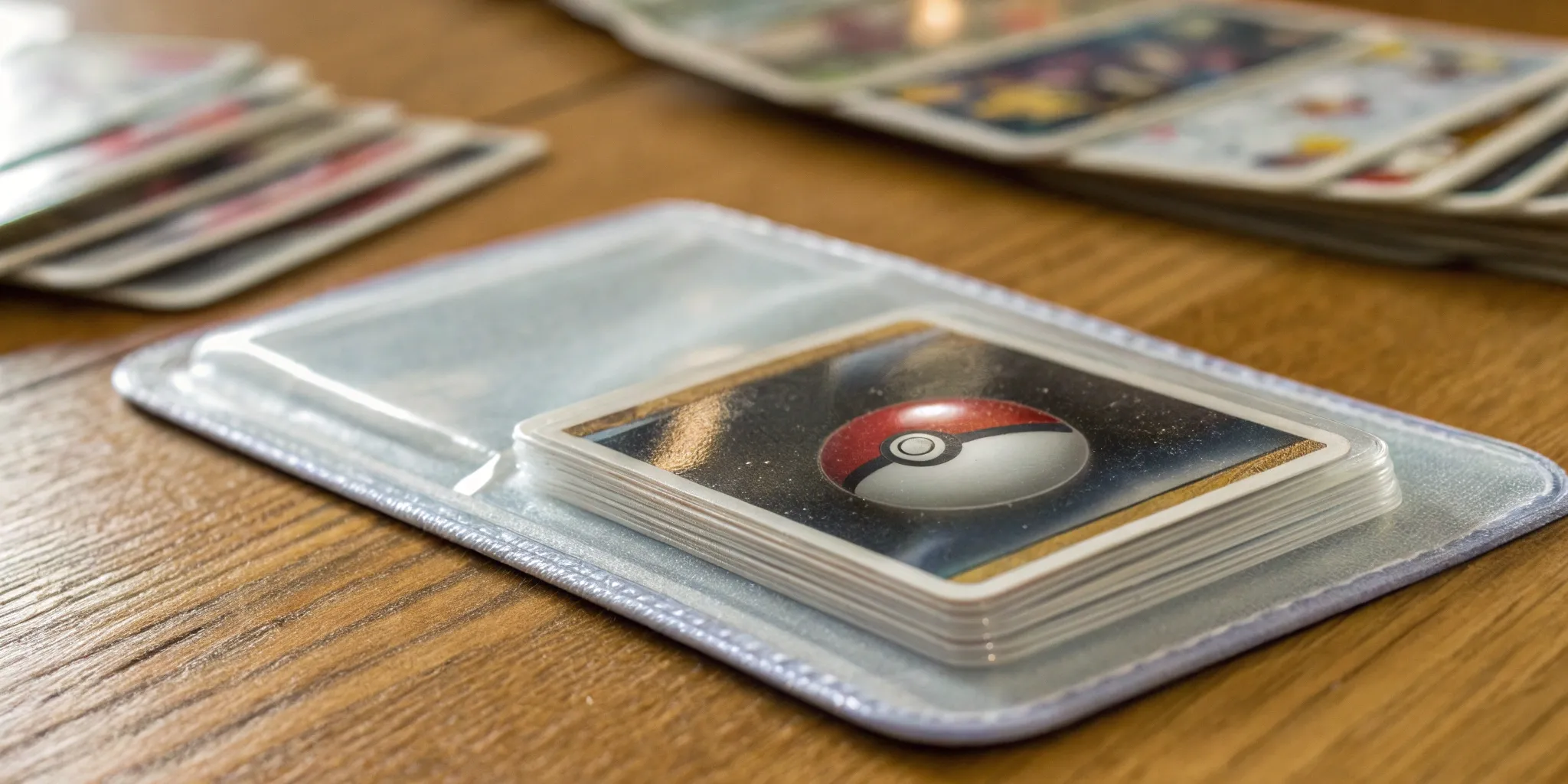
That plastic slab holding your graded Pokémon card represents more than just a piece of cardboard—it’s a valuable asset. But an asset isn’t much good until you convert it into something you can actually use. The process of turning that graded collectible into money in your bank account can feel complicated. You need to figure out accurate pricing, find the right buyers, and handle the transaction safely. This guide is your complete roadmap, breaking down everything you need to know about how to sell graded pokemon cards for cash, ensuring you get the best possible price with the least amount of stress.
Key Takeaways
- Understand What Creates Real Value: A card's worth comes from a combination of its rarity, the Pokémon's popularity, and its professionally graded condition. A high grade from a reputable company like PSA acts as a certified guarantee, giving buyers the confidence to pay its true market price.
- Price Based on Proof, Not Potential: To find a card's accurate market value, ignore high asking prices and focus on what buyers have actually paid. Use the "Sold Items" filter on marketplaces like eBay to see real transaction data for your exact card and grade.
- Sell Safely and Protect Your Profit: Whether you choose an instant sale or a private listing, always prioritize security. Account for platform fees and shipping costs in your final price, and for in-person deals, always meet in a safe, public location.
What Makes a Graded Pokémon Card Valuable?
So, you’ve got a graded Pokémon card and you’re wondering what it’s really worth. The value of a card goes way beyond just the Pokémon printed on it. Several key factors come together to determine its price tag, including its rarity, its physical condition, and the current market demand. A card might be rare, but if it’s beat up, its value takes a nosedive. On the other hand, a common card in perfect condition still won’t be worth much. It’s the combination of these elements that creates a valuable collectible.
Getting a card professionally graded is the single best way to lock in its value. A grade from a reputable company acts as a certified, third-party assessment of your card's authenticity and condition. This removes guesswork for potential buyers and gives them the confidence to pay top dollar. For sellers, it turns a piece of cardboard into a verified asset. Understanding how the grading process works and which factors matter most is the first step toward getting the best possible price for your cards.
How Does Card Grading Work?
Card grading is a process where you send a card to a professional third-party company to have its condition and authenticity verified. Experts at companies like PSA or CGC meticulously examine the card under magnification, checking four key areas: centering, corners, edges, and surface. They look for any imperfections like print defects, scratches, or whitening on the edges. Based on this assessment, the card is assigned a numerical grade, typically on a scale of 1 to 10. A 10, or "Gem Mint," is a virtually perfect card. After grading, the card is sealed in a protective, tamper-proof case—often called a "slab"—that displays the grade and certification details. This process solidifies the card's quality and protects it for the future.
What Determines a Card's Value?
For a graded card, two things matter most: the card itself and the grade it received. The card’s inherent rarity is a huge factor. Is it a 1st Edition? A shadowless Base Set card? A holographic card from a popular vintage set? These features make a card scarcer and more desirable. The Pokémon's popularity also plays a big role—a Charizard will almost always command more attention than a Caterpie.
But the grade is the ultimate value multiplier. A high grade can make a card’s value skyrocket. The difference between a PSA 9 and a Gem Mint PSA 10 can be thousands of dollars for a rare card. Conversely, a low grade (an 8 or less) on a common card can sometimes make it worth less than if it were ungraded, since the cost of grading wasn't justified.
How Grading Companies Affect Card Value
Not all grading companies are viewed equally in the eyes of collectors, and the brand on the slab directly impacts a card's market value. The most recognized and respected name in the industry is Professional Sports Authenticator (PSA). Generally, a PSA-graded card will sell for a higher price than the same card with the same grade from another company. Other reputable companies include Beckett Grading Services (BGS) and Certified Guaranty Company (CGC), but PSA remains the industry standard for Pokémon cards. When you’re selling, having a card in a PSA slab often means a larger pool of buyers and a higher final sale price, as collectors trust the brand and its consistent grading standards.
How to Price Your Graded Pokémon Cards
Pricing your graded Pokémon cards is a mix of art and science. If you price them too high, you risk sitting on your inventory forever. Price them too low, and you’re leaving money on the table. Finding that sweet spot is key to a successful sale. It requires a bit of research, an eye on the market, and a clear understanding of what buyers are actually willing to pay.
Think of it less as guessing and more as gathering evidence. By looking at real-world data and understanding market dynamics, you can set a price that attracts serious buyers and gets you the best possible return. Let’s walk through the exact steps to determine what your graded cards are worth, so you can list them with confidence.
Find Recent Sales Data with the Right Tools
The most reliable way to price your graded Pokémon cards is to see what they’ve actually sold for recently. Forget asking prices—you want to know what cash has changed hands. The best place to find this information is by checking the sold listings on eBay. This gives you a real-time snapshot of the market value based on actual transactions. Many experienced collectors agree that reviewing recent sales data is the most accurate way to gauge a card's current worth. Simply search for your card, including its grade, and filter the results to show only "Sold Items." This will give you a realistic baseline for setting your own price.
Use Price Guides Effectively
While online price guides can be a helpful starting point, you shouldn't rely on them as your only source. These guides often pull data from active listings, not completed sales, which can be misleading. It’s a common issue where sellers list cards for much more than their true market value, hoping someone will bite. Use price guides to get a general idea of a card’s potential value, but always cross-reference that information with the hard data you find in eBay’s sold listings. Think of price guides as a compass, not a map—they point you in the right direction, but you still need to find the specific path yourself.
Understand Market Trends and Timing
The Pokémon card market is dynamic, with prices that can change based on new releases, community hype, and collector demand. What a card was worth six months ago might not be what it’s worth today. Pay attention to how quickly similar cards are selling. If you notice your card has been listed for a while without any serious offers, it might be time to adjust your price. As one collector on Reddit noted, lowering your price to stay competitive can help move items that are slow to sell. Being responsive to market conditions is crucial for making a timely and profitable sale.
Avoid These Common Pricing Mistakes
One of the biggest and most frequent mistakes new sellers make is undervaluing their cards. After going through the effort of getting a card graded, the last thing you want to do is sell it for less than it’s worth. This often happens when sellers are in a rush or don’t do enough research. Taking an extra 15 minutes to check recent sales data can make a huge difference in your final profit. Don’t let impatience cost you money. Properly valuing your cards is the most critical step in the selling process, so give it the attention it deserves.
Where to Sell Your Graded Pokémon Cards
Once you know what your cards are worth, it’s time to find the right buyer. The best place to sell depends on your goals—are you looking for a quick and easy sale, the absolute highest price, or something in between? Let’s walk through the most popular options so you can decide what’s right for you.
Get Instant Cash with the Packz Buyback Program
If you’re looking for the fastest and most straightforward way to sell, the Packz Buyback program is your best bet. After you pull a graded card from one of our digital packs, you have the option to sell it back to us instantly for 100% of its market value. There’s no need to create listings, take photos, or deal with shipping and customer questions. You just click a button, and the credit is immediately added to your account balance, ready for you to open more packs. This is the perfect choice if your main goal is to keep the thrill going without the hassle of managing a collection.
Sell on Online Marketplaces
For those willing to put in a bit more effort, online marketplaces can offer a huge audience of potential buyers. Platforms like eBay give you access to the widest possible market, while more specialized sites like TCGPlayer cater specifically to card collectors. Selling online often means you can set your own price, but it also comes with listing fees, payment processing fees, and the need to ship items securely. To be successful, you’ll need to stay active and adjust your prices to keep up with the market. A competitive price is key to moving your cards quickly and avoiding having your inventory sit for months.
Connect with Local Card Shops and Collectors
Selling locally can be a great way to get cash in hand without dealing with shipping. Your local card shop is a convenient option, but keep in mind they need to make a profit, so expect them to offer you a price below market value. A better bet for getting a fair price is connecting directly with other collectors. Collectible conventions and local trade nights are fantastic places to meet serious buyers who are actively looking to add to their collections. You can negotiate in person and make a deal on the spot, which is a huge plus for many sellers.
Use Auction Houses for High-Value Cards
Do you have a truly rare, high-grade card on your hands? For the absolute top tier of collectibles—think 1st Edition Charizards or rare trophy cards—a professional auction house is the way to go. Companies like Heritage Auctions specialize in marketing high-value items to a global network of serious investors. They handle everything from authentication to promotion, ensuring your card gets in front of buyers willing to pay top dollar. While they take a significant commission, their expertise can lead to record-breaking sale prices that you likely couldn’t achieve on your own. This option is reserved for the best of the best, but it’s the ultimate way to sell a grail card.
How to Sell Your Cards Safely and Successfully
Selling your graded cards is where the real fun begins, but it’s also where you need to be the most careful. A successful sale isn’t just about getting a good price; it’s about ensuring the entire process is smooth, secure, and stress-free. Whether you’re selling online or meeting a buyer in person, a little preparation goes a long way. By following a few key steps, you can protect yourself from common pitfalls and make sure your prized cards find a great new home while you get the cash you deserve.
This guide will walk you through creating listings that attract serious buyers, pricing your cards accurately, and handling the transaction safely from start to finish. Think of it as your checklist for turning your collection into cash, the smart way.
Create Listings That Get Noticed
When you sell online, your listing is your storefront. To attract the right buyers, you need to be clear, detailed, and professional. Start with high-quality photos. Take clear, well-lit pictures of the card from the front and back, making sure the grading label and serial number are perfectly legible. Don’t be afraid to show close-ups of the slab itself.
Your title and description should be just as clear. Include the Pokémon’s name, set, card number, grade, and the grading company. For example, "PSA 10 Gem Mint Charizard Holo Base Set 4/102." In the description, reiterate these details and mention any other important information. While platforms like eBay offer the widest reach, more specialized sites like TCGPlayer cater to a focused audience of card collectors.
Price Your Cards for Maximum Profit
Pricing is part art, part science. It’s tempting to look at active listings and price your card similarly, but this can be misleading. Many sellers list cards for much higher than their actual market value, hoping someone will bite. To find a realistic price, you need to research recently sold prices. On eBay, you can use the "Sold Items" filter to see what buyers have actually paid for the same card in the same grade.
This data is your best friend. It helps you find that sweet spot where you’re not undervaluing your card or overpricing it and scaring off potential buyers. Check multiple sources and look at sales from the last few weeks to get a current, accurate picture of the market before you set your final price.
Stay Safe During In-Person Sales
If you decide to sell locally, your personal safety is the top priority. Never agree to meet a buyer at your home or theirs. Instead, choose a public place that is well-lit and has plenty of people around. A local coffee shop or, even better, the lobby of a police station are excellent options. Many police departments have designated "safe exchange zones" for exactly this purpose.
Always let a friend or family member know where you’re going, who you’re meeting, and when you expect to be back. Trust your instincts—if a potential buyer seems sketchy or makes you uncomfortable, it’s perfectly fine to back out of the sale. There will always be other buyers.
Watch Out for These Red Flags
Whether you're selling online or in person, it’s important to know the warning signs of a potential scam. Be wary of buyers who pressure you to complete the transaction outside of the platform you’re using. This is often a tactic to get around seller protections, leaving you vulnerable. Another red flag is a buyer who asks endless questions but never commits, or one who makes an offer that seems too good to be true.
Also, be cautious of anyone who is vague or avoids providing clear information. On marketplaces, check a buyer's feedback and history. If their account is brand new or has negative reviews, proceed with caution. A little due diligence can help you avoid common scams and ensure you’re dealing with a legitimate collector.
Choose Secure Payment Methods
How you get paid is one of the most critical parts of the sale. For in-person transactions, cash is king. Accepting cash eliminates the risk of chargebacks or fraudulent payments. Avoid payment apps like PayPal Goods and Services for local sales, as they are designed with buyer protection that can be exploited. A buyer could falsely claim they never received the item and get their money back, leaving you with nothing.
For online sales, always use the platform’s integrated payment system. This provides a layer of protection for both you and the buyer. These systems are designed to handle disputes and ensure that you receive your money securely once the transaction is complete. Never agree to an alternative payment method that takes you off the platform.
Common Mistakes That Cost You Money
Selling graded Pokémon cards can be incredibly rewarding, but a few common missteps can quickly eat into your profits. It’s not just about finding a buyer; it’s about managing the entire process like a pro. From emotional pricing to poor packaging, these errors are easy to make but just as easy to avoid. Let’s walk through the most frequent mistakes sellers make so you can protect your investment and get the best possible return for your cards. By sidestepping these pitfalls, you’ll ensure a smoother, safer, and more profitable sale every time.
Don't Let Emotions Dictate Your Price
It’s completely understandable to have an emotional attachment to your cards, especially if you’ve held onto them since childhood. That holographic Charizard might feel priceless to you, but to a buyer, it has a specific market value. One of the biggest mistakes you can make is letting nostalgia inflate your asking price. Sellers often list cards for more than they’re worth simply because of personal sentiment, which can scare away serious buyers who have done their research. To price your cards effectively, you have to separate your feelings from the facts. Stick to the data you’ve gathered from recent sales and price-checking tools to determine a fair and competitive price.
Factor in Hidden Fees and Shipping Costs
The price a buyer pays is rarely the amount you pocket. Forgetting to account for hidden costs is a surefire way to end up with less cash than you expected. If you’re selling on a platform like eBay, you’ll face listing fees, final value fees, and payment processing fees, all of which take a percentage of your sale. Then there are the shipping costs. This isn’t just about postage; it includes the price of bubble mailers, top loaders, and any other protective materials. Before you list your card, use an online fee calculator to understand exactly what you’ll owe the platform. Add up your shipping supply costs, too. Factoring these expenses into your asking price from the start ensures you don’t accidentally lose money on the deal.
Protect Your Cards During the Sale
Once you’ve made a sale, your job isn’t over. Ensuring the card arrives in the exact condition you described is crucial for protecting your reputation and avoiding costly returns. A card damaged in transit is a nightmare scenario that can lead to disputes, negative feedback, and a total loss of the sale. Always use the right materials. At a minimum, the card should be in a soft sleeve, placed inside a rigid top loader, and secured in a bubble mailer. For higher-value cards, consider placing the top loader in a team bag for extra protection against moisture and movement. Taking these extra shipping precautions shows buyers you’re a serious and trustworthy seller.
Tips for Selling Multiple Cards at Once
If you have a large collection of graded cards to sell, listing them one by one can be time-consuming and expensive. Selling cards in a bundle or “lot” can be a much more efficient strategy. Grouping similar cards together—like a set of starter Pokémon from the same set or cards with the same grade—can make your listing more attractive to buyers looking to acquire multiple items at once. This approach also saves you a significant amount on shipping costs, as you’re sending one package instead of several. Buyers often appreciate the convenience and value of a well-curated lot, which can help you move your inventory faster and appeal to a broader audience of collectors.
Related Articles
Frequently Asked Questions
Is it always worth the cost to get a Pokémon card graded? Not always. Grading makes the most sense for cards that are already rare or in near-perfect condition. Think holographic cards from vintage sets, 1st Editions, or popular Pokémon like Charizard and Pikachu. For a common card or one with visible wear like bent corners or scratches, the cost of grading will likely be more than the value it adds. It's best to reserve grading for your heavy hitters to ensure you get a good return on your investment.
My card has a high grade, but it's not selling. What am I doing wrong? This usually comes down to one of two things: price or demand. First, double-check your price against what the card has actually sold for recently, not just what others are asking for. The market can change quickly, so your price might be based on outdated information. Second, consider the card itself. Even a perfect grade can't create high demand for a Pokémon or set that isn't popular with collectors. If your price is fair and it's still not moving, it might just be a matter of waiting for the right buyer to come along.
What's the fastest way to sell my cards versus the way to get the most money? If your goal is speed and convenience, nothing beats an instant buyback program like the one we offer at Packz. You get a fair price immediately without any of the work. If you're aiming for the absolute highest price possible, you'll need to sell it yourself on a marketplace like eBay or, for extremely valuable cards, through an auction house. This path requires more effort—creating listings, dealing with buyers, and handling shipping—but it gives you the potential for a bigger payout.
How can I tell if an ungraded card is worth grading in the first place? Before sending a card in, give it a close look under a bright light. Check the four key areas: the centering of the artwork, the sharpness of the corners, the smoothness of the edges, and the condition of the surface. If you see any whitening on the edges, soft corners, or scratches on the holographic area, it likely won't get a top grade. A card that is a good candidate for grading will look nearly perfect to the naked eye and will also be a card that collectors are actively seeking out.
I'm nervous about shipping an expensive card. What's the best way to protect it? Proper packaging is non-negotiable for valuable cards. The standard method is to place the graded slab in a fitted sleeve or team bag to protect it from scratches and moisture. Then, sandwich the slab between two pieces of sturdy cardboard and secure it so it can't move around. Place this bundle in a bubble mailer or small box. Always use a shipping service with tracking and consider adding insurance for your peace of mind. This ensures the card arrives safely and protects you as a seller.
Recommended Reading
Cash for Graded Sports Cards: The Fastest Ways to Sell
Get cash for graded sports cards faster. Compare auction houses, marketplaces, and instant buyback options to pick the route that fits your timeline.
How to Compare Value in Sports Card Packs
Learn how to compare sports card packs using card quality, available pulls, pricing clarity, and Packz’s 100% buyback option.
How to Buy Pokemon Packs Online for Ripping
Ready to buy pokemon packs online for ripping? Get transparent pack value and clear pull odds so you never overpay for the thrill of the hunt. Start collecting safely.