
March 13, 2026
10 Best Paradox Rift Cards Worth Grading Now
Find out which Paradox Rift best cards are worth grading for collectors and players. See the top 10 picks with standout art, rarity, and investment value.
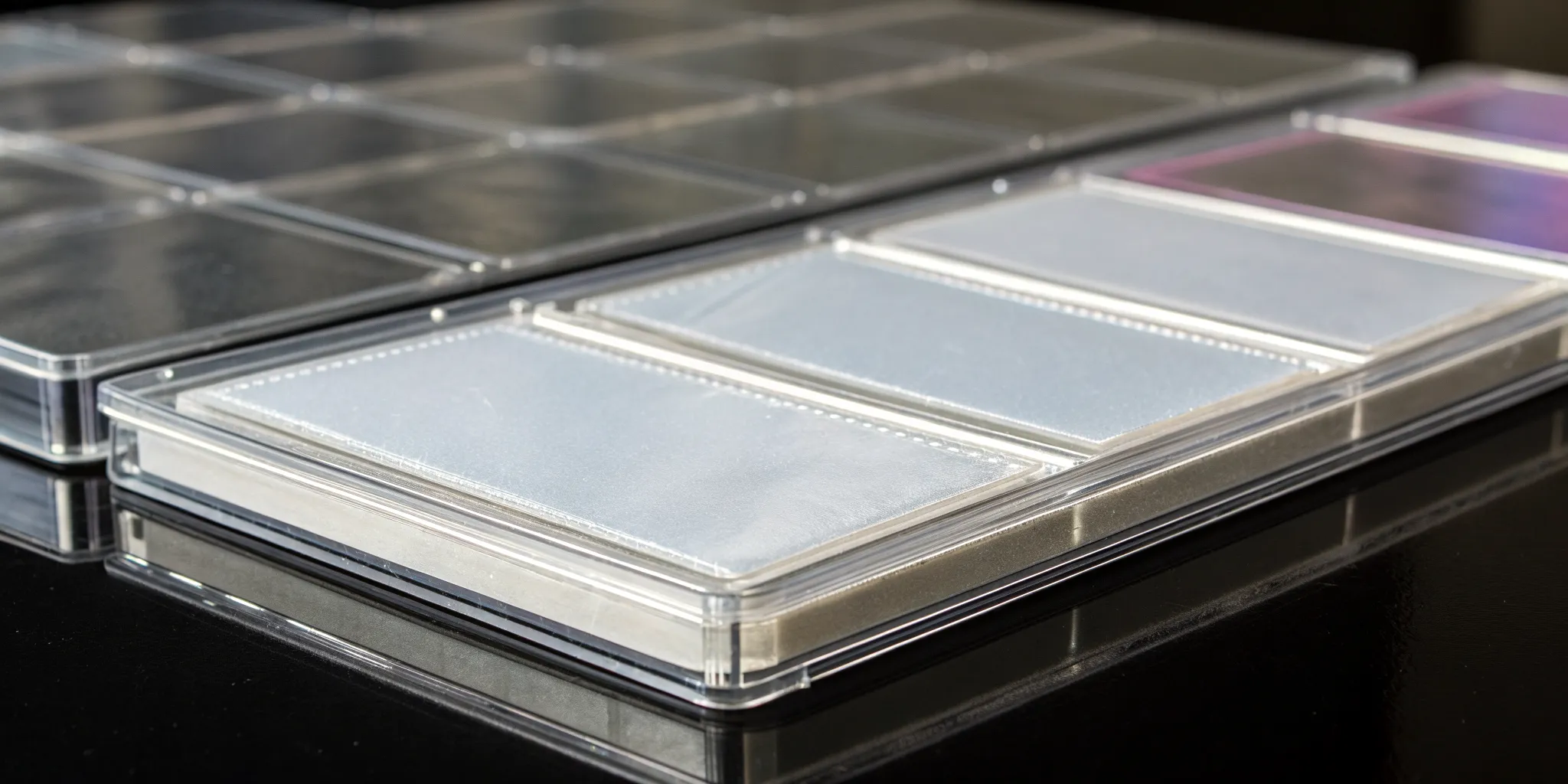
The artwork in modern Pokémon sets has become a huge part of the collecting experience, and Paradox Rift is a masterclass in card design. The introduction of Special Illustration Rares has turned packs into miniature art galleries, with each rare pull feeling like you’ve discovered a masterpiece. These cards tell a story, showcasing Pokémon in unique and beautiful ways that go far beyond a standard design. This focus on artistry is a major reason why certain cards become so sought after. In this guide, we'll explore the intersection of art and value, highlighting the Paradox Rift best cards that stand out for their incredible illustrations and high desirability among collectors.
Key Takeaways
- Know Why Paradox Rift is a Hit: The set's popularity comes from its triple appeal: it offers powerful new mechanics for competitive players, features stunning artwork for collectors, and includes high-value chase cards for investors.
- Condition and Grading Determine Value: A card's price is directly tied to its physical condition. Getting your best cards professionally graded is the most effective way to lock in their quality and significantly increase their market worth.
- Collect with a Clear Strategy: Avoid impulse buys by setting a goal, whether it's completing a master set or hunting specific cards. Protect your investment with proper storage and make informed purchases by researching price history instead of following temporary market hype.
What's the Big Deal with Paradox Rift?
If you’ve been around the Pokémon TCG scene, you’ve probably heard the buzz surrounding the Paradox Rift set. This isn't just another expansion; it’s a release that genuinely shook things up for players and collectors alike. The set dives deep into the Paradox Pokémon from the Scarlet & Violet video games, introducing powerful new Ancient and Future Pokémon that bring a whole new dimension to gameplay. It also marks the return of Technical Machine (TM) cards, which offer unique strategic advantages in battle.
But the excitement goes way beyond just gameplay mechanics. For collectors, Paradox Rift is stacked with some of the most incredible chase cards we’ve seen in a while. The artwork is a huge draw, with Special Illustration Rares that are essentially miniature masterpieces. These cards blend stunning visuals with storytelling, making them highly sought after.
The combination of playability and collectibility is what makes this set a standout. You have cards that can give you a serious competitive edge in a tournament, while others are simply breathtaking to look at. The set’s top card, Roaring Moon ex, became an instant classic, with its value soaring past the $100 mark right out of the gate. It’s this mix of high-value hits, game-changing mechanics, and beautiful art that makes Paradox Rift a set that everyone wants to get their hands on.
The 10 Best Paradox Rift Cards to Look For
The Paradox Rift set is packed with incredible cards, but a select few stand out as the ones every collector is chasing. These are the cards that combine stunning artwork, rarity, and character popularity into a perfect storm of desirability. When you’re opening packs, these are the hits that make your heart skip a beat. The list is dominated by Special Illustration Rares, which feature unique, full-card artwork from guest artists, making them true collector’s pieces that feel more like miniature paintings than playing cards.
What makes these specific cards the best? It comes down to a few key factors. First, their rarity means they are incredibly hard to pull, which naturally drives up demand and market value. Second, the artwork on these cards is on another level, telling a story and showing the Pokémon in a new light. Finally, many of these Pokémon are fan favorites or powerhouses in the actual trading card game, adding another layer of appeal for both collectors and players. Finding one of these cards in a pack is just the beginning; getting it graded can solidify its place as a centerpiece in your collection for years to come. Let’s get into the top 10 cards you should be looking for from Paradox Rift.
Roaring Moon ex (Special Illustration Rare)
If there’s one card that defines the Paradox Rift set, it’s this one. The Roaring Moon ex Special Illustration Rare is the undisputed chase card, consistently holding the highest market value since the set’s release. The artwork is intense and dynamic, perfectly capturing the raw power of this ancient Pokémon. Its value is backed by its incredible rarity and its dominance in competitive play. Pulling this card is a major win for any collector, and it’s the top candidate from the set for grading. A pristine, graded version of this card is the ultimate trophy for a Paradox Rift collection.
Groudon (Illustration Rare)
This Groudon card is a perfect example of how artwork can make a card truly special. The Illustration Rare features the legendary Pokémon surrounded by volcanic energy, creating a powerful and visually stunning scene. It’s a masterpiece that feels like it belongs in a frame. While not as rare as a Special Illustration Rare, this card’s incredible art makes it highly sought after. Groudon is a legendary Pokémon with a huge fanbase, and this card does it justice. It’s a must-have for anyone who appreciates top-tier Pokémon art and a fantastic piece to add to your collection.
Altaria ex (Special Illustration Rare)
The Altaria ex Special Illustration Rare is pure elegance. The card features soft, ethereal artwork that gives it a dreamlike quality, showing Altaria in a peaceful, serene moment. This art style is a beautiful contrast to the more intense cards in the set and has made it a favorite among collectors. Altaria has always been a popular Pokémon, and this unique depiction has only increased its appeal. It’s one of the more valuable cards in the set for a good reason; its beauty and rarity make it a standout that is absolutely worth grading if you’re lucky enough to find one.
Garchomp ex (Special Illustration Rare)
Garchomp is a fan-favorite powerhouse, and its Special Illustration Rare card lives up to its reputation. The artwork is dynamic and action-packed, showcasing the pseudo-legendary Pokémon in a powerful pose that radiates strength. This card is a hit with both collectors and players, as Garchomp ex is also a formidable card in the game itself. The combination of a popular character, incredible art, and competitive viability makes this a top-tier chase card. It’s a card that commands attention and is a prime candidate for getting a high grade to preserve its condition and value.
Gholdengo ex (Special Illustration Rare)
Looking for a card that’s just plain fun? The Gholdengo ex Special Illustration Rare is exactly that. The artwork is playful and unique, featuring the coin-based Pokémon in a vibrant, treasure-filled scene. As a newer Pokémon from the Scarlet & Violet era, this card has helped cement Gholdengo’s popularity. Its quirky design stands out from anything else in the set, making it highly memorable and desirable. Collectors love cards with personality, and this one has it in spades. It’s a fantastic-looking card that will brighten up any collection and is a great one to send off for grading.
Iron Valiant ex (Special Illustration Rare)
Representing the "Future" side of the Paradox Rift theme, the Iron Valiant ex Special Illustration Rare is a sci-fi dream. The artwork is sleek and futuristic, with a cool, robotic aesthetic that makes it look like something out of a sci-fi anime. This card is not only visually striking but also a major player in the Pokémon TCG, making it highly sought after by competitors. Its unique design and gameplay relevance have secured its spot as one of the top chase cards in the set. If you appreciate modern, high-tech art, this is a must-have for your collection.
Steelix (Illustration Rare)
While it might not be the flashiest card in the set, the Steelix Illustration Rare is a hidden gem. The artwork is incredible, emphasizing the massive scale and power of the Iron Snake Pokémon as it bursts from the ground. It’s a card that feels grounded and intense, offering a different vibe from some of the more colorful rares. Steelix has been a popular Pokémon since Generation II, and this card gives it a fantastic modern update. It’s a solid and affordable Illustration Rare that looks amazing and is a great addition for collectors who appreciate powerful, well-composed artwork.
Minun and Plusle (Illustration Rare Pair)
This pair is a perfect example of storytelling through card art. The Minun and Plusle Illustration Rares are two separate cards, but their artwork lines up to create a single, charming scene of the duo playing together. This creative approach makes collecting both a fun mini-quest for enthusiasts. The cards capture the cheerful, energetic nature of these classic Pokémon. While not individually expensive, finding both in great condition creates a valuable and highly displayable set. They are a testament to the creativity that makes modern Pokémon cards so special.
Morpeko (Illustration Rare)
The Morpeko Illustration Rare is bursting with color and personality. The artwork is incredibly playful, showing a handful of Morpeko in a berry-filled pantry, with one cheekily munching away. It’s a fun, lighthearted scene that perfectly captures the Pokémon’s mischievous nature. This card is a favorite for its sheer charm and vibrant art style. It proves that a card doesn’t have to feature a legendary Pokémon to be a standout. For collectors who love cards that tell a story and showcase a Pokémon’s personality, this Morpeko is a fantastic and affordable find.
Full Art Trainer Cards
Don’t forget about the trainers! Full Art Trainer cards, especially the Special Illustration Rare versions, are often among the most valuable cards in any set. Paradox Rift includes several popular trainers like Professor Sada, Tulip, and Parasol Lady, all featuring beautiful, full-card artwork. These cards are highly sought after because they feature human characters, which appeals to a different subset of collectors. Their rarity and artistic flair make them top-tier pulls that can often rival the value of the most popular Pokémon cards in the set.
How Much Are These Cards Actually Worth?
So, you’ve pulled one of the chase cards from a Paradox Rift pack. The big question is, what’s it really worth? The answer isn’t a single number, and it’s something every collector needs to understand. A card’s value depends on its rarity, condition, and whether it’s been professionally graded. The Paradox Rift set, which was released in late 2023, is especially popular with collectors because it introduced "Paradox Pokémon," which are cool ancient or futuristic versions of familiar characters. This unique theme helps drive up the value of its key cards and keeps the set in high demand.
The market for Pokémon cards is incredibly active, with prices constantly changing based on what cards have recently sold for on platforms like eBay. Think of it less like a fixed price tag and more like a stock price that goes up and down with demand. A card that’s worth $100 one month could be worth $150 the next, or vice versa. Two main factors determine where a card falls on that spectrum: its grade and its physical condition. Understanding how these elements work together is the key to figuring out the true value of your collection and making smart decisions about what to do with your best pulls, whether you decide to sell, trade, or hold.
How Grading Changes a Card's Value
Getting a card graded is one of the most effective ways to increase its value. A grade from a reputable company like PSA provides an objective, expert opinion on the card's condition, which gives buyers confidence. Graded cards, especially those that earn a perfect "PSA 10" Gem Mint grade, are almost always worth much more than their ungraded, or "raw," counterparts.
The price difference can be dramatic. For example, an ungraded Groudon illustration rare from Paradox Rift might be valued around $72. However, a PSA 10 graded version of that same card has sold for over $380. That’s a huge jump. The grade essentially removes the guesswork and guarantees the card is in pristine condition, which is why collectors are willing to pay a premium for it. You can check the latest Pokemon Paradox Rift card prices to see how grading impacts value across the entire set.
Why Condition Affects Price
A card’s condition is the foundation of its value. Even a card pulled straight from a pack isn’t guaranteed to be a perfect 10. Tiny imperfections like off-center printing, microscopic scratches on the holographic surface, or whitening on the edges can lower the grade and, consequently, the price. This is why handling your cards carefully from the moment you get them is so important.
For serious collectors aiming to complete a master set, which includes all 266 cards from the series, condition is everything. They need every single card, from the most common to the secret rares, in the best possible shape. This demand for high-quality cards keeps prices strong for graded examples. The market value is a direct reflection of what people are willing to pay, and they consistently pay more for cards that have been well-preserved and professionally verified.
Why Do Collectors Want These Cards?
So, what makes certain Paradox Rift cards the ones everyone is trying to find? It’s not just about completing a set. The desire for these specific cards comes down to a powerful combination of stunning visuals, strategic gameplay advantages, and their potential as a serious investment. For some collectors, it’s the thrill of owning a miniature piece of art that connects them to the Pokémon world. For others, it’s about building an unbeatable deck for their next tournament and gaining a competitive edge. And for many, it’s the excitement of pulling a rare card that could be worth a small fortune, turning a hobby into a profitable venture.
This blend of passion and practicality is what makes the hunt so compelling. A card might be popular because its illustration is a fan-favorite, or because it introduces a game-changing ability that shakes up the competitive scene. Sometimes, it's simply a matter of scarcity; the fewer copies of a card that exist, the more people want it. Understanding these motivations is key to knowing which cards are worth your attention and why they command such high prices on the market. Whether you're drawn in by a card's beauty, its power, or its price tag, there's a reason behind the hype. Let's break down the three key factors that make these cards so highly sought after.
The Incredible Artwork
First and foremost, the artwork in the Paradox Rift set is a huge draw for collectors. The designs are incredibly creative and unique, setting them apart from other sets. Cards like the Mela Special Illustration Rare are described as ethereal and mysterious, featuring intricate details that capture the imagination. This distinctive artistry turns each card into a small masterpiece, making them highly desirable for people who appreciate the craftsmanship. Owning one of these cards is like having a piece of the Pokémon world's lore and beauty right in your hands, which is a major reason they become chase cards.
Their Strength in Gameplay
Beyond their looks, many Paradox Rift cards are powerhouses in the actual Pokémon Trading Card Game. The set introduced exciting new mechanics that challenge players and can completely change the outcome of a match. A card’s value isn’t just in its rarity; it’s also in its utility. For example, Altaria ex offers a significant strategic advantage by healing 20 damage from each of your Pokémon every turn it’s on your Bench. This kind of ability makes it a valuable addition to almost any deck, driving demand from competitive players and collectors who appreciate a card that is both beautiful and functional.
Rarity and Investment Potential
Let’s talk about value. Rarity is a massive factor in what makes a card desirable, and Paradox Rift has some heavy hitters. The ultimate chase card, Roaring Moon ex, is the only one in the set to consistently hold a value of over $100. This high market value is a direct result of its rarity and the intense demand from the community. For many, collecting these cards is a form of investment. Pulling a rare, high-demand card isn't just a win for your collection; it's a tangible asset that has the potential to appreciate over time, making the hunt for these cards even more thrilling.
Where to Find Paradox Rift Cards
Now that you know which cards to look for, the next big question is where to find them. The thrill of the hunt is a huge part of the fun, and you have several great options for tracking down Paradox Rift packs and singles. Whether you prefer the instant excitement of digital packs or the experience of browsing a local shop, there’s a method that fits your style. Let's walk through the best places to build your collection.
Digital Pack Opening Platforms
For a modern and exciting way to collect, digital pack opening platforms are a game-changer. Sites like Packz let you buy and open digital mystery packs right from your computer or phone. You get the same rush of revealing rare cards without the physical clutter. The best part? If you pull a card you don't want, you can often sell it back instantly for credit to open more packs. This makes it an efficient way to chase the biggest hits from Paradox Rift. Plus, when you do pull a card you love, you can have the physical, graded card shipped directly to you.
Retail Stores and Online Marketplaces
Of course, you can always go the traditional route. Big-box stores like Target and Walmart stock booster packs and boxes, but be prepared for them to sell out quickly. For more specific needs, online marketplaces are your best friend. Websites like TCGplayer and eBay let you buy individual cards, which is perfect for finishing your master set or grabbing a specific chase card you missed. Just be sure to check seller reviews and photos carefully to ensure you’re getting a card in the condition you expect. Many reputable online sellers provide detailed listings to help you buy with confidence.
Local Shops and Trading Groups
Don’t underestimate the power of the local collecting community. Your local card shop is more than just a place to buy packs; it’s a hub for fellow collectors. Building a relationship with the staff can give you a heads-up on new stock and events. You can also connect with other trainers through local trading groups on platforms like Facebook or Discord. These communities are fantastic for trading duplicates, selling cards you no longer need, and getting advice from seasoned collectors. It’s a great way to find other players and make the hobby more social and rewarding.
Starting Your Collection: Which Cards to Target First
Jumping into a new Pokémon set like Paradox Rift is exciting, but it can also feel a little overwhelming. With hundreds of new cards, where do you even begin? The key is to have a plan. Deciding what you want to collect before you start opening packs will make the process more focused, fun, and rewarding.
Whether you’re a completionist who wants every single card, a thrill-seeker hunting for the rarest pulls, or someone just looking for cool art, there’s a collecting style for you. Let’s walk through a few popular strategies to help you figure out which cards to target first. Thinking about your goals from the start will help you build a collection you’re truly proud of.
Create a Master Set Strategy
If you’re the type of person who loves checking boxes and seeing a project through to the end, aiming for a master set might be the perfect goal for you. A complete Paradox Rift master set includes all 266 cards, from the common base cards to the ultra-rare secret prints. This approach turns collecting into a long-term quest, giving every pack you open a purpose.
Completing a master set is a serious commitment, but it’s also incredibly satisfying. Each card you find brings you one step closer to your goal. This strategy provides a clear roadmap for your collection and gives you a reason to appreciate every card in the set, not just the big hits. When you finally place that last card in your binder, the sense of accomplishment is unbeatable.
Chase Cards vs. Budget-Friendly Finds
Not everyone wants to collect an entire set, and that’s perfectly fine. Another popular strategy is to focus on "chase cards." These are the rarest, most sought-after cards in a set, like the stunning Roaring Moon ex or the powerful Groudon Illustration Rare. Hunting for these top-tier cards provides a huge adrenaline rush, and pulling one is an unforgettable moment. Focusing on chase cards can also be a good investment if you pull a highly-graded card.
On the other hand, you can build an amazing collection by simply targeting cards you find personally appealing. Maybe it’s the artwork on a common card or a Pokémon you’ve loved since you were a kid. This approach is all about sentimental value. A great strategy is to find a balance: aim for a few big chase cards while also picking up the less expensive ones that just make you happy.
How to Budget for Your Collection
Let’s talk about the practical side of things: money. Card collecting is a hobby, and it should be fun, not stressful. Setting a budget is the best way to keep it that way. Decide how much you’re comfortable spending each month on packs or single cards and stick to it. Remember that costs go beyond the cards themselves; you’ll also need to budget for things like binders, sleeves, and potential grading fees, which can add up.
When you’re deciding which cards to buy, think about building a collection that has both personal meaning and the potential to hold its value. A smart approach is to invest in cards you genuinely love that also have a good chance of appreciating over time. This way, you’re building a collection that’s both a passion project and a wise investment for the future.
How to Protect Your Paradox Rift Investment
Pulling a rare card is an incredible feeling, but the work doesn’t stop there. If you think of your collection as an investment, you need to protect it like one. Small efforts now can make a huge difference in a card’s condition and value down the road. It’s not just about keeping your cards safe from spills or creases; it’s about actively preserving their quality so they hold their worth for years to come.
Whether you plan to sell your cards later, trade them for something bigger, or just admire them as part of your personal collection, proper care is essential. It all comes down to three key practices: getting your best cards professionally graded, storing them correctly, and being strategic about what you add to your collection. By focusing on these areas, you can ensure your Paradox Rift cards remain valuable assets.
Get Your Cards Professionally Graded
If you pull one of the chase cards from Paradox Rift, your first thought should be about getting it graded. Professional grading is the process of sending your card to a third-party company like PSA or Beckett, where experts verify its authenticity and assess its condition on a scale of 1 to 10. This official grade removes any guesswork about the card’s quality.
Why does this matter? Because graded cards are almost always worth more than their ungraded counterparts, especially if they earn a gem mint 10. A high grade confirms your card is in pristine condition, making it much more desirable to serious collectors and investors who are willing to pay a premium for quality.
Store and Handle Your Cards with Care
Every time you handle a card, you risk damaging it. Oils from your skin, accidental bends, and microscopic scratches can all lower a card’s condition and value. The best way to prevent this is with proper storage. At a minimum, every rare card should go directly from the pack into a soft penny sleeve and then into a rigid top loader.
For organizing your collection, use high-quality binders with side-loading pages. This prevents dust from settling on the tops of your cards. Building a complete Paradox Rift master set is a major undertaking, and protecting that many cards requires a solid storage system to maintain their condition over time.
Collect Smarter for Long-Term Value
Building a valuable collection isn’t just about buying as many packs as possible. It’s about making strategic choices. A great way to start is by following a beginner’s guide to investing in Pokémon cards. Focus on acquiring cards that have a good mix of personal appeal and potential for future growth.
Pay attention to which cards are popular in competitive play, as demand can drive up their price. Keep an eye on special illustration rares and other hard-to-find cards, as rarity is a key factor in long-term value. A thoughtful, well-curated collection will always be more valuable than a large, disorganized one.
Common Mistakes New Collectors Make
Jumping into the world of card collecting is incredibly exciting, but it's also easy to make a few missteps along the way. Think of it as part of the learning process. Everyone makes mistakes when they start a new hobby, but knowing what to watch out for can save you a lot of time, money, and potential frustration. By sidestepping a few common pitfalls, you can build a collection you’re proud of without the buyer's remorse.
The two biggest hurdles for new collectors are often getting swept up in the excitement of a hot market and jumping in without a clear plan. It happens to the best of us. A card suddenly seems to be everywhere, and the fear of missing out (FOMO) is real. Or, you start buying cards you like without any real direction, and soon you have a random assortment that doesn't feel like a cohesive collection. Let's break down how to avoid these common traps so you can collect smarter from day one.
Getting Caught Up in Market Hype
When a card suddenly skyrockets in price, it’s usually because of market hype. This can be fueled by influencers, social media trends, or pure speculation. These artificial spikes can be tempting, but they're often temporary. Buying a card at its peak price during a hype wave is one of the most common Pokémon investing mistakes you can make.
Instead of chasing the hype, take a step back and do your own research. Look at a card's price history over several months, not just the last few days. Is the growth steady, or was there a sudden, dramatic jump? A patient approach almost always pays off. Let the hype die down, and you can often get the same card for a much more reasonable price later.
Poor Timing and Strategy
Collecting without a plan is like going on a road trip without a map. You’ll see some interesting things, but you might not end up where you want to be. A great collection starts with a strategy. Decide what you want to focus on. Do you want to collect every card of your favorite Pokémon? Or maybe you want to complete a full master set of Paradox Rift, including all the secret rares and variants.
Having a clear goal helps you make smarter purchasing decisions and avoid impulse buys. It also helps with timing. Instead of buying cards randomly, you can watch the market for the specific ones you need and purchase them when the price is right. A solid beginner's guide can help you build a strategy that balances collecting what you love with smart investment choices.
Related Articles
- Paradox Rift Chase Cards: The Ultimate List
- What Is a Parallel Card? A Collector's Guide
- All ex Cards Pokémon TCG: A Complete Guide
Frequently Asked Questions
What exactly makes a card a "chase card," and why is Roaring Moon ex the biggest one in this set? A chase card is the one everyone is hoping to pull from a pack. It's the rarest, most valuable, and most talked-about card in a set. For Paradox Rift, Roaring Moon ex earned that title for a few key reasons. It features incredible, dynamic artwork, it's exceptionally rare as a Special Illustration Rare, and it's also a powerhouse in competitive gameplay. That combination of beautiful art, scarcity, and utility makes it the ultimate prize for both collectors and players.
Should I get every rare card I pull graded? Not necessarily. Grading is a fantastic way to certify a card's condition and increase its value, but it also costs money. It's most effective for your biggest hits, like the Special Illustration Rares or other high-value cards that are in pristine condition. For a card worth only a few dollars, the cost of grading might be more than the value it adds. Think of grading as the best option for preserving and maximizing the value of your top-tier pulls.
What's the difference between an Illustration Rare and a Special Illustration Rare? This is a great question because the names are so similar. Think of it as two different levels of rarity and detail. An Illustration Rare features beautiful, full-card artwork and is a fantastic find. A Special Illustration Rare is a step above that. These cards are even harder to pull and often have a unique textured foil and more intricate artwork, sometimes telling a small story. This higher rarity and premium finish are why Special Illustration Rares are typically the most valuable cards in a set.
Is it better to buy digital packs or physical packs? It really comes down to what kind of experience you're looking for. Buying physical packs from a store is a classic, hands-on experience that many collectors love. Digital platforms, on the other hand, offer convenience and efficiency. You can open packs instantly from anywhere, and features like selling cards back for credit allow you to open more packs and focus your efforts on finding the specific chase cards you want without accumulating bulk.
Will Paradox Rift cards hold their value in the long run? While no one can predict the future perfectly, Paradox Rift has all the signs of a set with lasting appeal. The introduction of unique Ancient and Future Pokémon, the return of popular mechanics like TMs, and the absolutely stunning artwork on its rarest cards give it a strong identity. Sets that are both fun to collect and impactful on the game tend to hold their value well over time, and Paradox Rift checks both of those boxes.
Recommended Reading

Cash for Graded Sports Cards: The Fastest Ways to Sell
Get cash for graded sports cards faster. Compare auction houses, marketplaces, and instant buyback options to pick the route that fits your timeline.
How to Compare Value in Sports Card Packs
Learn how to compare sports card packs using card quality, available pulls, pricing clarity, and Packz’s 100% buyback option.
How to Buy Pokemon Packs Online for Ripping
Ready to buy pokemon packs online for ripping? Get transparent pack value and clear pull odds so you never overpay for the thrill of the hunt. Start collecting safely.