
January 12, 2026
Are Mystery Slab Boxes Worth It? A Collector's Guide
Curious about mystery slab box value? Learn how to spot quality, avoid common pitfalls, and make smart choices for your card collection.
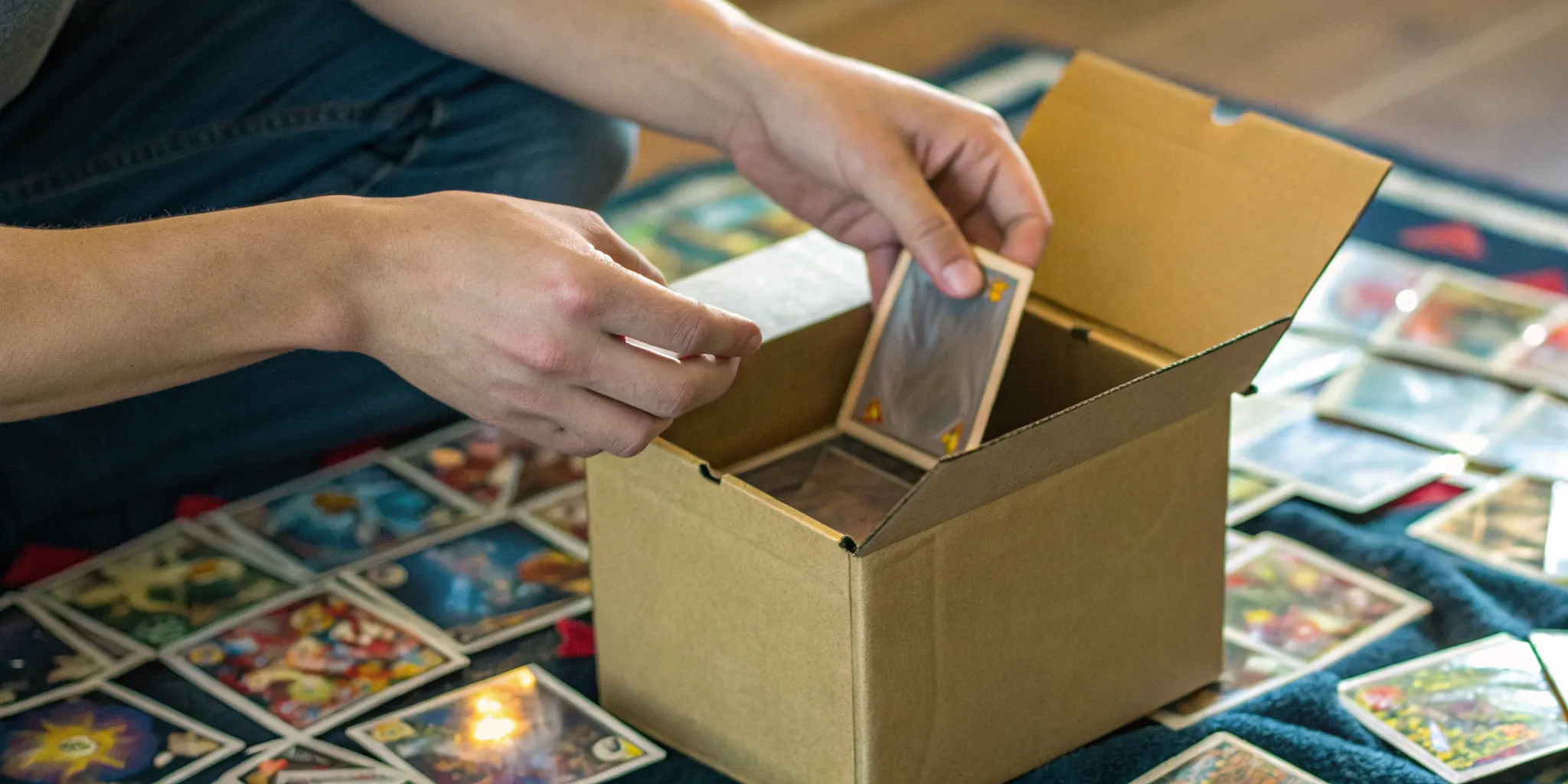
Remember the feeling of ripping open a pack of cards as a kid, hoping for that one legendary pull? A mystery slab box captures that same magic but elevates it for the serious collector. You get the thrill of the surprise, but with the added assurance of a professionally graded card from a trusted company like PSA or BGS. It’s the perfect middle ground between the total uncertainty of a sealed pack and the predictability of buying a single. This article will show you how to chase that excitement smartly, so you can add high-value, high-grade cards to your collection.
Key Takeaways
- Vet Your Seller Thoroughly: Protect yourself from "junk slabs" by choosing sellers who are transparent about their card selection and exclusively use top-tier grading companies like PSA, BGS, or CGC.
- Set a Budget for Fun: Approach mystery slabs as a form of entertainment, not a guaranteed investment. Decide on a budget you're comfortable with beforehand so you can enjoy the thrill of the reveal without financial stress.
- Look for Built-In Safety Nets: Reduce your risk by seeking out sellers who offer a guaranteed minimum grade or a buyback program. These features provide a floor for your purchase and ensure you always get some value back.
What Exactly Is a Mystery Slab Box?
If you’ve spent any time in the card collecting world, you’ve probably heard the term “mystery slab box.” So, what are they? Think of it as a curated surprise package for collectors. Instead of a regular pack of cards, a mystery slab box contains a trading card that has already been professionally graded and sealed in a protective plastic case, or "slab." The "mystery" is that you don't know exactly which graded card you're going to get until you open it.
This adds a layer of excitement to collecting that you don't get from buying single cards. You know you're getting a card that's been authenticated and assessed for quality, but the specific player or Pokémon inside is a surprise. It’s a fantastic way to add high-quality, graded cards to your collection without having to hunt down individual listings. Whether you're into sports cards or Pokémon, these boxes offer a unique thrill combined with the security of a professionally graded collectible.
What Kinds of Cards Are Inside?
The best part about mystery slab boxes is that you’re guaranteed a certain level of quality. Reputable sellers fill their boxes with cards graded by trusted, third-party companies like Professional Sports Authenticator (PSA), Beckett (BGS), or Certified Guaranty Company (CGC). This means an expert has already verified the card's authenticity and condition.
Most mystery boxes guarantee that the cards inside will have a minimum grade, often an 8, 9, or 10. On the standard 1-10 grading scale, these numbers represent cards in excellent, near-mint, or gem-mint condition. This assurance takes a lot of the guesswork out of buying cards online and protects you from receiving a card in poor shape.
Mystery Slabs vs. Regular Packs: What's the Difference?
A mystery slab pack offers a perfect middle ground between the uncertainty of a sealed wax pack and the predictability of buying a single card. When you rip open a regular pack, you risk pulling cards in less-than-perfect condition. When you buy a single, you know exactly what you’re getting, which is great for filling a specific spot in your collection but lacks that element of surprise.
Mystery slab packs give you the best of both worlds: the thrill of the reveal, plus the guarantee of a high-quality, graded card. It’s a curated experience designed for collectors who appreciate condition and value. However, it's important to remember that some sellers might use mystery packs as a way to offload less desirable cards. That’s why choosing a reputable source is key to having a great experience.
A Quick Guide to Card Grading
Before you jump into buying mystery slabs, let's talk about grading. A card's "grade" is a score that reflects its physical condition, assigned by a professional third-party company. This process, often called "slabbing," involves encapsulating the card in a tamper-proof plastic case with a label detailing its grade and authenticity. Think of it as a report card for your trading card. The grade is the single most important factor in determining a card's value, so understanding the basics is non-negotiable if you want to make smart buys.
A higher grade means the card is in better condition—closer to "pack fresh" or "mint." Even a single point difference on the grading scale can mean a difference of hundreds or even thousands of dollars in value. Knowing who graded the card and what that grade means will help you assess the real value of what's inside a mystery box.
Decoding the Grades: PSA, BGS, and CGC
Not all grading companies are created equal. The most respected names in the industry are Professional Sports Authenticator (PSA), Beckett (BGS), and Certified Guaranty Company (CGC). When you buy a mystery slab, you want to see cards graded by one of these trusted authenticators. Their reputation is built on consistency and accuracy, which gives collectors confidence in the card's grade and value. Each company has its own grading scale, but they all generally operate on a 1-to-10 system, with 10 being a flawless, gem mint card. Seeing a slab from one of these top-tier companies ensures you're getting a card that has been professionally and impartially evaluated.
Why High Grades Are a Big Deal for Collectors
A high grade is everything in the world of collecting. It authenticates the card and preserves its condition, but most importantly, it solidifies its value. A PSA 10 Charizard can be worth exponentially more than a PSA 8 of the exact same card. This is why mystery boxes can feel like a gamble; there's always a chance of receiving lower-grade cards that aren't as valuable. The thrill is in chasing those 9s and 10s. If you happen to pull a card that’s a high grade but doesn't quite fit your personal collection, some platforms offer a great solution. For instance, Packz has a buyback program that lets you sell the card back instantly for a percentage of its market value, giving you account credit to try for another grail.
Are Mystery Slab Boxes a Smart Buy?
So, are mystery slab boxes actually a good investment? The honest answer is: it depends. Buying a mystery box is part thrill ride, part calculated risk. For many collectors, the excitement of the reveal is a huge part of the appeal. You’re buying a lottery ticket with a much better chance of winning something cool than the actual lottery. The key is to approach it with the right mindset and a bit of strategy.
A smart buy comes down to the seller's transparency and the odds they offer. Reputable sellers aren’t just trying to get rid of their unwanted cards; they’re curating an experience. They’re clear about the potential cards you can pull, the grading companies they use, and the overall value distribution. On the other hand, some sellers use mystery boxes as a way to offload “junk slabs”—cards that are technically graded but have very little market demand. The goal isn't to avoid risk entirely—that’s impossible. Instead, it's about making an informed decision where the potential reward feels worth the price of admission. Before you click "buy," it's essential to understand how to evaluate the box's potential, accept the risks involved, and see past common marketing gimmicks.
How to Calculate Your Potential Return
Before you spend your money, do a little math. Think of it as calculating the "floor" and "ceiling" of your purchase. The floor is the guaranteed minimum value you'll receive, while the ceiling is the top-tier "grail" card you could potentially pull. Reputable sellers are usually upfront about this. They'll provide a list of possible hits and sometimes even guarantee a minimum grade or value. You can research the market value of these potential pulls to see if the box's price makes sense. Protect yourself from junk slab bundles by choosing platforms that are open about their randomization process and the potential card values inside.
Weighing the Risk vs. the Reward
Every mystery box comes with a degree of risk. There’s always a chance you’ll get cards that don't meet your expectations or are worth less than what you paid. Some sellers use these boxes as a way to offload less desirable cards, which can be a real letdown if you're hoping for a big hit. That's why it's crucial to set a budget and treat the purchase as entertainment. Think of it this way: you're paying for the experience of the surprise and the chance to score something amazing. If the thrill of the unknown is worth the price tag to you, then you're in the right headspace.
Don't Fall for These Common Pricing Myths
Be skeptical of deals that seem too good to be true. You might see sellers advertising boxes at a massive discount, claiming something like "90% off!" In reality, these discounts are often based on inflated or misleading valuations of the cards inside. A seller might claim a box has a "$500 value" but fill it with obscure cards that are technically worth that much on paper but are almost impossible to sell. As some collectors have pointed out, even when sellers show videos of winners, the actual discounts are much smaller than advertised. Always base your decision on the current, real-world market value of the potential pulls, not the seller's advertised "value."
How to Spot a Great Mystery Slab Box
The thrill of the unknown is a huge part of what makes mystery slab boxes so exciting. But not all mystery boxes are created equal. Some are packed with potential grails and solid value, while others are just a way for sellers to offload their less desirable cards. The key is learning how to tell the difference. By paying attention to a few critical details, you can protect your wallet and make sure you’re buying from a source that respects the hobby and its customers. Think of it as a treasure hunt—you just need the right map.
Find Reputable Sellers and Graders
The first thing to check is who graded the cards. Reputable mystery packs almost always include cards graded by trusted, third-party companies like Professional Sports Authenticator (PSA), Beckett (BGS), or SGC. These companies are the industry standard for a reason: their grades are consistent, objective, and trusted by collectors worldwide. A high grade from one of them directly translates to higher value and liquidity. If a seller is using a lesser-known or obscure grading service, it’s a major red flag. Stick with sellers who use the top grading companies to ensure the slabs you receive are legitimately valuable.
Look for a Transparent Process
Trustworthy sellers are open about what you’re buying. Vague promises of “awesome hits” aren’t enough. You want to see a transparent process. This means the seller should be clear about their randomization method, the potential cards you can pull (including the top chase cards), and the grading companies they use. This information protects you from getting a box stuffed with “junk slabs”—low-value, low-grade cards nobody wants. A seller who provides clear odds and a defined range of potential values isn’t afraid to show you what’s behind the curtain, because they’re confident in their product.
Check the Seller's Reputation
Before you click “buy,” do a little digging on the seller. A quick search can save you a lot of headaches. Look for reviews on their website, but also check third-party sources like collector forums on Reddit or YouTube unboxing videos. What are other buyers saying? Are they consistently pulling decent cards, or does it seem like most people are disappointed? Remember, some sellers use mystery boxes as a way to offload undesirable inventory. Consistent negative feedback or a lack of any reviews at all are clear warning signs. A strong community reputation is one of the best indicators of a quality mystery box.
Know the Guaranteed Minimum Grade
Risk is part of the game, but a good mystery box shouldn't feel like a total gamble. Reputable sellers often set a "floor" for their boxes by guaranteeing a minimum grade. For example, a seller might promise that no card in the box will be graded lower than a PSA 8. This provides a crucial safety net, ensuring you won't end up with a box full of poorly graded cards that are tough to sell or trade. This guarantee shows that the seller is committed to providing real value and helps you manage your expectations. If a seller doesn’t specify a minimum grade, you’re taking on a much bigger risk.
Common Myths About Mystery Slab Boxes
Mystery slab boxes are a blast, but a lot of hype and misinformation float around. It's easy to get caught up in the excitement and believe everything you hear, especially when you see huge pulls posted online. Let's clear the air and tackle some of the most common myths so you can go into your next pack opening with a clear head and realistic expectations. Knowing what's true and what's just talk is key to making smart decisions for your collection and your wallet. When you understand the reality behind the hype, you can better appreciate the thrill of the chase without setting yourself up for disappointment.
Myth: You're Guaranteed a Grail Card
We all dream of pulling that one "grail" card—the 1st Edition Charizard or the rookie Jordan—that makes a collection legendary. It’s easy to watch a few unboxing videos and think it’s a common occurrence. The reality is that while hitting a grail is possible, it’s never a guarantee. The fun of a mystery box comes from the element of chance and the significant risk involved. There's always a possibility of receiving cards that don't quite meet your expectations. Think of it like a lottery ticket: you’re buying a shot at something amazing, but you should enjoy the experience itself, not just the potential jackpot.
Myth: Every Box Is a Winner
Another common belief is that every mystery box is packed with valuable hits. While reputable sellers create a good value proposition, it’s important to remember that some mystery packs are just a way for sellers to offload less desirable cards. Not every card will be a showstopper for your personal collection. The key is to find sellers who are transparent about the potential contents, floor value, or odds. This way, you know you're getting a fair mix of cards and not just someone else's unwanted inventory. A great mystery box experience is one where even the "misses" are interesting additions.
Myth: You Can Flip It for Instant Profit
The idea of buying a mystery box and immediately flipping the contents for a quick profit is tempting, but it's rarely that simple. The card market can be volatile, and turning a profit requires knowledge, timing, and a bit of luck. Reputable mystery packs include cards graded by trusted third-party companies like PSA, which helps establish their value. Some platforms even offer a buyback program, where if you pull a card that doesn’t fit your collection, you can sell it back instantly for a percentage of its market value. This is a fantastic feature for managing your collection, but it’s not a guaranteed money-maker.
Where to Buy Mystery Slab Boxes (and What to Pay)
Once you’re ready to jump in, the next big questions are where to find these boxes and how much you should be spending. The market is full of options, from your neighborhood card shop to a huge variety of online sellers. Knowing where to look and how to set a realistic budget is key to having a great experience and avoiding disappointment. Let’s break down your options and talk about what makes a price tag fair.
Online Platforms vs. Local Card Shops
Your local card shop is a great place to connect with the community, but for mystery slabs, online platforms often have the edge. They typically offer a wider selection and more competitive pricing. The best online sellers also provide a level of transparency you might not find locally. To protect yourself from "junk slab" bundles, look for platforms that are open about their randomization process, potential card values, and the grading companies they use. While supporting a local shop is always a good thing, the detailed information available online can help you make a more informed purchase and avoid a box stuffed with low-value cards.
How Much Should You Spend?
Mystery boxes are exciting, but they also come with risk. There’s always a chance of receiving cards that don’t meet your expectations or aren’t worth what you paid. Prices can range from $50 to well over $1,000, so it’s crucial to set a budget you’re comfortable with. Think of it as paying for the thrill of the surprise, with the potential for a big win as a bonus. Don’t spend more than you’re willing to lose, and be wary of any seller promising guaranteed profits. A higher price tag doesn’t always mean a better return on your investment.
Look for Perks Like Buyback Programs
Some online platforms offer features that help reduce the financial risk of buying a mystery box. A buyback program is one of the best perks to look for. If you pull a card that doesn’t fit your collection or isn’t what you were hoping for, you can sell it back to the platform instantly for a percentage of its market value. This gives you an immediate out and puts credit back into your account to try for another pack. It’s a fantastic safety net that ensures you always get some value back, even if you don’t hit the jackpot on your first try.
What Can You Learn From Customer Reviews?
Before you hit “buy” on any mystery slab box, spending some time in the customer reviews section is one of the smartest moves you can make. Think of it as getting insider tips from collectors who have already taken the plunge. Reviews offer a real-world look at what you can expect, from the quality of the cards to the seller’s customer service. They can help you separate the trustworthy sellers from the ones just trying to offload their unwanted inventory.
Of course, you have to know how to interpret what you’re reading. A single glowing review or one angry comment doesn’t tell the whole story. The key is to look for patterns. Are multiple people praising the fast shipping and high-quality slabs? Or are there consistent complaints about receiving low-value cards that don’t match the hype? Paying attention to these trends will give you a much clearer picture and help you make a more informed decision, ensuring your experience is exciting for all the right reasons.
What to Look for in Positive Reviews
When you’re scrolling through positive feedback, look for consistency. One person getting a great pull is awesome, but when you see dozens of buyers saying they were happy with their purchase and would buy again, that’s a powerful signal. This kind of repeat satisfaction suggests the seller is delivering genuine value and building a base of loyal customers.
Look for comments that go beyond a simple "it was great." Specifics are your friend. Reviews that mention the quality of the grading, the secure packaging, or the fairness of the card selection are much more telling. These details show that buyers feel they received what was promised, which is a great indicator of a reputable seller.
Spotting the Red Flags
While it’s fun to focus on the positive, it’s just as important to look for red flags. The biggest concern with any mystery box is the risk of getting a "junk slab" bundle. Be wary if you see a pattern of reviews complaining about receiving inferior products or cards that are technically graded but have very little market value. Some sellers use mystery packs as a way to offload less desirable cards, and customer reviews are often the first place this tactic gets exposed.
A few negative comments are normal for any seller, but pay close attention to the nature of the complaints. If multiple people report that the guaranteed minimum grade wasn't met or that the cards were from obscure, low-demand sets, it’s best to proceed with caution.
How to Read Between the Lines
Sometimes, the most valuable information isn't in the star rating but in the subtext of the review. Look for what reviews tell you about the overall experience. For example, many collectors enjoy the social aspect of opening packs and sharing their pulls. Reviews that mention a fun unboxing experience or a seller who engages with the community can be a good sign.
This sense of community shows that the seller is invested in more than just a single transaction. They’re building a brand that people want to be a part of. When buyers share their experiences and collections, it enhances the hobby for everyone. A seller who fosters this kind of positive environment is often one you can trust to provide a fair and exciting experience.
A First-Timer's Guide to Buying Mystery Slabs
Ready to try your luck with a mystery slab? It’s a ton of fun, but going in with a plan is the best way to make sure you have a great experience. Think of this as your personal checklist for making your first purchase a smart one.
Set Your Budget and Expectations
The thrill of the reveal is what makes mystery slabs so compelling. But let's be real: there's always a bit of risk involved. There is a significant possibility of receiving products that aren't exactly what you hoped for. That's why it's so important to set a budget before you even start browsing. Decide what you're comfortable spending and stick to it. Think of it as your entertainment budget for the month. This way, you can enjoy the experience without any buyer's remorse. The goal is to have fun, and pulling a monster card is just the icing on the cake.
Do Your Homework Before You Buy
Not all mystery boxes are created equal. To protect yourself from "junk slab" bundles, choose platforms that are open about their randomization process and potential card values. A huge part of this is checking which grading companies they use. Reputable mystery packs will include cards graded by trusted names like Professional Sports Authenticator (PSA) or Beckett (BGS). When you see these names, you know the grade is legitimate and the card's authenticity has been verified. It’s the easiest way to ensure you’re getting a fair shake and buying from a credible source.
How to Avoid "Junk Slabs"
Let's talk about the dreaded "junk slab." Some mystery packs are just a way for sellers to offload their less desirable, low-value cards. A junk slab is essentially a graded card that’s worth less than the cost of the grading service itself. To avoid them, look for sellers who guarantee a minimum value or grade for their packs. Check reviews and see what other collectors are saying. If a deal seems too good to be true, it probably is. A little bit of caution can save you from a box full of disappointment and help you find the truly exciting mystery slab packs.
Get the Most Value From Your Mystery Box
The thrill of opening a mystery box is a huge part of the fun, but you also want to walk away feeling good about your purchase. Getting the most value isn't just about pulling a grail card; it's about making smart choices from the start, finding real deals, and connecting with others who share your passion. With a little strategy, you can improve your odds of having a great experience and adding some incredible cards to your collection.
Shop Smarter, Not Harder
The best way to get value is to protect yourself from "junk slab" bundles by choosing platforms that are transparent about their process. Look for sellers who are open about their randomization methods, the potential card values in each pack, and the grading companies they use. A reputable seller won't hide this information. They’ll clearly state the odds and the range of cards you might pull, so you can make an informed decision instead of just taking a wild guess. This transparency is the biggest difference between a fun, calculated risk and just throwing your money away.
Find Legitimate Deals and Promotions
Everyone loves a good deal, but be careful. Some mystery packs are just a way for sellers to offload less desirable cards they can't sell otherwise. If a promotion seems too good to be true, it probably is. Before you jump on a huge discount, do a little digging. Check the seller’s reputation and see what other collectors are saying about their promotions. Legitimate deals are out there, especially from established platforms, but they’re usually offered to reward loyal customers or celebrate a special event, not just to clear out unwanted inventory.
Join the Collector Community
Collecting doesn’t have to be a solo hobby. The social aspect of a mystery box creates a sense of community and allows you to connect with others by sharing your experiences and collections. Engaging with fellow collectors on platforms like Reddit or Discord can give you valuable insight into which mystery boxes are worth it and which sellers to avoid. Plus, sharing your big pulls with people who get the excitement is half the fun. These collector communities are a great resource for tips, trades, and honest reviews.
Related Articles
Frequently Asked Questions
Am I guaranteed to make a profit from a mystery slab box? You should think of mystery slab boxes as a form of entertainment first and a potential investment second. While it's absolutely possible to pull a card worth more than what you paid for the box, it's never a guarantee. The real value is in the excitement of the reveal and the chance to add a unique, graded card to your collection. The smartest approach is to set a budget you're comfortable with and enjoy the experience for what it is—a fun risk with a potential reward.
What's the single most important thing to look for in a seller? Transparency is everything. A trustworthy seller won't hide behind vague promises of "big hits." Instead, they will be upfront about the potential cards you can pull, the odds of hitting certain tiers of value, and which professional companies (like PSA, BGS, or CGC) graded the cards. When a seller gives you this information, they empower you to make an informed decision rather than just a blind one.
What should I do if I pull a card that I don't want for my collection? This is a common scenario, and you have a few great options. You can always sell the card on a secondary marketplace or trade it with other collectors. Some online platforms also offer a buyback program, which is a fantastic feature. This allows you to sell the card back to the company instantly for a percentage of its market value, giving you account credit to try for another pack. It’s a great way to ensure you always get some value back.
Are more expensive boxes always a better deal? Not necessarily. A higher price tag should mean a higher "floor" (the guaranteed minimum value of the card inside) or a better shot at a top-tier "chase" card, but it doesn't automatically make it a better deal. The value is still determined by the seller's reputation and the specific cards included. Always research the potential pulls and read reviews before assuming that a more expensive box will give you a better return.
Besides the grade, what makes a graded card valuable? The grade is a massive factor, but the card itself is just as important. A flawless "Gem Mint 10" grade on a common, undesirable card won't be worth much. The real value comes from a combination of factors: the player or character's popularity, the card's rarity (like a rookie card or a short-printed special edition), and the current market demand. A highly-graded card of a legendary player will almost always be the ultimate prize.
Recommended Reading
Cash for Graded Sports Cards: The Fastest Ways to Sell
Get cash for graded sports cards faster. Compare auction houses, marketplaces, and instant buyback options to pick the route that fits your timeline.
How to Compare Value in Sports Card Packs
Learn how to compare sports card packs using card quality, available pulls, pricing clarity, and Packz’s 100% buyback option.
How to Buy Pokemon Packs Online for Ripping
Ready to buy pokemon packs online for ripping? Get transparent pack value and clear pull odds so you never overpay for the thrill of the hunt. Start collecting safely.