
January 19, 2026
How to Start Card Collecting: A Simple Guide
Learn how to start card collecting with practical tips on choosing cards, setting a budget, protecting your collection, and finding a community you’ll enjoy.
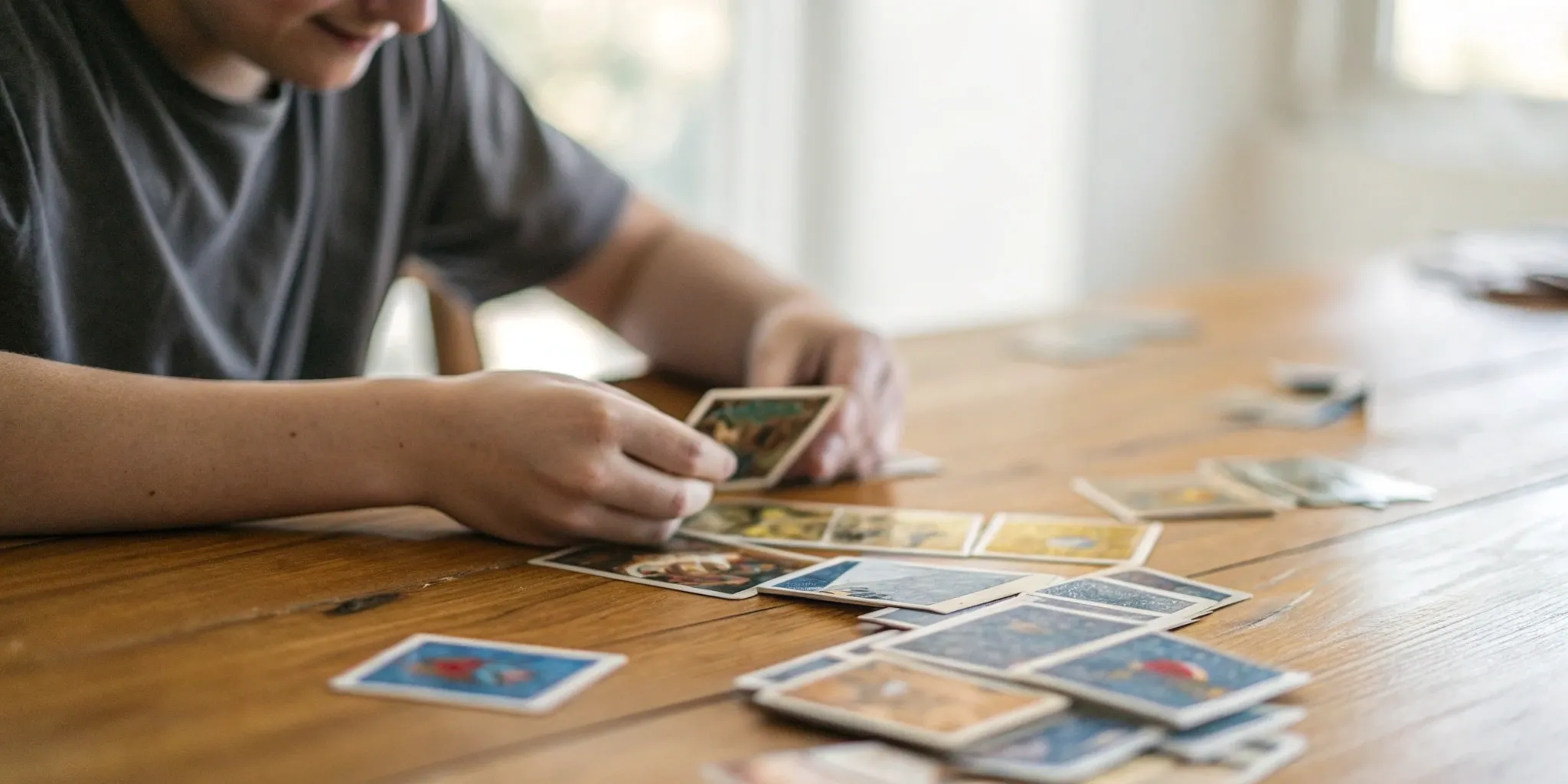
Jumping into the trading card hobby today can feel a little overwhelming. You’ll hear terms like “slabs,” “parallels,” and “short prints,” and it might seem like you need to learn a whole new language just to get started. But here’s the secret: it’s not nearly as complicated as it looks. Every seasoned collector began with a single card and a lot of questions. This guide is here to answer those questions for you. We’ll cut through the noise and provide a straightforward, step-by-step plan for how to start card collecting, giving you the essential knowledge you need to build your collection with purpose and avoid common rookie mistakes.
Key Takeaways
- Define your collecting strategy: Before you buy anything, decide what you want to collect and set a firm budget. A clear plan helps you build a collection you love without overspending.
- Buy what you love, but do your homework: Center your collection on your personal interests, not just market hype. Before purchasing, always check a card's recent sales prices to ensure you're paying a fair market value.
- Prioritize protection and community: Immediately protect any card you value with a penny sleeve and toploader to preserve its condition. Connect with other collectors online or at local shops to learn more, trade, and share your passion.
Why Collect Trading Cards?
People get into card collecting for all sorts of reasons. For some, it’s about connecting with a favorite sport or character. For others, it’s a strategic way to build a valuable portfolio. Most collectors find themselves somewhere in between, blending passion with a sharp eye for value. Understanding your own motivation is the first step in building a collection you’ll love.
The Thrill of the Hunt
At its heart, collecting is about the pure fun of it. It’s the excitement of ripping open a pack and not knowing what you’ll find inside. The best way to start is to simply collect what you enjoy. Focus on your favorite players, teams, or Pokémon. This turns collecting from a task into a genuine hobby that reflects your personality. Anyone can get started, and you don’t need a massive budget. The key is to set spending limits you’re comfortable with so you can focus on the joy of the hunt without financial stress. It’s your collection, so build it your way.
Cards as an Investment
Beyond the hobby, trading cards can be a serious asset class. The goal here is straightforward: acquire cards that will appreciate in value over time. This approach requires a different mindset, focusing on market trends and potential for profit. Investors often target the "key cards" of all-time great players, as these tend to hold their value well. You should also keep an eye out for rare cards, promising rookie cards, and cards of players who are having a breakout season. This path involves more research, but the potential payoff can be significant for those who learn to spot valuable cards.
What Kinds of Cards Can You Collect?
The world of trading cards is incredibly diverse, stretching far beyond the baseball cards you might remember from childhood. Think of it this way: if something has a passionate fanbase, there’s a good chance a set of collectible cards has been made for it. This variety is great news for new collectors because it means you can build a collection around almost any interest. The first step is figuring out which category sparks your curiosity the most.
Generally, trading cards fall into three main buckets: sports cards, trading card games (TCGs), and non-sport or entertainment cards. Each offers a completely different experience. Sports cards connect you to the history and heroes of your favorite games. TCGs add a layer of strategy and gameplay to the collecting experience. And entertainment cards let you own a small piece of the movies, shows, and pop culture moments you love. You don’t have to pick just one, but knowing what’s out there will help you find a focus as you get started.
Sports Cards
For many, sports cards are the classic entry point into the hobby. They capture iconic moments, celebrate legendary athletes, and connect us to the teams we cheer for. The best way to start is to simply follow what you love. Instead of chasing what’s popular, focus on the players, teams, or eras that you’re genuinely passionate about. This approach makes the hobby more fun and helps you in building a collection that truly means something to you. You could try to collect every card of your favorite player from different years or gather a complete set featuring your favorite team. This personal connection is what makes sports card collecting so rewarding.
Trading Card Games (TCGs)
If you love strategy and competition, Trading Card Games (TCGs) might be your perfect fit. Unlike other collectibles, these cards are designed to be played in a game against an opponent. This adds a whole new dimension to collecting, as a card’s value is tied to both its rarity and its usefulness in gameplay. Some of the most popular options include Pokémon, Magic: The Gathering, and Yu-Gi-Oh!. Whether you want to build a powerful deck to compete with friends or simply collect the stunning artwork of your favorite characters, TCGs offer a dynamic and engaging experience for collectors and players alike.
Non-Sport and Entertainment Cards
The universe of card collecting extends far beyond the stadium and the game table. A huge variety of non-sport and entertainment cards lets you collect pieces of your favorite movies, TV shows, and other pop culture phenomena. You can find card sets for everything from blockbuster movie franchises like Star Wars and Marvel to classic TV series and even unique historical memorabilia. This category is all about niche interests. If you’re a huge fan of a particular film or artist, chances are there’s a card set out there for you. It’s a fantastic way to celebrate your unique passions and build a collection that’s a true reflection of you.
How to Find Your Collecting Focus
With so many cards out there, diving in without a plan can feel overwhelming. The key to a rewarding collection is to give it a direction. A focus helps you make intentional choices, celebrate small wins, and build something you’re truly proud of. Your focus can be as broad as an entire sport or as specific as one player's rookie cards. It’s all about what excites you. Think of it as creating a roadmap for your collecting journey—it keeps you on track and makes the hunt more thrilling. The best way to find your focus is to look at two things: what you love and what you can afford.
Follow Your Interests
The most sustainable and enjoyable collections are built on genuine passion. Before you spend a dime, think about what you’re naturally drawn to. Are you a lifelong fan of a specific sports team? Do you have a favorite Pokémon you’ve loved since you were a kid? Start there. When you collect what you love, the process is more meaningful than just acquiring assets.
Ask yourself what your motivation is. Are you collecting for fun, nostalgia, or potential profit? There’s no wrong answer, but knowing your "why" will help you decide what to collect. A collection built on nostalgia might focus on players from your childhood, while one built for fun could be centered on completing a new Pokémon set with vibrant artwork.
Set a Budget and Goals
Your budget is your best friend in this hobby. It keeps your spending in check and makes you a more disciplined collector. Decide how much you’re comfortable spending each month or quarter. You don’t need a massive budget to start; even setting aside $30–$50 can get you some fantastic cards. The goal is to enjoy the hobby without financial stress.
Once you have a budget, you can set collecting goals that fit within it. Clear goals turn a casual hobby into a focused quest. Your goal could be to complete a specific team set, acquire every card from a particular Pokémon expansion, or hunt down the top 10 rookie cards from last season. Having a target makes every pack opening and purchase more exciting because you know exactly what you’re looking for.
Where to Buy Your First Cards
Once you know what you want to collect, the next step is figuring out where to find it. The trading card market is huge, with options ranging from the shop down the street to digital platforms that bring the excitement of opening packs right to your screen. Each place offers a different experience, so it’s worth exploring a few to see what fits your style. Whether you prefer to inspect cards in person, hunt for deals online, or dive into the energy of a live event, there’s a perfect spot for you to start building your collection.
Local Card Shops
There’s a certain magic to walking into a local card shop. It’s a fantastic way to see cards up close, feel the different types of cardstock, and get a real sense of what you’re buying. The staff are usually collectors themselves and can offer priceless advice, from pointing you toward a good starter set to explaining the nuances of card grading. Plus, it’s a great place to meet other collectors and become part of the local hobby community. A quick search for a card shop near you is the perfect first step to finding these local hubs.
Online Platforms
The internet has completely opened up the world of card collecting. Online marketplaces offer a massive selection, from individual cards to sealed boxes. Platforms like eBay are the go-to for many collectors, offering everything under the sun, while sites like COMC are great for finding specific, lower-cost cards. For those who love the thrill of the unknown, Packz offers a modern twist. You can buy and open digital mystery packs online, and if you pull something amazing, you can have the physical card shipped directly to you. It’s a fun way to experience the excitement of opening a pack from anywhere.
Card Shows and Conventions
If you want to immerse yourself in the hobby, nothing beats a card show. These events bring together dozens of dealers and hundreds of collectors under one roof. You can browse an incredible variety of cards, from vintage grails to the latest releases. It’s an amazing opportunity to network, trade, and hunt for specific cards to complete your sets. Most dealers are open to negotiation, so don’t be afraid to make a fair offer—and it’s always a good idea to bring cash for the best deals. These shows are high-energy, fun, and a must-do for any serious collector.
What to Look For When Buying Cards
Once you start shopping for cards, you’ll realize just how much variety is out there. Knowing what to look for is the best way to build a collection you’re proud of and avoid any buyer’s remorse. Whether you’re eyeing a single graded card or thinking about buying a whole box, paying attention to a few key details will make all the difference. Focusing on condition, authenticity, and fair market value will help you make smart purchases every time. Think of these as the three pillars of savvy card collecting.
Understand Card Condition and Grading
A card’s condition is one of the biggest factors in determining its value. That’s why professional grading services exist. Companies like PSA, SGC, and CGC assess a card’s physical state, assigning it a score on a scale from 1 to 10. A pristine, perfectly centered card might earn a Gem Mint 10, while a card with noticeable wear will score much lower. Graders look at four main things: the centering of the image, the sharpness of the corners, the smoothness of the edges, and the quality of the surface. A higher grade almost always means a higher value, so understanding this system is crucial.
Verify Authenticity
Unfortunately, counterfeit cards and forged autographs are a real concern in the collecting world. The best way to protect yourself is to buy from reputable sources and prioritize authenticated items. This is another area where grading companies are a huge help—part of their process is verifying that the card itself is authentic. When it comes to autographs, look for verification from trusted authenticators like PSA, JSA, or Beckett. Buying a card that has already been graded and sealed in a protective case, or "slab," gives you peace of mind that you’re getting the real deal.
Research Market Value
Before you pull the trigger on a purchase, take a few minutes to research the card's current market value. A card is only worth what someone is willing to pay for it, so looking up recent sales prices—often called “comps”—is the best way to know if you’re getting a fair deal. This prevents you from overpaying and helps you spot good investment opportunities. You can find this information on sales platforms or by using apps designed for collectors, like Sports Card Investor. Getting into the habit of checking comps will quickly make you a much more confident and successful collector.
How to Store and Protect Your Collection
You’ve just pulled an amazing card—now what? The next crucial step is making sure it stays in perfect condition for years to come. Whether you’re holding onto a card for its sentimental value or as a long-term investment, proper storage is non-negotiable. Protecting your collection from damage, dust, and environmental factors preserves its condition and value. A little effort now will save you from the heartbreak of finding a prized card warped or faded down the line. Think of it as safeguarding your hard work and your passion. Let’s walk through the simple but essential steps to keep your cards looking as crisp as the day you got them.
Get the Right Supplies
First things first, you need the right gear. Your primary line of defense is a soft plastic sleeve, often called a “penny sleeve.” Every card you care about should go into one of these immediately to protect its surface from scratches and fingerprints. From there, slide the sleeved card into a rigid plastic holder known as a “toploader.” This sleeve-and-toploader combination is the gold standard for preventing bends and corner damage. For your absolute best pulls, you might want to use a one-touch magnetic holder. These are a bit more expensive, but they offer superior UV protection and a fantastic display-ready look for your most valuable cards.
Organize Your Cards
A messy collection is hard to enjoy and even harder to manage. As your collection grows, keeping it organized will save you a ton of headaches. You can start with a simple spreadsheet or use a dedicated online tool to catalog what you own. A fantastic free resource is the Trading Card Database, which helps you track your cards and even discover what you’re missing from a set. For storage, many collectors use binders for common cards or complete sets, making it easy to flip through them. For anything with more value, stick with the toploader method and arrange them in dedicated cardboard storage boxes. This keeps them secure and easy to sort through.
Control the Environment
Where you store your cards is just as important as what you store them in. The biggest enemies of a trading card are direct sunlight, humidity, and extreme temperature changes. Find a cool, dry, and dark place, like a closet shelf or a cabinet in a temperature-controlled room. A sunny windowsill or a damp basement is the worst possible spot, as UV rays can fade colors and moisture can cause cards to warp. For your most elite cards, you can take protection a step further by getting them professionally graded. Services like CGC Cards will authenticate, grade, and seal your card in a protective slab, offering the ultimate defense against environmental damage.
How to Track Your Collection's Value
Whether you’re collecting for fun or as an investment, knowing the value of your cards is empowering. It helps you spot a great deal, decide when to sell, and appreciate just how much your collection has grown. In the past, this meant flipping through dense price guide magazines. Today, a handful of digital tools can give you an accurate, up-to-the-minute picture of what your cards are worth.
Tracking your collection’s value helps you make smarter decisions. You’ll know which cards are your heavy hitters and which are just for your personal enjoyment. This knowledge is key for trading, selling, or simply understanding the asset you’re building. By using the right apps and websites, you can turn what used to be a chore into a simple, and even exciting, part of the hobby. It all starts with creating a good inventory and staying on top of market movements.
Use Digital Tracking Apps
The first step to tracking value is knowing exactly what you have. Digital tracking apps are perfect for creating an organized inventory of your collection. If you’re collecting graded cards, you can use apps like the CGC Cards Registry or the PSA Set Registry to catalog your slabs. These platforms allow you to enter your cards’ certification numbers to build a digital portfolio. This not only keeps you organized but also helps you see how your collection ranks against others, which can be a fun part of the hobby in itself.
Monitor Prices
The trading card market moves fast, so staying current on prices is essential. Before buying or selling any card, you should always look up its recent sales prices, often called “comps.” This practice ensures you’re getting a fair deal and not overpaying. Apps like Sports Card Investor and Market Movers are designed for this exact purpose. They pull sales data from major marketplaces, giving you a real-time look at what cards are actually selling for. Regularly checking comps helps you understand market trends and make informed decisions.
Try a Collection Management System
For a more comprehensive approach, a full collection management system can be a game-changer. These platforms are designed to help you catalog your entire collection, not just your graded cards. You can use free websites like the Trading Card Database to keep track of all your cards in one place. These systems often feature extensive checklists and user-submitted data, making it easy to find and add the specific cards you own. By maintaining a complete inventory, you can get a clear, holistic view of your collection’s total value.
Rookie Mistakes to Avoid
Everyone makes a few missteps when they first get into a new hobby, and card collecting is no exception. It’s part of the learning process! But knowing about the most common pitfalls ahead of time can save you a lot of money and frustration. Think of it as getting a head start on building a collection you’ll be proud of for years to come. Let’s walk through a few key mistakes that new collectors often make, so you can sidestep them and focus on the fun part.
Focusing Only on Packs
The rush of opening a pack and revealing what’s inside is one of the most exciting parts of card collecting. While that thrill is hard to beat, relying solely on packs to build your collection can be an expensive road. The odds of pulling a specific high-value card are often low. A more direct approach is to buy individual cards, known as “singles,” of the players or characters you love. This way, you get exactly what you want without leaving it to chance. Think of packs as a fun part of the hobby, but balance that excitement with the satisfaction of buying a single card you’ve been hunting for.
Neglecting Card Protection
You’ve just pulled an amazing card—now what? A card’s condition is a huge factor in its long-term value, and even minor scratches can make a difference. The golden rule is simple: always place a card in a soft “penny sleeve” before sliding it into a rigid “top loader.” The penny sleeve prevents the card’s surface from getting scratched by the harder plastic. You don’t need a fancy magnetic case for every card, but having a good supply of basic protective gear is non-negotiable for any card you care about.
Chasing Trends Without Research
In the card world, hype can build fast. A player has a breakout season or a new rare set drops, and suddenly everyone is scrambling for the same cards. It’s easy to get caught up in the excitement, but buying into a trend without doing your homework is a quick way to overpay. Before you spend big on a hot card, take a minute to research its market value by checking recent sales. This gives you a real-world baseline for what you should pay. Hype can fade, so focus on collecting what you genuinely like. You’ll always value your collection, no matter what the market does.
Overspending Your Budget
This one sounds obvious, but it’s probably the most important tip. The thrill of the chase can be addictive, and it’s easy to spend more than you planned. Before you start buying, decide how much you can comfortably afford to spend on your collection each week or month. Creating a simple budget keeps the hobby fun and prevents it from becoming a source of financial stress. A budget also forces you to be more intentional with your purchases, helping you save up for that one special card you’ve had your eye on. A budget doesn’t limit your fun—it makes it sustainable.
How to Find Your Community
Card collecting is exciting on its own, but it’s even better when you can share your big pulls and trade stories with people who get it. Finding a community helps you learn faster, discover new cards, and make friends who share your passion. Whether you prefer chatting online from your couch or meeting up in person, there are plenty of ways to connect with other collectors. It’s all about finding the right fit for you and your collecting style.
Connecting with others is one of the most rewarding parts of the hobby. It turns a personal interest into a shared experience. You can get tips on your latest finds, ask questions you can't just Google, and see what others are excited about. A good community can also be a source of support, offering advice when you're trying to value a card or decide on your next purchase. It’s also your best resource for trading, helping you turn duplicates into cards you actually want for your collection. From casual traders to serious investors, you'll find people at every level who can offer new perspectives. Ultimately, being part of a community makes the entire experience more dynamic and fun.
Online Forums and Groups
Online communities are a fantastic starting point because you can tap into a global network of collectors anytime. Dedicated forums and social media groups are filled with people discussing everything from the latest releases to the best ways to protect your cards. You can join online forums to ask questions, share photos of your collection, and get advice from seasoned hobbyists. Platforms that host live breaks are also a fun way to watch packs get opened in real-time and chat with others in the community. It’s a great way to learn the ropes and see what’s popular.
Local Shops and Trade Nights
If you prefer face-to-face interaction, your local card shop is the place to be. The owners and staff are usually collectors themselves and can offer incredible insight. Plus, nothing beats seeing cards in person. Many shops host trade nights or other events where you can meet fellow enthusiasts from your area. These gatherings are perfect for showing off your favorite cards, making trades, and getting direct feedback. You can visit local sports card shops to build your network and find people who can help you grow your collection and your knowledge of the hobby.
Social Media
Social media has become a central hub for the card collecting world. Platforms like Facebook and Discord have countless groups dedicated to specific niches, whether you’re into vintage baseball cards or modern Pokémon sets. These groups are perfect for discussing market trends, asking for opinions on a potential purchase, or arranging trades with other members. Following collectors and creators on different platforms also helps you stay informed. You can use Facebook groups and other social channels to connect with a community that matches your specific interests and build friendships along the way.
Create Your Collection Strategy
Jumping into card collecting without a plan is like going on a road trip without a map—you’ll have some fun, but you might end up lost. Creating a collection strategy is how you give your hobby direction and purpose. It’s not about strict rules; it’s about figuring out what you want to build so you can make smart choices that feel rewarding. A good strategy helps you focus your energy and your budget, turning a random assortment of cards into a collection you’re genuinely proud of.
Think of it as your personal game plan. It starts with defining what you love, setting a realistic budget, and getting a feel for the market. When you have these three things figured out, every pack you open and every card you buy becomes a meaningful step toward building something great. This approach keeps the hobby exciting and sustainable for the long haul, ensuring you get the most enjoyment out of every single card.
Set Clear Collecting Goals
Before you buy a single card, ask yourself: What gets you excited? The answer is the foundation of your collection. Your goal could be to build a "Personal Collection" (PC), which is all about gathering cards of your favorite players or teams simply because you love them, regardless of their value. This is your passion project.
Maybe you’re drawn to the challenge of completing a set. You could aim for a full base set from a specific year, a smaller team set, or even try to find every card ever made of a single player. There’s no right or wrong answer here. The best collecting goals are the ones that keep you motivated and connected to the hobby.
Manage Your Budget
Let’s talk money. It’s easy to get carried away, so setting a budget is one of the smartest things you can do. Decide on an amount you’re comfortable spending each week or month, and stick to it. This isn’t about limiting your fun—it’s about ensuring you can stay in the hobby for years to come without any financial stress.
If you’re just starting out, it’s wise to start small. You don’t need to buy the most expensive hobby boxes right away. Begin with single packs or less expensive retail boxes to get a feel for what you enjoy opening. A clear budget helps you make deliberate choices and appreciate every addition to your collection even more.
Learn to Spot Market Trends
Even if you’re collecting purely for fun, understanding market trends will make you a savvier collector. Knowing what’s popular and what cards are selling for helps you avoid overpaying and spot good deals when they pop up. Spend some time on online forums, follow collectors on social media, and see what people are talking about.
Before you buy a specific card, always check its recent sales prices, often called "comps." This gives you a real-world baseline for its current market value. Websites like 130point.com are great resources for looking up recent sales on eBay. Staying informed doesn’t mean you have to chase every hot trend; it just means you’re making educated decisions with your money.
Related Articles
- How to Actually Buy Graded Sports Cards Cheap | Packz Blog
- 5 Best Graded Basketball Card Investments to Own | Packz Blog
- The Smart Way to Find Cheap Graded Sports Cards | Packz Blog
Frequently Asked Questions
Is it better to buy single cards or sealed packs? This is the classic collector's dilemma, and the best answer is usually a mix of both. Opening packs is all about the thrill of discovery and is a huge part of the fun. However, if you're hunting for a specific card, buying it as a "single" is almost always more cost-effective. Think of it this way: use packs for the excitement and to build the base of your collection, but turn to singles to strategically add the exact cards you want without leaving it up to chance.
What's the first thing I should do after pulling a great card? The moment you realize you've pulled something special, your first priority is protection. Handle the card carefully by its edges to avoid getting fingerprints on the surface. Your next move should be to slide it into a soft plastic "penny sleeve." Once it's sleeved, place it into a rigid plastic toploader. This simple two-step process is the gold standard for protecting a card from scratches, bends, and corner damage.
I'm on a tight budget. Can I still build a cool collection? Absolutely. You don’t need a huge bankroll to enjoy this hobby. The key is to collect smart. Instead of chasing the most hyped rookie cards, focus on players you personally love or try completing sets of more affordable base cards. You can also find amazing value in collecting cards from the 80s and 90s or exploring non-sport card sets from your favorite movies. A limited budget just encourages you to be more creative and focused, which often leads to a more personal and interesting collection.
Is it worth getting my cards professionally graded? Grading can be a great move, but it’s not necessary for every card. It makes the most sense for high-value cards, key rookie cards, or vintage cards where condition is critical. A professional grade authenticates the card and preserves its condition, which can significantly increase its value and make it easier to sell. For cards that are part of your personal collection and hold more sentimental value than monetary worth, keeping them safe in a toploader is usually more than enough.
What's the difference between a "hobby box" and a "retail box"? This is a common point of confusion when you're starting out. Hobby boxes are typically sold at local card shops or online specialty stores. They have a higher price point but usually guarantee a certain number of "hits," like autograph or memorabilia cards. Retail boxes are what you find at big-box stores like Target or Walmart. They are less expensive and don't guarantee any special hits, but you still have a chance of pulling something great. Neither is better than the other; they just offer different experiences for different budgets.
Recommended Reading
Cash for Graded Sports Cards: The Fastest Ways to Sell
Get cash for graded sports cards faster. Compare auction houses, marketplaces, and instant buyback options to pick the route that fits your timeline.
How to Compare Value in Sports Card Packs
Learn how to compare sports card packs using card quality, available pulls, pricing clarity, and Packz’s 100% buyback option.
How to Buy Pokemon Packs Online for Ripping
Ready to buy pokemon packs online for ripping? Get transparent pack value and clear pull odds so you never overpay for the thrill of the hunt. Start collecting safely.