
December 9, 2025
How to Actually Buy Graded Sports Cards Cheap
Learn how to buy graded sports cards cheap with smart strategies, trusted marketplaces, and tips for spotting real value and avoiding costly mistakes.
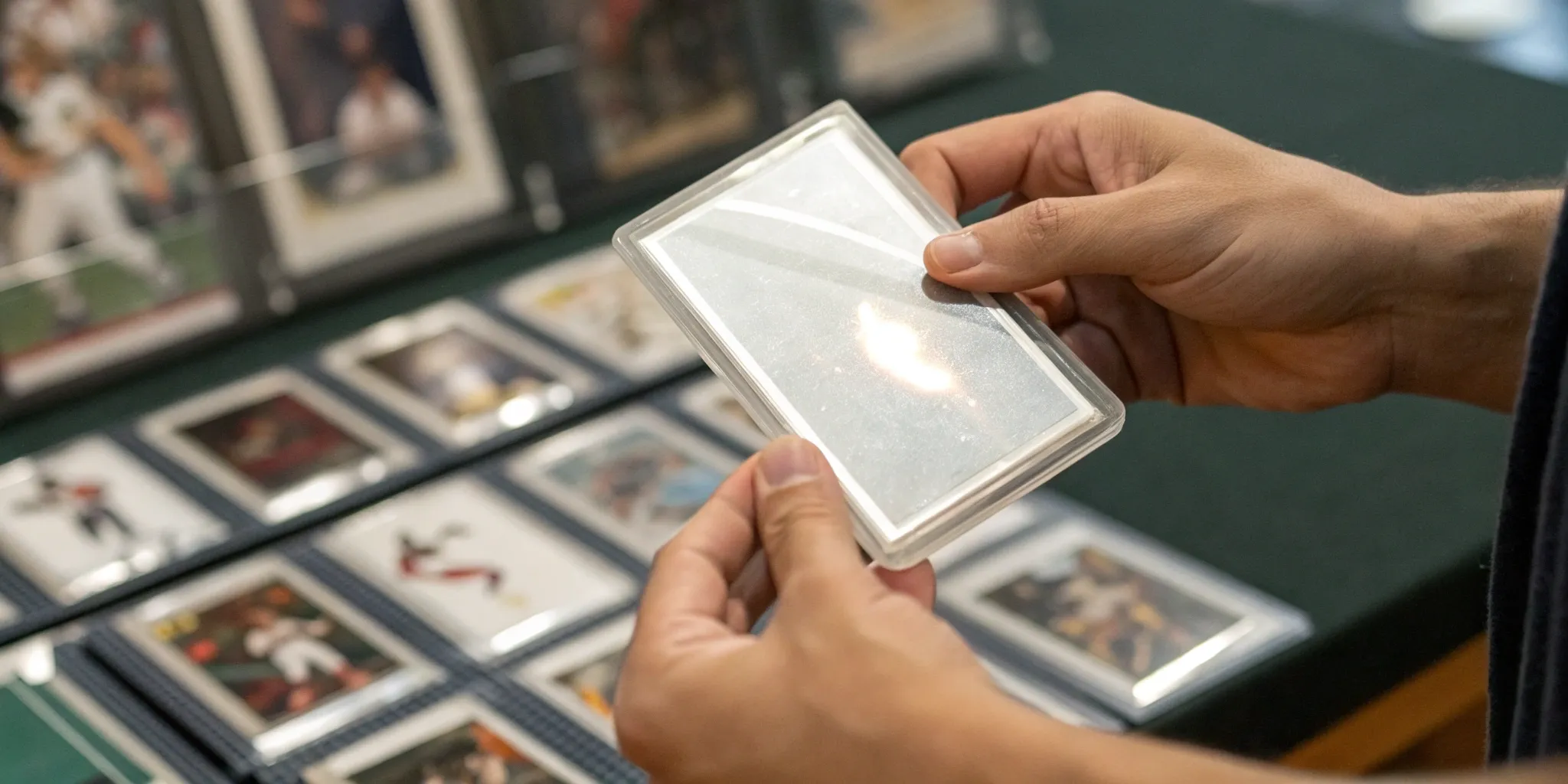
There’s no feeling quite like finding the card you’ve been searching for at a price that feels like a steal. It’s the collector’s equivalent of a walk-off home run. But those moments rarely happen by accident. They’re the result of knowing where to hunt and what to look for. The market for graded cards is massive, with deals hiding in plain sight on auction sites, local marketplaces, and even in digital packs. This guide will equip you with the strategies to navigate it all. We’ll show you how to turn the hunt into a science, so you can consistently buy graded sports cards cheap and experience that winning feeling again and again.
Key Takeaways
- The Grader Matters Most: A card's value is heavily tied to the reputation of the company that graded it. Stick to the industry leaders—PSA, BGS, and SGC—to ensure you're buying a card with a trusted and respected grade.
- Research Before You Reach for Your Wallet: The asking price isn't the real price. Always check a card's recent sales history and its population report to understand its true market value and rarity, which will help you avoid overpaying.
- Verify the Slab, Then Vet the Seller: Protect yourself by taking two simple steps. First, confirm the card's authenticity by checking its certification number on the grader's website. Second, only buy from sellers with a long and positive track record.
What Are Graded Sports Cards (And Why Should You Care)?
If you’re getting into the hobby, you’ve probably heard the term “graded card” thrown around. So, what does it actually mean? A graded sports card is one that has been sent to a professional third-party company to be inspected, authenticated, and assigned a score based on its condition. This score, or grade, is printed on a label, and the card is sealed in a protective plastic case, often called a "slab."
But why should you care? Because grading takes the guesswork out of buying and selling. It provides a universal, unbiased standard for a card's quality. When you buy a graded card, you know exactly what you're getting—an authentic card in a specific, verified condition. This is a game-changer for collectors and investors because higher grades signal better condition and desirability, which almost always translates to a higher market value. The impact of grading on sports card values is one of the most significant factors in the modern hobby, turning a piece of cardboard into a legitimate asset.
How Does Card Grading Work?
The grading process is pretty straightforward from a collector's point of view. You submit your card to a reputable grading company, and their experts get to work. They meticulously examine the card’s four main attributes: the sharpness of its corners, the smoothness of its edges, the quality of its surface, and how well the image is centered.
More importantly, this is how you authenticate sports trading cards. The first thing a grader does is verify that the card is genuine, which protects you from the risk of accidentally buying a counterfeit. Once authenticated and scored, the card is slabbed. If you’re ever unsure about a card’s legitimacy, the best move is to use professional authentication services from trusted names like PSA, BGS, or SGC.
How a Grade Impacts a Card's Price
The grade a card receives has a massive effect on its price. A card graded a perfect 10 can be worth thousands—sometimes tens of thousands—of dollars more than the exact same card with a grade of 8 or 9. Why the huge jump? Confidence. A high grade is a guarantee of quality, telling buyers they are getting a pristine example of that card. This assurance makes collectors willing to pay a premium.
Of course, the grade isn't the only thing that matters. There are several key factors that determine a sports card's value, including the player on the card, its rarity, and the year it was printed. But the grade acts as a multiplier, taking all those other factors and amplifying the card's final market price.
Where to Buy Cheap Graded Sports Cards
Finding a great deal on a graded sports card feels like hitting a walk-off home run. But it’s rarely about luck—it’s about knowing where to look. The right marketplace can make all the difference between overpaying and snagging a card for a steal. Your best bet is to develop a smart buying strategy that includes exploring a mix of platforms, from massive auction sites to innovative digital pack openings.
The landscape for buying cards is huge and always changing. You have the classic online auction houses, local marketplaces where you can find hidden gems, and specialized retailers for serious collectors. Each has its own rhythm and rules of engagement. Understanding the pros and cons of each will help you find the cards you want without breaking the bank. Let’s walk through the best places to hunt for deals on graded sports cards so you can build your collection with confidence.
Packz: Open Digital Packs, Get Real Graded Cards
If you love the thrill of the chase, Packz offers a totally different way to get your hands on graded cards. Instead of buying a specific card, you buy a digital mystery pack. When you open it, you reveal a real, physical graded card that you can have shipped to you. This approach can be a more affordable way to acquire high-value cards than buying them directly. The best deals are often found through planning, and using digital packs is a great strategy to get real graded cards at a lower cost. Plus, if you get a card you don’t want to keep, you can sell it back instantly for account credit and keep the fun going.
eBay: The Go-To for Auctions and Deals
When you think of buying collectibles online, you probably think of eBay, and for good reason. It remains a top platform for graded sports cards, with an endless inventory and thousands of sellers. You can find everything from common rookie cards to holy grail pieces through auctions or "Buy It Now" listings. The auction format is perfect for deal hunters, but be prepared to compete. To succeed, you’ll need to research sellers, check their feedback, and have a firm budget in mind before you start bidding. Many collectors rely on a trusted eBay store that specializes in high-quality graded cards to find exactly what they’re looking for.
Facebook Marketplace: Find Local Treasures
Don’t sleep on Facebook Marketplace for finding local deals. This is where you can connect directly with sellers in your area, which often means no shipping fees and the chance to inspect the card in person before you buy. You might find someone clearing out an old collection who doesn't know the current market value, leading to a fantastic deal. Building a sports card collection on a budget is much easier when you can find local sellers and avoid extra costs. Just be sure to practice safety—always meet in a public place and be cautious when sharing personal information.
COMC & Other Retailers: For the Serious Collector
For a more curated experience, check out platforms like COMC (Check Out My Collectibles) and other specialized online card shops. COMC is a massive consignment marketplace where you can buy raw and graded cards from thousands of sellers in one place. It’s great for finding specific cards to fill out a set or player collection. Other online retailers like Columbia Sports Cards are trusted sources for serious collectors, offering authenticated cards graded by major companies like PSA, BGS, and SGC. These sites provide a secure and reliable way to buy, ensuring you get exactly what you paid for without the uncertainty of an auction.
Know What to Look For Before You Buy
Before you jump on a card that looks like a steal, it’s smart to do a little homework. Knowing what to look for is the difference between snagging a hidden gem and overpaying for a dud. A card’s value isn’t just about the player on the front; it’s a combination of its condition, who graded it, and how many others like it are out there. Getting familiar with these three key areas will help you spot genuine deals and build a collection you’re proud of without breaking the bank. Think of it as developing your collector's intuition—once you know the fundamentals, you can move quickly and confidently when the right card comes along. Let's get into the specifics so you can start evaluating cards like a seasoned pro.
Check the Grading Company (PSA, BGS, SGC)
Not all plastic slabs are created equal. The company that grades the card plays a huge role in its value and liquidity. The "big three" in the industry are PSA (Professional Sports Authenticator), BGS (Beckett Grading Services), and SGC (Sportscard Guaranty Corporation). A card graded by one of these reputable companies is generally trusted by the community and will hold its value better. Grading provides an unbiased assessment of a card's condition, which is why the grader's reputation is so important. A Gem Mint 10 from a top-tier company is the gold standard, while the same grade from a lesser-known company might be viewed with skepticism and sell for significantly less. When you're hunting for deals, stick to the major players to ensure you're buying a reliably graded asset.
Decode the Grade: What the Numbers Mean for Price
The number on the slab is a direct reflection of the card's physical condition, and it’s one of the biggest factors in determining price. Most companies use a 1-10 scale, with 10 being a flawless, "Gem Mint" card. While everyone wants a perfect 10, these cards command the highest prices. The real value for budget-conscious collectors is often found in grades like 7 (Near Mint), 8 (Near Mint-Mint), or 9 (Mint). These cards still look fantastic but are much more affordable. Remember, the grade is just one piece of the puzzle. The player, the year the card was printed, and whether it's a rare parallel or a common base card all determine a sports card's value. Understanding this helps you identify which cards offer the best bang for your buck.
Gauge the Card's Rarity and Demand
Classic supply and demand is always at play in the card market. A card’s rarity can sometimes be even more important than its grade. A super rare card with a lower grade can easily be worth more than a common card with a perfect 10. This is the Scarcity Principle in action: the rarer something is, the more people tend to want it. Before buying, try to get a sense of the card's population. Grading companies like PSA publish population reports that tell you exactly how many of a particular card they have graded at each level. If you see a card has a low population, you might have found a rare piece worth investing in, even if it’s not a perfect 10.
How to Snag the Best Deals on Graded Cards
Finding a great deal on a graded card isn't about luck; it's about having a smart approach. The collectors who consistently find undervalued cards aren't just endlessly scrolling—they're using specific strategies to put themselves in the right place at the right time. The best deals are found through planning, not impulse. By being patient and strategic, you can build an incredible collection without overpaying.
It all comes down to knowing when and where to look, and what to do when you find a potential bargain. From timing your purchases with the sports calendar to mastering the art of the auction, a few key tactics can make a huge difference. These methods will help you find those hidden gems and stretch your budget further, whether you're hunting for a rookie card of your favorite player or a vintage classic.
Time Your Buys to Save Money
One of the easiest ways to save money is to buy cards during a player's or sport's offseason. Think about it: demand for football cards dips in the spring, and interest in baseball cards wanes in the fall and winter. This is your window of opportunity. Sellers are often more willing to accept lower offers when fewer buyers are in the market. You can track a card's sales history on various platforms to spot these seasonal trends and identify the perfect time to buy. Planning your purchases around these lulls can lead to significant savings compared to buying when a player is in the headlines.
Set Up Price Alerts to Catch a Deal
Instead of manually searching for cards every day, let technology do the work for you. Platforms like eBay allow you to create saved searches and get notifications when a card you want is listed or drops in price. Actively looking for deals and discounts is a highly effective strategy for saving money, especially when you have a specific card in mind. Set up alerts for cards under a certain price point or with "Buy It Now" and "Or Best Offer" options. This way, you’ll be one of the first to know when a good deal pops up, giving you an edge over other collectors.
Master Your Auction Strategy
Auctions can be a goldmine for deals, but they can also be a fast track to overpaying if you get caught up in a bidding war. The key is to go in with a plan. Before you even place a bid, decide on the absolute maximum you're willing to pay and stick to it. A great tactic is to look for auctions ending at odd times, like late on a weeknight, when fewer people are online to compete with. Don't place your bid until the final few seconds to avoid driving the price up early. This practice, known as "sniping," can help you win auctions without getting into a costly back-and-forth.
Join Collector Groups and Follow Sellers
Some of the best deals are never listed on major marketplaces. Joining online communities is one of the most effective ways to gain a wealth of knowledge and find cards for sale directly from other collectors. Facebook groups, Discord servers, and forums like the Blowout Cards Forums are filled with passionate hobbyists buying, selling, and trading. You can often find cards for less than eBay prices because sellers avoid platform fees. Building relationships in these communities can also lead to getting first dibs on cards before they're offered to the public.
How to Spot a Fake and Verify Authenticity
Nothing feels worse than scoring what you think is a great deal, only to find out you bought a fake. While card grading is meant to guarantee authenticity, counterfeiters have gotten crafty, creating fake slabs and altering labels. Protecting your investment means doing a little detective work before you buy. It might sound intimidating, but once you know what to look for, you’ll be able to spot red flags from a mile away.
The good news is that you have several lines of defense. It starts with a close physical inspection of the card and its case. From there, you can use the grading company’s own records to confirm the card’s legitimacy online. Finally, the source of the card matters just as much as the card itself. Vetting your seller is a crucial step that can save you a lot of money and frustration. By combining these three checks, you can feel confident that the graded card you’re adding to your collection is the real deal.
Learn to Spot Fake Slabs and Altered Labels
Before you even think about the card inside, take a hard look at its plastic case, or "slab." Authentic slabs from companies like PSA have specific features that are hard to replicate. Look for the company logo, which is often sonically welded into the case, and check for the unique, slightly frosted look on the edges of the slab. Counterfeit slabs can feel flimsy, have sloppy seams, or show signs of being glued together.
The label is another critical area. Check for blurry text, typos, or incorrect fonts. Counterfeiters often struggle to perfectly match the official labels. You can find a complete guide online that walks you through the specific details to check on modern PSA cards. Being meticulous here is your best defense against a convincing fake.
Verify the Certification Number Online
Every graded card has a unique certification number printed on its label. Think of it as the card's social security number. This number is your direct line to verifying the card's authenticity with the grading company. Simply go to the website of the company that graded the card—whether it's PSA, BGS, or SGC—and find their certification verification tool.
Enter the number from the label into the database. The search results should show you all the details about your card, including the player's name, the card set, and the exact grade it received. Many companies now include a high-resolution scan of the actual card in their database. If the information online doesn't match the card in your hand, or if the number doesn't show up at all, you should assume it's not authentic and walk away.
Know the Signs of a Trustworthy Seller
Where you buy your cards is just as important as what you buy. A reputable seller provides a crucial layer of security. Look for sellers with a long history of positive feedback and clear, high-quality photos of the exact card you're buying. They should be transparent and willing to answer any questions you have. If a seller is using blurry, stock photos or seems evasive, that’s a major red flag.
When in doubt, it’s always safer to purchase from established platforms or sellers known within the collecting community. If you’re new to the hobby, spending time in forums or collector groups can help you learn who the trusted names are. For ultimate peace of mind, consider using professional authentication services or buying from platforms that handle the verification for you.
How to Compare Prices Like a Pro
Finding a great card is one thing, but knowing you got it for a great price is the real win. It’s easy to get caught up in the excitement of a potential buy, but a little homework can save you from overpaying. Becoming a pro at comparing prices isn't about complex algorithms; it's about knowing where to look and what to look for. Let's break down the three key steps to confidently assess any card's value and ensure you're making a smart investment.
Use Price Comparison Tools and Market Data
The best deals are found through planning, not impulse. Before you even think about clicking “buy,” you need to check the data. Tools like Card Ladder and Sports Card Investor aggregate sales from major marketplaces, giving you a snapshot of a card's recent performance. This helps you gauge its current market value based on real transactions, not just what a seller is hoping to get. Think of it as your personal market analyst, helping you spot trends and avoid paying yesterday's prices for today's card. Always check a card's recent sales history to get a clear picture before you make a move.
Check the Population Report
A card's grade is only part of the story; its rarity is the other. This is where the population report comes in. Grading companies like PSA and BGS keep a running tally of every card they've ever graded, broken down by grade. This “pop report” tells you exactly how many of your card exist in that specific condition. A low population count, especially for a high grade, means you're looking at a genuinely scarce item. You can check the PSA population report to see how many PSA 10s of a specific card are out there. A lower supply often means higher demand and a higher price tag.
Track Recent Sales to Find the Fair Market Value
Ultimately, a card is worth what someone recently paid for it. That's its fair market value. Don't get distracted by high asking prices on “Buy It Now” listings; you want to focus on actual sold prices. Understanding the dynamics of supply and demand is key here. Tracking recent sales on eBay (using the “Sold Items” filter) or a price comparison tool shows you the real-time pulse of the market. This data is your best evidence for what a card is truly worth, helping you make a smart offer or know when to walk away from a bad deal.
Don't Forget These Hidden Costs
You’ve found the perfect card, negotiated a great price, and you’re ready to click "buy." But wait—the final total is higher than you expected. What gives? Beyond the sticker price of a graded card, a few extra costs can sneak up on you if you’re not prepared. Factoring these into your budget from the start will save you from any unwelcome surprises and help you stick to your financial game plan. Let's break down the common hidden costs you need to keep on your radar so you can budget like a pro.
Shipping and Insurance
Getting your new card safely to your door isn't always free. Shipping costs can add a significant amount to your total, especially for single-card purchases. The good news is that many online retailers offer ways to save. For example, some sellers provide free shipping on US orders over $99, while others might have a lower threshold, like free shipping for all orders over $50. It’s a smart move to bundle your purchases to meet these minimums. Also, don't forget about insurance. For high-value cards, paying a little extra for shipping insurance is a non-negotiable for peace of mind.
Payment Processing Fees
Depending on where you buy and how you pay, you might run into small payment processing fees. While usually just a small percentage, these fees can add up over many transactions. Platforms like PayPal (Goods & Services) or credit card companies charge sellers a fee, which sometimes gets passed on to the buyer or is baked into the price. There isn't always a way around these, but being aware of them helps you calculate the true cost of a card. To make sure you're still getting a great deal, always check a card's recent sales history to confirm the price is fair before you commit.
Storage and Protection
Your collection is an investment, and protecting it is key to maintaining its value. Once your graded cards arrive, you'll need a safe place to keep them. This means investing in proper storage solutions like slab sleeves, team bags, and durable, fire-resistant storage cases. These supplies are an essential part of your collecting budget. You can find great card storage and protection products from many online card shops. Don't treat this as an afterthought—plan for these costs from the beginning to ensure your prized cards stay in mint condition for years to come.
Common (and Costly) Mistakes to Avoid
Getting a fantastic deal on a graded card feels amazing, but the flip side is realizing you’ve made a costly mistake. It happens, but learning from common slip-ups can save you money and frustration. Finding cheap graded cards isn’t just about what you do, but also what you don’t do. By sidestepping a few key pitfalls, you can build your collection with confidence, knowing you’re making smart purchases. Let’s walk through the three biggest mistakes collectors make so you can avoid them.
Ignoring Differences Between Grading Companies
A "Gem Mint 10" might sound like the gold standard, but its value depends heavily on which company issued the grade. The market doesn't treat all grading companies equally. A card graded a 10 by PSA will almost always sell for more than a 10 from a lesser-known grader. If you’re not aware of these nuances, you could easily overpay. As one collector put it, if you send a card for grading and it doesn't get a 10, you're often losing money. This shows how much the grading company matters. Before you buy, understand the hierarchy of the top companies.
Forgetting About Market Trends and Player Hype
The sports card market is dynamic, with prices that can change overnight. A player getting hot, suffering an injury, or getting traded can cause their card values to swing dramatically. Buying a player’s card at the peak of their hype is often a recipe for overpaying. To make smart buys, you need to keep a pulse on the market. One of the best ways to do this is by joining online communities and forums where collectors discuss trends. Staying informed helps you anticipate market shifts, letting you buy low during the off-season and avoid getting caught in a hype-fueled price bubble.
Not Researching Recent Sales Data
The best deals are found through planning, not impulse. It’s easy to see a card you want and get swept up in the excitement, but buying without doing your homework is an expensive mistake. An asking price is just what a seller hopes to get; the real story is in what the card has actually sold for recently. Always check a card's recent sales history to find its true market value. Using a price comparison tool to see verified sales gives you a clear picture of what you should be paying. This simple step can save you from overspending.
How to Build an Awesome Collection on a Budget
Building a sports card collection you’re proud of doesn’t have to drain your bank account. In fact, some of the most rewarding collections are built with strategy and patience, not just a huge budget. The thrill of the hunt is finding those undervalued gems and making smart plays that pay off over time. It’s about collecting smarter, not just spending more.
Think of it like being a general manager for your own team. You’re looking for talent and value where others might not see it. By focusing on specific goals and understanding the market, you can assemble a fantastic collection piece by piece. It’s a marathon, not a sprint. We’ll cover a few practical approaches that will help you get the most bang for your buck, whether you’re just starting out or looking to expand an existing collection without breaking the bank. These tips will help you find great cards, make savvy purchases, and build a collection that truly reflects your passion for the game.
Start with Lower Grades for Big Value
Everyone dreams of owning a pristine, gem mint 10 card, but those often come with a hefty price tag. Don't overlook the incredible value hiding in slightly lower grades. Cards graded as a 7, 8, or even a 6 can be a fraction of the cost of a 9 or 10, yet they still look fantastic and are authenticated and protected in a slab. Many collectors get caught up in chasing perfection, but a smart collector knows that a lower-graded card of a legendary player is often a much better long-term investment than a high-grade card of a less iconic player. The key is to plan your purchases by checking recent sales history and buying during a player’s off-season when prices tend to dip.
Focus on Specific Players, Teams, or Sets
When you’re working with a budget, focus is your best friend. Instead of buying random cards that catch your eye, decide on a specific collecting goal. You could focus on rookie cards of your favorite player, build a set of your favorite team from a particular year, or collect a specific iconic set like the 1986 Fleer basketball set. By narrowing your focus, you become an expert in that small corner of the market. This makes it much easier to spot a good deal when it pops up and helps you build a more cohesive collection that tells a story. Actively looking for deals and discounts within your chosen niche is one of the most effective ways to save money.
Find Your Balance Between Quality and Quantity
The goal isn’t just to amass a giant pile of cards; it’s to build a collection you love. This means finding the right balance between the quality of your cards and the quantity you own. You might decide to trade several lower-value cards for one higher-value card that you really want. Trading with other collectors is a fantastic, cost-effective way to enhance your collection without spending cash. You can also leverage market trends by selling a player’s card when they’re getting a lot of hype and using the profit to buy cards of players who are currently undervalued. This approach helps you maximize your investment while still enjoying every aspect of the hobby.
Related Articles
- The Smart Way to Find Cheap Graded Sports Cards | Packz Blog
- 9 Best Places to Sell Sports Cards for Cash | Packz Blog
Frequently Asked Questions
What's the real difference between PSA, BGS, and SGC? Think of them as the top brands in the hobby, each with its own reputation. PSA is the biggest and often commands the highest resale value, especially for vintage cards. BGS is known for its detailed subgrades on its labels and is a favorite for modern cards. SGC is respected for its quick turnaround times and the sharp, classic look of its black slabs, which many collectors love for vintage cards. While you can't go wrong with any of the big three, the right choice often depends on the type of card and your personal preference.
Is it better to buy an already graded card or submit one myself? For beginners, buying an already graded card is usually the safer and more straightforward path. It takes the guesswork out of the equation because you know exactly what you're getting—an authenticated card with a verified condition. Submitting cards for grading yourself can be a fun part of the hobby, but it involves costs, long wait times, and the risk that the card won't get the grade you were hoping for. It's best to start by buying graded cards to get a feel for the market first.
I'm on a tight budget. Are cards with lower grades like a 6 or 7 a bad investment? Absolutely not! In fact, this is one of the smartest ways to build an amazing collection. A card graded a 6 or 7 still looks great and is authenticated and protected in a slab. For iconic players or rare vintage cards, these grades are often the only affordable entry point. A PSA 7 of a Hall of Famer is a much more impressive collection piece than a PSA 10 of a player who might be forgotten in a few years. It's all about buying the best card you can afford, not just chasing the highest number.
How can I be sure the certification number on the slab is legitimate? This is the most important check you can do. Every major grading company has a verification tool on its website. Simply type the certification number from the card's label into their database. The website should pull up the card's details, like the player, set, and grade. Many now even include a high-resolution photo of the exact card that was graded. If the information online doesn't perfectly match the card in your hand, you should consider it a major red flag.
Besides the player, what makes a card rare? Rarity comes from a few key factors. The most obvious is a low print run, meaning very few of that card were ever made. You'll also see rarity in "parallels," which are special versions of a base card that have different colors or a foil finish and are often numbered. Inserts, which are special cards randomly included in packs, can also be very rare. Finally, a card can be rare simply because very few have survived in good condition over the years, which is common with older, vintage cards.
Recommended Reading
Cash for Graded Sports Cards: The Fastest Ways to Sell
Get cash for graded sports cards faster. Compare auction houses, marketplaces, and instant buyback options to pick the route that fits your timeline.
How to Compare Value in Sports Card Packs
Learn how to compare sports card packs using card quality, available pulls, pricing clarity, and Packz’s 100% buyback option.
How to Buy Pokemon Packs Online for Ripping
Ready to buy pokemon packs online for ripping? Get transparent pack value and clear pull odds so you never overpay for the thrill of the hunt. Start collecting safely.