
December 18, 2025
Card Shows Near Me: An Insider's Guide for Collectors
Find card shows near me with tips on where to look, what to expect, and how to make the most of your next collecting event as a hobbyist or collector.
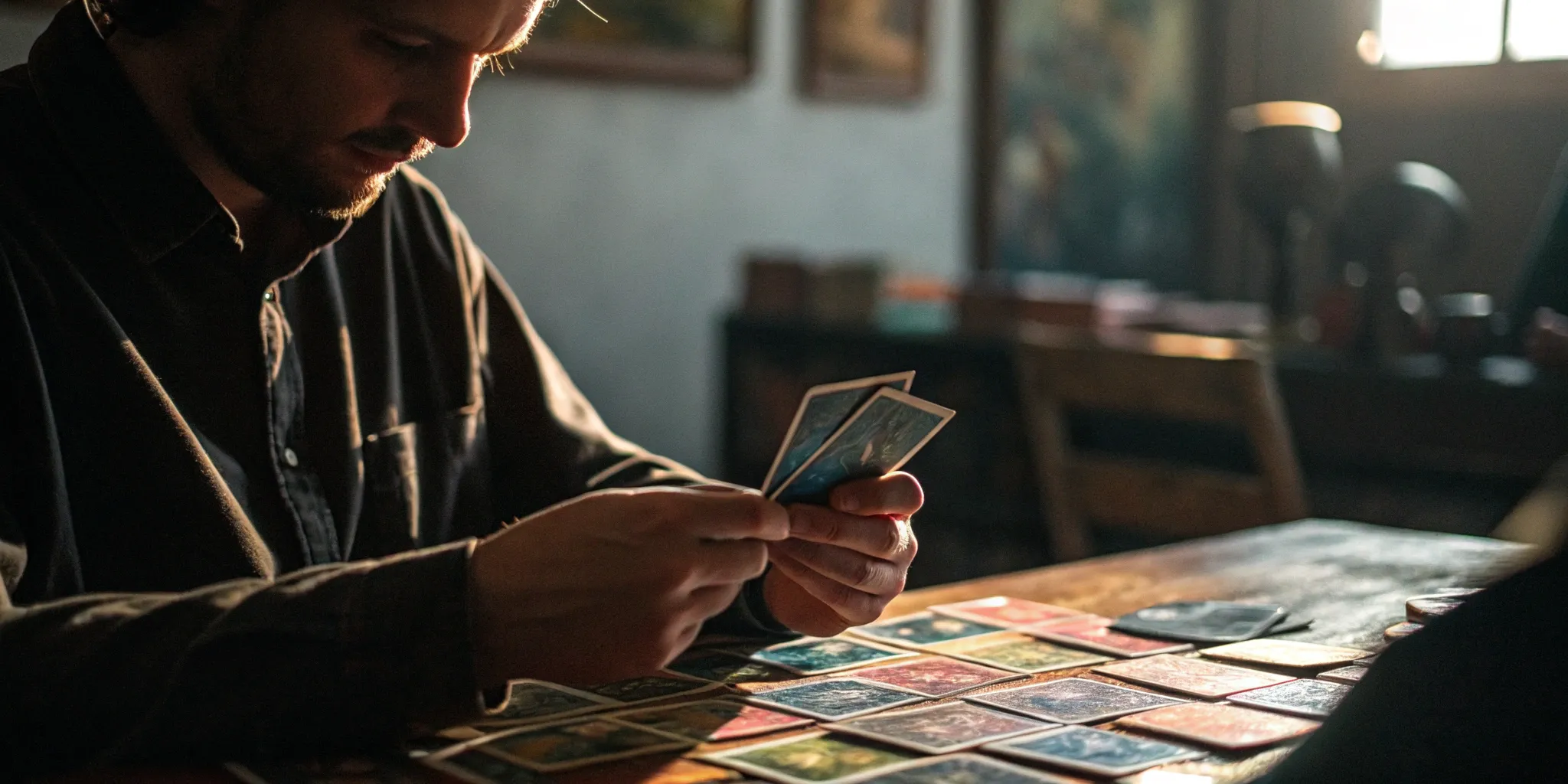
Every collector is a treasure hunter at heart. We love the thrill of the chase and the excitement of unearthing that one perfect card for our collection. While online platforms offer a vast ocean of options, a card show is like a treasure map leading to dozens of curated chests, all in one room. You never know what you’ll find tucked away in a dollar box or sitting in a display case. It’s your chance to discover undervalued gems and rare memorabilia. The hunt is half the fun, and it all begins with a simple search for card shows near me. This guide is your field manual for that adventure, packed with tips to help you find the best deals and hidden treasures.
Key Takeaways
- Go Prepared to Make Smart Buys: Set a firm budget and bring cash, which often gives you more negotiating power. Have price reference apps ready on your phone to verify deals and pack protective sleeves to keep your new cards safe on the way home.
- Treat It as a Networking Event: The connections you make are as valuable as the cards you find. Talk to vendors and other collectors to learn more about the hobby, get insider tips, and build relationships that can lead to future deals.
- Take Advantage of Being There in Person: Use the opportunity to physically inspect cards for condition before you buy. Don't be afraid to respectfully negotiate prices, and be sure to walk the entire floor to discover hidden gems you'd never find online.
What Is a Card Show?
A card show is an in-person event where collectors, dealers, and hobbyists come together to buy, sell, and trade collectibles. Think of it as a pop-up marketplace dedicated entirely to the things you love, held in convention centers, hotel ballrooms, and community halls across the country. These shows create a vibrant, temporary hub for the collector community, offering a unique opportunity to see thousands of cards and memorabilia items up close.
Unlike scrolling through online listings, a card show lets you physically hold a card, inspect its condition, and feel the excitement in the room. It’s a chance to talk directly with vendors, negotiate prices, and discover items you might never find online. Whether you're a seasoned pro looking for a specific grail card or a newcomer just starting your collection, the energy is contagious. The sheer volume of collectibles under one roof is something every enthusiast should experience at least once. It’s where you can make deals, learn from experts, and connect with people who get just as excited about a rare find as you do.
Trading Cards and Memorabilia
At their core, most card shows are centered around sports cards and memorabilia. You’ll find tables piled high with everything from vintage baseball cards to modern basketball and football hits. It’s the perfect place to hunt for that missing piece in your set or find a rookie card of your favorite player. Dealers from all over bring their inventory, creating a massive selection that you can physically hold and inspect. Events like these are listed on dedicated calendars, and a great sports memorabilia show calendar can help you find events happening in your area. This is your chance to see cards in person before you buy, avoiding the uncertainty that sometimes comes with online purchases.
Comics, Toys, and More
While sports cards are often the main event, the hobby has expanded to include a huge variety of other collectibles. Many shows now feature vendors specializing in trading card games (TCGs) like Pokémon and Magic: The Gathering, making them a fantastic place for TCG players and collectors to find rare cards and connect with others. Beyond cards, you’ll often find tables dedicated to comic books, vintage toys, Funko Pops, and other pop culture items. This blend of interests makes card shows a treasure trove for anyone who loves collecting, as you never know what unexpected find might be waiting at the next table.
Autographs and Vintage Finds
One of the biggest draws of a card show is the chance to find truly unique items. Many events feature dealers who specialize in autographed memorabilia, offering everything from signed photos and jerseys to certified autographed cards. This is also where you can unearth vintage treasures that are rarely seen in local shops. Hunting for a pre-war baseball card or a first-edition Pokémon card? A card show is one of the best places to look. The variety is incredible, and the opportunity to speak with knowledgeable dealers about the history and provenance of these items is an experience you just can't get online.
The Collector Community
More than just a marketplace, a card show is a social gathering for the collector community. It’s a place to connect with people who share your passion, trade stories about your best finds, and get advice from experienced collectors. You can talk face-to-face with dealers, build relationships, and learn more about the hobby in a few hours than you might in weeks of online research. These events foster a sense of camaraderie, reminding you that you’re part of a large and active community. Whether you’re trading with another attendee or just chatting with a vendor, the connections you make are often as valuable as the cards you take home.
How to Find Card Shows Near You
Finding a great card show can feel like hunting for a rare holographic card, but it doesn't have to be a challenge. While opening packs online is a thrill, nothing beats the energy of a live event. Whether you're looking to trade, sell, or just see some incredible cards in person, there are several straightforward ways to find shows happening right in your area. From online calendars to your local card shop, the information is out there if you know where to look. Think of it as your next collecting adventure—one that connects you with the wider community and might just lead you to your next grail card.
Check Online Directories and Event Sites
Your first stop should be the web. Many dedicated event sites and online directories compile lists of upcoming shows across the country. These calendars are often organized by state, making it incredibly simple to find events close to home. Promoters and organizers regularly post their schedules on these platforms, so they are usually up-to-date with the latest dates, times, and locations. It’s a good idea to bookmark a few of your favorite directories and check them periodically so you never miss a show in your region. This is the most reliable way to get a broad overview of what’s happening beyond your immediate neighborhood.
Join Social Media Groups for Collectors
Social media is a powerful tool for connecting with fellow hobbyists and finding local events. Platforms like Facebook are filled with collector groups dedicated to sports cards, Pokémon, and other TCGs. Simply search for groups focused on your state or nearest major city. You’ll often find promoters who post directly in these communities to advertise their upcoming shows. Joining these groups not only keeps you informed about events but also lets you connect with other collectors in your area before you even walk through the door. It’s a great way to get insider tips and see what other people are excited about.
Ask Your Local Hobby Shop
Don’t underestimate the power of your local hobby shop. The owners and staff are usually deeply connected to the collecting scene and are often the first to know about upcoming shows. They might even have flyers or posters with all the details right by the counter. Building a good relationship with the folks at your local shop is always a great idea. They can provide insider tips, introduce you to other collectors, and give you a heads-up on the best local events. Plus, it’s a great excuse to stop in and see what new inventory they have while you’re there.
Look for Community Boards and Collector Networks
Beyond social media, there are many online forums and collector networks where hobbyists share information. These communities are fantastic resources for finding show announcements and getting honest feedback from people who have attended past events. Engaging with these forums can also help you prepare. Think of attending a card show like visiting a museum—it helps to have a goal. You can ask other members what to expect or set a fun challenge for yourself, like finding a specific rookie card or seeing a rare piece of memorabilia in person. This approach makes the experience more than just a shopping trip.
What to Know Before You Go
A little prep work before a card show can make the difference between a great day and a frustrating one. Spontaneity is fun, but when you’re on the hunt for specific cards or trying to stick to a budget, planning is your best friend. Before you grab your wallet and head out the door, take a few minutes to sort out the key details. This ensures you can spend your time at the show focused on what matters: connecting with other collectors and finding amazing additions for your collection.
Confirm Dates, Times, and Location
This might sound obvious, but you’d be surprised how often event details change. Shows can get rescheduled or even canceled at the last minute. Always double-check the date, start time, and address the day before you go. Many organizers post updates on their websites or social media pages. Using a reliable show calendar is a great way to stay on top of events in your area, as they are often organized by state. Nothing is worse than driving an hour only to find an empty parking lot, so a quick final check is always worth it.
Check Admission Fees and Vendor Lists
Don’t get caught off guard by an unexpected entry fee. Admission prices can vary—some smaller shows are free, while larger ones might charge anywhere from $2 to $15. Some events even offer early bird tickets for a higher price, giving you first dibs on the inventory. While you’re checking for fees, see if the promoter has posted a vendor list. Knowing which dealers will be there can help you map out your visit and prioritize the tables you want to hit first, especially if you’re searching for a specific Pokémon or sports card.
Find Contact Info for Last-Minute Updates
Having a way to contact the show’s promoter is a smart move, particularly if you’re traveling a significant distance. Most event listings include an email address or phone number for the organizer. If you have any doubts about the event—maybe the weather looks bad or you just want to confirm the hours—don’t hesitate to reach out. This simple step can save you a ton of hassle and ensures you have the most current information directly from the source. It’s a pro move that seasoned collectors use all the time.
Plan for Parking and Venue Access
The hunt for a rare card is fun; the hunt for a parking spot is not. Before you leave, take a quick look at the venue online. Figure out the parking situation—is there a dedicated lot, a garage, or will you be searching for street parking? Knowing this ahead of time can save you from being late and stressed. It’s also a good idea to check the venue’s policies. Some places have rules about bringing in bags or outside food and drinks. A little logistical planning ensures your day starts smoothly.
How Much Do Card Shows Cost?
Walking into a card show can feel like stepping into a collector’s paradise, but it’s smart to have a handle on the costs before you go. Your total spending for the day will include more than just the cards you buy. Factoring in admission, your purchase budget, and other small expenses will help you have a great experience without any financial surprises. Planning ahead ensures you can focus on what really matters: hunting for great cards and connecting with other collectors.
The total cost of a card show is really up to you. You could spend an entire day just browsing and networking without buying a single card, or you could walk away with a high-value grail piece. The key is to go in with a plan. Think about your goals for the show. Are you looking for specific singles to complete a set? Are you hoping to find undervalued cards to flip? Or are you just there to soak in the atmosphere? Your answers will help shape your budget. By breaking down the potential costs—from the ticket at the door to the cash in your pocket—you can create a financial game plan that lets you enjoy the show without any stress.
Typical Admission Fees
The cost to get into a card show can vary quite a bit. Many smaller, local shows are free to enter, which is a great way to get your feet wet without any upfront cost. For larger events, you can expect to pay an admission fee, which typically ranges from a few dollars to around $15. You can check online event calendars ahead of time to see what the entry fee is. Often, a higher price tag means a bigger show with more vendors or the option for early access, which lets you get on the floor before the main crowds arrive.
How to Set Your Purchase Budget
This is the most important step you can take before you attend a card show. Decide how much you’re willing to spend on cards before you even leave the house. Whether your budget is $50 or $500, the key is to commit to a number and stick to it. The excitement of the show floor can make it easy to overspend, but having a clear budget helps you stay focused on the cards that are the right fit for your collection and your wallet. Think of it as your game plan for the day, helping you make smart decisions amid all the amazing finds.
Other Costs to Consider
Your card budget is the main event, but don't forget about the other costs that can add up. You’ll likely need to pay for parking at the venue, and if you’re driving a long way, factor in gas money. You’ll also want to have some extra cash for food and drinks, as you can easily spend several hours walking the floor. While you’ll see plenty of cards outside your price range, planning for these small expenses ensures you have enough for what you really want. For more advice, check out these tips for your card show experience.
The Advantage of Bringing Cash
While many vendors now accept digital payments, cash is still king at card shows. Some sellers prefer it to avoid credit card processing fees, and having cash on hand can give you more negotiating power. When a vendor sees you have the money ready to go, they might be more willing to cut you a deal. It’s a good idea to bring a mix of bills to make transactions smooth and easy. Having cash simplifies the process and can be a key part of making smart buys throughout the day. It also helps you stick to your budget, since you can physically see how much you have left to spend.
Your First Card Show: What to Expect
Walking into your first card show is an experience. The energy is buzzing, with rows of tables piled high with everything from vintage grails to the latest shiny rookies. It can feel a bit overwhelming, but it’s also incredibly exciting. This is where you get to connect with the hobby in a tangible way, moving beyond the screen to see, touch, and talk about the cards you love. It’s a chance to hunt for that one card missing from your collection, discover something you never knew you needed, and meet other people who share your passion.
To make the most of it, it helps to go in with a game plan. Knowing what to expect will help you feel more confident and turn a potentially chaotic day into a successful treasure hunt. Think about what you want to accomplish: Are you looking for specific cards? Are you hoping to trade? Or are you just there to browse and soak it all in? Whatever your goal, a little preparation goes a long way. From knowing when to show up to understanding how to talk to vendors, we’ll cover the essentials to help you have a fantastic first show.
Arrive Early for the Best Selection
If there’s one piece of advice every seasoned collector will give you, it’s this: get there early. The most sought-after cards and the best deals are often found within the first hour of the show. Vendors have their full inventory on display, and you get the first look before the crowds pick everything over. Think of it as getting first dibs on the treasure chests. Having a wishlist on your phone can help you stay focused and hit your priority tables before they get too busy. The early bird truly gets the worm, especially when that worm is a mint-condition rookie card you’ve been hunting for months.
Learn Vendor Etiquette and How to Negotiate
Vendors are the heart of any card show, and building a good rapport with them can make your experience much more rewarding. Start with a simple hello and show genuine interest in their collection. When you find a card you like, it’s perfectly acceptable to negotiate the price, but do it respectfully. Avoid aggressive lowball offers, as that’s a quick way to end a conversation. Instead, ask, "Is there any flexibility on the price?" A friendly and polite approach often leads to better deals. Remember, many vendors are collectors themselves and appreciate talking with someone who shares their passion.
Why Inspecting Cards in Person Matters
One of the biggest advantages of a card show is the ability to inspect cards with your own two eyes. Photos online can hide a lot of flaws, but in person, you can see everything. Take the time to carefully examine a card’s condition before you buy. Look at the corners, check the centering, and hold it under a light to spot any surface scratches or print lines. This hands-on experience is crucial for making informed purchases and ensuring you’re getting what you pay for. It’s your best defense against buyer’s remorse and helps you understand the nuances of card grading.
Prepare for Crowds and Lots of Walking
Card shows are popular events, so expect a lively atmosphere with plenty of people. The aisles can get crowded, and you’ll be doing a lot of walking as you move from table to table. Comfortable shoes are an absolute must—seriously, don’t underestimate this. You’ll want to explore every corner of the venue without your feet giving out. It’s also a good idea to bring a water bottle to stay hydrated and a backpack to safely store your purchases. Don’t feel like you have to rush; take breaks when you need them and enjoy the process of the hunt.
What to Bring for a Great Card Show Experience
A little preparation goes a long way in turning a good card show trip into a great one. Walking in with a plan and the right gear means you can focus on what really matters: hunting for deals and connecting with other collectors. You don't need to haul a giant suitcase of supplies, but a few key items will make your experience smoother, safer for your new cards, and much more successful. Think of it as building your card show toolkit. Here’s what you should always have with you before you hit the floor.
Cash and a Backup Payment Method
Cash is still king at most card shows. Many vendors are small-time operators or individual collectors who prefer cash to avoid credit card fees. Showing up with cash can also give you a bit of leverage when negotiating a price. Before you even leave the house, set a firm budget for what you’re willing to spend. It’s easy to get caught up in the excitement, so having a number in mind keeps you grounded. While cash is your best bet, it’s smart to have a debit or credit card as a backup for larger purchases or for vendors who are set up to accept them.
Protective Sleeves and Card Storage
You found your grail card—now you have to get it home safely. The last thing you want is to damage a new purchase before it even makes it into your collection. Come prepared with your own protective supplies. At a minimum, bring a handful of penny sleeves and top loaders for any single cards you buy. A small, hard-shell card case is perfect for keeping them secure. Tucking everything into a comfortable backpack will keep your hands free for digging through boxes and will also give you a place to stash a water bottle and snacks for a long day on the show floor.
Price Reference Apps on Your Phone
Don’t walk into a negotiation blind. Prices can fluctuate, and it’s tough to remember the exact market value of every card. Before you go, make sure your phone is fully charged and you have a couple of price reference tools ready. Apps and websites that show recent sales data are your best friend for getting a real-time pulse on the market. You can look up current values on sites like eBay (check the "sold" listings) or 130point.com. This allows you to quickly and discreetly check if a price is fair, giving you the confidence to either make the purchase or negotiate for a better deal.
How to Stay in the Loop on Future Shows
Once you get a taste of the card show scene, you’ll want to know when the next one is happening. Staying informed is key to catching the best events, from small local meetups to major conventions. Keeping your finger on the pulse of the hobby ensures you never miss an opportunity to find your next great card, meet fellow collectors, or connect with your favorite vendors. Here are a few reliable ways to make sure you’re always in the know.
Follow Event Organizers and Calendars
The most direct way to find upcoming shows is to check dedicated event calendars. Many websites compile listings from across the country, allowing you to filter by state and date. These resources are specifically designed for collectors and are often the first place promoters post their event details. Bookmarking a reliable show calendar is a great first step. Following the social media accounts of major event organizers like Burbank Card Shows or Dallas Card Show also gives you a direct line to announcements, vendor lists, and special guest appearances for their specific events.
Join Online Collector Communities
Your fellow collectors are one of your best resources for information. Online forums, Facebook groups, and Reddit communities are buzzing with conversations about upcoming events. Members often share details about local shows that might not appear on larger directories. Platforms like the Trading Card Database have community-driven sections where users can submit and find information on shows. Participating in these groups not only keeps you informed but also connects you with other enthusiasts in your area who might be planning to attend the same events.
Subscribe to Hobby Newsletters
If you prefer getting updates sent directly to you, consider subscribing to a few hobby newsletters. Publications and collector platforms often send out emails rounding up the best upcoming events. This is a fantastic way to get a curated list of notable shows without having to do the digging yourself. These newsletters often highlight major annual conventions and provide early-bird ticket information, ensuring you get a heads-up on the biggest events on the collector's calendar. It’s a simple way to let the news come to you.
Build Relationships with Local Promoters
Once you start attending shows in your area, make an effort to connect with the people who run them. Promoters are the ones who organize and publicize these events, and building a good relationship can give you an inside track. Follow their social media pages, join their email lists if they have them, and don’t be afraid to chat with them at a show. They can often tell you about their schedule for the rest of the year. These personal connections are invaluable for learning about recurring local shows that become staples in the community.
Common Card Show Mistakes to Avoid
Walking into a card show can feel like stepping into a treasure chest. With rows of vendors and thousands of cards, the energy is contagious. It’s easy to get swept up in the excitement and make a few rookie moves, whether it’s your first show or your fiftieth. But a little bit of strategy goes a long way in making sure you walk out with cards you love at prices you feel good about. Knowing what not to do is just as important as knowing what to do. The most common mistakes usually stem from a lack of preparation or getting caught up in the moment. By sidestepping a few common pitfalls, you can save yourself from overspending, missing out on great finds, or leaving with a case of buyer’s remorse.
Having Unrealistic Price Expectations
It’s smart to go into a card show with a budget, but it’s even smarter to go in with realistic price expectations. You might have a specific card in mind and a price you hope to pay, but the market is the market. You’re going to see grails with price tags that could fund a vacation, and that’s okay. The key is to not let it discourage you. Do some homework beforehand using a price guide to get a feel for current values. This helps you know a fair deal when you see one and keeps you from feeling disappointed if that mint-condition rookie card is just out of reach this time.
Skipping Conversations with Vendors
Viewing vendors as just people to haggle with is a huge missed opportunity. Many of them are deeply passionate collectors who have been in the hobby for years and have incredible stories and knowledge to share. Don’t be afraid to strike up a conversation. Ask about a specific card, their collecting focus, or how the show has been for them. Building rapport not only makes the experience more enjoyable but can also lead to better deals, inside tips on other cards, or a heads-up on future inventory. They’re your best resource on the floor, so don’t just walk by.
Rushing Without Exploring Every Table
The fear of missing out is real, and it can cause you to jump on the first good card you see. A better approach is to treat your first hour at the show as a scouting mission. Walk the entire floor to get a lay of the land before you start buying. If a card catches your eye, make a note of the table number and the price. One of the best tips for your card show experience is to circle back after you’ve seen everything. You might find the same card in better condition or for a lower price at another table. A little patience can save you money and ensure you make the best possible choice.
Card Shows vs. Online Buying
Buying cards online is incredibly convenient. With a few clicks, you can find almost any card you’re looking for and have it shipped to your door. But there’s a certain magic to the in-person experience that a website just can’t replicate. Card shows offer a completely different, hands-on approach to collecting that complements the digital world. They aren’t just a place to buy and sell; they’re a place to connect, learn, and discover.
While online platforms give you access to a global inventory, card shows provide a curated, local experience filled with opportunities you won’t find behind a screen. The real advantages come down to three key things: the ability to negotiate directly, the chance to become part of a larger community, and the thrill of unearthing rare and unexpected treasures. Think of it less as a store and more as an event—a temporary museum where every exhibit is potentially for sale and every person you meet shares your passion. It’s an experience that engages all your senses and can deepen your love for the hobby in a way that scrolling through listings simply can’t.
The Power of Face-to-Face Negotiation
One of the biggest draws of a card show is the art of the deal. Unlike the fixed prices and "Add to Cart" buttons online, most prices at a show are a starting point for a conversation. You can talk directly with the vendor, ask questions about a card’s condition, and make a reasonable offer. This is where having cash really gives you an edge. Many dealers prefer cash because it’s immediate and avoids credit card processing fees. Simply saying you’re paying with cash can often give you a bit more negotiating power. Building a friendly rapport can also lead to better prices, not just for that day but for future shows, too.
Building Your Collector Community
Card shows are the physical hub for the collector community. They’re a place to meet people who get just as excited about a first edition Charizard or a rookie Tom Brady as you do. You can swap stories with other collectors, get advice from seasoned veterans, and see incredible "grail" cards in person that you’ve only ever seen in pictures. It’s like a pop-up museum where you can talk to the curators and fellow patrons. These events are perfect for building a network of contacts for future trades, sales, and conversations, turning a solitary hobby into a shared social experience.
Discovering Unique and Rare Items
Online searches are great when you know exactly what you want, but card shows are all about discovery. You never know what you’ll find tucked away in a binder or sitting in a display case. Vendors bring a wide range of inventory, from high-end graded cards to dollar boxes filled with hidden gems. The variety is incredible, with shows ranging from small local gatherings to massive conventions. You might stumble upon a rare piece of memorabilia, a vintage comic, or a card from a set you never knew existed. This element of surprise and the thrill of the hunt are what make digging through tables at a sports memorabilia show so addictive.
Make Connections and Find Great Deals
Card shows are more than just a marketplace; they’re a hub for the collector community. This is your chance to meet people who share your passion, learn from seasoned veterans, and find cards you might never see online. Approaching a show with the right mindset can lead to not only a better collection but also some great friendships and incredible deals. Think of it as a social event where the main attraction just happens to be rare and valuable cardboard. By engaging with vendors and other attendees, you open the door to opportunities that go far beyond a simple transaction.
How to Talk to Vendors
Don’t be afraid to strike up a conversation with the people behind the tables. Most vendors are collectors themselves and love talking about the hobby. Arriving early gives you a chance to chat before the crowds roll in. Ask them what they’re excited about or if they have any personal favorites in their case. Building a good rapport can completely change your buying experience, often leading to better prices, first looks at new inventory, or helpful tips. Remember their names, be respectful of their time when they’re busy, and you’ll start building a network of trusted sources for your collection.
Tips for Spotting Undervalued Cards
Finding a diamond in the rough is one of the biggest thrills of a card show. To do this, you need to be prepared. Have your phone ready with apps or websites like eBay to look up recent sale prices for cards that catch your eye. This helps you quickly determine if a price is fair or if you’ve stumbled upon a great deal. Don’t overlook the boxes of raw, ungraded cards. While graded cards offer security, raw cards are often priced lower and can be a goldmine for hidden gems. A little prep goes a long way in getting the most out of your card show experience and ensuring you walk away with value.
How to Build Your Collector Network
The connections you make with other attendees are just as valuable as the ones you build with vendors. Think of the show as a museum for collectors—set a fun goal to see a personal grail card in person, even if you don’t plan to buy it. This gives you a great reason to start conversations with others. Ask people what they’re hunting for or what their best find of the day has been. These interactions can lead to trades, sales, and friendships that last long after the show ends. You’ll also learn about other events and get insider info you’d otherwise miss. You can even find online forums to share info with your fellow collectors and keep the conversation going.
Related Articles
- The Smart Collector's Guide to Buying Graded Cards | Packz Blog
- All ex Cards Pokémon TCG: A Complete Guide | Packz Blog
- Best Pokémon Card Price Checkers: Find the Right Tool | Packz Blog
Frequently Asked Questions
Is it really okay to negotiate prices with vendors? Absolutely. Negotiating is a standard and expected part of the card show experience. Just remember to be respectful about it. Instead of making an aggressive lowball offer, start a friendly conversation and ask something like, "Is there any flexibility on this price?" Having cash on hand can also give you a bit more leverage, as many dealers prefer it. The key is to be polite and reasonable, which often leads to a price that makes both you and the seller happy.
What if I'm just starting out and don't have a big budget? You don't need a huge budget to have a fantastic time. Card shows are for everyone, regardless of how much you plan to spend. You can set a small budget of $20 or even decide not to buy anything at all. The experience of just walking the floor, seeing incredible cards in person, and talking with other collectors is valuable in itself. Many vendors have dollar boxes where you can hunt for hidden gems, making it a great way to add to your collection without breaking the bank.
Are card shows only for high-end, expensive cards? Not at all. While you will definitely see some jaw-droppingly expensive "grail" cards in glass cases, they are only a small part of the picture. Most tables are filled with a huge variety of cards at every price point. You'll find everything from affordable rookie cards and singles to complete your sets to boxes of ungraded cards perfect for treasure hunting. The mix of inventory is what makes shows so exciting for every type of collector.
How do I know if a card's price is fair? This is where a little prep work pays off. Before you make a purchase, take a moment to look up the card on your phone. Websites like eBay (be sure to check the "sold" listings) or 130point.com will show you what that specific card has recently sold for. This gives you real-time market data and the confidence to know whether you're getting a fair deal, need to negotiate, or should walk away.
Besides buying cards, what's the main reason to go to a show? The community. A card show is one of the best ways to connect with people who share your passion. It’s a chance to talk face-to-face with experienced dealers, trade stories with other collectors, and see amazing cards up close that you might only ever see online. You can learn more in a few hours of conversation at a show than you might in weeks of online research. It turns a solitary hobby into a shared, social experience.
Recommended Reading
Cash for Graded Sports Cards: The Fastest Ways to Sell
Get cash for graded sports cards faster. Compare auction houses, marketplaces, and instant buyback options to pick the route that fits your timeline.
How to Compare Value in Sports Card Packs
Learn how to compare sports card packs using card quality, available pulls, pricing clarity, and Packz’s 100% buyback option.
How to Buy Pokemon Packs Online for Ripping
Ready to buy pokemon packs online for ripping? Get transparent pack value and clear pull odds so you never overpay for the thrill of the hunt. Start collecting safely.