
March 19, 2026
Graded Slab 101: What Collectors Need to Know
Get the essentials on graded slab collecting—how grading works, why it matters, and tips for buying, storing, and protecting your valuable cards.
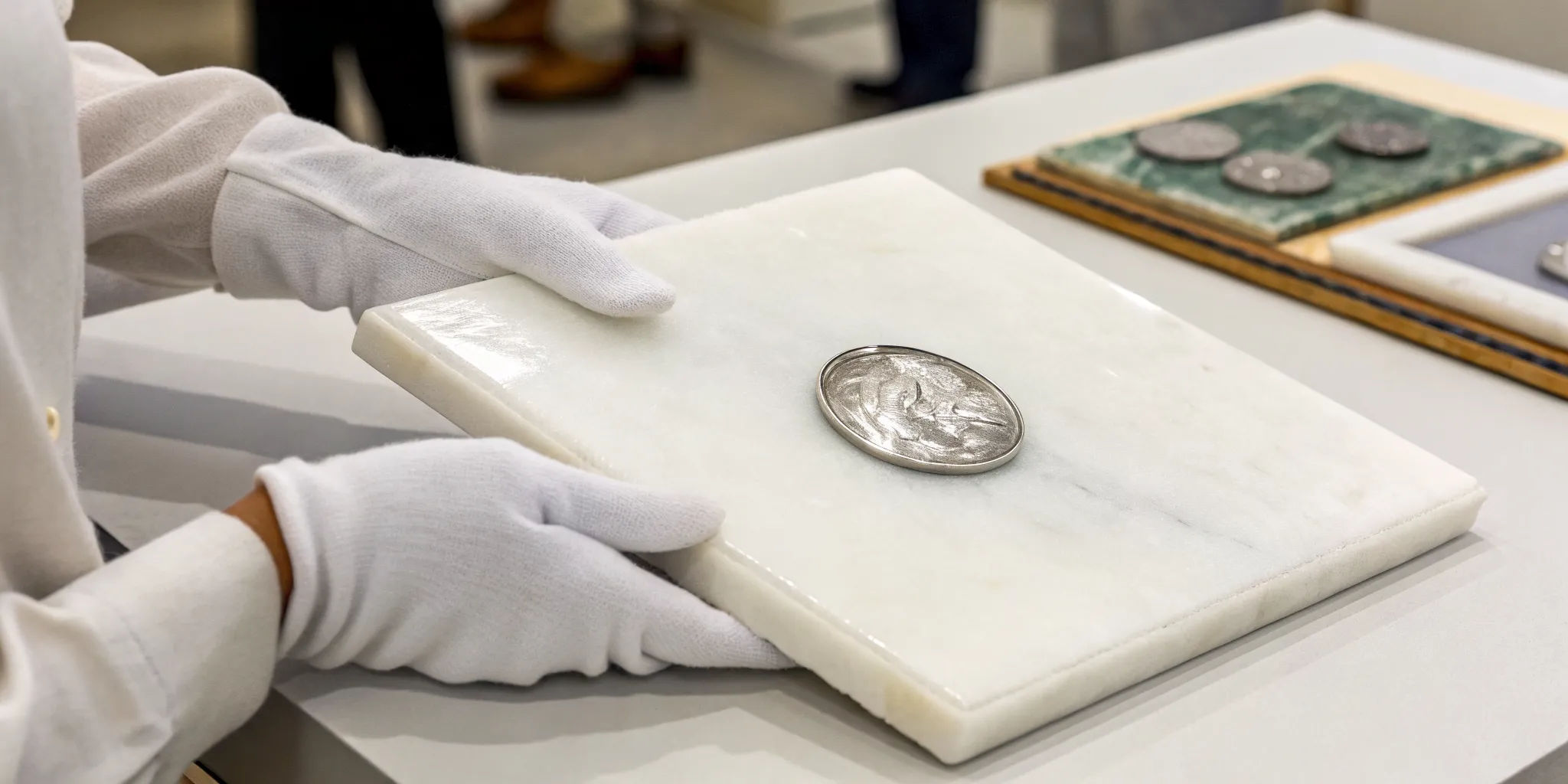
There’s nothing quite like the thrill of opening a mystery pack on Packz and revealing a high-value card. But what exactly have you won? That digital image represents a real, physical trading card that has been professionally authenticated and evaluated. It’s already sealed in a protective case with its official grade displayed on the label. This item is called a graded slab, and it’s the standard for serious collectors. To help you fully appreciate the value of the cards you’re collecting, this guide explains everything about the grading process, what the scores mean, and why a graded slab is the best way to own a collectible card.
Key Takeaways
- Grading establishes a card's true identity: The process does more than assign a score; it authenticates your card, protects it inside a sealed case, and creates a clear, standardized value that is recognized by buyers and sellers.
- The right grading company depends on your goals: Your choice between top services like PSA, BGS, and CGC matters. Decide if you want to maximize resale value, get a detailed condition report with sub-grades, or use a trusted name in the TCG community.
- Value is more than just the grade number: A card's market price is a combination of its condition, rarity, and collector demand. A lower grade on a rare vintage card can easily be worth more than a perfect grade on a common, mass-produced one.
What Is a Graded Slab?
If you’ve spent any time in the trading card world, you’ve probably heard the term “slab.” A graded slab is a trading card that has been professionally evaluated, graded, and sealed in a protective plastic case. Think of it as a certified appraisal for your card. Third-party companies assign a numerical grade, usually from 1 to 10, based on the card's physical condition. The slab itself is a hard, tamper-evident holder that keeps the card safe and displays its grade, turning a collectible into a verified asset.
How the Grading Process Works
So, how does a card go from a simple piece of cardboard to a graded collectible? It all comes down to a meticulous inspection. Professional graders examine the card under magnification, looking at four key areas: corners, edges, surface, and centering. They check for sharp corners, smooth edges free of chipping, and a flawless surface without scratches or print defects. Centering refers to how evenly the card’s borders are printed. After this thorough evaluation, the card is assigned its final grade and sealed in its protective slab to preserve its condition.
Authenticating and Encasing Your Cards
The plastic case, or slab, does more than just display your card. Its primary job is to protect and authenticate it. These holders are sonically sealed, making them tamper-evident. Once a card is in, it can’t be taken out without breaking the case, which ensures the card inside is the same one that was graded. High-quality slabs also offer UV protection to prevent the card’s colors from fading over time. This encasement provides peace of mind, confirming your card is genuine and will be preserved in its graded condition for years to come.
Using Digital Verification
Many modern grading companies are adding a digital layer of security and transparency to their slabs. It’s common to find a QR code on the slab’s label. Scanning this code with your phone can pull up a detailed digital report on your specific card. This report often includes high-resolution images of the card taken during the grading process, pointing out the exact features or flaws that contributed to its grade. This digital verification offers an incredible level of insight, allowing you to see exactly why your card earned its score and confirming its authenticity.
How Do Companies Grade Cards?
So, how does a trading card go from a simple piece of cardboard to a certified collectible sealed in a plastic slab? It all comes down to a meticulous process handled by professional grading companies. These companies act as a trusted, third-party authority, examining every detail of a card to assign it a score that reflects its physical condition. Think of them as the appraisers of the collectibles world.
The entire system is built on creating a standardized, objective way to judge a card’s quality. This removes guesswork and gives both buyers and sellers a common language to talk about a card's condition. When a card is graded, it’s not just about getting a number; it’s about verifying its authenticity and preserving its state for years to come. The process involves a deep dive into the card's physical attributes, from the sharpness of its corners to the perfection of its print. Let’s break down exactly what the experts are looking for.
Assessing a Card's Condition
When a professional grader examines a card, they focus on four critical areas. To get a top grade, a card needs to be nearly perfect across all of them. First is centering, which refers to how well the card’s art and text are framed by its borders. Ideally, the borders should be of equal width on all sides. Next, they inspect the corners for sharpness. A perfect card has four pointed, untouched corners, while any softness, rounding, or fraying will lower the score.
The edges are also scrutinized for any signs of wear, like chipping or roughness, which can happen from handling. Finally, the surface is checked for imperfections such as scratches, print defects, stains, or loss of gloss. Even a tiny dimple or a faint print line can be the difference between a good grade and a great one.
Understanding the 1-10 Grading Scale
After a thorough inspection, the card is assigned a grade on a standard 1-to-10 scale. A grade of 10, often called "Gem Mint," is reserved for cards that are virtually flawless to the naked eye. As the number decreases, the card exhibits more noticeable flaws. A card graded 7 might have sharp corners but be slightly off-center, while a 3 could have significant corner wear and surface scratches.
This scale is the industry standard, but some companies are introducing more detailed systems to provide extra clarity. For example, some now use a more granular 1000-point score alongside the traditional 1-10 grade. This gives collectors an even more precise understanding of a card’s condition, breaking down exactly why it received its specific grade.
The Role of Technology in Quality Control
To make grading as fair and consistent as possible, many companies are now incorporating advanced technology into their process. Instead of relying solely on the human eye, they use high-resolution scanners and computer software to analyze cards. This technology can detect microscopic flaws and measure centering with incredible precision, removing much of the subjectivity from the grading process.
This tech-forward approach also offers greater transparency. Many graded cards now come with a QR code on the slab. Scanning it pulls up a detailed digital report, showing high-definition images of the card, a breakdown of its scores, and notes on any identified flaws. This allows you to see exactly what the graders saw and gives you confidence that the grade is accurate and reliable.
Why Should You Grade Your Cards?
If you're serious about collecting, getting your cards graded is one of the smartest moves you can make. It’s about more than just a score; it’s about securing your collection’s future. Grading transforms a raw card into a verified, protected, and often more valuable asset. Think of it as the ultimate upgrade for your favorite Pokémon or sports cards. Whether you’re looking to preserve a cherished card, maximize its resale potential, or simply confirm you’ve got the real deal, grading offers clear benefits that every collector should consider.
Protect Cards From Damage
We’ve all had that moment of panic when a drink gets knocked over near our collection. Graded slabs are the answer to that anxiety. These durable, sonically sealed hard cases act as a suit of armor for your cards, shielding them from bends, spills, and scratches. As the experts at Game Of Binders note, "Graded slabs are hard cases that protect your collectible cards... and help them keep their value." They also offer UV protection to prevent fading, keeping your cards looking as crisp as the day they were pulled. This level of card preservation ensures your most valuable pieces remain in pristine condition.
Increase Market Value
Want to know what your card is really worth? Getting it graded provides a clear, objective answer. A grade from a reputable company removes the guesswork from a card's condition, creating a transparent market for buyers and sellers. This is especially true for cards in top shape. According to GameStop, "High-grade slabs (e.g., Gem Mint 10) command significantly higher market prices, making them preferred for investing and collecting." A high grade can dramatically increase a card's value, turning a cool collectible into a serious investment piece. It gives potential buyers the confidence to pay top dollar, knowing exactly what they’re getting.
Guarantee Authenticity
In a world of increasingly sophisticated fakes, authenticity is everything. The grading process begins with a rigorous verification step to ensure your card is genuine. This is a huge part of the value proposition. As RLSportscards points out, "PSA graded cards (PSA Slabs) are the hobby benchmark for authentication, consistent condition standards, and long‑term value." When you buy a graded slab, you’re buying the assurance that it has been inspected by experts and deemed authentic. This authentication process eliminates the risk of purchasing a counterfeit, giving you peace of mind and protecting the integrity of your collection.
Which Grading Company Is Right for You?
Choosing a grading company is a big decision, and there’s no single right answer for every collector. The best fit for you depends on your goals, the type of cards you have, and what you value most, whether it's resale value, a detailed condition report, or brand reputation. Let's break down the big three in the trading card world: PSA, BGS, and CGC. Understanding what makes each one unique will help you decide where to send your prized cards.
A Look at PSA
Think of PSA (Professional Sports Authenticator) as the gold standard in the trading card hobby. For many collectors, a PSA graded card is the benchmark for authenticity and value. Their slabs are instantly recognizable, and the company has built a long-standing reputation for its consistent grading standards. If your main goal is to maximize a card's resale value, PSA is often the top choice. Its widespread recognition means that buyers trust the grade, which can lead to higher prices in the market. For iconic rookie cards or holy grail Pokémon cards, a high grade from PSA can make a significant financial difference.
What to Know About BGS
If you're a collector who loves the nitty-gritty details, BGS (Beckett Grading Services) might be your go-to. What sets BGS apart is its detailed grading system, which includes sub-grades for four key categories: centering, corners, edges, and surface. This gives you a much clearer picture of your card's specific strengths and weaknesses. BGS is also known for its premium "Black Label" designation, awarded to cards that receive a perfect 10 on all four sub-grades. This comprehensive evaluation makes BGS a favorite among modern card collectors who appreciate a more in-depth assessment of their cards' condition.
Exploring CGC
While you might know CGC (Certified Guaranty Company) from the world of comic books, they've quickly become a major player in trading card grading. CGC brings the same level of trust and expertise that made them a leader in comics to the card market. They are particularly popular among Pokémon and other TCG collectors. One of their standout features is their clear, detailed slab labels and a commitment to transparency in their grading process. If you collect both comics and cards, or if you're looking for a highly respected alternative to PSA and BGS, CGC Cards is an excellent and reliable option to consider.
Comparing the Top Grading Companies
So, how do you choose? It really comes down to your personal preference and what you want to achieve with your collection. If you prioritize market recognition and maximizing potential resale value, PSA is hard to beat. If you value a detailed, transparent breakdown of your card's condition with sub-grades, BGS is likely the best fit. And if you're looking for a trusted name with strong roots in the broader collectibles market, especially for TCGs, CGC is a fantastic choice. Each company offers top-tier authentication and protection, so you can feel confident no matter which slab you choose.
What to Look for When Buying Graded Slabs
When you’re ready to add a graded slab to your collection, you’re not just buying the card; you’re investing in the grade and the protection that comes with it. It’s a big step, and you want to be sure you’re getting exactly what you pay for. Before you finalize any purchase, take a few moments to do your homework on the slab itself. A little bit of scrutiny can save you from potential headaches and buyer's remorse down the line. Think of it as being a detective for your own collection. By looking closely at the grade, the security features, and the label, you can feel confident that you're making a smart and secure investment.
Check for Grade Accuracy
The grade is the single most important piece of information on the slab, so you want to trust it. Different companies have different reputations, and some are known for their reliability more than others. For example, many collectors consider PSA the benchmark because of their consistent condition standards and authentication process. An accurate grade means you’re paying a fair price for the card’s true condition. It helps you avoid the disappointment of receiving a card that doesn't live up to the number on its label. Always research the grading company and understand their standards before you buy.
Inspect the Slab's Security Features
Modern slabs come with some impressive security features designed to protect you from fakes. Many grading companies now include a QR code right on the label. Scanning this code often pulls up a detailed Digital Image & Grading Report for that specific card. This report can show you high-resolution images, point out any flaws the graders noted, and confirm the card’s score and rarity. These features are your best friend when it comes to verifying authenticity. They provide an extra layer of security and peace of mind, ensuring the slab in your hand is the real deal.
Read the Label and Digital Report
The label on the front of the slab is your quick-glance guide to the card. It tells you the card's name, the set it's from, its grade, and a unique certification number. These details are displayed directly on the clear cases, often called 'slabs,' making it easy to see everything you need to know. For an even deeper look, always check the digital report if one is available. This report can provide more context on the card's grading history and condition. Taking a minute to read both the physical label and the digital report helps you become a fully informed collector.
How Do Grades Affect a Card's Value?
Let's get straight to the point: a card's grade is one of the biggest factors in determining its price. The entire reason collectors and investors send cards for grading is to verify their condition and increase their market value. Generally, the higher the grade, the more a card is worth. A card in Gem Mint 10 condition is a rare find, representing a perfectly preserved piece of cardboard. Because of this scarcity, high-grade slabs fetch significantly higher prices on the market. The jump in price from one grade to the next, like from a 9 to a 10, can be dramatic.
What Each Grade Means for Market Price
Think of a card's grade as a universal language for its condition and potential value. A Gem Mint 10 is the pinnacle, signifying a virtually perfect card with no staining, sharp corners, and perfect centering. A Mint 9 is still a fantastic card with only a minor flaw. For many in the hobby, PSA graded cards are the benchmark for long-term value. The price gap between grades can be massive. A card graded a 10 might sell for two, three, or even ten times the price of the same card graded as a 9.
How Grade Premiums Work
The price jump between grades is what collectors call a "grade premium," and it's all about scarcity. Grading companies maintain population reports, which are public databases showing how many cards of a specific type have received a certain grade. If a popular card has a low population of Gem Mint 10s, each one becomes incredibly rare and desirable, driving the price way up. For example, if thousands of a rookie card are graded but only 50 get a PSA 10, those 50 cards will command a huge premium over the hundreds that received a PSA 9.
Consider Market Demand and Rarity
While the grade is crucial, it doesn't exist in a vacuum. A card's final market value is a combination of its grade, rarity, and current market demand. A Gem Mint 10 of a common player from a mass-produced set might not be worth much. On the other hand, a lower-grade card of a legendary player from a rare, vintage set could be worth a fortune. Many modern grading companies provide a Digital Image & Grading Report via a QR code on the slab. This report offers details on the card's rarity, giving you a more complete understanding of what you're buying.
Avoid These Common Misconceptions About Graded Slabs
Getting into graded cards is exciting, but it's easy to get tripped up by some common myths floating around the hobby. Believing them can lead to costly mistakes or just plain disappointment. Let's clear the air and break down a few of the biggest misconceptions so you can build your collection with confidence.
Myth: Grading Guarantees Higher Value
It’s a common belief that slabbing any card will automatically make it more valuable. The truth is, the grade itself is what really matters. While a high grade like a Gem Mint 10 can significantly increase a card's price, a low grade can actually hurt its value. A grade of 6 or below officially documents the card's flaws, which might make it sell for less than a raw, ungraded card that appears to be in good condition. The real value of card grading comes from achieving those top-tier scores on desirable cards, which confirms their pristine condition to the market and justifies a premium price.
Myth: All Grading Companies Are the Same
You might see dozens of different grading companies out there, but they don't all carry the same weight in the hobby. A grade is only as good as the company's reputation. The top-tier companies like PSA, BGS, and CGC are trusted for their consistent and strict standards, so their grades generally command higher prices. A card graded a 10 by a lesser-known company might not be seen as a true "10" by the broader market. In fact, some collectors specifically buy cards from unfamiliar grading companies just to crack the slabs and resubmit them to a more reputable service.
Myth: Slabs Make Cards Indestructible
That hard plastic case, known as a slab, offers fantastic protection. It guards against bends, surface scratches, and moisture, which is a huge relief. However, it doesn't make your card invincible. A hard drop can still crack the case, potentially damaging the card inside. Slabs also don't offer complete UV protection, so leaving them in direct sunlight is a bad idea, as the card's signature or colors could fade over time. Think of a slab as a suit of armor, not a force field. You still need to practice proper slab storage and handle your collection with care to keep it safe for the long haul.
Myth: A Higher Grade Is Always a Better Investment
Everyone wants a perfect 10, but it isn't always the smartest buy from an investment standpoint. The price jump from a 9 to a 10 can be massive, sometimes ten times the cost or more. For many collectors, a Mint 9 represents a much better value, offering a beautiful card at a more accessible price point. Furthermore, a rare vintage card in a PSA 7 holder could be a far better long-term investment than a modern, mass-produced card in a PSA 10. A card's value is a mix of its condition, rarity, and market demand. Focusing only on the grade number is a common collecting mistake that can cause you to overlook great opportunities.
Where Can You Find Graded Slabs?
Once you’re ready to add some graded slabs to your collection, you have several great options. Finding the right card often comes down to knowing where to look. From specialized online stores to the thrill of digital pack openings, each avenue offers a different experience for collectors. Whether you’re hunting for a specific grail card or just looking to discover something new, these are the best places to start your search.
Explore Online Marketplaces
If you have a specific card in mind, online marketplaces are your best bet. Websites like FanCave and Cash Cards Unlimited specialize in selling graded sports cards and Pokémon cards. These platforms let you browse extensive inventories, filtering by player, team, year, or grade. It’s a straightforward way to buy exactly what you want without the uncertainty of an auction. You can compare prices, examine high-resolution scans of the slabs, and make a direct purchase. This approach is perfect for collectors who are focused on completing a set or acquiring a particular card for their personal collection.
Try Digital Pack Platforms Like Packz
For those who love the excitement of opening a pack, digital platforms offer a modern twist on a classic experience. With Packz, you can buy and open digital mystery packs that contain real, graded trading cards. After the reveal, you decide what happens next. You can have the physical card shipped directly to you, or you can sell it back instantly for a credit to your account. This buyback feature lets you keep the fun going, opening more packs to chase after that top-tier slab. It combines the thrill of discovery with the convenience of a digital platform, making it a popular choice for collectors.
Check Out Auction Sites
Auction sites are a classic destination for finding rare and valuable graded slabs. Platforms like eBay host countless listings where you can bid on cards from sellers all over the world. This is where you might find a hidden gem or score a deal on a highly sought-after card. Auctions can also be a good place to find slabs from lesser-known grading companies. Some collectors buy these with the intention of cracking the slab and submitting the card to a top-tier company like PSA for a new grade. This strategy takes a bit more work, but the potential payoff can be huge.
How to Care for Your Graded Slabs
Once you have a graded card in your hands, the next step is making sure it stays in pristine condition. While the slab offers a tough layer of protection, it isn’t indestructible. Proper care is essential for preserving your card’s condition, appearance, and long-term value. Think of it as protecting your investment. A few simple habits can make all the difference in keeping your collection safe and looking its best for years to come, whether you plan to display it, sell it, or pass it down. Taking care of your slabs ensures that the grade you worked so hard to get remains a true reflection of the card inside.
Store Your Slabs Correctly
Where you keep your collection matters more than you might think. The ideal spot is a cool, dry place away from direct sunlight. UV rays can damage both the plastic slab and the card over time, causing fading and discoloration. Try to maintain a stable environment where the room temperature is between 65°F and 70°F and the humidity is around 40% to 50%. Big swings in temperature or humidity can cause the slab to warp or crack. A dedicated storage case for graded cards is a great investment for keeping your slabs organized, secure, and protected from dust and environmental changes.
Handle Your Collection with Care
Even though the card is sealed, how you handle the slab itself is important. To prevent fingerprints, smudges, and surface scratches, it’s a good idea to use slab sleeves. These thin, protective plastic bags act as an extra shield for the case. When you’re showing off your collection, always hold the slab by its edges to avoid getting oils from your skin on the front or back. It might seem small, but keeping the slab clean and clear maintains the card's visual appeal. Avoid stacking slabs directly on top of each other without protection, as this can lead to scuffs that obscure the view of your card.
Preserve Your Cards for the Future
Taking good care of your graded slabs is the best way to ensure your cards stay safe and hold their value for a long time. These simple steps are about more than just maintenance; they’re about preserving a piece of history. Whether you’re a seasoned collector or just starting, developing good habits now will pay off later. Using sleeves, finding the right storage spot, and handling your cards carefully are small actions that make a huge difference. Your collection is a source of pride and enjoyment, and a little bit of care ensures it will remain that way for any future collector to appreciate.
Related Articles
Frequently Asked Questions
Is it worth grading a card that isn't in perfect condition? Absolutely. While Gem Mint 10s get all the attention, there are great reasons to grade a card that might score a 7 or 8. For valuable vintage cards, even a lower grade can be worth a lot of money, and the slab guarantees its authenticity. Grading also protects the card from further wear, preserving its current state. It provides a clear, objective condition for selling, which removes any debate with a potential buyer.
How much does it cost to get a card graded? The cost of grading varies depending on the company you choose, the card's declared value, and how quickly you want it back. Service levels can range from around $20 per card for bulk submissions with longer turnaround times to several hundred dollars for high-value cards that require faster, premium service. It's always a good idea to check the grading companies' websites directly for their most current pricing tiers.
What does it mean to "crack a slab" and why would someone do it? "Cracking a slab" is the hobby term for carefully breaking open the plastic case to remove the graded card. Collectors do this for a few reasons. Sometimes they believe the card deserved a higher grade and want to resubmit it, hoping for a better score. Others might buy a card graded by a less reputable company and crack it to send to a top-tier service like PSA or BGS to increase its market value and trust.
How do I decide which of my cards are actually worth sending in for grading? A good starting point is to research your card's potential value in both raw and graded conditions. Look up recent sales on auction sites for the card you have. If the price difference between a raw card and a highly graded version is significant enough to cover the grading fees and leave a profit, it's a strong candidate. Generally, you should focus on rookie cards, rare vintage cards, and popular cards of star players or characters.
Does the condition of the slab itself matter when buying or selling? Yes, it can. While the grade reflects the card's condition, the slab is the protective case. A slab that is heavily scratched, scuffed, or cracked can be a red flag for buyers. Significant damage to the case might suggest it was dropped or handled poorly, raising concerns about potential hidden damage to the card inside. A clean, clear slab presents the card better and gives buyers more confidence in their purchase.
Recommended Reading
Cash for Graded Sports Cards: The Fastest Ways to Sell
Get cash for graded sports cards faster. Compare auction houses, marketplaces, and instant buyback options to pick the route that fits your timeline.
How to Compare Value in Sports Card Packs
Learn how to compare sports card packs using card quality, available pulls, pricing clarity, and Packz’s 100% buyback option.
How to Buy Pokemon Packs Online for Ripping
Ready to buy pokemon packs online for ripping? Get transparent pack value and clear pull odds so you never overpay for the thrill of the hunt. Start collecting safely.