
December 9, 2025
Where to Buy Graded Football Rookie Cards Online
Find out how to buy graded football rookie cards online safely, with tips on trusted marketplaces, card grading, and avoiding common buying mistakes.
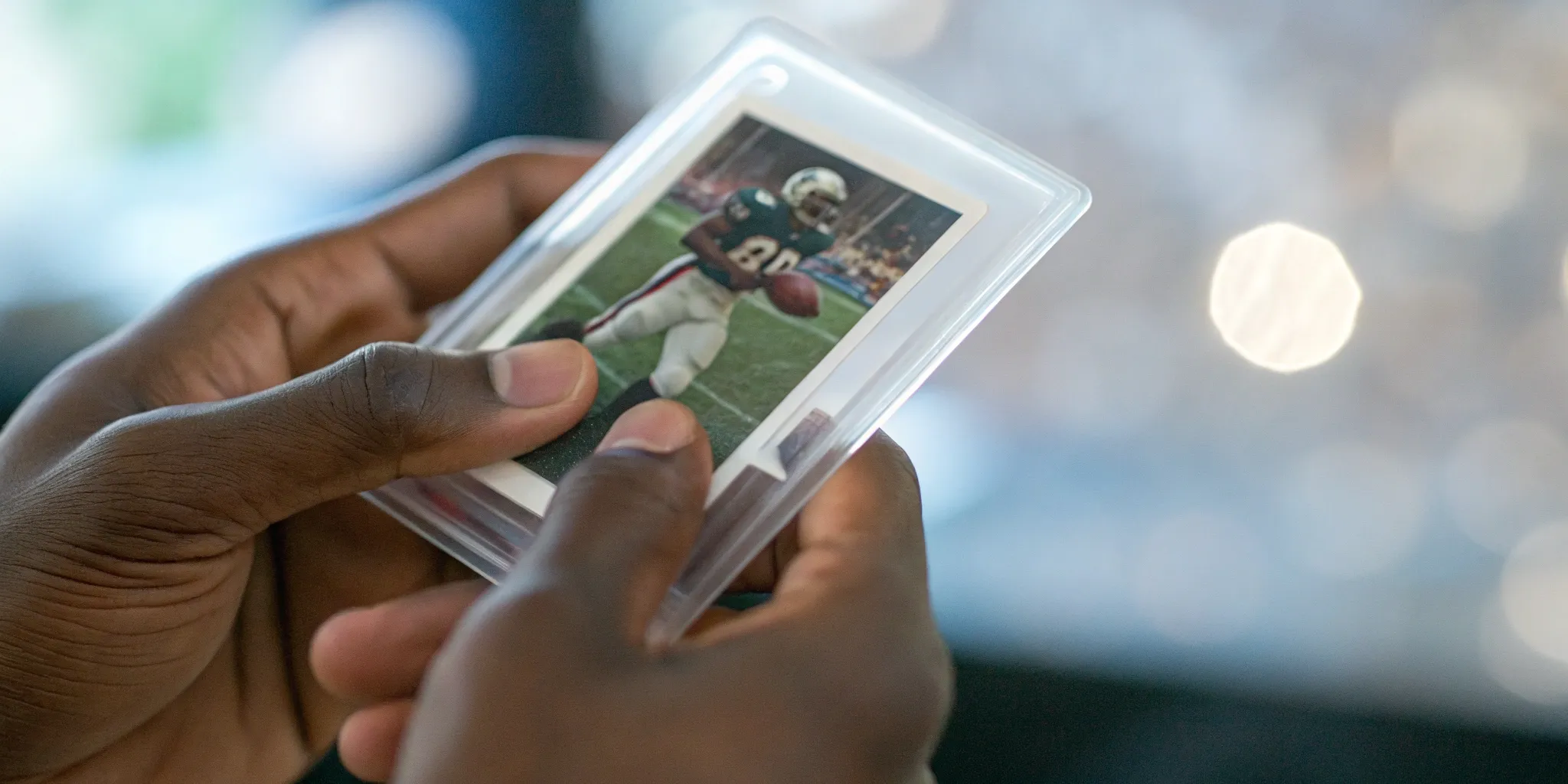
There’s a unique thrill in hunting for a specific player’s rookie card. It’s a search for a piece of sports history that connects you to the game. In today’s hobby, that hunt has moved online, offering more ways than ever to build your collection. You can win a card in a last-second auction, purchase it directly from a curated shop, or feel the excitement of revealing it in a mystery pack. No matter your style, the goal is the same: to acquire a great card at a fair price. This guide will show you how to master the modern marketplace and buy graded football rookie cards online, turning your passion into a valuable and rewarding collection.
Key Takeaways
- Do Your Homework Before You Buy: Understand what a card's grade means, know the reputations of the top grading companies, and always research recent sales data to determine a fair market price for any card you're considering.
- Buy Strategically, Not Impulsively: Find the best deals by timing your purchases for the offseason, using price-tracking tools to spot opportunities, and setting a firm maximum bid in auctions to avoid overpaying in a bidding war.
- Scrutinize the Details to Protect Your Purchase: Always insist on clear, high-resolution photos of the exact card and slab, confirm the seller has a fair return policy, and use secure payment methods that offer buyer protection.
What Are Graded Football Rookie Cards?
If you’re getting into the card collecting hobby, you’ll hear the term “graded rookie card” a lot. So, what does it actually mean? Let’s break it down. A “rookie card” is a player’s first officially licensed trading card from their debut professional season. It’s a snapshot of the very beginning of their career. The “graded” part means the card has been sent to a professional, third-party company for a thorough evaluation. This company authenticates the card to ensure it’s real and then assesses its physical condition, assigning it a score.
Essentially, a graded football rookie card is a certified piece of sports history. The process removes the guesswork and subjectivity from determining a card’s quality. Instead of just taking a seller's word that a card is in "near-mint condition," you get a definitive grade from a trusted expert. This grade is then sealed with the card in a protective plastic case, often called a "slab." For collectors and investors, this certification is huge. It not only protects the card but also establishes a clear market value, making it easier and safer to buy, sell, or trade.
How the Card Grading Process Works
The grading process might sound complicated, but it’s a systematic evaluation. When you submit a card, an expert grader puts it under intense scrutiny. The sports card grading process involves thoroughly examining the card's four key attributes: corners, edges, surface, and centering. They look for any imperfections, like fuzzy corners, chipped edges, print defects, scratches, or how well the image is centered on the card. Based on this detailed inspection, the card is assigned a final numerical grade, usually on a scale from 1 to 10, with 10 being a flawless "gem mint" card. The card is then sonically sealed in a tamper-proof slab that displays the grade and certification details for everyone to see.
Why Rookie Cards Are a Great Investment
Rookie cards are the lifeblood of the sports card market for a reason. They capture the excitement and potential of a player right at the start of their career, making them incredibly desirable. As the cornerstone of any collection, rookie cards are the favorites among investors and fans alike. Their value is directly tied to a player's performance and legacy. If a young quarterback has a breakout season or goes on to have a Hall of Fame career, the demand for their rookie card can explode. Since these cards are from a player's first year, their print runs are often lower than cards produced later, which adds a level of rarity that fuels their long-term value.
How Grading Affects a Card's Value
A card’s grade is one of the most critical factors determining its price tag. The condition of the card, as determined by the grading process, significantly influences its market value. A tiny difference in grade can lead to a massive difference in price. For instance, a Patrick Mahomes rookie card with a perfect Gem Mint 10 grade can sell for tens of thousands of dollars more than the exact same card with a Near Mint 8 grade. The grade provides a universal standard of quality that everyone in the hobby recognizes and trusts. This is why cards in slabs from top companies sell for more; buyers are willing to pay a premium for the confidence that comes with a verified grade and guaranteed authenticity.
Where to Buy Graded Football Rookie Cards Online
Once you know what you’re looking for, the next step is finding a trustworthy place to buy. The online marketplace for graded cards is huge, offering everything from the thrill of a surprise find to the certainty of a curated shop. Each platform has its own vibe and benefits, so it’s smart to explore a few to see which one fits your collecting style. Let’s look at some of the best places to start your search.
Packz: The Mystery Pack Experience
If you love the excitement of opening a pack and the potential for a huge score, you’ll want to check out Packz. Instead of buying a specific card, you buy a digital mystery pack. After the reveal, you see which graded rookie card you’ve pulled. From there, you have options: get the physical card shipped directly to you, or sell it back to Packz instantly for account credit. This lets you keep the fun going without the hassle of storing or reselling cards you don’t want. It’s a modern, thrilling way to build your collection, combining the classic joy of a pack rip with digital convenience.
eBay: Auctions and Marketplace Buys
For the sheer volume of options, it’s hard to beat eBay. It’s one of the largest marketplaces for collectibles, with hundreds of thousands of listings for Professional Sports PSA Football Cards alone. You can find almost any player or card you can think of. The platform offers different ways to buy, including traditional auctions where you can bid against other collectors, or ‘Buy It Now’ listings for a straightforward purchase. Because you’re buying from individual sellers, it’s important to check their ratings and read descriptions carefully, but the vast selection makes it an essential stop for any collector.
Dedicated Online Sports Card Shops
If you prefer a more curated shopping experience, dedicated online sports card shops are a fantastic option. These stores are run by experts who specialize in sports memorabilia, so their inventory is often carefully selected for quality and authenticity. Shops like CARDIACS Sports & Memorabilia offer a solid collection of graded football cards, taking some of the guesswork out of the buying process. You might not find the endless scroll of a huge marketplace, but you will find high-quality, authenticated cards from sellers who are passionate and knowledgeable about the hobby. This is a great route for collectors who value expertise and a hand-picked selection.
How to Verify a Card's Authenticity and Quality
Buying a graded card should give you peace of mind, but it’s still smart to do your own due diligence. A little bit of knowledge can protect you from overpaying or, worse, buying a fake. When you’re looking at a potential purchase, you’re not just buying the card—you’re also buying the grade and the reputation of the company that assigned it. Learning to spot the key details will help you build a collection you can be proud of.
Know the Top Grading Companies (PSA, BGS, SGC)
Not all grading companies are created equal. The "big three" in the sports card world are PSA (Professional Sports Authenticator), BGS (Beckett Grading Services), and SGC (Sportscard Guaranty Corporation). PSA is often considered the industry leader, and its slabs can fetch premium prices on the market. BGS is also highly respected, known for its detailed sub-grades on centering, corners, edges, and surface, which give you a deeper look at the card's condition. SGC has gained a lot of popularity for its sharp-looking black "tuxedo" slabs and quick turnaround times. Understanding the nuances of each sports card grading company helps you understand why two cards of the same player might have very different values.
How to Read Grading Scales and Pop Reports
The number on the slab is everything. Most companies use a 1-10 scale, with a 10 (Gem Mint) being a virtually perfect card. This grade is determined by examining four key areas: the sharpness of the corners, the smoothness of the edges, the flawlessness of the surface, and how well the image is centered on the card. Beyond the grade, you should also check the "pop report," or population report. This report, available on the grader's website, tells you how many cards of that exact type have received that specific grade. A low-population card in a high grade is much rarer and often more valuable than one with a high pop count.
Spot Counterfeit Cards and Seller Red Flags
Unfortunately, fake cards and tampered slabs are out there. Start by examining the slab itself. Look for any unusual frosting on the edges, cracks, or signs it may have been opened and resealed. For the card, check for blurry text, off-brand colors, or incorrect logos. When buying online, be wary of sellers using stock photos or providing blurry images. A good seller will always provide clear, high-resolution photos of the exact card you're buying. Also, be cautious when buying raw (ungraded) cards from unverified sellers on social media. Often, people sell raw cards online because they know the card has a flaw that will prevent it from getting a high grade.
Common (and Costly) Buying Mistakes to Avoid
Diving into the world of graded football rookie cards is exciting, but it’s easy to make a few missteps when you’re just starting out. The thrill of the chase can sometimes overshadow the need for caution. Think of these common mistakes not as warnings, but as your guide to becoming a smarter, more confident collector. Avoiding these pitfalls will help you build a collection you’re proud of and protect your investment for the long haul.
Mistake #1: Skipping Your Research
Jumping into a purchase without doing your homework is one of the quickest ways to overpay. Before you even think about clicking “buy,” you need to understand the card’s market. Who is the player, and what is their long-term potential? How rare is this specific rookie card? Most importantly, what has it sold for recently? Taking the time to research recent sales on auction sites gives you a baseline for what a fair price is. This simple step ensures you’re making an informed decision instead of an emotional one, which is one of the most common sports card collecting mistakes new buyers make.
Mistake #2: Ignoring a Grading Company's Reputation
A grade is only as good as the company that gives it. While dozens of grading services exist, only a few carry real weight in the hobby. A card graded a Gem Mint 10 by a top-tier company like PSA, BGS, or SGC will be worth significantly more than the same card graded a 10 by an unknown entity. The reputation of the grading company directly impacts the card's value, liquidity, and trustworthiness. When you buy a card graded by a reputable company, you’re not just buying the card; you’re buying the confidence and security that comes with their established grading standards.
Mistake #3: Buying Without Seeing Detailed Photos
In the online card world, pictures are everything. Never buy a card based on a blurry photo or a stock image. You need to see clear, high-resolution images of the exact card you’re buying. Ask for photos of the front, back, and close-ups of all four corners and edges. For graded cards, inspect the slab itself for any cracks, chips, or significant scratches that could detract from its value. Some sellers try to offload cards with hidden flaws, knowing they won't receive a high grade. Insisting on detailed photos is your best defense against disappointment and helps you verify the card’s condition for yourself.
Mistake #4: Overlooking Return Policies
Even with thorough research and detailed photos, sometimes a card arrives and just isn’t what you expected. That’s where a good return policy becomes your safety net. Before you commit to a purchase, always read and understand the seller’s return policy. Do they accept returns if the card is damaged in transit or not as described? Reputable sellers and major marketplaces typically have strong buyer protection programs in place. For example, knowing a platform has an eBay Money Back Guarantee can provide peace of mind. A seller with a clear and fair return policy shows they stand behind their products and value their customers.
How to Evaluate a Graded Rookie Card
Once you have a graded rookie card in your sights, the number on the slab is just the starting point. A smart evaluation goes deeper, looking at the player's potential, the card's specific condition, and what the market is actually paying. Think of it like being a scout for your own collection. You’re not just buying a piece of cardboard; you’re making a calculated move based on solid information.
Looking at these factors together gives you a complete picture of the card's current and potential value. It’s the difference between making a purchase you feel good about and one that leaves you with buyer's remorse. Taking the time to properly assess a card protects your investment and makes the hobby more rewarding. Let’s break down the three key areas you need to examine before you pull the trigger.
Analyze Market Trends and Player Potential
A player’s performance is directly tied to their card’s value. A rookie quarterback who has a breakout season will see their card prices spike, while a player who gets injured or underperforms might see their value dip. It’s crucial to stay informed about player news, team dynamics, and expert predictions. Beyond on-field stats, consider the player's "hobby hype." Are they a fan favorite? Do they have a strong social media presence? These factors can fuel demand. Keeping an eye on which players and cards are trending, like the buzz around a top draft pick's rookie cards, can give you a major advantage. A great way to do this is by following a football cards price guide that tracks market movement.
Check the Four Pillars of Condition: Corners, Edges, Surface, and Centering
Even with a grade, you should personally inspect the card. The final grade is a composite score based on four key physical attributes, and understanding the sports card grading process helps you know what to look for. First, check the corners. Are they sharp and crisp, or are they slightly soft or rounded? Next, examine the edges for any chipping or "dings." The surface is a big one—look for scratches, print lines, or blemishes. Finally, assess the centering. Is the border an equal width on all four sides? A card can receive a high grade like a 9 and still have a minor flaw in one of these areas, like being slightly off-center. Knowing the specifics helps you compare two cards with the same grade.
Research Market Demand and Recent Sales
An asking price is just a suggestion; the real value is what people are currently paying. This is where researching "comps," or comparable sales, comes in. Before buying, you need to find out what the same card in the same grade has recently sold for. Marketplaces like eBay have filters to show you only sold listings, which is an invaluable tool for getting a real-time pulse on the market. You can also use this data to your advantage when negotiating or deciding how much to bid in an auction. By looking up comps, you can determine if a card is priced fairly, if it’s a steal, or if you should walk away and wait for a better opportunity.
How to Find the Best Deals on Graded Rookie Cards
Finding a great deal on a graded rookie card feels almost as good as pulling one from a pack. It’s not just about getting lucky; it’s about being strategic. With the right approach, you can find undervalued cards and build an impressive collection without overspending. The key is to combine patience with smart tactics. Timing is everything—buying during the offseason can save you a significant amount of money compared to buying mid-season when a player is getting a lot of hype.
Beyond timing, you need the right tools and techniques. Using data to track market prices helps you spot trends and identify the perfect moment to buy. Think of it like stock trading, but for your favorite players. You can see a card's price history and get alerts when it drops into your target range. Finally, if you’re buying from auction sites, you need a solid game plan. Understanding how auctions work and avoiding common emotional bidding mistakes will give you a serious edge. Let’s get into the specifics of how you can master these three areas to consistently find the best deals.
Time Your Purchases for Better Value
One of the simplest ways to save money is to buy when demand is low. For football cards, this is typically during the offseason. When players aren't on the field making headlines, collector interest can dip, and prices often follow suit. This is your window to acquire rookie cards of promising players before the next season’s hype cycle begins. You can also find deals by looking beyond the big online marketplaces. Don’t forget to explore online sports card groups, attend local card shows, and visit memorabilia stores. These places often have hidden gems and sellers who are more open to negotiation than you might find on a massive platform.
Use Price Trackers and Market Alerts
You wouldn't buy a stock without checking its price history, so why do it with a valuable card? Data is your best friend when it comes to finding deals. Tools like Market Movers allow you to track card prices across multiple marketplaces, view historical sales data, and analyze market trends. You can set up alerts for specific rookie cards you’re hunting for, and the platform will notify you when one is listed below its recent average sale price. Using a price tracker takes the guesswork out of determining a card’s current market value, ensuring you know exactly when you’re looking at a genuine deal versus an overpriced listing.
Learn Winning Auction Strategies
Auctions on sites like eBay are a fantastic place to find graded rookie cards, but they can also be a minefield of overbidding and emotional decisions. To win without overpaying, you need a strategy. One of the most common auction pitfalls is getting caught in a bidding war that drives the price far above the card’s actual value. A better approach is to decide on your maximum price beforehand and stick to it. Many experienced collectors also use a technique called "sniping," where they place their true maximum bid in the final seconds of the auction. This prevents other bidders from having time to react and drive the price up further.
What to Expect for Payment and Shipping
You’ve found the card, verified its grade, and you’re ready to add it to your collection. But hold on—the final steps of payment and shipping are just as important as the hunt itself. This is where you protect your purchase and ensure your new investment arrives safely. A smooth checkout process is a good sign, but you need to look closer at the details. Think about how your payment is secured, what the total shipping cost will be (including any surprise fees), and what your options are if the card isn't what you expected. Getting these details right will save you from headaches later and make the entire buying experience a positive one. Let’s walk through what you need to check before you click that final "buy" button.
Look for Secure Payments and Buyer Protection
When you're ready to pay, always choose platforms that offer secure and reputable payment options. Look for the ability to use major credit cards like Visa or American Express, or trusted digital wallets like PayPal, Apple Pay, or Google Pay. These methods do more than just transfer money; they often come with a critical safety net. This is commonly known as buyer protection, which allows you to dispute a charge if your card doesn't arrive or isn't the one you ordered. Using these secure options gives you a powerful backup plan and adds a significant layer of confidence to your online purchase.
Factor in Shipping, Insurance, and Delivery Time
Don't let shipping costs catch you by surprise. Before you commit, check the seller’s shipping fees and see if they offer any deals, like free shipping for orders over a certain amount. For a valuable graded rookie card, however, the most important factor is insurance. Make sure the seller offers shipping insurance that covers the full value of the card. This is your protection against the package getting lost, damaged, or stolen during transit. It might cost a little extra, but it’s a small price to pay for peace of mind. Also, take a look at the estimated delivery time so you know when to expect your new treasure.
Understand the Return Policy
Before you finalize any purchase, take a minute to read and understand the seller's return policy. This is one piece of fine print you can't afford to skip. Policies can vary dramatically from one seller to another—some might offer a 30-day return window, while others might state that all sales are final. This is especially true on marketplaces where you're buying from individuals rather than a large company. Knowing the return policy upfront helps you understand your options if the card arrives and doesn't quite meet your expectations. It’s a simple step that can prevent a lot of potential frustration and protect you from a costly mistake.
Ready to Buy Your First Card?
Jumping into the world of graded card collecting is exciting, but it’s smart to go in with a plan. Whether you’re looking for a specific player to add to your personal collection or hunting for a card with investment potential, a little preparation goes a long way. Taking these steps will help you make a confident first purchase and set you up for long-term success in the hobby. Think of it as your pre-game warm-up—it ensures you’re ready for the main event.
Set Your Budget and Collecting Goals
Before you spend a single dollar, decide what you want to accomplish and how much you’re willing to spend. Are you trying to collect every rookie card from your favorite team? Or are you focused on high-grade cards from Hall of Fame players? Defining your goals will help you stay focused and avoid impulse buys. Many online shops let you filter their inventory by team, year, or price, making it easy to find cards that fit your specific criteria. Setting a clear budget from the start keeps the hobby fun and prevents you from overextending your finances.
Make Your First Informed Purchase
Once you know what you’re looking for, it’s time to find it. Marketplaces like eBay have a massive selection, with hundreds of thousands of PSA-graded football cards available at any given time. You’ll find different ways to buy, including "Buy It Now" for a fixed price, "Best Offer" to negotiate with the seller, or traditional "Auction" listings where you bid against others. Take your time to compare listings for the same card, paying close attention to the grade, seller feedback, and photos. An informed purchase is always a better purchase.
Protect and Store Your Cards Properly
Your job isn’t done once the card arrives. Protecting your investment is crucial. Even though graded cards are sealed in protective slabs, they still need to be stored correctly to prevent damage from sunlight, humidity, or accidents. You can find a variety of storage solutions, from simple card boxes to display cases. Keeping your collection organized will also help you track its value and appreciate what you’ve acquired. As you build your collection, you can organize your cards by player, team, or value, creating a display you can be proud of.
Related Articles
Frequently Asked Questions
Is it better to buy an already graded card or a raw card to grade myself? For anyone starting out, buying a card that's already graded is the most straightforward path. It completely removes the risk and uncertainty from the equation. When you buy a raw, ungraded card, you're essentially gambling on its condition. The grading process itself can be expensive and take months. Purchasing a card that's already slabbed by a top company means you know its exact quality and authenticity the moment you buy it.
What's the real difference in value between a grade 9 and a grade 10 card? The price jump between a Mint 9 and a Gem Mint 10 can be enormous, often multiplying the card's value several times over. A grade of 10 means the card is virtually flawless, a condition that is exceptionally rare for any card, especially older ones. This rarity is what commands such a high premium among serious collectors. A grade of 9 is still a fantastic, high-quality card for any collection, but that small step to perfection is what causes the price to skyrocket.
How do I decide which player's rookie card is a good investment? While there's no guaranteed formula, you can make a smart choice by focusing on a few key factors. Look for players in high-impact positions, like quarterbacks, who control the game. Consider their draft status, their performance on the field, and what analysts are saying about their long-term career potential. It also helps to collect players you actually enjoy watching. That way, even if the market fluctuates, you still own a piece of a career you're excited to follow.
Why do the 'big three' grading companies (PSA, BGS, SGC) matter so much? Think of them as the established authorities in the hobby. Over decades, PSA, BGS, and SGC have built a strong reputation for consistent and reliable grading standards. When you buy a card graded by one of them, the entire collecting community recognizes and trusts that grade. This creates a stable and predictable value, making the card much easier to buy, sell, or trade with confidence. A grade from a lesser-known company simply doesn't carry the same weight.
Are mystery packs a good way to get started with collecting graded cards? Mystery packs are a great way to experience the excitement of the hobby while discovering players you might not have considered otherwise. Instead of spending hours researching a single card, you get the classic fun of a surprise reveal. A platform like Packz offers an exciting entry point, and the option to sell the card back for credit lets you continue opening packs. It’s a fun way to build a diverse collection without the pressure of making the perfect pick every time.
Recommended Reading
Cash for Graded Sports Cards: The Fastest Ways to Sell
Get cash for graded sports cards faster. Compare auction houses, marketplaces, and instant buyback options to pick the route that fits your timeline.
What Is Expected Value in Sports Cards?
Start smarter by learning what is expected value in sports cards means for your collection. See how transparent EV keeps mystery packs fair at Packz.
How to Buy Pokemon Packs Online for Ripping
Ready to buy pokemon packs online for ripping? Get transparent EV and clear pull odds so you never overpay for the thrill of the hunt. Start collecting safely.