
April 2, 2026
6 Best Toploader Binders for Card Protection
Find the best toploader binder for card protection with this guide to top picks, key features, and tips for keeping your collection safe and organized.
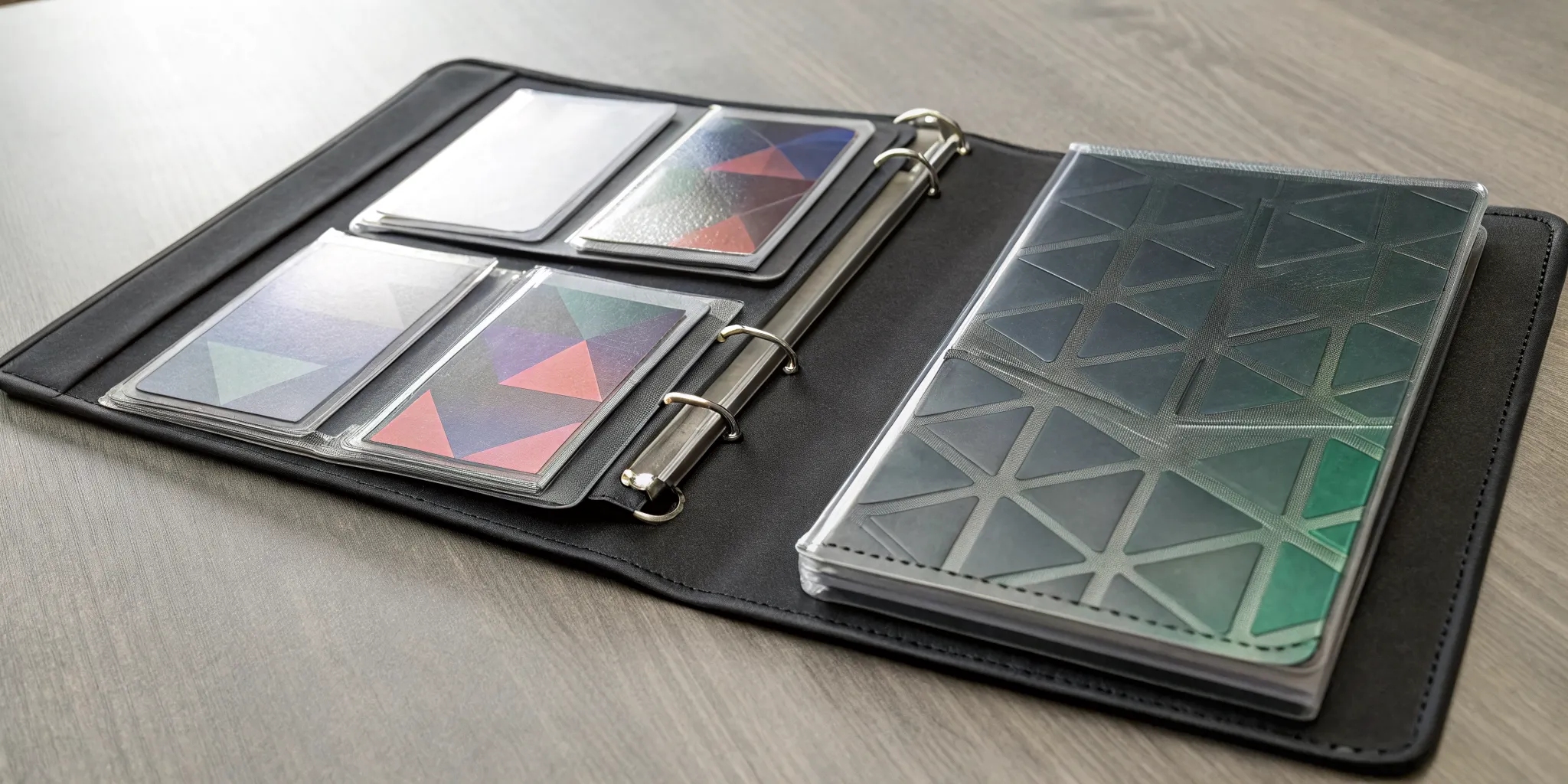
Every collector knows the feeling. You pull a grail card, your hands shake a little as you slide it into a soft sleeve, and then you carefully place it into a hard plastic toploader. But what happens next? Leaving that prized card in a shoebox or stacked on a shelf undoes all that careful work. Standard three-ring binders are even worse, with rings that can leave permanent dents. You need a storage solution designed specifically for the job. This guide is here to help you find the best toploader binder to protect your collection, breaking down the essential features and top options on the market.
Key Takeaways
- Focus on core protection features: The best binders have three non-negotiable elements: side-loading pockets so cards can't fall out, a zipper closure to seal out dust and moisture, and a lay-flat spine to prevent bending.
- Adopt two crucial habits for card safety: Always place your card in a soft penny sleeve before inserting it into a toploader to prevent scratches. Additionally, avoid overfilling your binder to prevent stress on the spine and potential damage to your cards.
- Select a binder that fits your specific collection: Determine your needs based on collection size and value. This will help you choose the right layout, such as a compact 2x2 for prized cards or a spacious 3x3 for larger sets, and find a price that fits your budget.
What Makes a Great Toploader Binder?
When you’ve invested in cards worth protecting, a standard three-ring binder just won’t do the job. A great toploader binder is specifically engineered to house cards that are already in their hard plastic toploaders, providing a second, more robust layer of security. Think of it as a vault for your collection. The best ones start with a rigid, durable cover that resists bending and protects the toploaders themselves from pressure and impact. A heavy-duty zipper closure is another non-negotiable feature. Unlike a simple elastic strap, a zipper creates a full seal around your binder, effectively locking out dust, dirt, and moisture that could damage your cards over time.
Once you look inside, the most critical feature is the pocket design. Always look for binders with side-loading pockets. This design uses gravity to your advantage, making it nearly impossible for your toploaders to slip out, even if you accidentally hold the binder upside down. It’s a simple but crucial detail for peace of mind. The overall structure matters, too. Premium options often feature a lay-flat spine, which ensures the pages don’t bend or warp near the center. This prevents your cards from developing a curve over time, preserving their condition.
Finally, the quality of the materials is what separates a good binder from a great one. The exterior should be made of a tough, often water-resistant material. The interior pages must be archival-safe, meaning they are acid-free and PVC-free, to prevent any chemical degradation of your cards or sleeves. Companies like Gemloader build their reputation on using these high-quality, safe materials. When you combine a rigid, zippered exterior with secure, archival-safe interior pages, you get a binder that truly protects your collection for years to come.
The Best Toploader Binders to Protect Your Collection
Finding the right toploader binder feels like the final boss of card collecting. You’ve spent time and money pulling grails, sleeving them, and putting them into hard plastic toploaders for safekeeping. The last thing you want is a binder that undoes all that hard work by warping or damaging your prized cards. A standard three-ring binder just won’t cut it; the rings can leave dents, and the pages often sag, putting your collection at risk. That’s where dedicated toploader binders come in. They are specifically engineered to hold the thicker, rigid toploaders securely without causing stress or bending.
To make your search easier, I’ve put together a list of the best toploader binders that offer serious protection, great features, and a little something for every type of collector. These binders feature things like padded covers, zipper closures to keep out dust, and special spine designs that let the pages lay completely flat. We'll look at options known for their premium materials, massive storage capacity, unique designs, and excellent value. Whether you’re a seasoned collector with a high-value collection or just starting and want to build your set the right way, choosing a quality toploader binder is a critical investment in preserving your cards for years to come. Let's get into the top contenders.
Packz TopLoader Binder
Designed by collectors for collectors, the Packz TopLoader Binder is built to be the ultimate home for your most valuable cards. We wanted to create a binder that not only offers maximum protection but also looks and feels like a premium product. It features a durable, water-resistant exterior with a sleek, minimalist design that looks great on any shelf. Inside, you’ll find archival-safe, side-loading pages that make it easy to slide your toploaded cards in and out without catching corners. The heavy-duty zipper closure ensures your collection stays free from dust and moisture, while the lay-flat spine allows you to view your cards without putting any stress on them. It’s the perfect storage solution to protect the cards you pull on Packz.
Gemloader Toploader Binder
If you’re looking for a binder with a reputation for exceptional quality, Gemloader is a name you’ll hear often. The Gemloader Toploader Binder is frequently described by collectors as a top-tier product, specifically designed to provide a perfect, snug fit for cards in 3"x4" toploaders. This precise fit means your cards won’t shift or slide around, offering an extra layer of security. The materials feel premium to the touch, and the overall construction is solid and built to last. It’s an excellent choice for collectors who are serious about archival-level protection and want a clean, professional way to display their high-end Pokémon or sports cards. When you want to be sure your investment is safe, Gemloader delivers peace of mind.
Goat Armor Toploader Binder
For collectors with a large and diverse set of cards, the Goat Armor Toploader Binder is a fantastic workhorse. It’s designed to provide robust protection for everything from sports cards to Pokémon and Magic: The Gathering. With a capacity of up to 252 standard-size toploaders, it gives you plenty of room to grow your collection. The standout feature is its "Stay-Flat spine," which is engineered to prevent the pages from bending or curving, a common issue that can lead to card damage over time. This makes the Goat Armor binder a reliable choice for long-term storage, ensuring your cards remain as flat and pristine as the day you packed them.
TopDeck TopLoader Binder
The TopDeck Toploader Binder is a community favorite, and for good reason. One of its most praised features is its ability to keep pages perfectly flat when the binder is open. This might seem like a small detail, but it’s incredibly important for preventing binder-induced damage. Binders with poor spine construction can cause pages to curve, putting pressure on the cards within. With the TopDeck binder, you can flip through your collection with confidence, knowing your cards aren’t being subjected to unnecessary stress. It’s a thoughtfully designed binder that prioritizes the long-term health of your collection, making it a trusted choice for many seasoned collectors.
Trendiphy Toploader Binder
Who says card protection has to be boring? The Trendiphy Toploader Binder is for the collector who wants their gear to have as much personality as their collection. It stands out from the crowd with its unique and visually appealing cover patterns, allowing you to showcase your personal style. But it’s not just about looks; this binder is also highly functional. It provides the same essential protection you’d expect from a quality toploader binder, including durable materials and secure pockets. If you’re tired of plain black binders and want something that reflects your passion for the hobby, the Trendiphy binder is a fantastic option that combines flair with function.
FunGuys Toploader Binder
If you're looking for the best bang for your buck, the FunGuys Toploader Binder is a name that constantly comes up in collector circles. It has earned a strong reputation for offering incredible value, with many users claiming it delivers the same quality and protection as much more expensive brands. This makes it a smart choice for collectors who need to store a massive collection without spending a fortune on binders. Don’t let the lower price point fool you; the FunGuys binder is sturdy, reliable, and gets the job done right. It’s a testament to the idea that you don’t have to break the bank to give your cards the protection they deserve.
Key Features to Look For in a Toploader Binder
When you’re ready to invest in a toploader binder, you’ll quickly find that they aren’t all made the same. The right features can mean the difference between a collection that stays in mint condition and one that suffers from bent corners or accidental damage. Focusing on a few key details will help you find a binder that not only stores your cards but actively protects them for years to come. Let’s walk through the most important features to keep an eye on.
Secure, Side-Loading Pockets
One of the most important features of any high-quality binder is its pocket design. Look for binders with side-loading pockets instead of top-loading ones. This design is a game-changer for security. With side-loading pockets, your toploaders slide in from the side, making it nearly impossible for them to slip out, even if you turn the binder upside down. This simple feature provides incredible peace of mind, preventing cards from falling out while you’re moving your collection or showing it off to friends. It’s a small detail that makes a huge impact on keeping your prized cards safe and sound.
Heavy-Duty Zippers
How a binder closes is just as important as how it holds your cards. While some binders use a simple elastic strap, a heavy-duty zipper offers far more security. A quality zipper seals the binder completely, creating a protective shell around your collection. This offers superior protection against dust, dirt, and humidity, which can cause damage over time. A sturdy zipper also prevents the binder from accidentally opening if it’s dropped. When you’re choosing a binder, pay attention to the zipper’s construction. A smooth, durable zipper is a clear sign of a well-made product built for long-term protection.
Water-Resistant Material
Accidents happen, but a water-resistant exterior can save your collection from disaster. Binders made with durable, water-repellent fabrics provide a crucial first line of defense against spills or unexpected rain. Think of it as a raincoat for your cards. Materials like "Armor Tech fabric" are designed to resist water and wear, ensuring that a minor mishap doesn’t turn into a major loss. This feature is especially important if you travel with your collection to trade shows or local card shops. A binder that can handle the elements gives you one less thing to worry about.
Storage Capacity and Layout
Toploader binders come in various sizes and layouts, so you can find one that fits your collection perfectly. The most common configurations are 2x2 (four cards per page) and 3x3 (nine cards per page). A 2x2 binder is more compact and portable, making it great for smaller, curated collections. A 3x3 binder is ideal for displaying larger sets and offers a more traditional viewing experience. Capacities can range from around 100 cards to over 600, so you can choose based on your needs and how much you plan to expand your collection.
Lay-Flat Spine
Have you ever noticed how cards in a traditional three-ring binder can bend near the spine? A lay-flat spine solves this problem. This design allows the binder pages to lie completely flat when open, eliminating the curve that can damage cards over time. Binders with a "Stay-Flat spine" are specifically engineered to keep your cards perfectly straight, no matter where they are on the page. This feature is essential for maintaining the condition of your most valuable cards, as it prevents your cards from bending and preserves their structural integrity.
Which Binder Layout Is Right for You?
Choosing the right binder layout comes down to your collection's size and how you want to show it off. There’s no single correct answer, but understanding the common configurations will help you find the perfect fit for your cards. The main options you’ll see are 2x2 and 3x3 pocket layouts, though some binders offer more flexible solutions. Think about whether you want to spotlight a few prized cards or efficiently store hundreds. Your answer will point you toward the ideal binder setup.
2x2 Pocket Configuration
The 2x2 layout gives you four pockets per page, making it a fantastic choice for highlighting your favorite cards. Since there are fewer cards on each page, your top pulls get more individual attention. Many collectors find this configuration offers the perfect middle ground between visibility and efficient storage, with binders holding anywhere from 100 to over 600 cards. It's a popular option in online collector communities for a reason, as it strikes a great balance for displaying valuable cards securely.
3x3 Pocket Configuration
If you’re trying to organize a massive collection, the 3x3 layout is your best friend. This configuration holds nine cards per page, making it the most space-efficient option available. This setup is perfect for organizing complete sets or simply fitting as many cards as possible into one binder without taking up your entire closet. It makes great use of every page while still giving you a clear view of each card, which is a huge win for anyone with a collection that seems to grow by the day.
Mixed Layouts
Can’t decide between a 2x2 and a 3x3? You don’t have to. Some binders offer the flexibility to use both 2x2 and 3x3 pages, giving you the freedom to customize your storage. This is especially helpful if you collect different types of cards or want to create special display sections for your rarest pulls. This versatility lets you build a truly personalized organization system. Collectors often discuss storage solutions like this to get the best of both worlds for their cards.
How Much Should a Quality Toploader Binder Cost?
When it comes to protecting your collection, the price of a toploader binder can vary quite a bit. You’ll find options ranging from simple, budget-friendly binders to premium ones with all the bells and whistles. The cost usually reflects the quality of materials, brand reputation, and special features like high-end zippers or unique pocket layouts.
Deciding how much to spend really comes down to the size and value of your collection, as well as your personal preferences. You don’t need to spend a fortune to get solid protection, but investing a little more can get you a binder that not only looks great but is also built to last. Let’s break down the typical price ranges you can expect to see.
Budget-Friendly: $26-$50
If you’re just starting out or have a more casual collection, you can find excellent toploader binders in the $26 to $50 range. These binders provide all the essential protection you need without a hefty price tag, making them a super accessible entry point. Companies like Gemloader offer a full range of products to store and display different kinds of trading cards, with prices starting around $26. Don’t mistake "budget-friendly" for "low-quality." Binders in this tier are typically well-made and durable enough to keep your cards safe from dust, dirt, and minor dings, proving you don’t have to break the bank to protect your prized possessions.
Mid-Range: $51-$80
For collectors who are ready to invest a bit more in their storage, the mid-range tier offers a noticeable step up in quality and features. Binders in the $51 to $80 price range often use more premium materials, feature more robust construction, and have a more refined design. This is the sweet spot for many serious collectors who want a great balance of price and performance. For example, the Toploader Binder from Goat Armor sits right in this sweet spot, offering enhanced durability and a sleek look. Choosing a mid-range binder is a solid move for protecting a growing or valuable collection.
Premium: $81-$118
If you’re looking for the best of the best, premium toploader binders are the way to go. Priced from $81 to $118, these binders are designed for collectors who want top-tier protection and a high-end presentation. They often feature luxury materials like high-grade faux leather, superior stitching, and the most secure zippers on the market. As Gemloader puts it, their premium binders are "the perfect choice if you want to protect your cards in toploaders but also want a fancy way to store and display them." This price range is an investment in longevity and peace of mind, ensuring your most valuable cards are housed in a binder that’s as impressive as the collection itself.
Common Mistakes to Avoid with Toploader Binders
A toploader binder is a fantastic tool for protecting and displaying your collection, but it’s only as good as how you use it. Even with the best binder, a few common missteps can put your prized cards at risk. Let’s walk through the mistakes I see most often so you can keep your collection in mint condition for years to come.
Overloading Your Binder
It’s tempting to fill your binder to its absolute maximum capacity, but this is one of the easiest ways to cause damage. Overstuffing puts a huge amount of stress on the binder’s spine and zippers, which can lead to warping or breakage over time. More importantly, it can cause the pages to bend, creating pressure points on your cards. While toploaders are great at preventing creases, it’s a good rule of thumb not to overload the binder. If you have to force it shut, it’s too full. A little breathing room goes a long way in preserving both your binder and the cards inside.
Skipping Soft Sleeves
Putting a card directly into a toploader is a classic rookie mistake. Think of a soft sleeve (often called a penny sleeve) as the essential first layer of defense. Without one, your card can shift around inside the hard plastic of the toploader, leading to surface scratches and edge wear over time. The best practice for card protection is to always sleeve your card first, then slide it into the toploader. This two-step process ensures the card is snug and secure, protecting its surface from any micro-abrasions. It’s a small, inexpensive step that makes a massive difference in maintaining a card’s condition.
Choosing the Wrong Binder Type
Not all binders are created equal, and the mechanism that holds the pages is a critical feature. Traditional three-ring binders, especially those with circular O-rings, are notorious for damaging cards. The pages can sag and get caught in the rings when you close the binder, causing dents and creases along the innermost column of cards. To avoid this, always opt for a binder with D-rings, which keep the pages lying flat and away from the metal spine. Even better, choose a modern, ringless toploader binder that zips up like a portfolio, completely eliminating the risk of ring damage.
Ignoring Card Condition
Your binder’s job is to protect your cards, but it can’t fight against chemistry and physics all on its own. Foil cards, for example, are particularly susceptible to warping if stored in a humid environment for a long time, even when they’re double-sleeved. It’s important to store your binder in a cool, dry place with stable temperatures. Make a habit of checking on your collection periodically, especially your valuable foils. Fumbling with cards in a binder can also cause accidental damage, so handle them with care. Proactive collection management is just as important as the storage solution you choose.
How to Maintain and Organize Your Toploader Binder
A quality toploader binder is a fantastic investment for protecting your collection, but the work doesn't stop once you buy it. How you use and care for your binder is just as important as the binder itself. Think of it like a high-performance car; you wouldn't just buy it and never check the oil. Proper maintenance ensures your cards stay in mint condition for years to come, preserving their value and your enjoyment. It’s all about creating good habits that become second nature every time you add a new card or rearrange your set. These simple steps can be the difference between a card that grades a 10 and one that gets docked for a surface scratch you could have easily prevented. By focusing on a few key areas like how you load your cards, where you store the binder, and how you keep it clean, you can make sure your prized possessions get the protection they deserve. Let's walk through the best practices for keeping your collection safe, organized, and looking its best.
Load Your Cards Properly
This might seem basic, but it’s the most common area where collectors make mistakes. Before a card ever goes into a toploader, it needs to be in a soft sleeve, often called a penny sleeve. Skipping this step is a major risk. Without a soft sleeve, a card can shift around inside the hard plastic toploader, leading to surface scratches and edge wear over time. Think of the soft sleeve as the first line of defense. The proper method is simple: place your card in a soft sleeve, then slide both into the toploader. This two-layer system provides the best protection for your trading cards and keeps them secure within the binder pocket.
Store Your Binder Correctly
Where and how you store your binder can make a huge difference. For your most valuable cards, a good rule of thumb is to place them in the middle pages. This keeps them away from the edges of the binder, offering extra protection from accidental bumps or pressure. Another crucial tip is to avoid overloading your binder. Stuffing every single pocket can put stress on the spine and rings, causing the pages to bend or even tear. If your binder doesn't zip shut easily or looks like it's bulging, it’s time to either get a second binder or re-evaluate what makes the cut. Proper storage is all about balance and thinking long-term.
Clean Your Binder Regularly
Dust is the silent enemy of any card collection. Over time, it can settle on your binder and even find its way inside the pockets, potentially causing long-term damage to your cards. Keeping your binder clean is a simple but effective preventative measure. Every so often, wipe down the exterior with a soft, dry microfiber cloth to remove any dust. It’s also a good idea to periodically open it up and check the pages for any debris. Avoid using any harsh chemical cleaners or water, as they could damage the water-resistant material or harm your cards if moisture seeps in. A little routine cleaning goes a long way.
How to Choose the Right Toploader Binder for You
Finding the right toploader binder isn't about picking the most expensive one; it's about matching the binder to your collection and your habits as a collector. What works for a casual hobbyist might not be the best fit for someone with a portfolio of high-value investment cards. Before you add one to your cart, take a moment to think about what you really need.
First, consider the value of your cards and how you plan to use the binder. If your collection is full of mint-condition, high-value cards, you’ll want to prioritize maximum protection with features like a rigid, water-resistant cover and a secure zipper. If you're taking your binder to trade nights, a smaller, more portable 2x2 binder might be more convenient. For bulk collections or cards you primarily admire at home, a sturdy mid-range 3x3 binder will likely do the trick. The goal is to find a balance of features, protection, and cost that makes sense for you.
Finally, don't overlook the fundamentals of card care. No binder, no matter how well-made, can protect a card that isn't properly prepared for storage. Always place your card in a soft penny sleeve before putting it into a toploader. This simple step is a core part of any guide to protecting your trading cards and prevents surface scratches as they shift inside the hard plastic. By thinking through these points, you can confidently choose a toploader binder that will keep your collection safe and organized for years to come.
Related Articles
Frequently Asked Questions
Why can't I just use a regular three-ring binder for my toploaders? Regular binders, especially the kind with round O-rings, are a recipe for disaster. The rings create pressure points that can leave permanent dents on your toploaders and the cards inside. The pages also tend to sag, which can cause your cards to bend over time. A dedicated toploader binder is designed with a ringless, lay-flat spine to eliminate these risks and keep your collection perfectly flat.
Is it really necessary to use a soft sleeve before the toploader? Yes, this is the most important rule of card protection. A soft sleeve, or penny sleeve, is the essential first layer. Without it, your card can shift inside the hard plastic of the toploader, leading to surface scratches and edge wear. The soft sleeve creates a snug, protective barrier that keeps the card’s surface in mint condition.
What's the biggest mistake people make with their toploader binders? The most common mistake is overloading the binder. It’s tempting to fill every single pocket, but this puts too much stress on the spine and zipper. More importantly, it can cause the pages to curve, which puts pressure on your cards. If you have to force the binder shut, it's too full and you risk damaging your collection.
Does the layout (2x2 vs. 3x3) affect card safety? The layout itself doesn't directly impact safety, as both 2x2 and 3x3 binders from quality brands offer the same core protection. The choice is more about organization and display. A 2x2 layout is great for highlighting your best cards and is more portable, while a 3x3 is more space-efficient for storing large sets.
Where is the best place to store my binder? You should store your binder in a cool, dry place away from direct sunlight. Extreme temperatures or humidity can cause cards, especially foils, to warp over time. Storing the binder upright on a shelf, like a book, is generally better than stacking things on top of it, as this prevents unnecessary pressure on the cover and spine.
Recommended Reading

Cash for Graded Sports Cards: The Fastest Ways to Sell
Get cash for graded sports cards faster. Compare auction houses, marketplaces, and instant buyback options to pick the route that fits your timeline.
How to Compare Value in Sports Card Packs
Learn how to compare sports card packs using card quality, available pulls, pricing clarity, and Packz’s 100% buyback option.
How to Buy Pokemon Packs Online for Ripping
Ready to buy pokemon packs online for ripping? Get transparent pack value and clear pull odds so you never overpay for the thrill of the hunt. Start collecting safely.