
April 13, 2026
The 5 Best Penny Sleeves for Every Collector
Find the best penny sleeves for protecting your trading cards. Compare top brands and learn which sleeves offer the right fit and clarity for your collection.
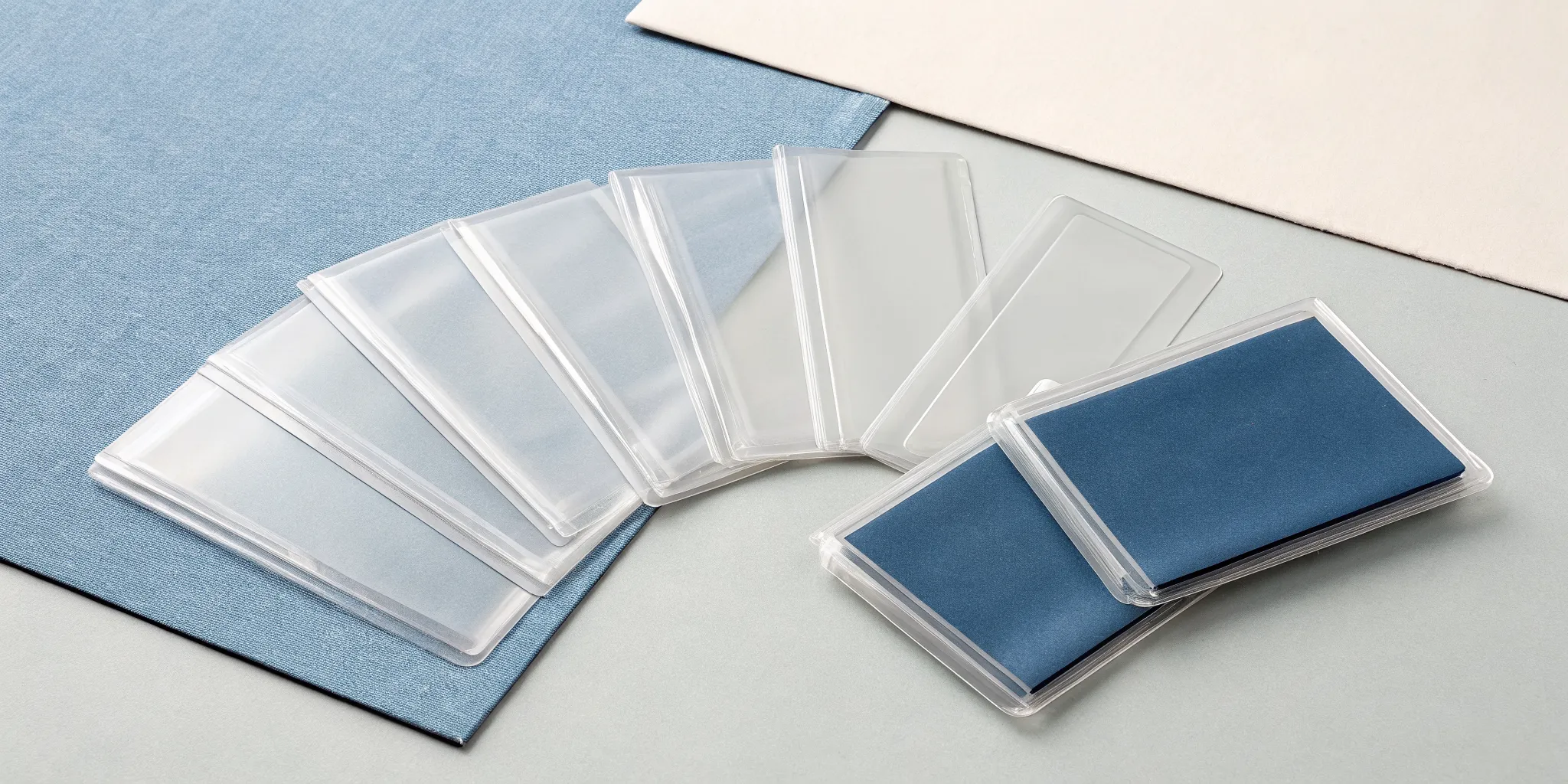
Nothing makes a seasoned collector cringe more than seeing a valuable card slide directly into a hard plastic toploader. While it seems like a good idea, that raw card is grinding against a rough surface, picking up tiny scratches that will kill its grade. The solution is incredibly simple and costs next to nothing: a penny sleeve. This thin, protective layer is the non-negotiable barrier between your card’s surface and the outside world. We’ll cover the common mistakes that can damage your collection and show you how to build a simple, effective protection system using the best penny sleeves on the market.
Key Takeaways
- Protection requires two layers: A penny sleeve is the essential first step for preventing surface scratches and oils, but it won't stop a card from bending. Always place your sleeved card into a rigid holder, like a toploader, for complete protection.
- The material is what matters most: For safe, long-term storage, always choose sleeves made from polypropylene. Make sure the packaging says "acid-free" and "non-PVC" to prevent chemicals from damaging your cards over time.
- Match your sleeve to your card's purpose: Use standard sleeves for bulk storage, consider double-sleeving for your most valuable cards, and use a penny sleeve inside a semi-rigid holder when preparing cards for grading.
What Are Penny Sleeves (And Why You Absolutely Need Them)
If you’re getting into collecting, the penny sleeve is the first and most essential piece of equipment you need to own. True to their name, these thin, clear plastic sleeves are incredibly affordable, often costing just a penny or two each. Think of them as the foundational layer of protection for every single card you care about, from a common you love to that chase card you just pulled from a pack. Their main job is to shield your cards from the most common enemies: surface scratches, dust, and the natural oils from your fingerprints.
Every time a card is handled or slid in and out of a box, it’s at risk of picking up tiny scuffs that can lower its condition and, ultimately, its value. A penny sleeve provides a smooth, protective barrier that keeps the card’s surface and edges in pristine shape. For anyone interested in maintaining their collection’s value, using a penny sleeve is a non-negotiable first step the moment a card comes out of the pack. It’s the simplest and cheapest insurance policy you can get for your collection.
However, a penny sleeve isn’t meant to work alone. While it’s perfect for preventing surface wear, it offers very little protection against bending or creasing. That’s where a rigid or semi-rigid card holder, often called a toploader, comes in. The golden rule of card protection is to always use these two together. First, you slide the card into the penny sleeve, and then you place the sleeved card into the toploader. This two-step method ensures the card is safe from both scratches and structural damage. Putting a raw card directly into a hard toploader can actually scuff its surface, defeating the purpose entirely.
The Best Penny Sleeve Brands for Card Collectors
Walk down the card care aisle of any hobby shop, and you'll see a wall of options. While it might seem like all penny sleeves are the same, small differences in material, clarity, and fit can have a big impact on how your cards are protected and displayed. The right sleeve often comes down to personal preference and what you plan to do with the card, whether it's going into a binder, a top loader, or a grading submission box. To help you find your perfect match, let's look at five of the most trusted and popular brands in the collecting community. Each one has its own strengths, and knowing them will make your next purchase a whole lot easier.
Ultra PRO
Think of Ultra PRO as the original, the one you can find almost anywhere. They are the industry standard for a reason. Ultra PRO’s classic penny sleeves are a reliable, no-fuss option that gets the job done. They are celebrated for being an acid-free and non-PVC choice, which is essential for the long-term safety of your cards. If you're just starting your collection or need to sleeve a massive number of base cards without breaking the bank, you can't go wrong here. They offer consistent quality and are widely available, making them a dependable go-to for collectors everywhere.
TitanShield
If you've ever handled a standard penny sleeve and wished it felt a bit more substantial, TitanShield is the brand for you. Their soft sleeves are known for being thicker than many competitors, measuring 60 microns for added durability. This extra thickness provides a sturdier feel and more rigid protection, which can give you peace of mind when handling your favorite cards. They are a fantastic middle-ground option, offering more protection than a standard sleeve without the bulk of a top loader, making them a reliable choice for cards you plan to handle or trade frequently.
Cardboard Gold
For collectors who prioritize presentation, Cardboard Gold is a top contender. These sleeves are known for being exceptionally clear, allowing the color and details of your cards to shine through without any cloudiness. Their clarity makes them an ideal choice for cards you want to display. Another major benefit is their consistent sizing, which ensures a great fit inside top loaders. There’s nothing more frustrating than a sleeve that bunches up or wrinkles when you try to slide it into a hard case, and Cardboard Gold’s design helps you avoid that problem entirely.
Dragon Shield Perfect Fit
When you pull a high-value card, you want to give it the best protection possible. That’s where Dragon Shield Perfect Fit sleeves come in. These are designed specifically for double-sleeving, a technique where you use a tight-fitting inner sleeve before placing the card into a standard-sized outer sleeve. Dragon Shield’s Perfect Fit sleeves provide a very snug, secure fit that acts as a second skin, offering an extra layer of protection against dust, moisture, and oils from your hands. They are the ultimate choice for safeguarding your most prized pulls.
KMC Perfect Fit
KMC is another giant in the world of perfect fit inner sleeves and a favorite among many seasoned collectors. While also designed for double-sleeving, many collectors prefer KMC Perfect Fit sleeves for their slightly looser fit compared to some other brands. This subtle difference can make them easier to handle, reducing the risk of bending a corner while sleeving your cards. They still provide that essential extra layer of protection without being so tight that they're difficult to work with. This ease of use makes them a popular community choice for sleeving large batches of valuable cards.
Best for Bulk Storage
If you’re like most collectors, you have stacks of cards that need protection but aren’t necessarily destined for a graded slab just yet. When you’re sleeving hundreds or even thousands of cards, you need a solution that’s affordable, reliable, and doesn’t make the process a chore. For protecting a large volume of cards, you can’t go wrong with a few trusted, budget-friendly brands that get the job done right.
Ultra PRO is the name you see everywhere for a reason. Their standard penny sleeves are the industry workhorse. They are acid-free, contain no PVC, and offer solid protection at a price that won't make you wince when you buy a 10-pack. For sheer volume and dependability, they are a fantastic and affordable option for keeping your base cards and prospects safe in storage boxes.
Another giant in the hobby is BCW. Their standard card sleeves are a great alternative and have one feature many collectors love for bulk projects: they're slightly wider than some other brands. This extra room makes sleeving cards much faster and can help prevent accidental corner dings when you're in a rhythm. Many collectors find that these well-known brands perform exceptionally well for bulk projects, especially when speed is a factor.
If you want your bulk cards to have a little extra pop, check out Cardboard Gold. These sleeves are known for their exceptional clarity, making your cards look sharp even in a storage box. They also fit snugly into top loaders, which is a huge plus if you plan on pulling certain cards from your bulk stash for extra protection later. They offer a great balance of protection and visibility for large collections.
Best for Your High-Value Cards
When you pull a card that makes your heart skip a beat, a simple penny sleeve isn’t going to cut it. For your high-value cards, you need to think of protection as a system, not just a single product. Your most prized possessions deserve multiple layers to keep them in mint condition and preserve their value.
Let’s be clear: using only a penny sleeve leaves your card vulnerable to bending and other structural damage. It’s a fantastic first line of defense against surface scratches and oils, but it won’t stop a card from creasing if it gets mishandled. On the other hand, putting a raw card directly into a hard case like a toploader is a recipe for disaster. The card's surface will rub against the hard plastic, leading to tiny, value-killing scratches over time.
So, what’s the solution? It’s a simple two-step process. First, always place your card in a quality penny sleeve. This is non-negotiable. For cards valued at $50 or more, the next step is to place that sleeved card into a magnetic one-touch holder. These holders provide rigid, UV-protected enclosures that not only offer superior protection but also display your card beautifully. This combination ensures your card is safe from surface scratches, corner dings, and bending, keeping its value intact for years to come.
What to Look For in a Penny Sleeve
When you're building your collection, it's easy to think all penny sleeves are the same. They’re just thin plastic sleeves, right? Not quite. The right sleeve can be the difference between preserving a card’s mint condition and watching it degrade over time. Paying attention to a few key details like material, thickness, and clarity will help you make the best choice for your cards.
Material: Polypropylene vs. PVC
The most important factor to check is the material. You want to look for sleeves made from polypropylene (PP). This plastic is acid-free and non-PVC, which makes it archival-safe. In simple terms, it won't break down and release chemicals that can damage your cards' ink and finish over the years. PVC sleeves, on the other hand, can become brittle and sticky, potentially ruining your collection. Always check the packaging for "acid-free" and "no PVC" to ensure you're getting quality protection for safe, long-term storage. It’s a small detail that makes a huge difference.
Thickness and Durability
Thickness, measured in microns, is another key feature. A standard penny sleeve is pretty thin, but some brands offer thicker options for added durability. For example, TitanShield sleeves are 60 microns thick, giving them a sturdier feel that offers more protection against dings and edge wear. You might also find that some sleeves are slightly larger, which can make it easier to slide cards in without catching a corner. It's a good idea to try a few different options when you're comparing the different brands to see what feels right for your hands and your cards.
Clarity
You bought that card because it looks amazing, so you want to be able to see it clearly. The clarity of a sleeve can vary quite a bit between brands. Some have a slightly cloudy or hazy finish, while others are crystal clear. If you plan on displaying your cards in a binder or a top loader, look for high-clarity sleeves like those from Cardboard Gold. Just remember that a penny sleeve alone won't protect against major impacts. It keeps the surface safe from scratches, but the card is still vulnerable to bending without a more rigid holder.
Best for Preparing Cards for Grading
If you’re planning to send your cards to a professional grader, the way you package them is incredibly important. You want to ensure your prized possessions arrive in the exact same condition you sent them. The gold standard for grading submissions is a simple but effective combination: a penny sleeve and a semi-rigid card holder (like a Card Saver 1).
Why this specific combo? While rigid toploaders are great for storage, they can be too tight, creating a risk of corner or edge damage when the grader removes the card. Semi-rigid holders offer solid protection with enough flexibility to allow for safe and easy removal. For this reason, you should never use toploaders when sending cards for grading.
For an extra layer of defense against dust and moisture, you can double-sleeve your card. This involves first placing the card into a snug-fitting sleeve, often called a “Perfect Fit” sleeve. Then, you slide the sleeved card into a standard penny sleeve before placing it in the semi-rigid holder. This method creates a tight seal that keeps out any debris that could potentially scratch the card’s surface.
While a penny sleeve paired with a magnetic one-touch holder is an excellent choice for displaying your high-value cards at home, stick to the semi-rigid holders for your grading packages. The priority for submissions is always safe transit and easy handling for the grading company.
Finding the Right Sleeve Size
Picking the right penny sleeve isn't just about grabbing the first pack you see. A sleeve that’s too big lets your card slide around, risking edge and corner damage. One that’s too tight can actually bend your card or scratch the surface as you try to force it in. The goal is a snug, secure fit that offers maximum protection without a struggle. Think of it as finding the perfect-fitting jacket for your most valuable players.
To get it right, you need to know what kind of cards you’re working with. Most cards fall into one of two categories: standard or specialty.
Standard Trading Cards
Most of the cards in your collection, like Pokémon or standard sports cards, are a uniform size. They typically measure 2.5 by 3.5 inches. For these, you’ll want a sleeve that’s just slightly larger to give you a little wiggle room for easy insertion without being loose.
The ideal sleeve size for these cards is around 2 5/8 by 3 5/8 inches. This provides a close fit that prevents the card from shifting inside the sleeve, which is key to protecting its corners and edges from dings. It’s the perfect balance, ensuring your card is safe and secure whether it’s going into a binder, a toploader, or a storage box.
Thick and Specialty Cards
What about those special cards? We’re talking about the thick jersey or patch cards that feel more like a small tile than a piece of cardstock. Forcing these into a standard penny sleeve is a recipe for disaster. Instead, look for sleeves specifically designed for thicker cards. These are often labeled as "thick card sleeves" and are wider to accommodate the extra depth without putting pressure on the card.
Another option for collectors who like to double-sleeve is a "perfect fit" sleeve. These are designed to be extremely snug, acting like a second skin for the card before it goes into a standard penny sleeve. Just be careful; a sleeve that’s too tight can cause more harm than good. The difference between penny sleeves and soft sleeves often comes down to this precise fit.
How to Use Penny Sleeves Correctly
Putting a trading card into a penny sleeve seems simple enough, but there’s a right way to do it that minimizes the risk of dings and scratches. A little bit of care goes a long way in preserving your card’s condition, especially if it’s a high-value pull you’re hoping to get graded one day. Think of it as the first and most crucial step in your card protection strategy. Mastering this basic skill ensures your collection stays in the best shape possible.
How to Insert Cards Without Damage
The key to sleeving a card without causing damage is to be gentle and deliberate. Start by holding the card by its edges to avoid getting fingerprints on the surface. Take your penny sleeve and gently rub the opening between your thumb and forefinger to separate the sides, making it easier to insert the card. Next, carefully slide one of the bottom corners of the card into the sleeve, followed by the other. Once the bottom edge is secure, you can slowly and smoothly push the card the rest of the way in until it’s fully seated. Never force it; if you feel resistance, it's better to pull the card out and try again. Forcing it can lead to bent corners or edge wear, which are instant grade killers.
Double-Sleeving for Extra Protection
For any card you truly value, a penny sleeve is only half the battle. The best practice for maximum security is called “double-sleeving.” This involves placing your penny-sleeved card into a rigid or semi-rigid holder, like a toploader or a Card Saver. The soft penny sleeve protects the card’s surface from scratches, while the harder outer holder prevents bends, creases, and impact damage. This two-layer system is the industry standard and an absolute must if you plan on submitting cards for grading or shipping them. It offers comprehensive protection from all angles.
Common Mistakes to Avoid
Two common mistakes can completely undermine your card protection efforts. The first is using only a penny sleeve. While it guards against surface wear, it offers zero structural support, leaving the card vulnerable to bending. The second mistake is putting a card directly into a toploader without a penny sleeve first. This is a major no-no. The card’s surface will rub against the hard interior plastic, creating a network of tiny scratches over time that will lower its grade. Using penny sleeves and toploaders together is the only way to ensure your cards are truly safe from both types of damage.
Common Penny Sleeve Myths, Busted
When you first get into collecting, it’s easy to get overwhelmed by all the advice out there. Penny sleeves seem simple enough, but a lot of misinformation floats around. Let's clear the air and bust a few common myths so you can protect your cards with confidence.
Myth: All penny sleeves are created equal. This is one of the biggest misconceptions. While they might look the same at a glance, there are huge differences in quality. Some sleeves are made from flimsy, cloudy plastic, while others offer crystal-clear clarity and a sturdier feel. The fit can also vary widely between brands. Some are snug, which is great for double-sleeving, while others are looser. A quick comparison of different brands reveals just how much they can differ in material, size, and overall quality.
Myth: A penny sleeve is all the protection you need. A penny sleeve is an essential first line of defense, but it’s not the only one you need for valuable cards. It does a fantastic job of protecting the card’s surface from dust, fingerprints, and minor scratches. However, it offers almost no protection against bending, creasing, or impact. For true security, you should always pair a penny sleeve with a rigid or semi-rigid holder, like a toploader. Think of the penny sleeve as the base layer that protects the card from rubbing against the harder plastic of the toploader.
Myth: Any cheap sleeve will do the job. While they’re called “penny sleeves,” going for the absolute cheapest option can be a costly mistake. The lowest-quality sleeves are often made with plastics containing PVC, which can break down over time and release acids that damage your cards. This can lead to yellowing or even the sleeve sticking to the card’s surface, ruining its condition. Always look for sleeves that are labeled as acid-free and non-PVC. Spending a fraction of a cent more per sleeve for a quality polypropylene product is a smart investment.
Where to Find the Best Deals on Penny Sleeves
So, you know you need penny sleeves, but where should you actually buy them? Finding the right balance between quality and price is key, especially when you're sleeving up a large part of your collection. Luckily, you have plenty of great options, from big-box retailers to specialty online shops that cater specifically to collectors.
For sheer convenience and competitive pricing, it’s hard to beat major online marketplaces. You can find a huge variety on Amazon, from basic bulk packs to premium, ultra-clear sleeves that make your cards pop. Similarly, Walmart is a reliable choice for grabbing card storage accessories at everyday low prices, making it easy to stock up while you’re doing other shopping. These retailers are great for stocking up on basics without a lot of fuss.
If you prefer to buy from companies that live and breathe card collecting, there are some fantastic specialty stores. Places like Card Shellz focus on creating products with collectors in mind, like their popular Easy Glide soft sleeves designed for easy insertion. Another excellent option is Platinum Protectors, which offers 100-packs of ultra-clear sleeves made from high-quality, non-PVC materials.
Ultimately, the best place to buy depends on your needs. Are you buying in bulk for your common cards, or are you looking for a premium fit for your prized pulls? Exploring these different sources will help you find the perfect sleeves for your collection and your budget. If you want to compare different brands in more detail, guides on choosing the right penny sleeves can be a huge help.
Related Articles
Frequently Asked Questions
Do I really need to put every single card in a penny sleeve? For any card you want to keep in good condition, the answer is yes. Think of it as the most basic, affordable insurance you can buy for your collection. While you might not sleeve every common card from a pack, any card you like, any rookie, or anything with potential value should get a sleeve. It protects the card's surface from scratches, dust, and oils from your hands, which is the first step in preserving its condition.
Can I just put my best cards directly into a hard toploader or magnetic case? You should never put a card directly into a hard case without a penny sleeve first. A hard plastic holder can easily scuff or scratch the surface of a raw card, which can lower its grade and value. The soft penny sleeve acts as a crucial protective barrier between the card and the rigid holder. The golden rule is always sleeve it first, then put it in the toploader.
With so many brands, how do I know which one to choose? It really comes down to what you're using them for. If you're sleeving hundreds of base cards for storage, a reliable and affordable option like Ultra PRO or BCW is perfect. If you want to display your cards and need exceptional clarity, Cardboard Gold is a great choice. For your most valuable cards, you might prefer a thicker, more durable sleeve like those from TitanShield or a snug "perfect fit" sleeve from Dragon Shield for double-sleeving.
What is double-sleeving and is it actually necessary? Double-sleeving is a technique used for maximum protection on your most valuable cards. It involves putting the card into a tight-fitting inner sleeve (often called a "perfect fit" sleeve) before placing it into a standard penny sleeve. This creates a nearly airtight seal that offers extra protection against dust and moisture. It’s not necessary for every card, but it’s a great practice for your high-end pulls or cards you plan to send for grading.
How can I tell if my old sleeves are damaging my cards? The biggest red flag is if the sleeves are made with PVC. Always look for packaging that says "acid-free" and "no PVC." If you have old, unpackaged sleeves, check their condition. If they feel brittle, sticky, or have a yellow tint, it's a sign the plastic is breaking down and could be releasing chemicals that harm your cards. When in doubt, it's always safer to replace them with new, high-quality polypropylene sleeves.
Recommended Reading

Cash for Graded Sports Cards: The Fastest Ways to Sell
Get cash for graded sports cards faster. Compare auction houses, marketplaces, and instant buyback options to pick the route that fits your timeline.

How to Compare Value in Sports Card Packs
Learn how to compare sports card packs using card quality, available pulls, pricing clarity, and Packz’s 100% buyback option.
How to Buy Pokemon Packs Online for Ripping
Ready to buy pokemon packs online for ripping? Get transparent pack value and clear pull odds so you never overpay for the thrill of the hunt. Start collecting safely.