
February 25, 2026
What Is a Sports Card Vault & How Does It Work?
A sports card vault keeps your collection safe, insured, and easy to manage. Learn how vaults work and why collectors trust them for valuable cards.
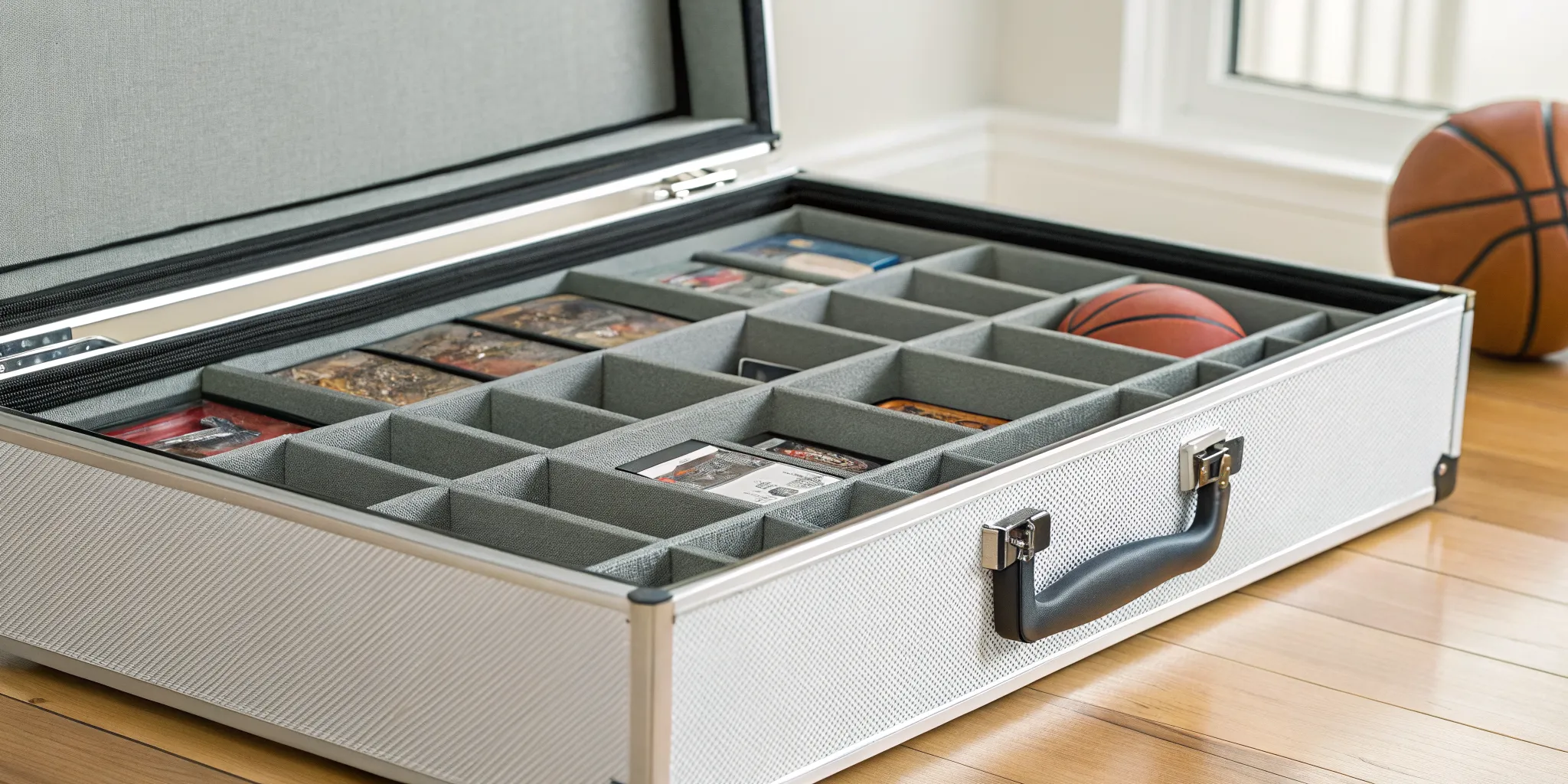
For anyone active in the trading card market, the process of buying and selling can be a hassle. Taking photos, writing listings, packing boxes, and making trips to the post office takes time away from the fun of the hobby. A sports card vault changes the game by turning your physical collection into a liquid digital asset. When your cards are stored in a vault, you can list them on a marketplace and transfer ownership instantly, with no shipping required. This guide will walk you through how these services work, what they cost, and why they are becoming an essential tool for modern collectors.
Key Takeaways
- Vaults provide unmatched security for your collection: Professional vaults protect your cards with climate control, 24/7 surveillance, and full insurance coverage, safeguarding your investment from damage, theft, or loss in ways that home storage cannot.
- Buy and sell your cards instantly: By digitizing your collection, vaults let you trade on an integrated marketplace with just a few clicks. This removes the hassle of packing and shipping, making your collection a more liquid and manageable asset.
- Find the right vault for your goals: Not all vaults are the same, so compare their security features, fee structures, and user platforms before you commit. The best choice depends on whether you are a long-term investor or an active trader.
What Is a Sports Card Vault?
A sports card vault is essentially a high-security home for your most valuable cards. Think of it like a bank vault, but specifically designed for your collection. It’s a secure storage solution that gives you peace of mind, knowing your prized possessions are protected from damage, loss, or theft. If you've ever worried about keeping a high-value rookie card in a shoebox under your bed, a vault is the answer to that problem.
But it’s more than just a storage locker. Modern vault services are also incredibly practical, allowing you to manage your collection more efficiently. They make it easier to buy, sell, and trade your cards without having to physically handle them for every transaction. This means you can make more plays and flip cards more easily, all while your collection stays safe and sound. Instead of packaging and shipping a card every time you sell one, the vault handles the logistics. This streamlined process is perfect for anyone who is active in the market. Whether you're a serious investor looking to protect your assets or a passionate collector who wants the best care for your cards, a vault can be a game-changer for how you interact with the hobby.
Digital vs. Physical Storage
When you hear "vault," you might picture a giant metal door, but in the card world, it's a bit more nuanced. Most modern sports card vault services operate on a digital-first model. You send your physical cards to a secure facility where they are professionally photographed, insured, and stored. From there, you manage your collection through a digital interface or app. This setup is amazing because it removes the hassle of handling the cards yourself. Instead of pulling a card, packing it, and running to the post office every time you make a sale, the vault service takes care of the transfer. It’s the best of both worlds: your physical cards are safe, but you can trade them as easily as digital assets.
How Does a Sports Card Vault Work?
The process is surprisingly straightforward. It starts with you sending your cards to the vault. Once they arrive, they’re logged into the system and secured in a climate-controlled environment. Many top-tier vaults are part of an all-in-one service that also allows you to get your cards graded by professionals like PSA. After your card is graded and vaulted, it appears in your digital account. From there, you can list it for sale on a marketplace, trade it with another user, or simply hold onto it as an investment. This integration simplifies everything, turning your physical collection into a liquid asset you can manage from your phone. As many collectors have found, it's a really good tool for managing your portfolio.
What Services Do Sports Card Vaults Offer?
Think of a sports card vault as more than just a high-tech storage unit. It’s a full-service hub designed to make every part of collecting easier and more secure. Instead of juggling different services for grading, storing, and selling, a vault brings all these functions under one roof. This integrated approach helps you protect your investments, manage your portfolio, and transact with other collectors seamlessly. From getting your rookie cards professionally graded to selling them with a few clicks, vaults offer a suite of tools for the modern collector.
Professional Grading and Authentication
One of the most valuable services a vault offers is streamlined access to professional grading. Building your personal collection, or "PC," is a huge part of the hobby, and getting your best cards graded is key to protecting them and confirming their value. Most vaults have partnerships with top-tier grading companies like PSA, BGS, and SGC. You can submit your cards for grading directly through the vault, saving you the hassle of shipping them yourself. The vault handles the logistics, and once graded, the card is returned directly to your secure account, authenticated and slabbed for protection.
Secure, Climate-Controlled Storage
At its core, a vault provides top-notch security for your physical cards. Forget storing that prized autographed card in a shoebox in your closet. Vaults use climate-controlled facilities to protect your collection from humidity, temperature changes, and light exposure, all of which can cause damage over time. When you send a card to a vault, it’s typically photographed, inventoried, and insured before being placed in secure storage. This gives you peace of mind knowing your most valuable assets are protected against theft, fire, and environmental harm, keeping them in mint condition for years to come.
Easy Trading and Selling
This is where vaults really change the game. Selling a card traditionally involves taking photos, writing descriptions, packing, and shipping. With a vault, you can list your cards on an integrated marketplace instantly. Because the card is already authenticated and stored by the vault, buyers have complete confidence in its condition. Transactions happen digitally, and ownership is transferred from one vault account to another in seconds. This eliminates shipping risks and delays, allowing you to buy and sell cards with incredible speed and convenience, all from your computer or phone.
Managing Your Collection Digitally
When your cards are in a vault, you get a digital portfolio that lets you view and manage your entire collection online. Each card is scanned at high resolution, so you can admire your collection from anywhere, anytime. This digital dashboard is a powerful tool for collectors. You can easily track the market value of your cards, organize your portfolio, and decide what to sell or trade. It gives you a clear, consolidated view of your assets, making it simple to see your collection’s overall worth and performance without ever having to pull them out of storage.
Why Use a Sports Card Vault?
Once your collection starts to grow, you'll naturally think about the best way to manage and protect it. A sports card vault isn't just about storage; it's about giving your collection the security and accessibility it deserves. Think of it as a high-tech home for your cards that also acts as a personal marketplace. Using a vault can help you keep your cards safe, make buying and selling easier, and even increase the value of your collection. Let's look at some of the biggest reasons collectors are turning to vault services.
Protect Your Most Valuable Cards
Your collection is an investment of time, passion, and money. The last thing you want is for a prized card to get damaged, lost, or stolen. Vault services are designed to secure and store your cards in facilities with top-tier security and climate control. When you send a card to a vault, it's typically photographed, cataloged, and placed in a secure environment. This process protects your cards from physical damage like fading, moisture, or bending, ensuring they stay in mint condition. It’s a professional-grade solution for safeguarding your most cherished assets.
Buy and Sell Cards Instantly
If you're an active trader, you know how much time goes into photographing, listing, and shipping cards. A vault streamlines this entire process. Since your cards are already authenticated and stored in a central location, you can often list them for sale with just a few clicks. When a card sells, the vault handles the transfer of ownership digitally, meaning no more packing boxes or trips to the post office. This all-in-one service makes the market more fluid, allowing you to react quickly to price changes and buy or sell cards almost instantly.
Increase Your Card's Value with Professional Grading
Getting your cards professionally graded is one of the smartest moves you can make as a collector. Grading authenticates your card and assigns it a condition score, which can significantly increase its market value. Many vaults have partnerships with top grading companies like PSA, making the submission process seamless. According to one report, PSA-graded cards can fetch a 30% premium on the resale market. By vaulting your cards, you not only protect them but also position them to be graded and sold for their maximum potential value, turning a great card into a top-tier investment.
Get Peace of Mind with Insurance Coverage
What happens if the unthinkable occurs? Storing valuable cards at home leaves you vulnerable to theft, fire, or flood. A major benefit of using a vault is the comprehensive insurance coverage that comes with the service. Your collection is protected against a wide range of potential disasters, giving you invaluable peace of mind. This insurance protection means your investment is financially secure. Beyond insurance, some collectors also find benefits in potential sales tax savings, as transactions can sometimes occur within the vault's jurisdiction without triggering a sales tax event, depending on state laws.
What Do Sports Card Vaults Cost?
When you’re thinking about using a sports card vault, one of the first questions that comes to mind is, "What's this going to cost me?" The answer isn't a single number, as the fees depend on the provider you choose and the services you use. It’s helpful to think of these costs not just as an expense, but as an investment in security, convenience, and the potential growth of your collection’s value. After all, you're paying for professional-grade protection for your most prized cards, along with the ability to buy and sell them instantly without ever having to deal with shipping logistics or insurance headaches.
Most vaults structure their pricing around a few key areas, so understanding them helps you compare your options and find the best fit for your collection and budget. Some costs are one-time fees for specific actions, like getting a card graded, while others are recurring, like monthly storage or a platform subscription. Knowing what to look for in a fee schedule prevents surprises down the road and ensures you’re getting the most value for your money. It allows you to accurately calculate the total cost of ownership for your vaulted cards, which is crucial for managing your collection as a serious hobby or investment. Let’s break down the common costs you can expect to see.
Membership and Subscription Fees
Some vaults operate on a subscription model, where you pay a recurring fee for access to their platform. This fee often covers the basics, like a certain amount of storage, insurance for your cards, and the ability to use their digital marketplace. It’s common to see tiered plans, where a higher monthly or annual fee gets you more storage space, lower transaction fees, or other premium perks. These all-in-one services are designed to give you a seamless experience, from getting cards graded to buying and selling, all under one roof. When comparing vaults, check to see if they have a subscription fee and what’s included in each tier.
Transaction and Grading Fees
Beyond any base membership fee, you’ll likely encounter costs for specific actions. If you sell a card through the vault’s marketplace, expect a transaction fee, which is usually a percentage of the sale price. This is similar to how other online marketplaces work. Another significant cost is for professional grading. While the vault itself doesn't grade your cards, many offer submission support, sending your cards to trusted authenticators like PSA, BGS, or SGC on your behalf. The cost for these card grading services varies based on the card's value and the desired turnaround time, but having the vault handle the logistics adds a layer of convenience and security.
Storage and Handling Fees
This is the core cost for the vault’s main service: securely storing your cards. Some vaults include a base level of storage in a membership plan, while others charge based on the total value of your collection. For example, a provider might charge a small percentage of your collection’s insured value annually. You may also run into handling fees for actions like submitting a new card to the vault (an intake fee) or requesting to have a card shipped back to you (a withdrawal fee). It’s important to read the fine print, as these fees can add up. A good sports card vault comparison can help you see how different providers structure these ongoing costs.
Are There Any Downsides to Using a Vault?
While sports card vaults offer incredible benefits, they aren't a one-size-fits-all solution. It's smart to look at the full picture before you decide to store your collection with one. This section is all about giving you the honest truth so you can weigh the trade-offs and see if a vault aligns with your goals as a collector or investor. For some, these points might be minor details, but for others, they could be dealbreakers. Thinking through them now will save you headaches later and ensure you're making the best move for your cards and your peace of mind. We'll cover the three main considerations: not having your cards in hand, trusting another company with your assets, and understanding all the associated costs.
Limited Physical Access to Your Cards
This is probably the biggest emotional hurdle for any collector. Part of the fun is holding your cards, showing them off, and having them physically present. When your collection is in a vault, you trade that immediate access for security and liquidity. You can’t just pull your favorite rookie card off the shelf to admire it. Getting a card back involves a formal withdrawal request, which takes time and can sometimes have a fee. However, it's helpful to think about why you're collecting. If you're actively flipping cards for profit, the convenience of instant digital transactions might easily outweigh the desire to have the card in hand.
Relying on a Third-Party Service
Handing over your prized possessions requires a huge amount of trust. When you use a vault, you're relying on that company to protect your cards from damage, theft, and loss. It’s natural to have questions about the security and reliability of these services. What happens if the company has a data breach or, in a worst-case scenario, goes out of business? This is why doing your due diligence is non-negotiable. You need to thoroughly research a vault’s reputation, security protocols, and insurance coverage. Reputable companies are transparent about these things, but it's still a partnership built on trust in their systems and their team.
Understanding the Long-Term Costs
While vaults can be a fantastic tool, they aren't free. It's important to get a clear picture of the entire fee structure before you commit. Most vaults charge for services like intake processing, storage, and transactions. Some may also have withdrawal fees, especially if you decide to take a card out shortly after it's been vaulted. These costs can add up, so you need to factor them into your budget. On the flip side, vaults can also offer significant financial benefits, like letting you avoid sales tax on transactions made within the platform. For long-term investors dealing with high-value cards, these savings can easily offset the storage fees, making the vault a smart financial decision.
Key Security Features to Look For
When you’re trusting a company with your most prized cards, security is everything. After all, the main reason to use a vault is to protect your investment. But not all vaults offer the same level of protection. Before you commit, you need to look closely at their security measures to ensure your collection is in the best possible hands. Think of it like choosing a bank for your money; you want the one with the strongest safe and the best protection plan.
The best sports card vaults go beyond a simple lock and key. They offer a combination of physical and financial security features designed specifically for high-value collectibles. The three most important features to verify are climate-controlled storage, comprehensive insurance coverage, and a reliable system for digital proof of ownership. These elements work together to preserve your cards’ condition, protect their monetary value, and give you peace of mind. Let’s break down what each of these features means for you and your collection.
Climate-Controlled Facilities
A card’s condition is critical to its value, and nothing threatens it more than a poor environment. Humidity, extreme temperatures, and even light exposure can cause cards to warp, fade, or stick together over time. That’s why a climate-controlled facility is non-negotiable. These specialized storage environments maintain consistent temperature and humidity levels year-round, creating the perfect conditions to preserve your cards and prevent degradation. Top-tier vault services do an amazing job of receiving, securing, and storing your cards in these ideal, museum-quality settings, ensuring your mint-condition cards stay that way.
Comprehensive Insurance Policies
Your home insurance policy probably doesn’t cover the full value of your trading card collection, which is why many collectors get specialized insurance. A reputable vault service provides this as part of their package, protecting your assets against theft, loss, and damage from disasters like fires or floods. When you send cards to a vault, they are typically photographed, securely stored, and insured for their market value. This coverage gives you a financial safety net and the confidence that your investment is protected. Always read the fine print to understand the coverage limits and claim process before sending your cards.
Digital Proof of Ownership
One of the biggest mental hurdles to using a vault is not having your cards in your hands. This is where a digital portfolio becomes essential. Leading vaults provide high-resolution scans of your cards, creating a digital record that you can access anytime. This allows you to manage and even show off your collection without physical access. As one collector on Facebook noted, “I like having the high dollar stuff in a vault... I like to look at my cards on digital.” This digital proof of ownership also makes selling or trading much easier, since you can instantly share verified images of your cards with potential buyers.
How Vaults Handle Card Grading
Getting your cards graded is one of the most important steps you can take as a collector, and it’s a core service offered by most sports card vaults. Grading officially verifies a card's authenticity and assigns it a score based on its physical condition. This process transforms a collectible into a certified asset. Instead of you having to manage the complicated and often stressful process of shipping your prized cards to a grading company, the vault handles all the logistics. They act as your secure go-between, making sure your cards are handled professionally from start to finish.
Grading Standards and Partnerships
Top-tier vaults don’t grade cards themselves; they partner with the most respected names in the industry. Think of companies like Professional Sports Authenticator (PSA), Beckett Grading Services (BGS), and Sportscard Guaranty Corporation (SGC). These partnerships are key because using a professional company is the best way to authenticate and protect your collection. When you submit a card for grading through a vault, you’re tapping into their streamlined system. They manage the secure submission, handling, and return of your card, giving you access to expert grading without the personal hassle.
How Grading Affects Your Card's Value
Grading is more than just a protective measure; it’s a direct investment in your card’s value. A professional grade removes subjectivity and gives potential buyers confidence in what they’re purchasing. This confidence translates directly into higher prices. In fact, some data shows that certain PSA-graded cards can fetch a 30% premium on the resale market compared to their raw, ungraded counterparts. By having your cards graded through a vault, you’re not just storing them; you’re positioning them to achieve their maximum potential value when you decide to sell or trade.
Grading Turnaround Times
One of the biggest questions collectors have is about how long grading takes. Turnaround times can vary widely based on the grading company’s current workload and the service level you choose. However, submitting through a vault can sometimes offer a more predictable experience due to their established relationships. Plus, some vaults provide unique benefits for using their services. For example, you might find that certain submission fees are waived if you commit to keeping the card in the vault for a specific period, like 90 days. This can be a great way to save money while your card’s value is being certified.
How to Choose the Right Sports Card Vault
With several vaulting services available, picking the right one for your collection can feel like a big decision. Each service has its own strengths, fee structures, and user experiences. To find the best fit, you’ll want to look closely at a few key areas. Think about what matters most to you, whether it’s top-tier security, a seamless app experience, or low transaction fees. Doing a little homework upfront will ensure your prized cards are in the right hands and that the service aligns with your collecting goals. Here’s a breakdown of what to consider.
Compare Security and Insurance
When you’re entrusting your most valuable cards to a third party, security is non-negotiable. Look for a vault that details its physical security measures, like 24/7 surveillance, restricted access, and climate-controlled facilities to protect against environmental damage. Beyond physical safety, a comprehensive insurance policy is a must. The vault should provide coverage for the full market value of your cards against theft, loss, or damage. Many top-tier services also offer professional photography upon intake, giving you a high-quality digital record of your collection and its condition. This level of secure storage ensures your assets are protected from every angle.
Check Out the User Experience
A vault is more than just a storage unit; it’s a platform you’ll use to manage your collection. That’s why the user experience is so important. Is the website or app easy to use? Can you view your portfolio, check market values, and list cards for sale with just a few clicks? Read reviews and watch tutorials to get a feel for the interface. Collectors often praise services that streamline the entire process, from receiving your cards to making them available for sale. A smooth, intuitive platform makes it much easier to manage your assets and lets you focus on the fun part: growing your collection.
Analyze the Fee Structure
No one likes surprise fees, so take a close look at the vault’s cost breakdown before you commit. Fees can come in many forms, including one-time intake charges, monthly storage fees (often based on your collection’s value), and transaction fees for buying or selling. Some vaults might also charge for early withdrawals. To make an informed decision, map out how you plan to use the service. If you’re a frequent trader, low transaction fees might be your priority. If you’re a long-term holder, storage costs will be more important. A transparent fee structure is the sign of a trustworthy service.
Review Their Grading Services
Grading can significantly increase a card’s value and liquidity, so a vault’s grading support is a major feature to consider. Check which top-tier grading companies, like PSA, BGS, or SGC, the vault partners with. A good vault service will have a streamlined submission process, handling the logistics of securely sending your cards for grading and having them returned. This integration can save you a ton of time and hassle. Look for clear pricing and estimated turnaround times for grading submissions, as this service is one of the best ways to authenticate and protect your most important cards.
Common Myths About Sports Card Vaults, Busted
The idea of storing your prized collection with a third party can feel a little strange at first. It’s natural to have questions and even some skepticism. Let's clear the air and tackle some of the most common misconceptions about sports card vaults.
Myth: Vaults Aren't Secure
It’s completely understandable to worry about the safety of your cards when they aren't in your hands. But the reality is, professional vaults offer security measures that are tough to replicate at home. Think 24/7 surveillance, climate-controlled environments, and comprehensive insurance. Instead of you managing the shipping and handling, vault services are built to receive, secure, and store your cards with expert care. They protect your collection from common household risks like theft, fire, or water damage, giving you one less thing to worry about.
Myth: You Don't Really Own Your Cards
This is a big one, but it's simply not true. When you use a vault, you always maintain full ownership of your cards. The vault acts as a custodian, not an owner. Think of it like a safety deposit box at a bank; the contents are yours, just stored securely elsewhere. Many collectors actually prefer this setup, especially for their high-value cards. As one collector put it, they like to look at their cards on digital. You get a digital record of your collection that you can access anytime, and you can always request to have your physical cards shipped directly to you.
Myth: Vaults Are Too Expensive
Let's talk about money. While vault services aren't free, they can be more affordable than you think, especially when you consider the value they provide. The benefits often go beyond just storage, with some collectors pointing to advantages like potential sales tax savings on transactions. For high-end cards, the cost of professional security and insurance is a small price to pay for peace of mind. Even for more modest cards, the math can work out. For example, you can vault, list, and sell a $100 graded card with total selling costs around 10-15%, making it a cost-effective option with low risk and effort.
Related Articles
Frequently Asked Questions
Is a vault only for super high-end, expensive cards? Not at all. While vaults are an obvious choice for protecting your most valuable assets, they are also incredibly practical for any collector who is active in the market. If you frequently buy and sell cards, even those in the $100 range, the convenience can be worth it. You save a ton of time on packing and shipping, and the transaction fees can be very competitive, making it a smart move for more than just your top-tier collection.
What if I decide I want my physical card back? You always have the option to get your cards back. The vault is a service, not a permanent home for your collection. You simply submit a withdrawal request through your account, and the vault will securely ship the card to you. It’s important to check the vault’s policy, as there might be a small fee or a specific processing time, but your cards are always your property and accessible to you.
How is a vault different from just keeping my cards in a safe at home? A home safe is a good first step for security, but a professional vault offers protection on a completely different level. Vaults provide climate-controlled environments to prevent damage from humidity or temperature changes, which a typical safe does not. They also offer comprehensive insurance policies tailored for collectibles. Most importantly, a vault makes your collection liquid, meaning you can sell or trade your cards instantly without ever having to physically handle them.
Do I lose ownership of my cards when I send them to a vault? Absolutely not. You maintain 100 percent ownership of your cards at all times. Think of the vault as a specialized bank for your collection; they are simply the custodian responsible for keeping your assets safe. Your cards are logged in your personal digital account, and you have complete control over whether you want to hold, sell, trade, or withdraw them.
How does selling a card from a vault actually work without shipping it? This is one of the best parts about using a vault. Since your card is already authenticated, graded, and stored in a central facility, the entire transaction happens digitally. When you sell the card on the vault’s marketplace, the ownership is instantly transferred from your account to the buyer’s account. The physical card never has to move, which eliminates shipping costs, delays, and the risk of it getting lost or damaged in transit.
Recommended Reading

Cash for Graded Sports Cards: The Fastest Ways to Sell
Get cash for graded sports cards faster. Compare auction houses, marketplaces, and instant buyback options to pick the route that fits your timeline.

How to Compare Value in Sports Card Packs
Learn how to compare sports card packs using card quality, available pulls, pricing clarity, and Packz’s 100% buyback option.

How to Buy Pokemon Packs Online for Ripping
Ready to buy pokemon packs online for ripping? Get transparent pack value and clear pull odds so you never overpay for the thrill of the hunt. Start collecting safely.