
July 29, 2026
Sell Graded Pokémon Cards Best Value: Ultimate Guide
Reach out to compare eBay, TCGplayer, and Packz to sell graded Pokémon cards best value across every platform. Get pricing and timing tips for your slabs.
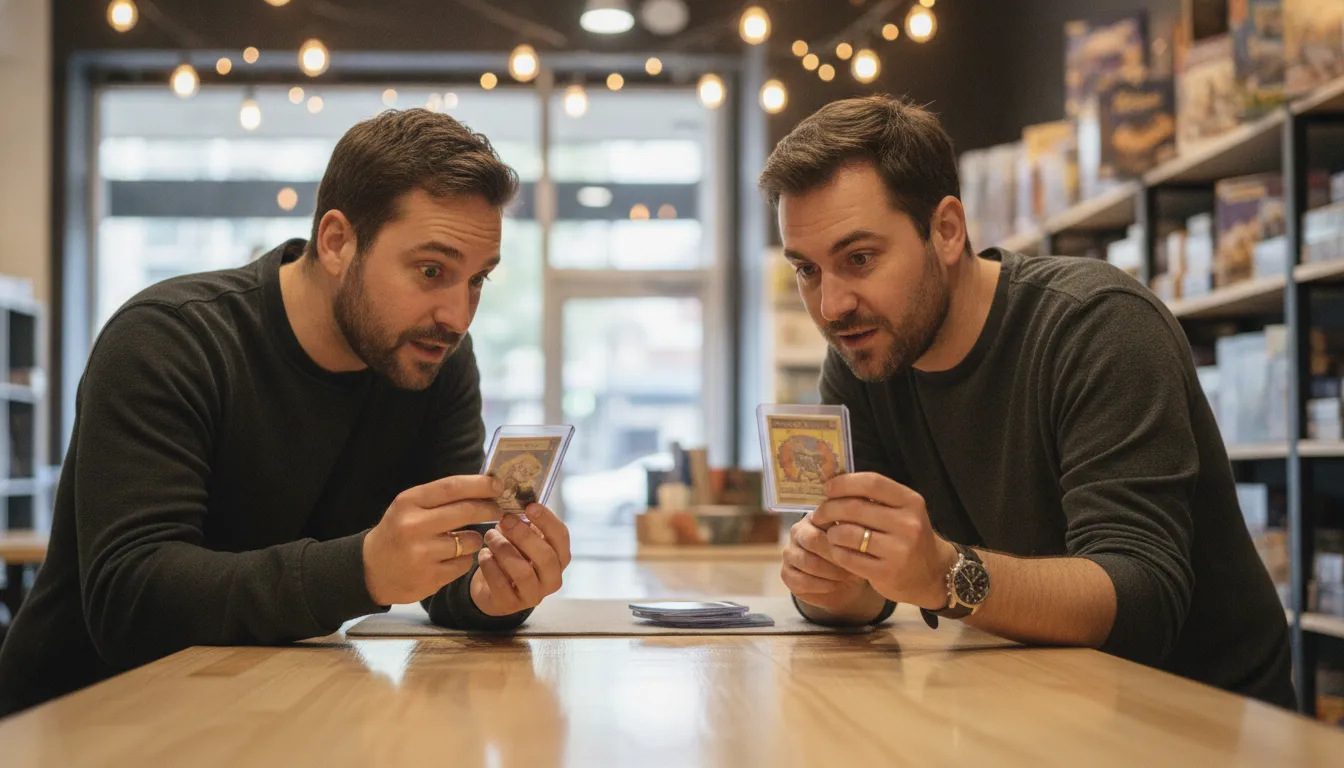
A graded Pokémon card is easier to value than a raw card. But the platform you choose still affects what you keep, how quickly you sell, and how much uncertainty you accept. A PSA, BGS, or CGC slab gives buyers a standardized condition report and added confidence, while recent sales help establish a realistic price.
To sell graded Pokémon cards best value, compare the net payout, buyer reach, fees, selling speed, and level of control each platform offers. eBay provides a broad audience, while Packz can reduce time-to-sale and uncertainty through a transparent selling process. Using more than one channel may also help you reach different buyer segments.
The right choice depends on the card and your priorities. A sought-after grail may benefit from competitive bidding, while a more routinely priced card may suit a predictable sale. Here is how the main options compare.
Sell Graded Pokémon Cards Best Value: Comparing Your Selling Options
The best place to sell depends on what you value most: a fast, predictable payout, the broadest possible buyer pool, or the chance to let collectors compete for a rare card. No single platform serves every slab equally well. Using more than one channel can help you reach different buyer segments and price points, rather than forcing every card into the same selling process.
| Platform | Fees or payout model | Speed | Audience size | Best use case |
|---|---|---|---|---|
| Packz | 100% instant buyback; digital fulfillment is also available at full market value | Fast and predictable | Focused collector audience | When you want to reduce time-to-sale and uncertainty |
| eBay | About 13% in selling fees, depending on the transaction | Variable; listing, offers, payment, and shipping take time | Massive and diverse buyer pool | Popular cards with broad demand and enough margin to absorb fees |
| TCGplayer | Platform and payment fees vary; check current terms before listing | Variable | Large trading-card audience, with growing support for graded cards | Cards with comparable listings and a price you can benchmark in real time |
| Auction houses | Seller fees can be substantial, so calculate net proceeds first | Scheduled and slower than an instant sale | Specialized audience for high-value collectibles | Rare grails where competitive bidding may increase the final price |
| Local card shops | Offer terms vary; convenience may be reflected in the quote | Often same-day or appointment-based | Local collector community | Small collections, quick in-person conversations, or avoiding shipping |
eBay remains a dominant option because its audience is so large, but reach does not automatically equal the highest net value. A fee-heavy sale also requires photography, listing work, buyer communication, packing, and shipping. Auction houses can create competitive bidding for genuinely rare cards, yet their fees and timelines deserve just as much attention as the headline sale price. Recent auction results can help you set expectations before choosing a route.
For many collections, a practical approach is to match the channel to the card. Use an instant buyback for cards where certainty and speed matter, a broad marketplace for standardized cards with active demand, and an auction house for true grails. That kind of diversification lets you compare outcomes without assuming every card needs the same audience or sales strategy.
Instant Buyback Platforms: Fast Cash Without Underselling
Traditional listings can leave you waiting for the right buyer, answering questions, negotiating offers, and managing shipping. An instant buyback platform offers a different path: a clear value at the time you sell, without the uncertainty of an auction ending below expectations or a listing sitting unsold.
Packz uses a two-lane model. With the 100% buyback option, you receive immediate store credit equal to 100% of the card's current market value. That tradeoff favors speed and certainty. You know the value offered before committing, and you can move on to your next purchase without waiting for a buyer, payment clearance, or a dispute to resolve.
If maximizing the payout matters more than immediate liquidity, digital fulfillment lets you list the card at full market value. In that case, you retain more upside while Packz supports the authentication, vaulting, and transaction process. The choice is yours: take a faster, known-value route or wait for a full-market-value sale.
Why EV transparency matters
This model is similar to the approach described by TiltRips, which advertises sell-back at 100% of live market value with instant wallet credit. The broader point is that buyback platforms are designed for collectors who value liquidity, not just maximum theoretical reach.
Choose the route that fits the card
For a card you want to convert quickly, the buyback route can reduce time-to-sale and uncertainty compared with traditional platforms. For a high-demand card where you are comfortable waiting, full-market-value digital fulfillment may make more sense. Review how Packz works, then sell your graded cards on Packz using the option that matches your priorities.
Selling on eBay, TCGplayer, and Auction Houses: Going for Top Dollar
For most graded Pokémon cards, eBay is the broadest place to test demand. Its large, diverse buyer pool gives a PSA, BGS, or CGC slab more chances to find the right collector, especially when the card has a recognizable set, character, and grade. eBay remains a dominant marketplace for graded-card sales because of that reach. Research on graded-card marketplaces also points to its vast user base as a major advantage.
The eBay marketplace: Maximum reach, meaningful selling costs
The tradeoff is cost and effort. eBay fees are commonly cited at around 13% of the sale price before you account for payment processing, shipping materials, insurance, and the time required to photograph, list, message buyers, and manage fulfillment. Once those costs stack up, the total can eat into roughly 20% to 30% of the sale price. Build the net amount into your asking price before deciding whether a higher gross offer is actually your best result.
Use recent completed sales for the same card and grade as a pricing reference, then show the slab label and card surfaces clearly. A clean listing helps buyers evaluate authenticity and condition without guessing.
The TCGplayer marketplace: Useful pricing signals, slower CGC support
TCGplayer is valuable when you want a quick read on current market pricing. Its real-time pricing information can help you set a competitive number instead of relying on an outdated high listing. That makes it useful for cards with regular sales activity and relatively standardized prices.
However, sellers should confirm how the platform currently handles their grading company and listing workflow. CGC support can be slower or less seamless than the experience for more established grading labels, so verify the available fields and fulfillment expectations before committing a large inventory batch. Treat the displayed price as a market signal, not a guaranteed take-home amount.
Using auction houses: Best suited to genuine grails
Dedicated auction houses such as Goldin and PWCC make more sense when the card is rare enough to attract serious specialist attention. A trophy card at the Pikachu Illustrator level is a different selling problem from a modern chase card with dozens of recent comparables. High-value Pokémon transactions have taken place through dedicated auction platforms, including Goldin, rather than only through general marketplaces. Coverage of high-value Pokémon card sales describes this pattern.
Auctions can create competitive bidding for genuinely scarce items, and that bidding war may push the final price beyond a fixed listing. The result is never automatic: reserve terms, timing, presentation, buyer premiums, and seller fees all matter. Auction fees can be substantial, so request a written net estimate and compare it with your expected eBay or direct-sale proceeds. For a true grail, the added specialist audience may justify the cost. For an ordinary graded card, a transparent fixed-price or buyback route may leave you with more certainty and a better net outcome.
What Affects Your Graded Card's Selling Price?
A graded card's price is not determined by the card name alone. Buyers are comparing the grade, the grading company, the holder, recent sales, and how much demand exists when your listing goes live. Understanding those variables helps you set a realistic ask and choose the right moment to sell.
Grade tier creates the biggest gap
The numerical grade summarizes the card's condition, including details such as centering, corners, edges, and surface. A Gem Mint 10 can command a dramatically higher price than the same card in an 8 or 9, even when the difference is difficult to see without close inspection. That premium reflects scarcity: fewer cards receive the top grade, so collectors competing for a pristine copy may pay far more for a 10.
Do not assume every grade jump deserves the same premium. Check recent sold listings for the exact card, set, language, and grade. A PSA 9, BGS 9, or CGC 9 may each appeal to a different buyer group, and the market spread between grades can vary substantially.
Grading company and authentication affect liquidity
PSA and Beckett Grading Services are among the major grading companies that provide a widely recognized standard for authenticity and condition. CGC is also a familiar name to collectors. Because recognized authentication reduces counterfeit risk, authenticated cards can command a premium over comparable raw copies, as documented by this grading and sales overview.
PSA-graded cards often have strong liquidity because many buyers know how to interpret the label and compare PSA sales quickly. That does not make every PSA slab the highest-priced option. The card's demand, grade population, eye appeal, and recent market data still matter more than the logo alone.
Rarity, demand, timing, and slab condition still matter
A scarce card with an active collector base can outperform a more common card with the same grade. Demand can also shift around new releases, holidays, player or character popularity, and broader collecting trends. Compare recent transactions instead of relying on an old sale or an unsold asking price.
Finally, inspect the slab. Scratches, cracks, cloudiness, or other damage can reduce perceived value because the holder is part of the presentation and protection. A clean, unblemished slab signals careful handling and supports buyer confidence. Photograph the front, back, label, and holder clearly so buyers can judge the complete package.
Smart Strategies to Maximize Your Graded Card Sales
Getting the best result from a sale is not only about choosing a platform. A little timing, record-keeping, and presentation work can help you make clearer decisions and give buyers more confidence.
Time your listing around demand. Market sentiment for Pokémon cards can shift quickly, so avoid treating every week as interchangeable. Watch for major new set releases, holiday buying cycles, and other moments when collector interest typically rises. Seasonal demand and new releases can influence pricing, giving you a useful reason to review your timing before listing. Research on collectible card sales notes that demand often fluctuates around these cycles.
Follow the collector conversation. Check community forums, social media, and trusted discussion groups for cards that are gaining attention. Emerging trends can help you spot growing interest before it is reflected in every marketplace listing. Use those signals as context, not as a guarantee, and compare them with recent sales before changing your price.
Track your sales portfolio. Keep a simple record of each card, grade, asking price, final sale price, platform, fees, and time to sell. Over time, that record can show which sets, characters, grades, and price ranges perform best for you. Reviewing your own results makes future listings more informed than relying on a single memorable sale.
Make the slab easy to trust. Use clear, well-lit photographs that show the front, back, label, and overall condition of the slab. Before shipping, protect it with appropriate padding and a sturdy box so it arrives in the condition represented in the listing. Secure packaging and shipping are essential for preserving a graded card's condition during transit.
Use more than one sales channel. Different platforms reach different buyer segments and price points. You might use a broad marketplace for exposure, a specialist venue for a premium card, and a faster option when convenience matters more than maximizing the list price. Compare fees, buyer reach, and time to sale before choosing. You can also connect with the Packz collector community to stay informed as you evaluate your options.
The goal is a repeatable process: watch demand, learn from your results, present the card carefully, and choose the channel that fits the sale.
Frequently Asked Questions
What is the best place to sell graded Pokemon cards for top value?
There is no single best platform for every card. Choose an instant-buy option when speed and a clear offer matter most. Or use a marketplace when you are willing to manage listings, messages, shipping, and fees for more control over the final price. Comparing recent sales for the same card and grade can help you choose confidently.
Are graded Pokemon cards more expensive than raw cards?
Often, yes. Professional grading verifies authenticity, documents condition, and protects the card in a slab, which can reduce buyer uncertainty. The premium still depends on the card, grading company, grade, demand, and slab condition, so grading does not guarantee a higher sale price in every case. Learn more about grading and marketplace value.
Which companies grade Pokemon cards?
PSA, Beckett Grading Services (BGS), and Certified Guaranty Company (CGC) are widely recognized grading companies. Their labels and condition standards give buyers a common reference point, but you should still photograph the slab, verify the certification details, and describe the card accurately.
Should I sell my graded Pokemon cards on eBay?
eBay can be a strong option when you want access to a large, diverse buyer pool. Before listing, calculate seller fees, shipping, insurance, and the time required to manage the sale. For a rare card, an auction may create competitive bidding, while a fixed-price listing can offer more control. Review marketplace selling considerations.
What affects the value of a graded Pokemon card?
The biggest factors include the card's identity and rarity, recent comparable sales, grading company, numerical grade, demand, and the condition of the slab. Clear photos and an accurate description help buyers assess the item. Seasonal demand and new set releases can also shift interest, so check current market activity before pricing.
Ready to sell your graded Pokémon cards?
Packz gives you a clear choice for your next sale: take the 100% instant buyback or list your cards for full market value. That flexibility can help you choose the option that fits your goals and timing. To compare your choices and move forward, sell your graded Pokémon cards on Packz. Start by reviewing the available path for each card, then submit the cards you are ready to sell.
Recommended Reading
Cash for Graded Sports Cards: The Fastest Ways to Sell
Get cash for graded sports cards faster. Compare auction houses, marketplaces, and instant buyback options to pick the route that fits your timeline.
How to Compare Value in Sports Card Packs
Learn how to compare sports card packs using card quality, available pulls, pricing clarity, and Packz’s 100% buyback option.
How to Buy Pokemon Packs Online for Ripping
Ready to buy pokemon packs online for ripping? Get transparent pack value and clear pull odds so you never overpay for the thrill of the hunt. Start collecting safely.