
January 27, 2026
PSA Graded Cards for Sale Online: The Ultimate Guide
Find trusted platforms with PSA graded cards for sale online, plus tips on verifying authenticity, pricing, shipping, and protecting your collection.
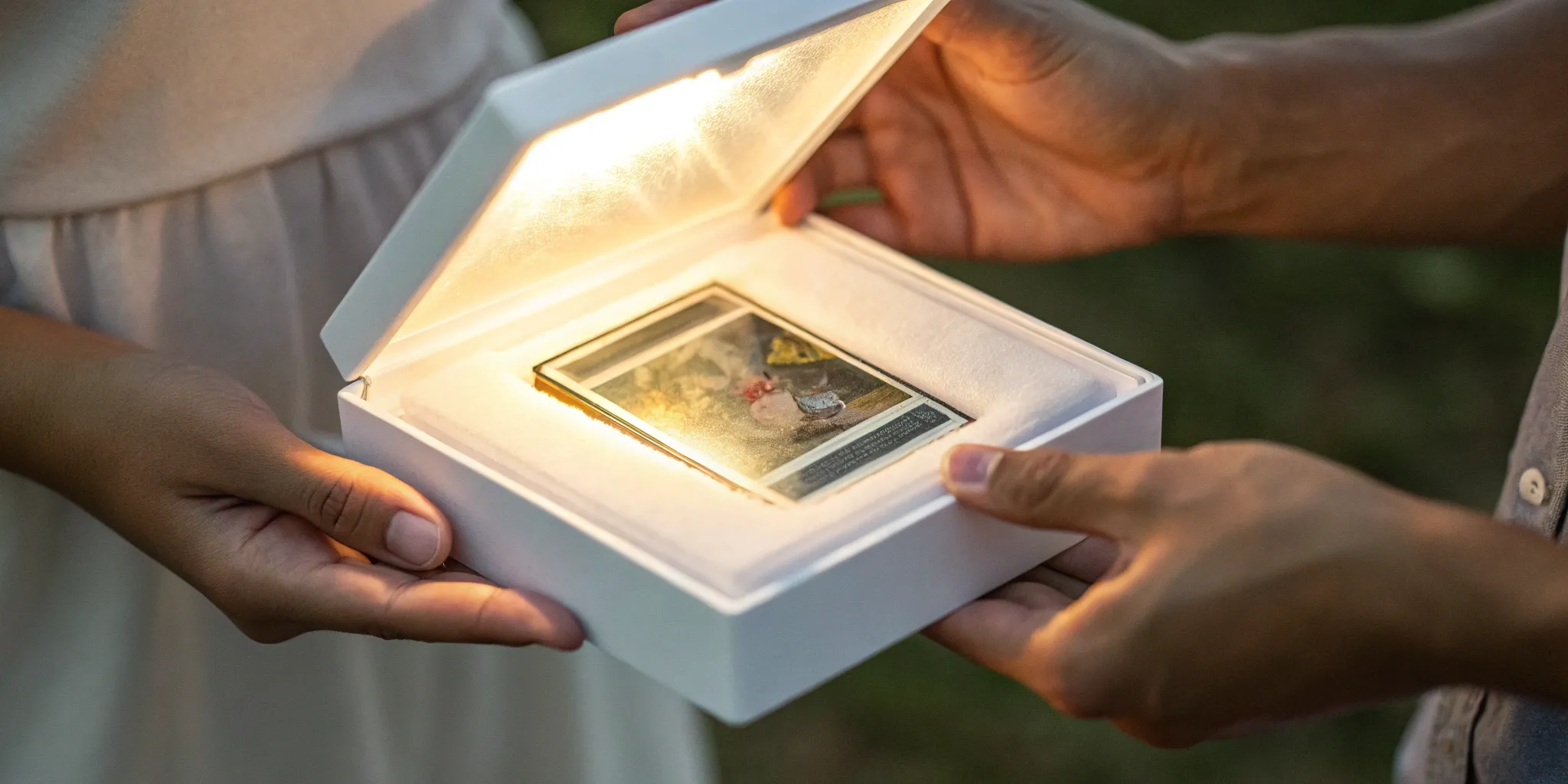
Buying a significant graded card feels a lot like buying a used car. You wouldn't purchase one without checking the vehicle history report, looking under the hood, and making sure you're getting a fair deal. The same level of care should apply when you're hunting for collectibles. The PSA slab is your certification, but it's still up to you to inspect the details and know the market. With so many PSA graded cards for sale online, having a personal checklist is essential. This article is that checklist. We'll cover how to verify authenticity, what affects a card's price, and how to spot red flags.
Key Takeaways
- Look beyond the grade to understand a card's true value: The number on the slab is crucial, but a card's rarity, the player or character's popularity, and current market trends are what truly determine its price.
- Vet the seller and the slab before you buy: Always research a seller's reputation and use PSA's online database to verify the certification number. A careful inspection of the physical case for scratches or tampering is just as important as looking at the card itself.
- Proper storage preserves your investment: The work isn't over once the card arrives. Storing your collection in a cool, dry place away from direct sunlight is essential for protecting the slab and the card inside from long-term damage.
What is a PSA Graded Card?
If you’re getting into the trading card scene, you’ll see the term “PSA graded” everywhere. So, what does it actually mean? Simply put, a PSA graded card is a collectible that has been professionally evaluated and authenticated by the Professional Sports Authenticator (PSA). Think of them as the most trusted experts in the hobby. They verify that a card is genuine and then assign it a grade based on its physical condition.
When you buy a PSA-graded card, it comes sealed in a protective, tamper-evident case, often called a "slab." This slab displays the card's official grade and a unique certification number. This process takes the guesswork out of buying cards online. You know you’re getting a legitimate item, and its condition has been professionally confirmed. For collectors, this assurance is everything. It provides a universal standard for quality, making it easier and safer to buy, sell, and trade valuable cards without having them in hand.
How the PSA Grading Process Works
The PSA grading process is incredibly thorough, which is why it’s the industry standard. When a card is submitted, experts conduct a multi-step examination. First, they verify the card's authenticity to ensure it’s not a counterfeit or reprint. Once confirmed, they meticulously inspect four key areas: centering, corners, edges, and surface. They look for perfect alignment, sharp corners, smooth edges, and a flawless surface free of scratches, stains, or print defects. Each of these factors plays a role in the final grade the card receives. This detailed authentication and grading service is what gives collectors confidence in the card's quality and value.
How a Grade Impacts a Card's Value
The grade a card receives from PSA has a massive impact on its market value. A higher grade means better condition, which almost always translates to a higher price. The difference can be staggering. For modern cards, receiving a perfect PSA 10 Gem Mint grade can make it sell for two to five times the price of an ungraded, or "raw," version of the same card. This premium exists because a high grade certifies the card is one of the best-preserved examples in existence. It removes subjectivity and provides a clear benchmark for its quality, making it a more desirable and reliable asset for serious collectors and investors.
Breaking Down the PSA 1-10 Scale
PSA uses a straightforward 10-point grading scale to rate the condition of each card. A PSA 10 is "Gem Mint," representing a virtually perfect card. This is the holy grail for most collectors, especially for modern cards. A PSA 9 is "Mint," still a top-tier card with only a minor flaw. As you go down the scale, the grades reflect more noticeable wear and tear. For example, a PSA 7 is "Near Mint," a card that looks great at first glance but has slight surface wear or lightly frayed corners visible upon closer inspection. Understanding this scale is key to knowing exactly what you're buying and what a card is truly worth.
Where to Buy PSA Graded Cards Online
Finding the perfect PSA graded card for your collection has never been easier, thanks to a variety of online platforms. Whether you're a seasoned collector or just starting, knowing where to look is the first step. Each site offers a different experience, from massive marketplaces to specialized auction houses and even digital pack openings. Let's walk through some of the best places to find authentic, high-quality graded cards so you can choose the right one for your collecting style.
Packz: Digital Mystery Packs, Physical Cards
If you love the excitement of opening a pack but want the assurance of a graded card, Packz offers a truly unique experience. You can buy and open digital mystery packs that contain real, professionally graded cards. Every card is verified for authenticity and condition, so you know you're getting the real deal. After the reveal, you have a choice: have the physical card shipped directly to you, or sell it back to Packz for 100% of its value in account credit. This buyback option lets you keep the fun going and open more packs to hunt for your grail card. It’s a modern, thrilling way to build your collection.
eBay
eBay is the original online giant for collectibles and remains one of the largest marketplaces for PSA graded cards. You can find almost anything here, from common cards to ultra-rare grails. The sheer volume can be overwhelming, but it also means there are great deals to be found. To narrow your search, look for reputable sellers with high ratings and detailed listings. Stores like Graded Sports Cards specialize in high-quality inventory and even have dedicated sections for PSA 10 Gem Mint cards, making it easier to find top-tier collectibles for your set.
COMC (Check Out My Cards)
Think of COMC as a massive, organized consignment shop specifically for trading cards. It’s a go-to platform for collectors who want to buy, sell, and trade with ease. You can browse a huge selection of cards, including a vast inventory of PSA graded options, and purchase them directly. One of the best features is the ability to buy from multiple sellers and have all your cards shipped together in one package, saving you time and money. It’s a streamlined way to manage and grow your collection without juggling dozens of different shipments.
Heritage Auctions
For those hunting for high-end, investment-grade cards, Heritage Auctions is a premier destination. This is where you’ll find rare and iconic cards that often break records. While they deal in all sorts of collectibles, their sports and trading card auctions are legendary. Buying from a reputable auction house like Heritage provides a high level of confidence in the authenticity and provenance of the items. It’s the ideal platform for serious collectors looking to acquire a true centerpiece for their collection, as their auctions feature some of the most sought-after cards in the hobby.
PWCC Marketplace
PWCC Marketplace is another powerhouse in the world of graded cards. It’s a trusted platform that caters specifically to the trading card community, offering a massive selection of PSA graded cards through both weekly auctions and fixed-price listings. Their user-friendly interface makes it simple to search for specific players, teams, or sets. PWCC is known for its high-quality imaging and detailed descriptions, giving you a clear look at what you’re buying. Many collectors rely on the PWCC Marketplace for its extensive inventory and secure, professional transaction process.
Cash Cards Unlimited
If you’re looking for a platform with a strong community vibe, check out Cash Cards Unlimited. They offer a diverse range of graded sports card slabs with perks like free shipping and cash on delivery options. What sets them apart is their focus on community engagement. They host a Discord server and live shopping events where you can connect with other collectors, discuss the latest news, and snag exclusive deals. It’s a great option if you enjoy the social aspect of the hobby and want to buy from a place that feels more like a local card shop than a massive, anonymous online marketplace.
How to Verify an Authentic PSA Card
Buying a PSA-graded card is an exciting step, but it’s smart to be cautious. The trading card market has its share of fakes and tampered cases. The good news is that PSA has several security features in place to protect buyers. When you know what to look for, you can feel confident that you’re getting an authentic, accurately graded card. It's not about being paranoid; it's about being an informed collector who protects their investment. A little due diligence goes a long way in ensuring your collection is filled with genuine treasures.
Think of this as your personal verification checklist. Running through these quick steps before you finalize a purchase can save you from a bad investment. It’s all about making sure the card you receive is the real deal, from the grade on the label to the plastic slab that protects it. These checks are simple, fast, and give you the peace of mind you need when adding a valuable card to your collection. We'll walk through exactly what to inspect so you can spot a fake and buy with confidence. From checking the certification number online to knowing the physical feel of a real slab, these tips will become second nature.
Check the PSA Certification Number
Every card graded by PSA is assigned a unique certification number. You can find this number printed on the card’s label. The easiest first step to verify a card is to look up this number in PSA’s official database. When you enter the number, the database should show you the card’s details, including its grade and other key information. If the information online doesn’t match the card in your hand, that’s a major red flag. This simple search is your first line of defense against counterfeit slabs.
Spot a Genuine PSA Slab and Label
Get familiar with the look and feel of a genuine PSA case. PSA encapsulates cards in a thick, tamper-evident case that is sonically sealed. It should feel sturdy and secure. The label inside the case also has specific security features. A modern PSA label, known as the LightHouse™ label, includes a holographic PSA logo that shifts and shines in the light. Counterfeiters often struggle to replicate these details, so any smudged text, low-quality holograms, or flimsy-feeling cases are clear warning signs that something is wrong.
Know the Red Flags
Trust your gut. If a price for a high-grade card seems way too low, it’s worth a second look. While some cards with minor, well-known printing errors can still receive a PSA 10, be skeptical of cards with obvious flaws that don’t match their high grade. It’s also crucial to research who you’re buying from. A common mistake is trusting a new or unverified seller without doing any background research. Check reviews, ask for references, and be wary of anyone who is hesitant to provide more photos or answer your questions.
What Affects a PSA Graded Card's Price?
Figuring out the price of a PSA graded card is more of an art than a science. While the grade itself is a huge piece of the puzzle, it’s far from the only one. A card's value is a dynamic mix of its rarity, the grade it received, current market buzz, and the popularity of the player or character on it. Think of it like a recipe—all the ingredients have to work together to create the final price.
For collectors, understanding these factors is key to making smart purchases and building a valuable collection. It helps you spot a good deal, recognize when a card might be overpriced, and appreciate the story behind the slab. A PSA 10 of a common player might be worth less than a PSA 7 of a legendary rookie card. Why? It all comes down to the interplay of the four key elements we’re about to break down. Getting a handle on these will help you look beyond the grade and see the card's true market value.
Card Rarity and Population
First up is the classic rule of supply and demand. A card’s rarity—whether it’s a short print, a special insert, or a 1-of-1 parallel—plays a massive role in its value. But in the world of graded cards, we also look at the “population.” The PSA Population Report tells you exactly how many copies of a specific card have received a certain grade. A card with a low population, especially in a high grade like a PSA 10, is naturally scarcer. If that card is also highly sought after, its price will reflect that rarity. A low-pop card is the collector's equivalent of finding a hidden gem.
The Grade's Impact on Value
The grade is often the first thing collectors look at, and for good reason. A high grade authenticates the card's condition and can dramatically increase its worth. For modern cards, a PSA 10 Gem Mint grade can make a card sell for two to five times the price of its ungraded, or "raw," counterpart. The jump between grades can be steep, especially the leap from a PSA 9 to a PSA 10. However, it's a common misconception that the grade alone determines the price. A high grade on an overproduced, common card won't magically make it a treasure. The grade amplifies the card's inherent value; it doesn't create it out of thin air.
Market Demand and Trends
The trading card market is alive and always changing. Prices can swing based on what’s currently hot with collectors. For sports cards, values often fluctuate with the seasons; a player’s cards might spike during a playoff run or after a record-breaking performance. Pokémon cards can see similar trends, with interest in certain sets or characters surging due to new game releases or nostalgia. Hype can be a powerful market driver, so it’s always a good idea to pay attention to current trends. This helps you understand if a card's high price is due to sustainable demand or a temporary bubble.
Player and Sport Popularity
This might seem obvious, but it’s a fundamental factor: who is on the card? A rookie card of a Hall of Fame athlete like Michael Jordan or a fan-favorite Pokémon like Charizard will almost always command a higher price than a common card from the same set. A player's legacy, their performance, and even their popularity off the field contribute to their card's value. This is why you’ll often see collectors chasing cards of the all-time greats or the hottest new rookies. The more iconic the subject, the more people will want the card, keeping demand—and prices—consistently high for years to come.
What to Expect with Shipping and Returns
Once you’ve found the perfect PSA graded card and clicked the “buy” button, the next phase begins: waiting for it to arrive. This can be the most nerve-wracking part of the process, but knowing what to expect from a seller’s shipping and returns process can give you peace of mind. Think of these policies as part of the product itself. A reputable seller understands that their job isn’t done until the card is safely in your hands, in the exact condition that was advertised.
Before you commit to a purchase, take a few minutes to investigate the seller’s logistics. How do they ship their cards? Do they offer insurance? What’s their policy if something goes wrong or if the card isn’t what you expected? These details are a huge indicator of a seller’s professionalism and commitment to customer satisfaction. A seller with clear, fair, and detailed policies is telling you they stand behind their products and value your business. Vague or non-existent policies, on the other hand, can be a red flag. Getting this right ensures your new investment is protected from the moment it leaves the seller until it finds its new home in your collection.
Shipping and Insurance Options
When you’re buying a valuable collectible, standard shipping in a plain envelope just won’t cut it. Your first priority is ensuring the card is shipped with tracking. This allows you to follow its journey and provides proof of delivery. Beyond that, shipping insurance is your most important tool for protection. While it might add a few dollars to the total cost, it’s a small price to pay for security. Insurance protects you against the package being lost or damaged in transit, which, while rare, can happen. For any card of significant value, consider insurance a non-negotiable part of the deal.
Many online stores prioritize quick and safe shipping because they know how important it is to collectors. Look for sellers who offer multiple shipping tiers, allowing you to choose the right balance of speed, cost, and security for your purchase. Paying a little extra for a service like USPS Priority Mail or UPS often includes some baseline insurance and more robust tracking, giving you an added layer of confidence.
Understanding Return Policies
Before you finalize a purchase, always read the seller’s return policy. This is your safety net if the card that arrives isn’t what you expected. Maybe the slab has a scratch you didn’t see in the photos, or perhaps you feel the card was misrepresented. Return policies can vary dramatically from one seller to another. Some offer a 14- or 30-day return window, while others state that all sales are final. Understanding these terms upfront prevents any surprises later.
A clear and fair return policy is a hallmark of a trustworthy seller. It shows they are confident in the quality and accuracy of their listings. Some sellers may charge a restocking fee for returns, so be sure to check for that in the fine print. It’s also a good sign when a seller not only sells cards but also buys them from customers. This often means they have a solid understanding of the market and are invested in maintaining a positive reputation with collectors.
Why Protective Packaging Matters
The journey from the seller to your mailbox is the most perilous part of a card’s life. Proper packaging is the only thing standing between your pristine graded card and potential disaster. A professional seller will never just drop a slab into a flimsy mailer. At a minimum, the card should be in a padded bubble mailer, but a sturdy box is always better for high-value cards. The slab itself should be secured so it can’t slide around and get damaged during transit.
Look for sellers who take the time to sandwich the slab between pieces of cardboard or wrap it in bubble wrap. This attention to detail is crucial. PSA itself sets a high standard for security with its unopened pack grading, where packs are sealed in tamper-evident cases. This industry focus on security should extend to shipping. When your card arrives, you want to see that the seller took the same level of care to protect it on its way to you.
How to Avoid Common Buying Mistakes
The thrill of finding that perfect card for your collection is what makes this hobby so exciting. But a little due diligence goes a long way in making sure your new prized possession is everything you hoped for. A few smart checks can save you from buyer’s remorse and ensure you’re making a sound investment. Let’s walk through some common mistakes and how you can easily sidestep them.
Vet Your Sellers
The single most important step you can take is to know who you’re buying from. As one collector put it, trusting the wrong dealers is one of the easiest mistakes to make. Before you hit "buy," do a quick background check. Look at the seller’s history, read reviews from other buyers, and check their ratings on platforms like eBay. Reputable sellers build their businesses on trust and transparency. If you’re buying from a platform like Packz, the vetting is already done for you, so you can focus on the fun part. For private sales, don’t be afraid to ask questions or request more photos. A trustworthy seller will have no problem providing what you need to feel confident in your purchase.
Look Beyond the Grade
A PSA 10 is the gold standard, but it’s crucial to remember that not all gems are created equal. The grade is a critical piece of the puzzle, but it isn't the whole picture. Minor printing errors, for example, can sometimes still exist on a card that receives a PSA 10. Always examine high-resolution photos of the card you’re buying. Pay close attention to the centering, print quality, and overall eye appeal. Two cards with the same grade can look surprisingly different side-by-side. Taking the time to understand grading standards will help you train your eye to spot the subtle details that make a card truly stand out.
Inspect the Case, Not Just the Card
The PSA slab is more than just a protective case; it’s part of the collectible. Always inspect the condition of the slab itself. Scratches, scuffs, or cracks can not only detract from the card's overall presentation but can also affect its value. It can also be deceiving—as one collector noted about a scratch, "it looks clearly to me like it's on the card" when it was actually on the case. Ask for pictures of the slab from multiple angles if the listing isn’t clear. You should also check for any signs of tampering. The official PSA slab has specific security features, and any evidence of frosting or separation along the edges could be a major red flag that the case has been compromised.
Always Compare Prices
Before you pull the trigger on a purchase, do a quick market check. Prices for graded cards can fluctuate based on player performance, market trends, and overall demand. A great way to get a feel for a card’s current value is to look up its recent sales history. You can use tools like eBay's sold listings or check auction house results to see what similar cards in the same grade have sold for. This simple step helps you avoid overpaying and ensures you’re getting a fair price. Taking a few minutes to compare prices gives you the confidence that you’re not just buying a card you love, but you’re also making a smart financial decision.
How to Protect Your Investment
Getting your hands on a high-grade PSA card is an incredible feeling. Whether it’s a rookie card you’ve been chasing for years or a rare Pokémon card you pulled from a Packz mystery pack, that slab represents a significant investment of time and money. But the journey doesn’t end with the purchase. Protecting that investment is crucial for maintaining its value and condition for years to come.
Think of it like owning a classic car; you wouldn’t leave it out in the rain. The same principle applies to your graded cards. The plastic slab offers great protection, but it isn’t indestructible. Environmental factors, improper storage, and careless handling can all damage the case and, in worst-case scenarios, the card inside. Taking a few simple, proactive steps will ensure your collection stays in pristine condition, preserving its value whether you plan to sell it down the road or pass it on to the next generation. It’s all about creating a safe environment where your cards can thrive.
Store Your Cards Correctly
Where you keep your cards matters just as much as how you handle them. The biggest enemies of any collection are direct sunlight, humidity, and extreme temperature changes. Storing your cards in a cool, dry, and dark place is the first rule of thumb. For organizing a larger collection, specialized binders for graded cards are an excellent solution, as they allow for easy viewing and systematic organization. If you have a few standout cards you want to show off, consider a display case with UV-protective glass. For your most valuable pieces, a fireproof safe provides the ultimate peace of mind against unforeseen disasters.
Handle Your Cards with Care
Even though your card is sealed in a durable PSA slab, the case itself can get scratched, scuffed, or covered in fingerprints, which takes away from the viewing experience. Always handle your slabs by the edges to avoid smudging the front and back. When it’s time for a cleaning, a simple microfiber cloth works wonders. Some collectors even swear by using soft, lint-free wipes, like sunglasses wipes, for a streak-free shine. A quick wipe-down can make the card’s colors and details pop, keeping your collection looking sharp and display-ready. Just be gentle to avoid creating micro-scratches on the plastic.
Preserve Your Card's Long-Term Value
The PSA slab is more than just a case; it’s a key part of your card’s value. PSA encapsulates each card in an extra-thick, sonically sealed, and tamper-evident holder designed for long-term security and protection. This specialized case is your card’s armor. A cracked, chipped, or heavily scratched slab can hurt the card’s resale value, as potential buyers might worry that the card itself has been compromised. Keeping the slab in mint condition is almost as important as the grade on the label. For exceptionally valuable collections, you might also consider getting your cards insured for added financial protection.
Related Articles
Frequently Asked Questions
Is it worth getting my own cards graded by PSA? That really depends on the card and your goals. Grading is an investment of both time and money, so you want to be strategic. Before submitting a card, look up what it sells for ungraded (or "raw") and compare that to the prices for different PSA grades. If a high grade would significantly increase its value well beyond the grading fee, it's a great candidate. It’s also a fantastic way to authenticate and preserve a card that has personal value to you, even if it isn't a high-dollar grail.
What’s the real difference between a PSA 9 and a PSA 10? The difference between a Mint 9 and a Gem Mint 10 is often microscopic. A PSA 9 is a stunning card that looks perfect to the naked eye, but under close inspection, it might have a tiny imperfection. This could be a minuscule printing dot, a very slight off-centering, or one corner that isn't perfectly sharp. A PSA 10, on the other hand, is virtually flawless in every way—perfect centering, sharp corners, and a clean surface. That small step from near-perfect to perfect is what creates the significant price jump you often see between the two grades.
Why would I open a mystery pack on Packz instead of just buying the card I want on eBay? Choosing between Packz and a marketplace like eBay comes down to the kind of experience you're looking for. Buying on eBay is great when you have a specific card in mind and you want to find it directly. Packz is for collectors who love the thrill of the hunt and the surprise of opening a pack. It combines that classic excitement with the modern assurance that every card you can possibly pull is already graded and authentic. Plus, the buyback option lets you easily turn cards you don't want into more packs, keeping the fun going.
Is a rare card with a low grade more valuable than a common card with a high grade? In almost all cases, yes. Rarity is one of the most powerful factors in a card's value. Think of it this way: there might be thousands of a common player's card in perfect PSA 10 condition, but there may only be a handful of a legendary player's rookie card in existence, even in a lower grade. That scarcity makes the rare card far more sought-after by serious collectors. The grade is important, but it mostly enhances a card's inherent value, which is largely driven by its rarity and the popularity of its subject.
How can I be sure a PSA slab isn't fake? While counterfeit slabs exist, they are much easier to spot when you know what to look for. The single most effective tool at your disposal is the certification lookup on PSA’s website. Every official PSA label has a unique number. Simply type that number into their database, and it should pull up the exact card and grade. If the information online doesn't match what you see, that's a major red flag. Also, familiarize yourself with the feel of a real slab—they are sturdy, sonically sealed, and have a high-quality holographic label.
Recommended Reading
Cash for Graded Sports Cards: The Fastest Ways to Sell
Get cash for graded sports cards faster. Compare auction houses, marketplaces, and instant buyback options to pick the route that fits your timeline.
How to Compare Value in Sports Card Packs
Learn how to compare sports card packs using card quality, available pulls, pricing clarity, and Packz’s 100% buyback option.
How to Buy Pokemon Packs Online for Ripping
Ready to buy pokemon packs online for ripping? Get transparent pack value and clear pull odds so you never overpay for the thrill of the hunt. Start collecting safely.