
June 9, 2026
Where to Find PSA 10 Pokémon Cards for Sale Near Me
Find trusted sources for PSA 10 Pokémon cards for sale near me, with tips on spotting authentic cards and choosing reputable sellers for your collection.
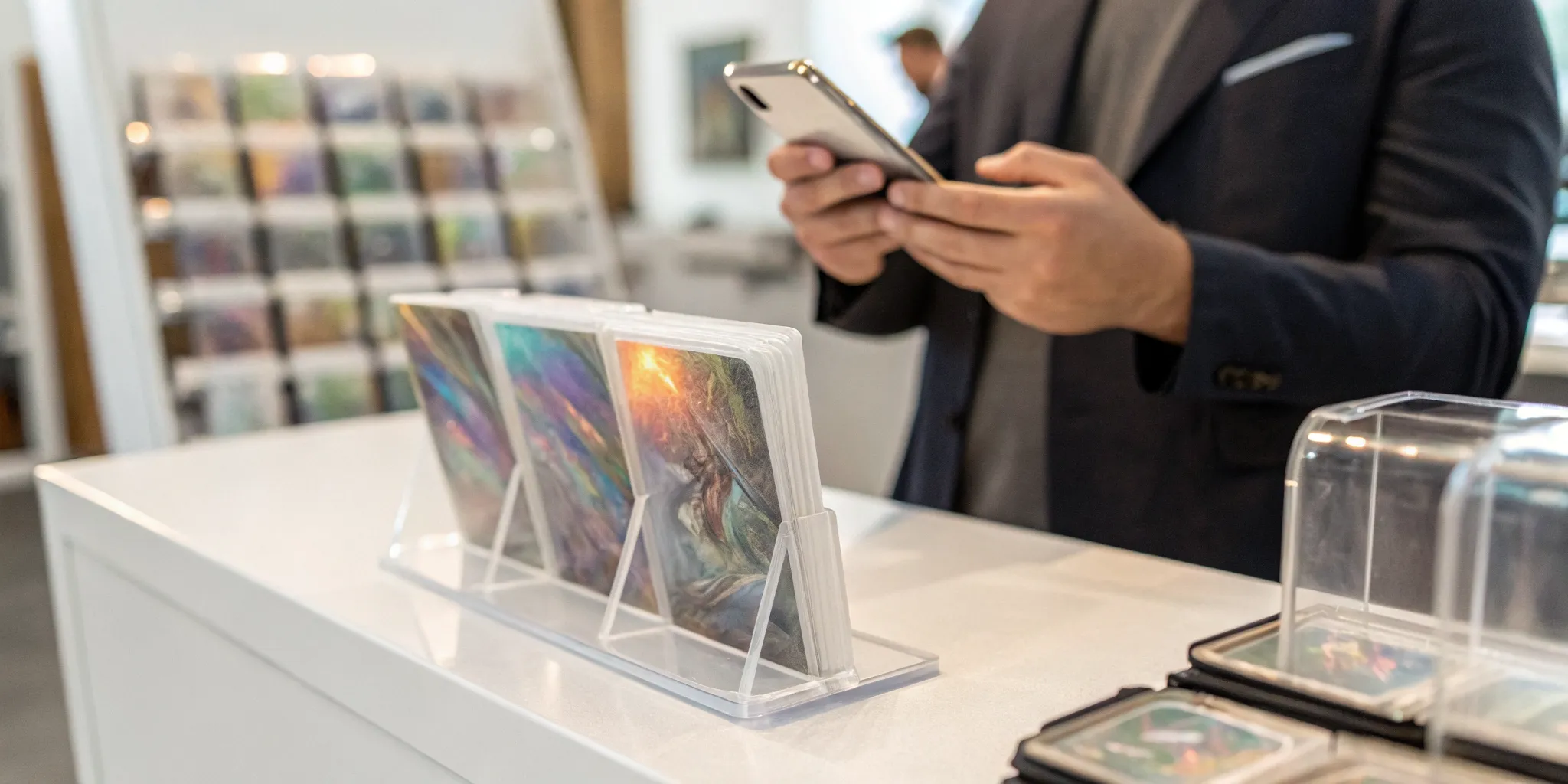
There are two kinds of thrills in the Pokémon card world: the slow-burn satisfaction of the hunt and the instant adrenaline rush of a great pull. For some, the ultimate high comes from finally tracking down a card after searching for “PSA 10 Pokémon cards for sale near me” and visiting every shop in town. For others, it’s all about the mystery of an unopened pack. What if you could combine the best of both? This guide will walk you through the traditional ways to find and buy top-graded cards, but it will also show you a more exciting path—one where every click could reveal a gem mint treasure, letting you experience that pack-opening magic over and over again.
Key Takeaways
- A PSA 10 is the peak, not absolute perfection: A Gem Mint 10 grade means a card is virtually perfect, but it doesn't mean it's flawless. PSA's standards allow for very minor printing imperfections, so focus on finding a card with great eye appeal instead of chasing an impossible ideal.
- Verification is your most important step: Before you buy, always use the tools at your disposal. Check the card's certification number on PSA's website, carefully inspect the slab for tampering, and read seller reviews to confirm you're dealing with someone trustworthy.
- Value is more than just the grade: The "10" on the slab is just the starting point. A card's true market value also depends on its rarity (population), the character's popularity, and recent sales data. Researching these elements helps you pay a fair price and make smarter collection choices.
What Is a PSA 10 Pokémon Card?
If you’ve spent any time in the Pokémon card community, you’ve probably heard the term “PSA 10.” It’s the gold standard, the holy grail of card conditions. A PSA 10 Pokémon card is one that has been graded by Professional Sports Authenticator (PSA) and awarded the highest possible score: Gem Mint 10. This grade signifies a card that is virtually perfect in every way.
Think sharp corners, clean edges, and a flawless surface, with the original gloss intact. While a PSA 10 is considered the pinnacle of quality, it’s helpful to know that even these cards can have a very minor printing imperfection and still receive the top grade. For collectors and investors, the PSA 10 grade provides assurance that they are getting a card in the best possible condition. It removes the guesswork and subjectivity of evaluating a card’s quality yourself, which is why these cards are so highly sought after. The official PSA grading standards provide a detailed breakdown of what their experts look for during the evaluation process.
Understanding the PSA Grading Scale
The PSA grading scale is a 10-point system that has become the industry benchmark for trading cards. A card graded PSA 1 is considered "Poor," while a PSA 10 is "Gem Mint." What makes PSA's system distinct from some other grading companies, like BGS or CGC, is its simplicity. PSA provides a single, definitive grade for the entire card. They don't give out sub-grades for individual attributes like centering, corners, edges, and surface.
This straightforward approach is one of the reasons many collectors prefer PSA. A "10" is a "10," period. It makes understanding a card's quality and value easy and direct. This clarity has helped establish deep trust in the PSA grade within the collecting community, making it a go-to for anyone serious about buying or selling high-quality Pokémon cards.
Why Are PSA 10s So Valuable?
The value jump between an ungraded, or "raw," card and a PSA 10 version can be staggering. It’s not uncommon for a Gem Mint 10 to be worth many times more than its raw counterpart. But why? The value comes from trust and scarcity. When you buy a PSA 10, you’re not just buying a piece of cardboard; you’re buying the certainty that comes with a professional, third-party verification of its pristine condition. This grade protects your investment and makes the card easier to sell later.
Furthermore, achieving a PSA 10 grade is incredibly difficult. The card must have survived the printing, cutting, packing, and shipping process without a single notable flaw. For vintage cards, the journey is even more perilous. This rarity, combined with high collector demand, drives the price up, turning some PSA 10 cards into serious investment pieces.
PSA 10 vs. PSA 9: Is It Worth the Extra Cost?
The difference between a PSA 9 (Mint) and a PSA 10 (Gem Mint) can be nearly invisible to the naked eye. A PSA 9 is still a gorgeous, high-grade card that will be a centerpiece in most collections. The main difference often comes down to a tiny, almost microscopic, imperfection. So, is the price premium for a PSA 10 worth it? The answer depends on your goals as a collector.
For modern cards, which are printed with better technology, the population of PSA 10s is often much higher. This means the price gap between a 9 and a 10 might be smaller. For vintage cards, a PSA 10 is exceptionally rare, and the price will reflect that. Many collectors see PSA 9s as a smart "value" purchase, while PSA 10s are for those who want the absolute best of the best.
Where to Buy PSA 10 Pokémon Cards
Once you’re ready to add a PSA 10 to your collection, you have a few different paths you can take. Each option offers a unique buying experience, from the thrill of a local hunt to the convenience of online shopping. Finding the right place to buy depends on your personal style, whether you enjoy digging for treasure or prefer a straightforward purchase.
Local Card Shops
Your neighborhood card shop can be a gold mine for finding PSA 10 Pokémon cards. The biggest advantage here is getting to see the card in person before you buy. You can inspect the slab for any scratches and get a real feel for the card. The staff are usually collectors themselves and can offer great advice. Many local shops are also PSA authorized dealers, which adds another layer of trust to your purchase. While their inventory might be smaller than a huge online store, you can sometimes find hidden gems and build relationships with other local collectors. It’s always worth a visit to see what they have behind the counter.
Card Shows and Conventions
If you enjoy a high-energy environment, attending a card show is an incredible way to find PSA 10s. These events bring together dozens of vendors under one roof, creating a massive marketplace for graded cards. You can find a card show near you by checking online calendars, which list events happening all over the country. At a show, you’ll find an amazing variety of Pokémon cards and have the opportunity to talk directly with sellers. This is also a great chance to network with other enthusiasts and maybe even trade for that card you’ve been hunting. Don’t be afraid to compare prices between vendors to get a fair deal.
Major Retailers
For a more predictable and streamlined shopping experience, several major online retailers specialize in graded cards. Stores like Dave & Adam's Card World are known for their extensive inventory of "slabs," or graded cards. Buying from an established retailer provides a sense of security, as they have a reputation to uphold and typically offer clear return policies. While you won’t get the in-person thrill of a card show, the convenience of browsing thousands of cards from your couch is hard to beat. It’s a reliable option for finding specific PSA 10s you want to add to your collection.
Top Online Spots for PSA 10 Cards
The internet is your best friend when you're on the hunt for PSA 10 Pokémon cards. It connects you to a global market of sellers, giving you access to a massive inventory that you just won’t find locally. This means you have a much better chance of tracking down that one specific card you need to complete your collection.
Whether you enjoy the thrill of a surprise or prefer to search for a specific card, there's an online spot that fits your style. From innovative platforms that turn collecting into a game to massive marketplaces and curated specialty shops, you have plenty of options. Let's look at some of the best places to find and buy PSA 10 Pokémon cards online, each offering a slightly different experience.
Packz
If you love the excitement of opening packs but want the chance to pull a graded card, Packz offers a unique and modern approach. Instead of buying a single card, you purchase digital mystery packs that could contain anything from vintage classics to modern hits, all professionally graded. The real fun is in the reveal; you never know when you might pull a PSA 10. After you open a pack, you can have the physical cards shipped directly to you or sell them back instantly for account credit. This lets you keep the fun going and open more packs. We also believe in transparency; while a PSA 10 is the highest grade, it's good to know that even these cards can have very minor printing imperfections under PSA's official standards.
eBay
As one of the world's largest online marketplaces, eBay is a go-to destination for almost any collectible, and PSA 10 Pokémon cards are no exception. The sheer volume of listings means you can find just about any card you can imagine. To buy with confidence, look for listings that include eBay's Authenticity Guarantee. With this service, the card is sent to an independent authenticator for verification before it gets to you, adding a crucial layer of security to your purchase. For an even more direct source, you can check out PSA's official eBay account, where they list a variety of newly graded cards. It's a fantastic platform for collectors who enjoy the thrill of the hunt.
TCGPlayer
TCGPlayer is a massive online marketplace built by and for trading card game fans. It's a trusted name in the community, known for its reliable sellers and accurate product listings. When you're looking for graded cards, TCGPlayer is a solid choice because its sellers understand the nuances of card condition and grading. The platform's standards align with what collectors expect from a top-tier card; a PSA 10 card is defined as a virtually perfect card with sharp corners, clean surfaces, and excellent centering. This shared understanding of quality makes it a dependable place to find high-grade cards without having to sift through as many questionable listings.
Specialized Online Retailers
For a more curated shopping experience, specialized online retailers are an excellent option. Shops like Skybox Collectibles focus specifically on high-quality collectibles, including a hand-picked selection of graded Pokémon cards. The main advantage here is that these retailers have already done the work of sourcing and vetting the cards. You’re browsing a collection that is intentionally chosen for its quality and desirability. This is a great route for serious collectors who know what they want and prefer to deal with sellers who are experts in the field. You’ll often find rare and high-value cards that are harder to come by on larger platforms.
How to Verify a PSA 10 Card Is Authentic
Finding that perfect PSA 10 card is a huge win, but the excitement can quickly fade if you discover you’ve bought a fake. Protecting your investment starts with knowing how to verify that the card and its grade are the real deal. It might seem like a lot to check, but once you know what to look for, you can shop with confidence. Think of it as your collector’s toolkit for making smart purchases. These simple steps will help you distinguish a genuine gem from a clever counterfeit, ensuring your collection is filled with authentic, high-quality cards.
Check the PSA Certification Number
This is your first and most important step. Every PSA-graded card has a unique certification number on its label. Before you even think about buying, you need to take that number and run it through PSA’s official verification database. When you enter the number, the database should pull up the exact card you’re looking at: the same Pokémon, the same set, and the same grade. If the online record shows a different card or doesn't exist at all, that’s a major red flag. Some counterfeiters use real cert numbers on fake slabs, so also make sure the card in the listing photo matches the image in the PSA database, if one is available.
Inspect the Slab and Label
Once the cert number checks out, it’s time to examine the physical case, or "slab." A genuine PSA slab is sturdy and sonically welded shut. Look for any signs of tampering, like cracks, unusual frosting along the edges, or looseness, which could mean someone tried to open it to swap the card. Next, look closely at the label itself. The printing should be sharp and clear, not blurry or pixelated. PSA has updated its labels over the years to include security features like holograms and watermarks. Familiarize yourself with what a real label from that era should look like. A sloppy label or a damaged slab is a strong indicator that you should pass.
Spotting Red Flags in a Listing
Your gut instinct is a powerful tool, especially when it comes to online listings. If a price seems way too good to be true, it almost certainly is. No one is selling a legitimate PSA 10 Base Set Charizard for a few hundred dollars. Be wary of sellers who use blurry photos or refuse to provide more pictures when you ask. A trustworthy seller will be proud to show off their card from every angle. Also, check their reviews and selling history. A brand new account with no feedback selling high-value cards is a common red flag. Learning to spot fake cards is a skill that will serve you well throughout your collecting journey.
How to Price a PSA 10 Pokémon Card
Figuring out the right price for a PSA 10 card can feel like a moving target, but it doesn't have to be a mystery. Whether you're looking to buy your grail card or sell a recent pull, understanding a card's true market value comes down to a few key factors. By looking at rarity, population data, and recent sales, you can get a clear picture of what a card is worth. This helps you make your next move with confidence, ensuring you get a fair price every time.
Consider the Card's Rarity and Popularity
Not all PSA 10s are created equal. A card’s value is heavily tied to its rarity and the character's popularity. For example, vintage cards with low PSA 10 populations continue to command the highest prices. A first-edition Charizard is in a different league than a modern common card, even if both are graded PSA 10. The Pokémon featured on the card also plays a huge role. Fan favorites like Pikachu, Charizard, and Blastoise almost always generate more demand, which drives up their value. When you’re pricing a card, always start by assessing its place in the overall Pokémon TCG world.
Check the Population Report
The PSA Population Report is one of your most powerful tools for pricing. This report tells you exactly how many copies of a specific card have received a particular grade. A low "pop" count for a PSA 10 means very few exist, making it significantly more valuable. You can use a resource like GemRate to check grading and population trends. Keep in mind that this number can change. Each new PSA 10 added to the population can affect pricing dynamics, so it’s a good idea to check the report regularly if you’re tracking a specific card. A low and stable population is often a sign of a solid long-term value.
Research Recent Sold Prices
Asking prices are one thing, but what people actually pay is what truly matters. To get the most accurate valuation, you need to research recently sold listings. This data shows the current market trend and prevents you from overpaying or underpricing. The massive price gap between a PSA 9 and a PSA 10 on a rare card is a perfect example of why this matters. You can check sold prices on eBay by using the "Sold Items" filter in the advanced search. This simple step gives you real-world data, showing you what a card is worth in today's market, not what a seller hopes to get for it.
Common Myths About PSA 10 Cards
When you're hunting for high-value cards, you'll hear a lot of opinions about what makes a card worth collecting. The PSA 10 grade is often seen as the ultimate prize, but it's surrounded by a few common myths. Let's clear up some of the biggest misconceptions so you can approach collecting with confidence. Understanding these nuances is key to building a collection you love and making smart decisions, whether you're buying, selling, or trading.
Myth: A PSA 10 Card Is Flawless
It’s easy to assume that a Gem Mint 10 grade means a card is absolutely perfect, without a single flaw. In reality, that’s not quite the case. A PSA 10 is the highest grade a card can receive, but it doesn't signify perfection. PSA's own grading standards allow for very minor printing imperfections or a tiny bit of off-white on the back. Think of it as a card that is virtually perfect to the naked eye. So, while a PSA 10 is the best of the best, it’s important to remember that it can still have minuscule issues that don't detract from its overall gem mint quality.
Myth: Every PSA 10 Is a Smart Investment
Just because a card has a PSA 10 label doesn't automatically make it a golden ticket. While a high grade certainly adds value, not every PSA 10 will guarantee a great return. The card's long-term value also depends on its rarity, the character's popularity, and overall market demand. Some collectors even point out that grading companies have an incentive to assign higher grades, as it can justify higher fees. Always do your own research on a card's history and population before assuming its grade alone makes it a surefire investment.
Myth: The Grade Is the Only Thing That Matters
Focusing only on the number in the top corner of the slab is a common rookie mistake. While the grade is a crucial piece of information, it isn't the only thing that gives a card value. Many experienced collectors live by a simple mantra: buy the card, not the grade. Two PSA 10s of the same card can look very different. One might have perfect centering and vibrant colors, while another might be slightly off-center. Ultimately, your personal connection to the card and its eye appeal should play a big role in your decision. A beautiful PSA 9 might bring you more joy than a less appealing PSA 10.
How to Choose a Reputable Seller
Finding that perfect PSA 10 card is a thrill, but the last thing you want is to end up with a fake or a damaged slab. Taking a few extra minutes to vet the seller and the listing can make all the difference. It’s about protecting your investment and ensuring you get exactly what you paid for. A little due diligence goes a long way in the world of card collecting, giving you peace of mind with every purchase.
Look at Seller Reviews and Buyer Protection
Before you commit to a purchase, always check the seller's reputation. Think of it as getting a reference. Scour their reviews and ratings to see what other buyers have experienced. Consistent positive feedback is a great sign that the seller is reliable and their products are as described. On the flip side, a string of negative comments is a major red flag. I also recommend sticking to platforms that offer strong buyer protection. This acts as your safety net, giving you a way to get your money back if the card isn't authentic or arrives damaged. Many collectors share tips on where to buy PSA 10s safely and which sellers have earned their trust.
Learn to Spot Dishonest Listings
Knowing how to spot a shady listing is a skill every collector should have. First, always verify the card's certification number. Every PSA slab has a unique number you can look up on the official website to confirm its authenticity. Make sure the card in the database matches the one in the listing. Next, carefully inspect the slab itself for any cracks, chips, or signs of tampering. The PSA label also has security features, like a hologram, that can be hard to fake. Some collectors even use a small blacklight to check for these features. Finally, look at the card's centering and overall condition through the case to ensure it matches the high standards of a PSA 10 grade.
Is There a Smarter Way to Get Graded Pokémon Cards?
Hunting for a specific PSA 10 card can feel like a full-time job. You scroll through endless listings, compare prices, and cross your fingers that the seller is legit. While buying singles is the most direct route, it’s not the only one. Thinking "smarter" about how you acquire graded cards can mean finding better deals, ensuring authenticity, or even making the process more exciting. For many collectors, a secure purchase is a smart purchase. Using platforms like eBay is a popular choice, especially when you stick to sellers who use the platform's authenticity guarantee. This service adds a layer of verification, where an expert checks the card before it ever gets to you.
If you prefer to see cards in person, attending local card shows is a fantastic strategy. You can inspect the slab up close and often negotiate a better price directly with the seller. For online shoppers who want a more curated experience, specialized retailers are a great alternative. Stores like Cash Cards Unlimited focus specifically on graded Pokémon cards, or "slabs," so you know you’re browsing a quality selection. Many of these sites also offer perks like free shipping, which can make a real difference in the final cost.
But what if the "smarter" way was also the most thrilling? Instead of buying a single card, you can experience the excitement of the chase by opening mystery packs that contain graded cards. At Packz, every pack gives you a shot at pulling a high-value graded Pokémon card. It combines the fun of opening packs with the security of getting a professionally graded item. Plus, if you pull a card that isn’t quite right for your collection, you can sell it back instantly and use the credit to open another pack. It’s a strategic way to hunt for grails while enjoying every step of the process.
Related Articles
Frequently Asked Questions
What's the real difference between a PSA 9 and a PSA 10? The difference often comes down to a tiny imperfection that you might not even notice without very close inspection. A PSA 9 is a mint card and a fantastic piece for any collection. A PSA 10 is considered gem mint, which is as close to perfect as a card can get, though it may still have a very minor printing flaw. For many collectors, a PSA 9 offers great value, while a PSA 10 is for those who want the absolute highest standard.
Why does a PSA 10 grade make a card so much more expensive? The high price comes from a combination of trust and scarcity. Getting a PSA 10 grade is extremely difficult, especially for older cards, so there are very few of them in existence. When you buy a PSA 10, you are paying for the certainty that the card is in the best possible condition, verified by a trusted third party. This rarity and guaranteed quality create high demand from collectors, which in turn drives up the price.
Is it actually safe to buy a PSA 10 card online? Yes, it can be very safe if you know what to look for. Always start by checking the seller's reviews and history. A reputable seller will have a long track record of positive feedback. Before buying, use the certification number on the card's label to verify it in PSA's official database. Also, stick to platforms that offer buyer protection, which gives you a way to get your money back if something goes wrong.
Can a card get damaged inside the PSA case? The hard plastic case, or slab, is designed to be very durable and protect the card from most common damage. The card is held securely inside. However, the slab itself is not indestructible. A hard drop could crack the case, and storing it in direct sunlight for a long time could potentially affect the card. It is also possible for the card to shift slightly inside the case, but this is uncommon and usually does not cause damage.
Is it better to buy a PSA 10 outright or try to get one by grading my own cards? This depends on your goals and your tolerance for risk. Buying a PSA 10 outright gives you a guaranteed result; you know exactly what you are getting. Trying to grade your own cards can be a rewarding process, but it is also a gamble. There is no guarantee that a card you think is perfect will receive a 10. For many, buying a card that is already graded is the more straightforward and predictable path.
Recommended Reading
Cash for Graded Sports Cards: The Fastest Ways to Sell
Get cash for graded sports cards faster. Compare auction houses, marketplaces, and instant buyback options to pick the route that fits your timeline.
How to Compare Value in Sports Card Packs
Learn how to compare sports card packs using card quality, available pulls, pricing clarity, and Packz’s 100% buyback option.
How to Buy Pokemon Packs Online for Ripping
Ready to buy pokemon packs online for ripping? Get transparent pack value and clear pull odds so you never overpay for the thrill of the hunt. Start collecting safely.