
August 5, 2026
Packz vs Whatnot: Which Mystery Pack Platform Is Better?
Start with Packz vs Whatnot, the comparison that shows how transparent pack value, curated packs, and a 100% instant buyback change the mystery pack experience.
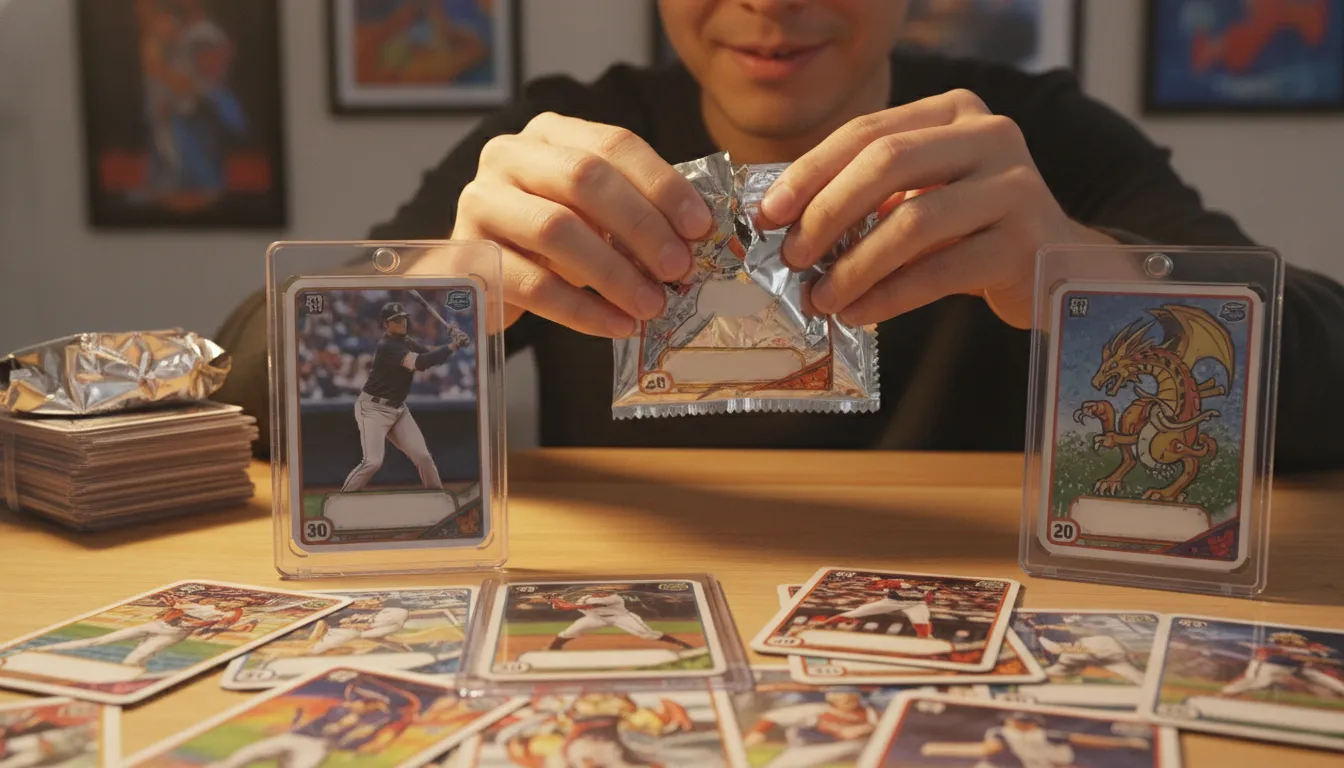
Choosing a mystery pack platform is not only about the excitement of the reveal. It is also about how quickly you can understand what you are buying, how much control you want, and what happens after a card lands in your collection.
For packz vs whatnot, Packz is the better fit if transparent value, curated packs, and a clear path to instant liquidity matter most. Whatnot may suit collectors who prefer fast, streamer-led live auctions and the energy of competing in real time.
Neither experience is automatically right for every collector. The real difference is in the rules around one idea: a surprise product with known terms, an unknown outcome, and a buying process that shapes the experience. Start by looking at how each platform handles packs, pricing, and decision-making before choosing your next rip.
How Packz and Whatnot Work: Same Packs, Different Rules
Both platforms give collectors a chance to discover cards and sealed products, but the buying experience is built around a different kind of control. On curated mystery packs, you can browse the offer first and open when you are ready. Whatnot is centered on live commerce, where sellers present products and buyers make decisions in real time.
| How you buy | How you open | What you know about value | Risk floor / buyback |
|---|---|---|---|
| Whatnot is a live-streamed auction marketplace. Sellers host real-time breaks, and buyers may need to bid while the show is moving quickly. | The pace depends on the seller and the live show. For professionally sealed surprise products, the manufacturer packaged and sealed the product, and the contents are unknown to both the buyer and seller. Whatnot explains this product category. | Value depends more heavily on the specific listing, seller, stream, and product details. Before bidding, you need to assess what is being offered and how the auction is progressing. | The supplied comparison does not identify a standardized Packz-style buyback for Whatnot purchases. Your practical floor is therefore tied to the item you win, the listing terms, and your ability to value it before bidding. |
The difference is not that one format removes all uncertainty. Mystery is part of the hobby. The useful question is how much of the purchase you can evaluate before opening, and what options you have afterward. Packz puts more of that information into the product experience. Whatnot puts more emphasis on the seller, the stream, and the moment of the auction.
Live Auction Chaos vs Browsing at Your Own Pace
Some collectors love the energy of a live show: a host, a moving chat, and a card that could disappear in seconds. Others would rather compare options, think through the value, and open a pack when the timing feels right. Both styles can be exciting, but they ask very different things from you as a buyer.

The pace of a Whatnot break
On Whatnot, a break is a live opening where a host or seller reveals cards from packs or boxes for the audience. The format turns collecting into a shared event, with the stream, commentary, and chat adding a social layer to every reveal.
That live format also creates pressure. Auctions often last just 15 to 30 seconds, so buyers need to judge value almost instantly, according to a buyer's guide to Whatnot auctions. If you are still checking the set, condition, recent sales, or your spending limit when the timer ends, the decision may already be made.
For experienced collectors, that pace can be part of the fun. You get the anticipation of a live reveal and the chance to react alongside other fans. For newer buyers, though, fast bidding can make it harder to pause and ask a basic question: does this particular purchase fit what I came to collect?
Opening Packz packs on your schedule
Packz takes a calmer route. You can browse fixed-price packs, review the available information, and choose when to open without following a stream or competing with a countdown. The experience is designed for collectors who want the thrill of a reveal while keeping the buying decision deliberate.
The result is less about choosing between excitement and caution, and more about choosing the kind of excitement you want. Whatnot suits collectors who enjoy the performance and immediacy of live breaks. Packz suits collectors who want to browse, understand the pack, and open it on their own terms.
Hidden Odds vs Transparent EV: Know What You Pay For
EV puts a fair value on the mystery
Why sourcing details matter
A value estimate is only useful when the cards behind it are sourced and valued transparently. Packz emphasizes transparency in pack sourcing, giving collectors more context for how packs are built and why the listed value matters. That makes it easier to compare a pack with your collecting goals instead of relying on a vague promise of a big reveal.
On Whatnot, the experience can vary by show and seller. A seller may offer a professionally sealed surprise product whose specific contents are unknown to both the buyer and seller, as Whatnot explains in its help documentation. Other offers may use seller-defined formats with their own pricing and odds. The result is a more variable buying experience, so you may need to evaluate each listing, seller, and show separately. Whatnot's description of professionally sealed surprise products explains one of those formats.
Pay for known value, then enjoy the reveal
Seller Reputation vs Platform-Curated Packs: Who Keeps You Safe?
Trust looks different on a live marketplace than it does on a curated pack platform. Both models can work for collectors, but the responsibility for evaluating a purchase sits in a different place.
Whatnot puts the seller at the center
Whatnot is a marketplace where each seller or streamer controls their own inventory and presents products through their own show. That creates a social, community-led buying experience, but it also means your confidence often depends on the individual seller's reputation, product knowledge, and consistency. The platform's marketplace model makes seller reviews, show history, item descriptions, and clear communication important parts of your research.
Whatnot also provides buyer protection. Its buyer-protection policy explains the circumstances in which eligible purchases may receive support, such as when an item is materially different from its listing or does not arrive as expected. That protection is useful, but it does not remove the need to understand what you are buying. On Whatnot, a sealed surprise product may be professionally packaged with contents unknown to both the buyer and seller, as the platform explains in its surprise-products guidance.
Packz moves more trust decisions upstream
Packz is platform-curated rather than an open seller-by-seller marketplace. Packs are built and vetted by collectors, with sourcing presented transparently so you can evaluate the product before opening it. For graded cards, authentication and the grading label provide an additional reference point for condition and identity. Grading is a standardized assessment of a card's condition, not a promise that its market price will rise.
This structure does not mean every collector needs the same experience. It means more of the initial trust work happens at the platform level instead of requiring you to assess a new streamer for every purchase. If you prefer browsing a defined pack selection and reviewing the value framework before opening, curation can make the process easier to evaluate.
Safety is a process, not a platform label
Whichever model you choose, review the terms, understand what is included, and keep records of the listing and transaction. Consumer protection standards apply to online auctions involving collectibles, but protections work best when buyers understand the product and the platform's process. The FTC's online-shopping guidance is a useful general reference. Academic research, such as a University of Michigan study of reputation in online auctions, also shows how seller histories and trust signals shape buyer confidence in marketplace-style buying.
No Buyback Guarantee vs 100% Instant Buyback
The biggest difference in the value experience is what happens after the reveal. A card can be exciting to open, but it can also become an item you must price, list, package, and sell to recover value.
What happens when you buy on Whatnot?
Whatnot is a marketplace, so there is no single, platform-wide buyback guarantee that automatically applies to every purchase. If you decide a card or sealed product is not right for your collection, you generally need to find another buyer yourself. That might mean listing it on eBay, TCGplayer, or another secondary market, or waiting for the right opportunity in a collector community.
That route can work well when you enjoy selling and have time to manage the process. It also introduces friction. You may need to research a current asking price, account for marketplace and payment fees, answer questions, prepare shipping, and wait for a buyer. The final amount and timing depend on demand, the item's condition, your listing, and the marketplace you choose. There is no automatic floor that turns the card back into usable value.
Packz puts a clear floor under the reveal
Packz uses a standardized buyback system, with 100% instant buyback available as store credit for eligible unopened-pack value and cards. Instead of starting a separate resale listing, you can choose the buyback route and continue collecting with credit on the platform. The 100% figure is a transparent liquidity option, not a promise that a card will appreciate or a guarantee of investment returns.
That distinction changes the risk of holding an unwanted pull. With a secondary-market sale, value is only useful once another buyer completes the transaction. With an instant buyback option, much of that resale work is removed from the decision. Packz also supports digital and physical fulfillment, and digital fulfillment returns full market value in store credit, so you are never stuck with dead inventory.
In practical terms, Whatnot gives you a seller-to-buyer marketplace experience, while Packz gives you a defined way to recycle eligible value into your next pack. Choose the former if you want the live marketplace and resale process. Choose the latter if transparent liquidity matters as much as the reveal.
Deciding Between Packz vs Whatnot for Your Collecting Style
Use your collecting habits as the tiebreaker
There is no single best way to collect. The right platform depends on how you want to spend your time, how much uncertainty you enjoy, and what kind of value visibility helps you buy with confidence. Use this quick self-assessment before your next pack or auction purchase.
- Decide how much time you want to spend buying. If you enjoy watching a show, tracking a seller, and making decisions under pressure, Whatnot's live format may be part of the fun. If you would rather compare options and open a pack when it suits you, Packz offers a more deliberate browsing experience. Start with the format that matches your schedule, not the one that creates the most urgency.
- Choose your preferred kind of excitement. Live auctions bring social energy, chat, and the possibility of winning a fast-moving bid. Packz is better suited to collectors who want the reveal itself to be the event, without needing to follow a stream or compete in real time. Both can make opening something new exciting, but the path to that moment feels different.
- Set your comfort level with valuation. On a live marketplace, you may need to judge a seller, listing, and bid quickly. With Packz, look for clear pack information and a defined value framework before you buy. For a refresher on evaluating guaranteed hits and sellers, read this guide to the trading card mystery box experience.
- Ask what you want to do if the pull is not a keeper. A transparent next step can make a difference. Packz's standardized buyback model gives eligible collectors a clear path to continue their hobby with store credit, while Whatnot purchases depend on the individual listing and seller experience. Compare the details before purchasing, and remember that consumer protection standards apply to online shopping for collectibles, as the FTC explains.
- Make the choice that fits your priorities. Choose Whatnot if live community, quick bids, and streamer-led discovery are the main draw. Choose Packz if you value a calmer purchase, transparent sourcing, and a clearer platform-level value structure. If you are comparing other selling and collecting routes, see our Packz vs Courtyard.io and Packz vs eBay for selling cards comparisons before deciding where your next card belongs.
Frequently Asked Questions
What are the main differences between Packz and Whatnot?
Packz is built for browsing curated mystery packs with transparent sourcing, published value expectations, and a standardized buyback option. Whatnot centers on live, seller-led shopping, where the pace, presentation, and product selection can vary by streamer. Choose Packz for a more measured buying experience, or Whatnot if live interaction and fast auctions are the main appeal.
Is Packz safer for collectors than Whatnot?
Safety depends on the specific purchase, but the platforms organize trust differently. Packz emphasizes platform-level curation and pack-sourcing transparency, while Whatnot places more emphasis on the reputation of individual streamers. Whatnot also publishes buyer-protection guidance, so review the applicable policy and seller details before placing an order.
Which platform offers better value for mystery packs?
How does the Packz buyback system work?
Packz offers a 100% instant buyback as store credit for eligible items. That gives collectors a defined way to keep value within the platform if a pull is not the right fit. Review the current eligibility and redemption terms before opening or selling a pack, since those details determine how the offer applies.
What is the main appeal of Whatnot for mystery pack fans?
The main appeal is the live, social format. Auctions can move quickly, often lasting just 15 to 30 seconds, so buyers need to make rapid judgments about price and value. Leightley's Whatnot buying guide describes the format well. It is a strong fit for collectors who enjoy real-time chat, streamer personalities, and the energy of competition.
Start With a Pack That Puts the Value in Writing
Browse curated packs on Packz and open your next pack on your own schedule.
Recommended Reading

Cash for Graded Sports Cards: The Fastest Ways to Sell
Get cash for graded sports cards faster. Compare auction houses, marketplaces, and instant buyback options to pick the route that fits your timeline.

How to Compare Value in Sports Card Packs
Learn how to compare sports card packs using card quality, available pulls, pricing clarity, and Packz’s 100% buyback option.
How to Buy Pokemon Packs Online for Ripping
Ready to buy pokemon packs online for ripping? Get transparent pack value and clear pull odds so you never overpay for the thrill of the hunt. Start collecting safely.