
February 23, 2026
7 Best Graded Card Storage Options for Your Slabs
Find the best graded card storage solutions to keep your slabs safe, organized, and easy to access. Protect your collection with the right storage choice.
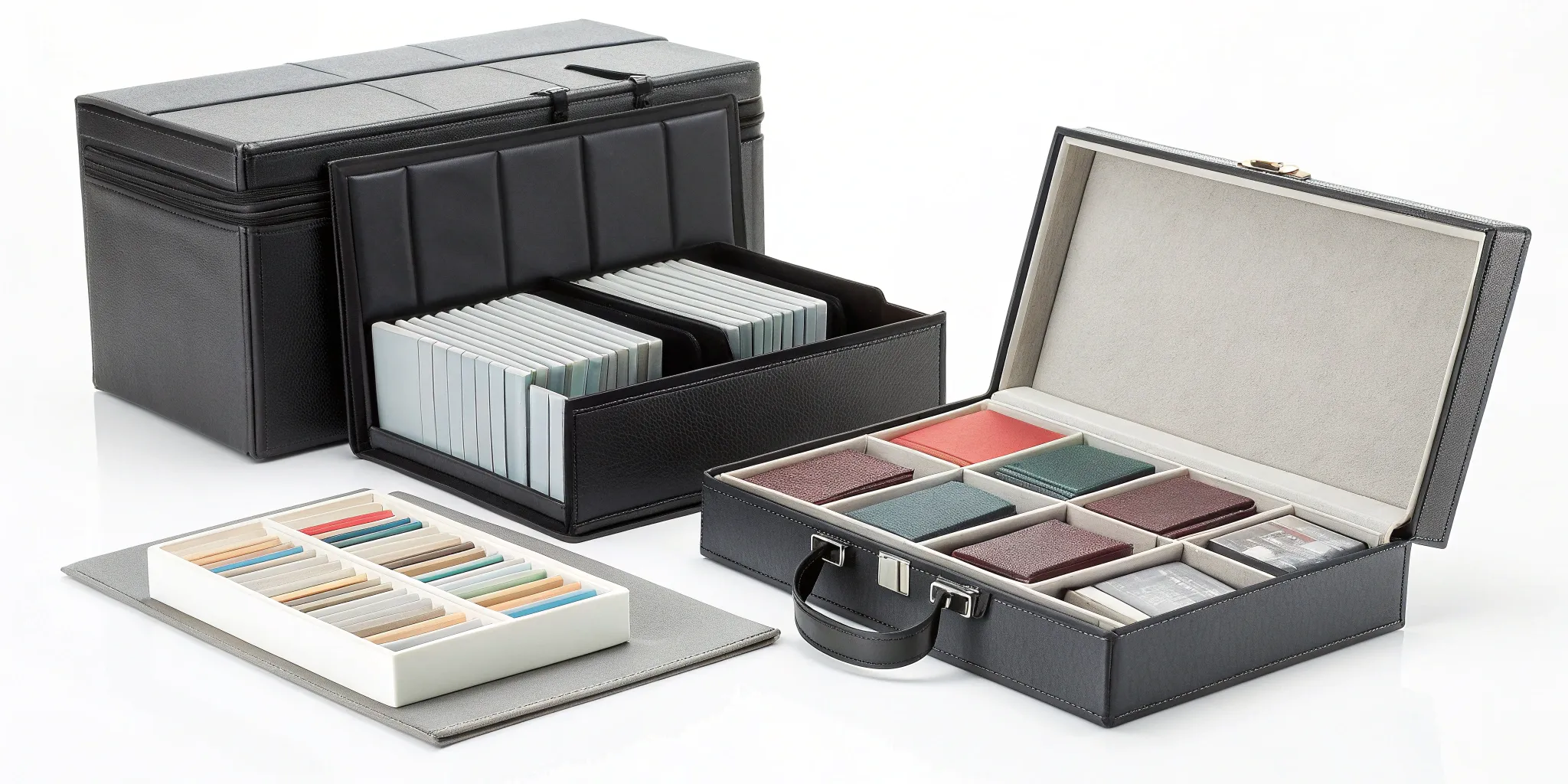
There’s nothing like the rush of hitting a huge card on Packz and deciding to have it shipped to your door. You watch the tracking, waiting for that perfectly graded slab to arrive. But have you thought about what happens next? That card is an investment, and its journey doesn’t end when it leaves the vault. To preserve its condition and value, you need a plan for its arrival. A quality graded card storage case is the first thing you should have ready, ensuring your new grail has a secure home from the moment you unbox it, protecting it from household accidents and environmental risks.
Key Takeaways
- Invest in protection that matches your cards' value: Think of your storage case as insurance for your collection. Use practical, budget-friendly boxes for most of your slabs and reserve the heavy-duty, secure cases for your most valuable cards.
- Control the climate where you store your cards: A good case is only half the battle. Keep your collection in a stable environment, like an interior closet, to protect it from extreme temperature swings, humidity, and direct sunlight that can cause damage over time.
- Avoid common handling mistakes: Small habits prevent big problems. Store your slabs upright in slotted cases, use acid-free sleeves to guard against scratches, and always give your cards enough room in their container to prevent pressure damage.
Why Graded Cards Need Special Storage
Getting a card graded is a big step. You’ve invested time and money to have your card authenticated, graded, and sealed in a protective slab. Now, it’s not just a piece of cardboard; it’s a certified asset. That plastic case is designed to preserve the card’s condition, which is directly tied to its value. When you hear about cards like a 1952 Mickey Mantle fetching $12.6 million, you understand why protecting that slab is non-negotiable. The right storage is essentially insurance for your investment, safeguarding it from drops, scratches, and environmental factors that could hurt its long-term worth.
Beyond protecting value, there’s a practical reason: graded card slabs are bulky and don’t fit in standard binders or boxes. Their rigid, uniform shape requires dedicated storage solutions. A common mistake collectors make is trying to cram too many slabs into a generic container. This can cause the plastic cases to rub against each other, leading to scuffs and scratches that obscure the card inside. In a worst-case scenario, a poorly packed box can lead to cracked slabs, which completely compromises the card’s protection. Learning how to store graded cards safely is the best way to avoid these preventable accidents.
Finally, proper storage is about organization. Whether you have ten graded cards or a thousand, being able to quickly find what you're looking for makes the hobby more enjoyable. A good storage system allows you to sort your slabs by player, set, or grade, turning a potential pile of plastic into a curated and accessible collection. This organization is essential for managing your inventory, displaying your favorite pieces, and simply appreciating the cards you've worked so hard to acquire.
What to Look for in Graded Card Storage
Once you have a graded card, or "slab," in your hands, the next step is making sure it stays in pristine condition. Tossing it in a drawer isn't going to cut it. The right storage protects your investment from damage, theft, and environmental factors. But with so many options out there, how do you choose the right one? It comes down to a few key features: how well it protects your cards, how many cards it can hold, and what it’s made of. Let's break down what you should be looking for.
Protection and Security
Your top priority should be how well a case shields your cards from the elements. Look for features that offer complete protection. A waterproof graded card case is a must-have to guard against spills or humidity, while dustproof seals keep your slabs clean. Impact resistance is another critical feature, protecting your collection from accidental drops or bumps. If you’re storing high-value cards, consider a case with built-in locks. Many options come with combination or TSA-approved locks, giving you an extra layer of security and peace of mind, whether you're at home or traveling to a card show.
Capacity and Organization
Next, think about the size of your collection and how you want to organize it. Graded card storage boxes come in all shapes and sizes, from compact cases that hold around 40 slabs to massive trunks designed for over 600. Choosing the right capacity isn't just about fitting what you have now; it's also about planning for the future. If you’re an active collector, getting a slightly larger case gives you room to grow. Good storage solutions also help with organization, often featuring dividers or slotted interiors that keep your cards neat, orderly, and easy to browse.
Material and Durability
The material of your storage case directly impacts its durability and how well it protects your cards long-term. While heavy-duty, slotted cardboard boxes are a classic and affordable choice for many collectors, you might want something more robust for your most prized slabs. Cases made from aluminum alloy offer superior strength and a premium feel, providing excellent protection against crushing or impacts. Hard plastic cases are another fantastic option, as they are often lightweight, extremely sturdy, and frequently waterproof, making them a reliable choice for safeguarding your collection from almost anything.
The Best Storage Solutions for Your Graded Cards
Once you start building a collection of graded cards, you’ll need a safe place to keep them. The right storage does more than just tidy up your space; it protects your investment from dust, light, and damage. Finding the perfect solution depends on your collection's size, your budget, and whether you want to store your cards away or put them on display. I’ve sorted through the options to find some of the best choices out there, from high-end cases for serious collectors to budget-friendly boxes that still get the job done.
Premium Picks
If you’re looking for top-tier protection for your most valuable cards, investing in a premium storage case is a smart move. The CASAEMTIX storage box is a fantastic choice, designed to hold over 30 graded slabs from both BGS and PSA, making it a go-to for many sports and trading card collectors. For those with a rapidly growing collection, the Max Protection Graded Card Locker is another excellent option. This heavy-duty box can secure about 70 graded cards, giving you plenty of room to expand. Think of these cases as a vault for your collection, offering peace of mind that your prized slabs are safe and sound.
Quality Storage on a Budget
You don’t have to spend a lot to get solid protection for your cards. With some graded cards selling for millions, even a small investment in storage is worthwhile. For an affordable and practical solution, the Graded Card Box from Ultra PRO is a great starting point. It’s specifically designed to hold 10 PSA or Beckett graded cards, but it’s also versatile enough for toploaders and magnetic displays. This type of box is perfect for organizing smaller sets or for keeping your recent pulls safe without breaking the bank. It proves that effective storage can be accessible for every type of collector.
Best Cases for Displaying Your Collection
Sometimes you want to admire your collection, not just store it away. That’s where display cases come in. They offer protection while letting you showcase your favorite cards on a desk or shelf. Companies like Zion Cases specialize in products for collectors who want to show off their slabs, offering everything from single-slab stands to larger display cases and even backpacks for taking your cards on the go. When choosing a display, look for cases designed for major grading companies like PSA, BGS, and SGC to ensure a snug and secure fit. This way, your cards stay protected while serving as the ultimate centerpiece.
Price vs. Value: What Should You Expect to Pay?
When it comes to storing your graded cards, the price tag on a storage case can range from a few dollars to a few hundred. So, how much should you actually spend? The honest answer is: it depends entirely on your collection. The key is to think about storage not as a cost, but as an investment in protecting your assets. Spending a little more on a quality case can prevent damage that could cost you thousands in lost value down the road.
Think of it like this: you wouldn’t store a luxury watch in a plastic bag, and you probably don’t need a fireproof vault for your everyday wear. The same logic applies to your slabs. The goal is to match the level of protection to the value of the cards you’re storing. A high-end case might seem expensive upfront, but if it’s protecting a card worth four or five figures, it’s a small price to pay for peace of mind. We’ll break down how to find the sweet spot between price and value for your specific needs.
Premium vs. Budget Breakdown
Deciding between premium and budget storage comes down to what you’re protecting. If you’re holding onto high-value grails, investing in a premium, heavy-duty case is a smart move. When a single 1952 Topps Mickey Mantle card can sell for over $12 million, the need for specialized, top-tier protection becomes crystal clear. These premium cases often feature stronger materials, better locks, and superior environmental seals.
On the other hand, not every card in your collection needs Fort Knox-level security. For your more common slabs or bulk collection, budget-friendly cardboard or plastic boxes are perfectly fine. They get the job done by keeping your cards organized and shielded from dust and minor bumps. It’s all about being strategic with your spending.
Saving Money with Bulk Buys and Bundles
No matter the size of your collection, you can always find ways to save on storage. One of the easiest methods is to buy in bulk. If you know you’ll need more than one box, look for suppliers that offer discounts on larger quantities. Many retailers will give you a price break for buying 10 or 20 boxes at a time, often saving you 15% or more. These slotted trading card boxes are a great example of where you can find these deals.
Another great strategy is to look for high-capacity storage solutions. Some boxes are designed to hold 70 or more graded cards, which can bring your cost-per-slab down significantly compared to smaller cases. By planning ahead and buying more at once, you can get quality protection without overspending.
Where to Find the Best Deals on Storage
Once you know what you're looking for, the next step is finding it at the right price. Great deals on quality storage are out there if you know where to look. From massive online marketplaces to specialized manufacturers, here are the best places to start your search for storage that protects your collection without breaking the bank.
Online Retailers and Sales
When you're hunting for the best deals, big online retailers like Amazon are an obvious first stop. You can explore a vast selection of storage boxes, from compact cases for your top-tier slabs to large organizers for your entire collection. To gauge a product's reliability, look at its sales history. Many popular items will show that they’ve been purchased thousands of times in the past month, which is a good sign of quality and collector approval. Keep an eye out for bulk purchasing options, as they can lead to significant savings. For instance, you might find deals where buying 12 boxes saves you 16%, or grabbing 24 boxes at once cuts the per-item cost by 25%.
Deals Direct from the Manufacturer
For a more specialized shopping experience, consider buying directly from the companies that make the storage solutions. A great example is Zion Cases, a company that started in 2016 with the sole focus of protecting card collections. When you buy direct, you often find unique items you won’t see elsewhere, like custom foam inserts or MLB-themed labels that help with organization and display. Manufacturers frequently offer their own deals, too. Zion Cases, for example, provides free shipping on all orders over $125, which can make a big difference when you're stocking up on high-quality protection for your most valuable cards.
Protecting Your Collection: Long-Term Storage Tips
Once you've invested in the perfect storage case, the work isn't quite done. Protecting your collection for the long haul is about creating a safe and stable home for your cards. Think of it like this: you wouldn't park a classic car outside in a hailstorm, and your graded cards deserve the same level of care. A few simple habits and environmental controls can make all the difference in preserving the condition and value of your slabs for years to come. It’s about being proactive, not just reactive, when it comes to safeguarding your most prized possessions.
The Right Environment: Climate and Conditions
Your cards' biggest enemies are heat, moisture, and light. Find a storage spot in your home with a stable, moderate climate, like a closet in a main living area. Avoid attics, basements, or garages where temperature and humidity can swing wildly, potentially warping the slabs or damaging the cards inside. Direct sunlight is another major threat, as its UV rays can cause the colors on your cards to fade over time. If you display your cards, keep them away from windows or consider using cases with built-in UV protection. A little environmental planning goes a long way in preserving collectibles.
Handling and Organizing Your Slabs
While graded cards are encased in rigid slabs for protection, they aren't indestructible. One of the most common mistakes collectors make is trying to fit too many cards into one container, which can lead to scuffs and pressure cracks. Give your slabs some breathing room. For an extra layer of defense against scratches, you can place each slab in a soft, acid-free sleeve designed specifically for graded cards. When organizing, avoid stacking slabs directly on top of each other. Instead, store them vertically in a case with dividers. This not only protects them but also makes it easier to find the card you're looking for without excessive handling. Investing in the right protective supplies is a small price to pay for peace of mind.
How Much Storage Do You Really Need?
Deciding on the right storage capacity can feel like a guessing game, but it really comes down to two things: the size of your current collection and how fast you plan to grow it. There’s no single right answer, so let’s figure out what makes the most sense for you. Start by doing a quick count of all your graded slabs. This number is your baseline. Now, think honestly about your collecting habits. Do you pick up a new card every week, or are you adding a few key pieces every few months? Your pace of collecting is the best indicator of how much extra room you’ll need.
Storage solutions come in a huge range of sizes. You can find small, compact cases designed to hold 10 PSA or Beckett graded cards, which are perfect for keeping your most prized possessions on a shelf or desk. On the other end of the spectrum, there are heavy-duty storage boxes built for hundreds of cards, catering to collectors with deep inventories. The key is to match the box to your collection’s current and future state.
For many collectors, a mid-sized option hits the sweet spot. A box that holds approximately 70 graded cards gives you plenty of space for a solid collection with room to spare. If you’re constantly ripping packs on Packz or hitting up card shows, you might want to look at something bigger. A premium case that can hold a total of 144 PSA graded cards ensures you won’t be scrambling for a new storage solution anytime soon. When in doubt, it’s always a good idea to size up. Buying a case with a little extra space is far more convenient than realizing you’ve outgrown your storage just a few months down the line.
Avoid These Common Storage Mistakes
You’ve invested time and money into getting your cards graded, so don't let a simple storage mistake damage them. Avoiding a few common pitfalls will keep your slabs in pristine condition. Here’s what to watch out for.
Overcrowding Your Storage Boxes
It’s tempting to fit just one more slab into your case, but overcrowding is a major risk. When graded cards are packed too tightly, the plastic slabs can rub against each other, causing scuffs and scratches. The pressure can even damage the slab's seal. Always leave a little breathing room in your containers. They should be snug, but not so tight that you have to force them in or out. This simple practice reduces the risk of scratches and keeps your collection looking sharp.
Using the Wrong Protective Layers
Even a sealed slab benefits from an extra layer of protection. Many collectors use slab sleeves, but not all are created equal. A common mistake is using cheap PVC sleeves, which contain harmful chemicals that can damage the slab's surface over time. Always opt for high-quality, acid-free polypropylene sleeves instead. They provide excellent clarity and protection without the long-term risks, giving you peace of mind for your most valuable cards.
Stacking Slabs Improperly
Stacking slabs directly on top of one another is a quick way to get cases scuffed up. The hard plastic-on-plastic contact almost guarantees scratches over time, making them look cloudy. The fix is simple: store your slabs vertically in a slotted case or, if you must stack them, place each one in a soft slab sleeve first. This prevents damage from stacking cards without proper protection and keeps the acrylic cases clear.
Forgetting That Slabs Need Protection, Too
A graded slab feels solid, but the slab itself needs protection. While the goal is to protect the card inside, a heavily scratched or cracked slab is an eyesore that can diminish the value of your collectible. Think of your storage as protection for your protection. Using slab sleeves and dedicated cases ensures the rigid card slabs stay in the same mint condition as the treasures they hold inside.
Related Articles
Frequently Asked Questions
Do I really need a special case if I only have a few graded cards? Yes, even a small collection deserves proper protection. Think of it this way: you invested in getting the card graded to certify its condition and value. A dedicated storage case, even an inexpensive one, is the final step in protecting that investment. It keeps the slab safe from accidental drops, scratches, and dust, which standard boxes just aren't designed to do.
Are the cheaper cardboard boxes actually safe for my cards? Absolutely. Those slotted cardboard boxes are a classic for a reason. They are designed specifically to hold graded slabs vertically, which prevents them from rubbing against each other and getting scuffed. While they don't offer the same impact or water resistance as a premium hard case, they are a fantastic and affordable solution for keeping your collection organized and shielded from dust and minor bumps.
Besides the box, what's the most important thing for long-term storage? The environment where you keep your storage box is critical. The biggest threats to your cards over time are extreme temperature swings, humidity, and direct sunlight. Store your collection in a stable, climate-controlled part of your home, like a closet in a main room. Avoid places like a garage, attic, or basement where conditions can change dramatically and potentially damage your cards.
My slabs are getting scuffed inside their box. How do I prevent that? This usually happens when slabs are packed too tightly or stacked directly on top of one another. The best way to prevent scuffs is to store them vertically with a little bit of room to breathe. For an extra layer of defense, you can put each slab into a soft, acid-free sleeve designed for graded cards. This creates a buffer that stops the hard plastic cases from scratching each other.
Should I buy a big case now or just get a small one and upgrade later? It’s almost always better to buy a slightly larger case than you think you need. If you're an active collector, your collection will likely grow faster than you expect. Buying a case with extra room saves you the hassle and expense of needing to buy another one just a few months down the road. It gives you space to expand without having to constantly rethink your storage setup.
Recommended Reading

Cash for Graded Sports Cards: The Fastest Ways to Sell
Get cash for graded sports cards faster. Compare auction houses, marketplaces, and instant buyback options to pick the route that fits your timeline.
How to Compare Value in Sports Card Packs
Learn how to compare sports card packs using card quality, available pulls, pricing clarity, and Packz’s 100% buyback option.
How to Buy Pokemon Packs Online for Ripping
Ready to buy pokemon packs online for ripping? Get transparent pack value and clear pull odds so you never overpay for the thrill of the hunt. Start collecting safely.