
February 23, 2026
Your Guide to Finding Card Grading Near Me
Find trusted card grading near me with tips on choosing local services, understanding costs, and preparing your cards for the best possible grade.

That feeling of pulling a high-value card is incredible, but it’s often followed by a wave of anxiety. The thought of putting that prized possession in the mail and sending it across the country can be nerve-wracking. What if it gets lost or damaged? This is why so many collectors find themselves searching for "card grading near me." They want a safer, more personal option. Handing your card directly to a professional at a local shop or a card show provides peace of mind that shipping simply can’t match. This guide will walk you through the best ways to find trustworthy local grading services, so you can protect your investment without the stress.
Key Takeaways
- Certify your card's authenticity and value: Professional grading removes all guesswork by providing an official, trusted assessment of your card's condition. This certification is key to protecting your investment and getting the best possible price if you decide to sell.
- Choose the right service and prep your cards carefully: Your choice of grader, such as PSA, BGS, or SGC, can impact resale value, so research which is best for your specific card. Before submitting, gently clean and protect your card to give it the best chance at a high grade.
- Plan your post-grading strategy: Once your card is slabbed, decide if you want to sell or collect. A high grade can significantly increase its market price, but if you're keeping it, focus on proper storage and display to protect both the card and its case for the long term.
What Is Card Grading and Why Does It Matter?
If you’re new to the world of trading cards, you’ve probably heard the term “graded card” thrown around. So, what exactly is card grading? Think of it as a professional inspection for your cards. Reputable companies assess a card’s condition and authenticity, then assign it a numerical grade. This process gives collectors a universal standard for judging a card's quality.
Why is this so important? Grading takes the guesswork out of determining a card's condition and value. It provides a clear, objective assessment that everyone in the hobby can trust. Whether you've just pulled a rare Charizard or a rookie sports card, getting it graded can confirm its authenticity and lock in its value. For collectors, this means you can buy, sell, and trade with much more confidence, knowing that the card you’re getting is genuine and its condition has been verified by experts. It’s the best way to protect your investment and ensure the legitimacy of your collection.
How the Grading Process Works
The grading process is a meticulous, multi-step inspection performed by a third-party company. First, you submit your card to a service like CGC, PSA, or Beckett. Once it arrives, experts authenticate the card to ensure it’s not a counterfeit. After confirming its legitimacy, they examine it under magnification, scrutinizing four key areas: the corners, the edges, the surface, and the centering of the print. Each aspect is rated, and the combined scores determine the final grade, typically on a scale of 1 to 10. Finally, the company encapsulates the card in a protective, sonically sealed plastic case, often called a "slab," which displays the grade and other important details. This card certification service not only protects the card but also preserves its graded condition.
How Grading Affects a Card's Value
The grade a card receives has a massive impact on its market value. A card in pristine, near-mint condition will almost always be worth more once it's graded. For common cards, a perfect 10 grade can turn a dollar-bin find into a collectible worth hundreds. For rare cards, the difference between a grade of 8 and a 9 can mean thousands of dollars. This is because a high grade officially documents a card's exceptional condition, making it more desirable to serious collectors. Grading establishes a concrete value, which is essential if you ever plan to sell, trade, or insure your collection. It removes subjectivity and allows the market to set a price based on a trusted, standardized assessment.
Authenticate Your Cards and Avoid Fakes
One of the most critical functions of card grading is authentication. The trading card market is unfortunately filled with convincing fakes, and it can be tough for even experienced collectors to spot them. Grading companies are the industry's first line of defense. Their experts are trained to identify counterfeit cards by examining printing patterns, card stock, and other subtle details that forgers often get wrong. When a card is graded and slabbed, it comes with a guarantee from the grading company that it is 100% authentic. This assurance makes it much safer to buy and sell cards, especially online. You can be confident you’re paying for the real deal, not a worthless imitation.
Who Are the Top Card Grading Companies?
When you're ready to get your cards graded, you'll find a few companies that are considered the gold standard. These are the names that collectors and investors trust most. Choosing the right one often depends on the type of card you have, your budget, and how quickly you need it back. Each company has its own reputation and specialties, so it’s smart to get familiar with the top players before you send off your prized possessions. Let's look at the most respected names in the game.
PSA (Professional Sports Authenticator)
You've almost certainly heard of PSA. As one of the most recognized names in the industry, Professional Sports Authenticator is known for its rigorous grading standards. A high grade from PSA can significantly increase a card's value, making it a go-to for many serious collectors. They are a common sight at card shows and conventions, where you can sometimes drop off your cards for grading in person. If you're looking for a trusted name that carries a lot of weight in the resale market, PSA is a solid choice.
Beckett Grading Services (BGS)
Beckett is another giant in the grading world, and they do things a little differently. What sets BGS apart is its use of "subgrades." In addition to an overall score, they also grade individual attributes like centering, corners, edges, and surface. This detailed feedback is super helpful for understanding your card's grade. Like PSA, Beckett often attends trade shows, and you can sometimes schedule an appointment to drop off cards. Their premium black label, for pristine cards, is one of the most coveted slabs in the hobby.
SGC (Sportscard Guaranty)
If you have vintage cards or just want a faster turnaround time, SGC is a fantastic option. Sportscard Guaranty has built a strong reputation for its grading accuracy, customer service, and speed. They are particularly popular among collectors of pre-war and vintage sports cards. Their sleek black slabs, often called "tuxedos," make cards pop and have a dedicated following. For many collectors, SGC offers a great blend of reliability and aesthetic appeal. You can learn more about their services on their website.
CGC Cards and Other Options
Originally known for comic books, CGC has become a major force in the trading card world, especially for Pokémon and other TCGs. They've since expanded to include sports cards, bringing their reputation for expert grading to a wider audience. CGC Cards is known for its clear, durable slabs and detailed process. While PSA, BGS, and SGC are often called the "big three" for sports cards, CGC is right there with them. Beyond these four, other grading companies exist, but these are the major players you'll encounter most often.
Where Can You Find Local Grading Services?
While mailing your prized cards to a grading company is the standard route, it’s not your only option. If you prefer a more hands-on approach or want to avoid the stress of shipping, there are several ways to get your cards graded in person. Finding a local service can give you peace of mind, especially when you're dealing with a high-value card you’ve been chasing for years. Let's be real, putting a potential four or five-figure card in the mail can be nerve-wracking. In-person grading eliminates that anxiety. Plus, it’s a great way to connect with other collectors in your community and get expert advice before you commit to a submission. These in-person options often provide faster turnaround times and allow you to get immediate feedback on your card's condition. Instead of waiting weeks just to find out if your card was received, you can hand it directly to a representative. This direct interaction also lets you ask questions and clarify any concerns about the process on the spot. From your neighborhood hobby shop to large-scale conventions, you can find a grading solution that fits your needs without ever having to print a shipping label. We'll walk through the best places to look so you can choose the right path for your collection.
Visit Local Card and Hobby Shops
Your neighborhood card shop is more than just a place to buy packs; it's a fantastic resource for grading. Many shops act as official drop-off locations for major companies like PSA and Beckett, or they can help you prepare your submission for a small fee. This saves you the hassle of packing and shipping, and you get an experienced opinion before sending your cards off. The staff can help you assess which cards are worth grading and ensure your submission forms are filled out correctly. It's a great way to get support from local experts and build relationships in your local collecting community.
Go to Card Shows and Conventions
Card shows are the perfect place to immerse yourself in the hobby, and they often host grading companies directly. You can walk right up to a PSA, Beckett, or SGC booth and hand your cards over for submission. This is an excellent opportunity to ask questions and speak directly with company representatives. A pro tip: create an account with the grading company online before you go and show up early. Lines can get long, especially at popular shows, so being prepared will save you a ton of time. You can find a list of upcoming card shows to see when one is happening near you.
Look for In-Person Grading Events
Beyond general conventions, keep an eye out for special in-person grading events hosted by the big names in the industry. These events are specifically designed for collectors to submit their cards and sometimes even offer on-site grading for a premium. This is one of the fastest ways to get your cards slabbed and back in your hands, often within the same day. These events can be a bit more expensive, but the convenience and speed are often worth it for high-value cards. Check the official websites of grading companies for their event schedules to see when they'll be in a city near you.
What's the Cost and Wait Time for Card Grading?
Let's talk about two of the biggest questions on every collector's mind: How much will this cost, and when will I get my cards back? The answers can vary quite a bit depending on which company you choose and what level of service you select. Getting a card graded is an investment, and like any investment, it's smart to understand the costs and timelines upfront. If your cards are in near-mint condition, grading can significantly increase their value, making the fee a worthwhile expense. The price for that authentication and shiny new slab can range from a budget-friendly mail-in option to a premium same-day service. Understanding these factors will help you choose the right service for your cards and your budget.
Breaking Down the Pricing
The cost of grading a card really comes down to how fast you want it back. If you're not in a hurry, you can find more affordable options. Some services offer grading for around $20 per card plus shipping, which is a great entry point for building your graded collection. On the other end of the spectrum, if you need a quick turnaround, you can opt for in-person grading at events or through priority services. For these faster options, you can expect to pay about $75 to $100 per card. Think of it as paying for convenience and speed. The more you pay, the sooner you'll have your graded card in hand.
How Long Will It Take?
Patience is a virtue in the card collecting world, especially when it comes to grading. If you mail your cards to major companies like PSA, be prepared to wait. These services are incredibly popular, and it's not uncommon for collectors to wait up to six months to get their cards back from standard service levels. If waiting that long sounds agonizing, you can always pay for a faster service. Priority grading can cut the wait time down to just a few business days, but it comes with a much higher price tag. It’s a classic trade-off between time and money, so you’ll have to decide which is more important to you.
Watch Out for Hidden Fees
When you're calculating the cost of getting your cards graded, don't forget to account for the extra expenses. If you're planning on attending an in-person grading event, you'll need to factor in your travel costs and any entrance fees for the card show or convention. These can add up quickly and significantly change your total investment. Even if you're mailing your cards, you'll have to pay for shipping and insurance, which are crucial for protecting your valuable collection. Before you commit to a service, take a moment to map out all the potential expenses so you have a clear picture of the total cost.
How Do You Pick the Right Grading Service?
Choosing a grading service is a big decision. It’s not just about getting a number slapped on your card; it’s about partnering with a company that collectors trust. The right service for you will depend on the type of card you have, your budget, and your ultimate goal, whether that’s selling for top dollar or preserving a piece for your personal collection. Think of it like picking a mechanic for a classic car. You want someone who knows the model inside and out and has a reputation for quality work.
The main players in the industry, like PSA, Beckett, SGC, and CGC, each have their own strengths and loyal following. Your choice can directly influence how other collectors perceive your card and what they’re willing to pay for it. Before you send anything off, ask yourself what you want to achieve. Are you trying to maximize the resale value of a modern sports card? Or are you looking to authenticate a vintage Pokémon card for your own collection? The answer will help guide you to the service that best aligns with your needs. Let’s walk through the key factors to consider so you can feel confident in your choice.
Decode the Different Grading Scales
At first glance, most grading scales look similar, typically running from 1 (Poor) to 10 (Gem Mint). But the devil is in the details. Some companies, like Beckett, provide sub-grades for a card’s centering, corners, edges, and surface, giving you a more detailed report card on its condition. Beyond the number, pay attention to the physical holder, or "slab." The quality of the slab affects everything from security to how the card looks on display. For example, CGC Cards uses a holder that’s known for its exceptional clarity and security features designed to prevent tampering. A sturdy, clear, and secure slab adds to the overall value and appeal of the graded card.
Find a Specialist for Your Cards
Not all grading companies are created equal, and many have carved out niches in the hobby. Some are known as the go-to experts for specific types of cards, and their opinion carries more weight in those communities. For decades, PSA has been a leader in the sports card world, while Beckett also holds a stellar reputation. If you’re grading Pokémon, Magic: The Gathering, or other trading card games, you might lean toward a service with dedicated TCG experts. Researching a company’s background will tell you if they have seasoned professionals who specialize in what you’re collecting. This ensures your card is being evaluated by someone who truly understands its nuances.
Consider the Impact on Resale Value
If your goal is to sell, the grading company you choose can have a huge impact on the final sale price. The market often shows a preference for certain graders for certain cards. A card with a PSA 10 grade, for instance, frequently commands a higher price than an equivalent top grade from a different service. Getting a card in near-mint condition graded can substantially increase its value, but only if you choose a service that potential buyers respect. Before you submit, spend some time on eBay or other marketplaces to look up recent sales of cards similar to yours. See which grading company consistently fetches the highest prices for the type of card you own.
What Should You Do Before Submitting Your Cards?
Sending your cards off to be graded is a big step, but the work really begins before they ever leave your hands. What you do in the preparation phase can directly influence the final grade your card receives. Think of it as setting your card up for success. A little bit of effort upfront can make a significant difference in the outcome, potentially adding to the card's final value and ensuring the entire process goes smoothly. Graders are looking for perfection, and even a tiny fingerprint or a speck of dust can be the difference between a Gem Mint 10 and a Mint 9, a distinction that can mean hundreds or even thousands of dollars.
This preparation process involves three key stages. First is the physical prep: carefully inspecting, cleaning, and protecting each card to present it in its best possible condition. Second is managing your own expectations by researching your card's realistic market value to ensure grading is a worthwhile investment. Finally, there's the administrative side: correctly filling out all the necessary submission forms to avoid any delays or issues with the grading company. Taking the time to handle each of these steps properly will give you peace of mind and give your cards the best shot at earning that top grade.
Prep Your Cards for Submission
Before you even think about sleeves or forms, take a close look at your cards. You may find minor surface issues like fingerprints, dust, or smudges that can be carefully removed. Use a fresh microfiber cloth to gently wipe the card’s surface. The key word here is gently, as too much pressure can create fine scratches that will lower the grade. Once the card is looking its best, it’s time to protect it for its journey. The industry standard is to first place the card into a new, clean penny sleeve. From there, slide it into a semi-rigid cardholder, which provides sturdy protection during shipping. Many serious collectors wear gloves during this stage to prevent any last-minute fingerprints.
Know the Common Myths About Card Value
It’s easy to find a binder of old cards in your closet and assume you’ve struck gold. While that can happen, it’s important to have realistic expectations about your card's value. One of the biggest myths in the hobby is that age automatically equals high value. In reality, a card’s worth depends on its condition, rarity, and the player or character’s popularity. Before you spend money on grading, do some research. Look up your card on sites like eBay or 130point.com to see what it has recently sold for, both in raw and graded conditions. This will give you a clear picture of the current market value and help you decide if the grading fee is a smart investment for that specific card.
Get Your Submission Forms Ready
With your cards cleaned, protected, and deemed worthy of grading, the final step is the paperwork. Each grading company has its own specific submission process and forms that must be filled out correctly. Head to the website of the company you’ve chosen (like PSA, BGS, or SGC) and read their instructions carefully. You’ll need to provide details for each card, including the year, set, and character or player name. You will also have to declare a value for each card, which is used to determine the service tier and insurance coverage. Accuracy is critical here, as any mistakes on the forms can lead to long delays. A great resource is the official PSA submission guide, which walks you through every step of the process.
What Tools Can Help You Find a Good Local Grader?
Finding a trustworthy local grader can feel like searching for a needle in a haystack, but you have more resources at your fingertips than you might think. Instead of just hoping for the best, you can use a few key online tools and communities to connect with reputable services right in your area. Think of it as combining the power of the internet with the wisdom of the collecting community. These strategies will help you find a professional who can handle your cards with the care they deserve.
Use Online Directories and Review Sites
Your search can start with a simple tool you probably use every day: Google Maps. Searching for "card grading" or "hobby shops" will often pull up local businesses that offer grading submission services. Beyond a basic search, websites like Yelp provide customer reviews that give you a real-world look at a shop's reputation. Remember, professional grading helps protect the value of your rare and high-value cards, so you want to find someone reliable. Reading through reviews is a great way to see if other collectors have had positive experiences with a particular service, ensuring your prized possessions are in good hands.
Get Recommendations from Other Collectors
Sometimes, the best advice comes from people who have been in your shoes. Online forums and communities are goldmines for firsthand recommendations. On platforms like Reddit, you can find dedicated groups for almost any type of trading card. Don’t be shy about posting a question like, "Any place to get Pokémon cards graded in Orlando?" You’ll likely get honest feedback and suggestions from local collectors who have already done the research. These collector communities are fantastic for getting specific, local advice that you won’t find in a generic directory.
Join Local Collector Groups on Social Media
Social media, especially Facebook, is home to countless local and regional collector groups. A quick search for "[Your City] Sports Card Collectors" or "[Your State] Pokémon TCG Group" can connect you with a network of enthusiasts near you. These groups are more than just a place to find a grader; they’re a hub for sharing tips and knowledge. You might find members discussing how to prep cards for submission or sharing their recent grading results. It’s a great way to learn the ropes and build connections with other collectors in your area.
What's Next After Your Cards Are Graded?
So, you’ve done it. You sent your prized cards off, waited patiently (or not so patiently), and now they’re back in your hands, sealed in their shiny new slabs with official grades. What's the next move? Getting your cards graded is a huge step, but it’s really just the beginning. Now you have two main paths to choose from: cashing in on your investment by selling, or preserving your collection for the long haul. Let's walk through what each option looks like so you can make the best decision for your collection.
Sell Your Graded Cards for the Best Price
If your goal is to sell, getting a high grade is like hitting the jackpot. That number on the slab isn't just for show; it's a certification of authenticity and condition that buyers trust. Grading helps maintain the value of rare and high-value cards, which is essential if you plan to sell or trade them. A PSA 10 will almost always command a higher price than a raw, ungraded card, even if the raw card looks perfect to the naked eye. You can list your graded cards on marketplaces like eBay, take them to a local card shop, or work with an auction house for exceptionally rare pieces. The key is to research recent sales of the same card with the same grade to set a competitive price.
Protect and Display Your Collection
Maybe selling isn't on your mind at all. If you’re a collector at heart, your graded cards are trophies. The plastic case, or "slab," offers great protection, but it's not indestructible. To keep the slab itself from getting scratched, you can slide it into a soft plastic sleeve designed specifically for graded cards. For display, you can use individual stands to show off your favorites on a shelf or invest in a wall-mounted case that protects against dust and UV light. Proper storage is key to preserving your investment. Keep your collection in a cool, dry place away from direct sunlight to prevent any long-term damage to the card or the case. Your collection deserves to be shown off, so find a display method that works for you.
Related Articles
Frequently Asked Questions
Is it worth grading every card I own? Definitely not. Grading is an investment, so you want to be strategic about which cards you submit. A good rule of thumb is to focus on cards that are rare, feature a popular player or character, or are in exceptional condition. For a common card, the grading fee could easily cost more than the card is worth, even with a perfect grade. Before submitting, do a quick search on a site like eBay to see what that card sells for in both raw and graded condition to decide if the cost makes sense.
What's the real difference between a grade 9 and a 10? The difference between a Mint 9 and a Gem Mint 10 is often microscopic. A grade of 10 means the card is virtually flawless to the naked eye and under magnification. It has perfect centering, sharp corners, clean edges, and an immaculate surface. A 9 is still a beautiful, near-perfect card, but it might have a tiny imperfection, like a single microscopic print dot, a corner that isn't perfectly sharp, or centering that is just slightly off. For many modern cards, that single point difference can mean a huge jump in value.
Can I get a card re-graded if I'm not happy with the score? Yes, you can. Most grading companies offer a "review" service where they will re-evaluate the card while it's still in its original slab. If they agree it deserves a higher grade, they will re-holder it for you. The other option is to carefully remove the card from its slab (a process known as "cracking the slab") and resubmit it as a raw card. Be aware that both options come with a risk; the grade could stay the same or even go down if the graders spot something new.
How do I decide between PSA, BGS, SGC, or CGC? The best choice often depends on your goal and the type of card you have. If you're looking to get the highest possible resale value for a modern sports card, PSA is often considered the market leader. If you appreciate detailed feedback and want subgrades for centering, corners, edges, and surface, Beckett (BGS) is an excellent choice. For vintage sports cards or if you want a faster turnaround time, SGC is a fantastic and respected option. And if you're grading Pokémon or other TCGs, CGC has built a stellar reputation in that space.
What happens if my card gets damaged or lost in the mail? This is a major concern for every collector, and it's why preparation is so important. When you ship your cards, make sure they are packed securely in a penny sleeve and semi-rigid holder to prevent movement. More importantly, always pay for shipping insurance. When you fill out your submission forms, you declare a value for each card. This value is used by the grading company to insure the package on its return trip to you. Proper packing and insurance are your two best tools for protecting your investment during transit.
Recommended Reading
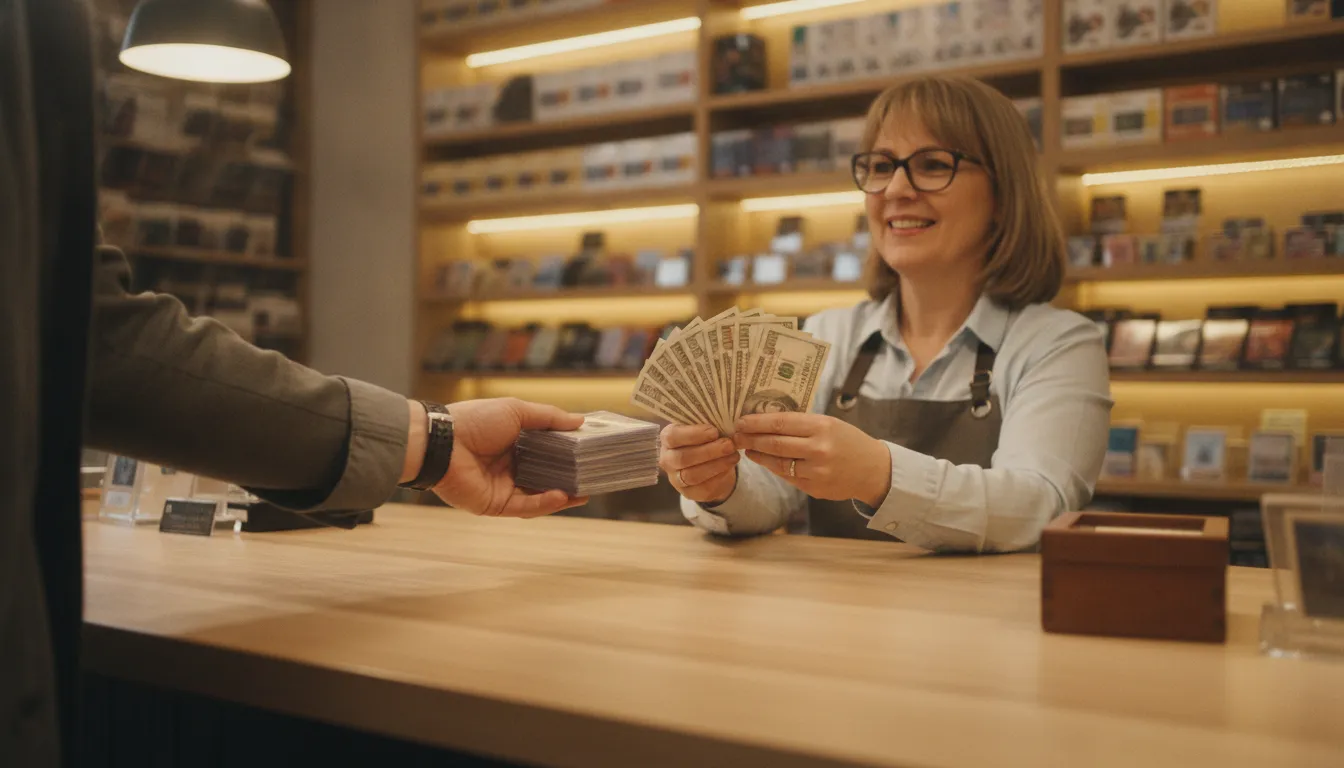
Cash for Graded Sports Cards: The Fastest Ways to Sell
Get cash for graded sports cards faster. Compare auction houses, marketplaces, and instant buyback options to pick the route that fits your timeline.
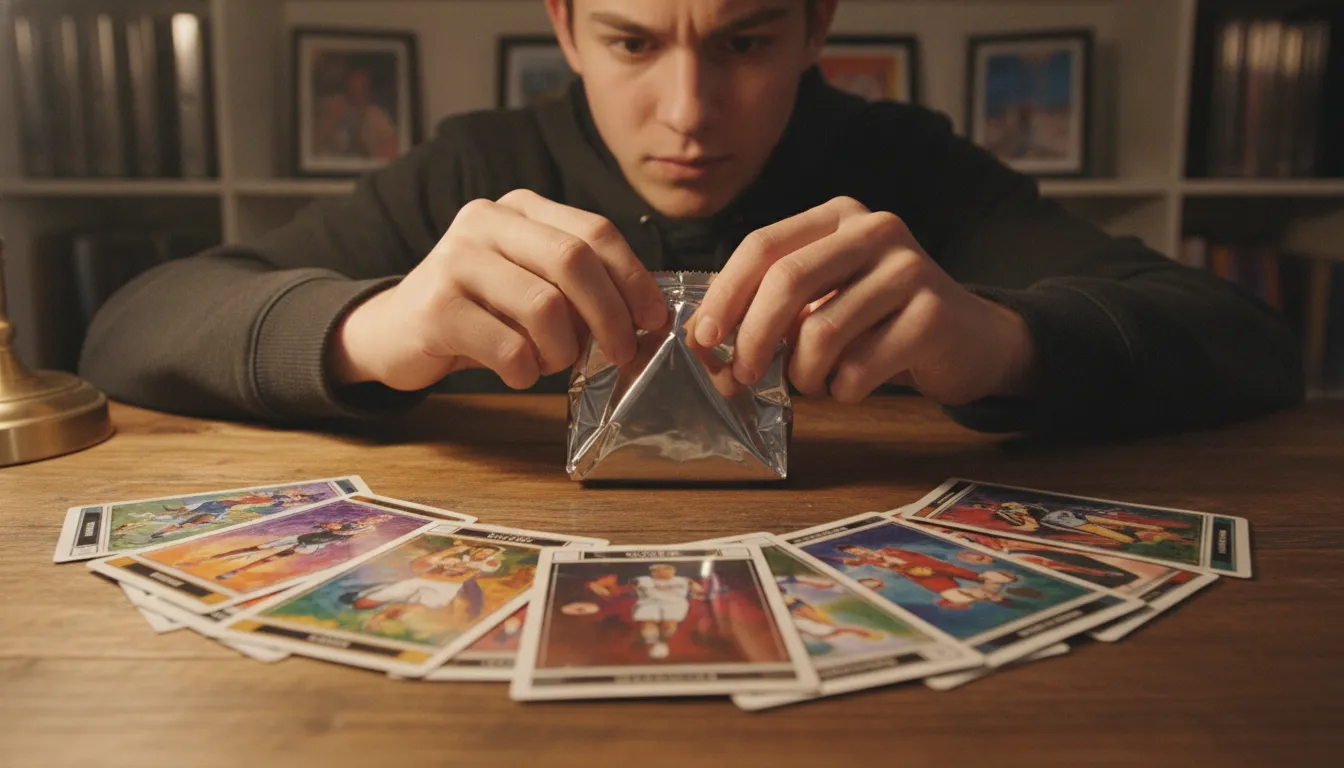
How to Compare Value in Sports Card Packs
Learn how to compare sports card packs using card quality, available pulls, pricing clarity, and Packz’s 100% buyback option.
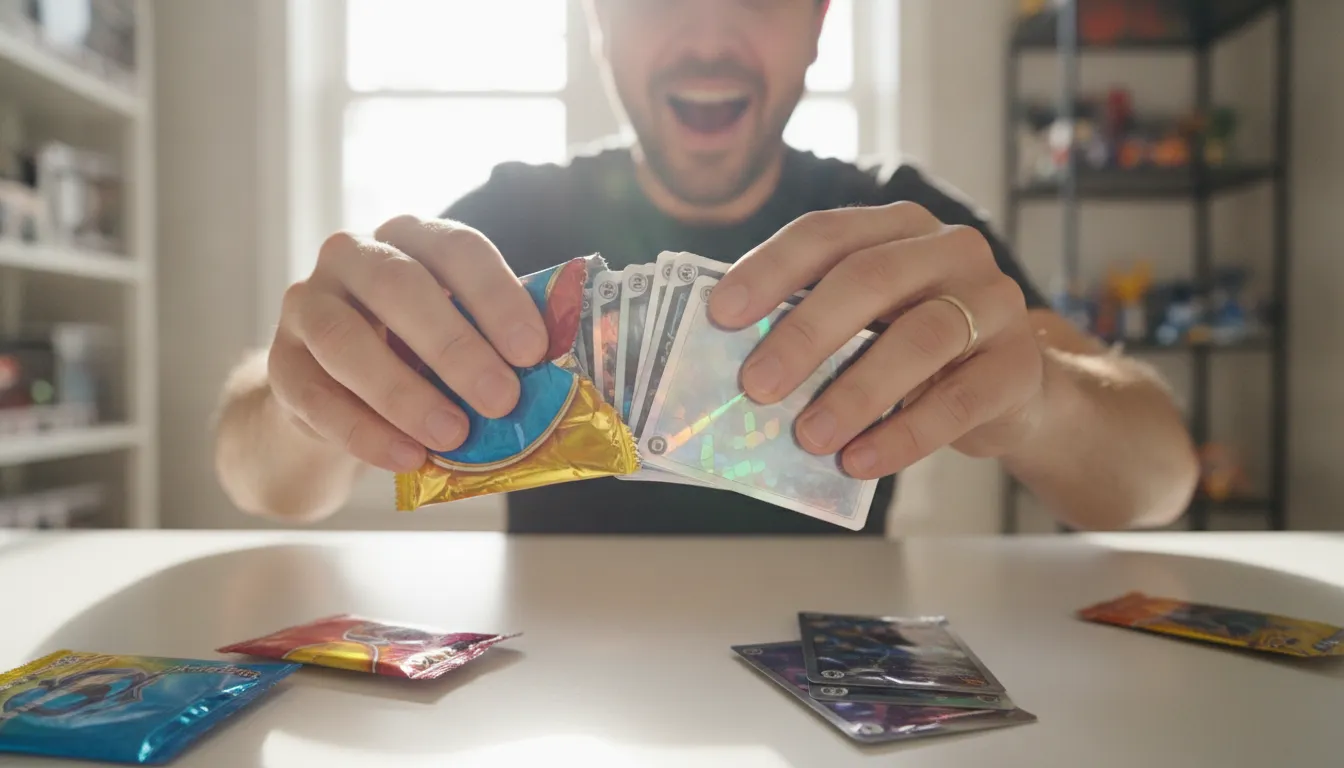
How to Buy Pokemon Packs Online for Ripping
Ready to buy pokemon packs online for ripping? Get transparent pack value and clear pull odds so you never overpay for the thrill of the hunt. Start collecting safely.